
1. Pompano Beach, Florida
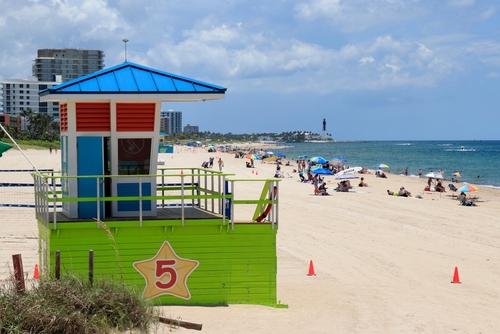
Pompano Beach has a high vacancy rate, though its population has grown modestly. Many homes are seasonal or investment properties, which aren’t available to permanent renters. This creates a scarcity for those who live year-round and need stable housing. Renters face rising prices despite empty units nearby.
Seasonal fluctuations make housing unpredictable, with some neighborhoods empty part of the year. Long-term residents compete for desirable units in a market inflated by investment homes. Wages haven’t kept pace with rents, making affordability difficult. The mismatch between empty homes and available rental units is striking.
2. New Orleans, Louisiana
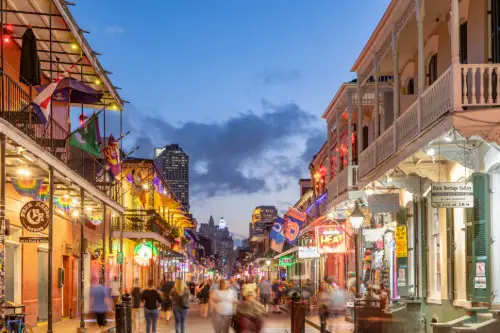
New Orleans has tens of thousands of homes sitting empty even as residents struggle with high rents. The city’s population has dipped over recent years while housing stock grew, leaving a mismatch between people and places to live. Many vacant units are old, in need of repair, or held off the market by owners hoping for future profit. Renters in neighborhoods like the Lower Ninth Ward often pay a premium for the few livable units available.
Despite these empty homes, New Orleans still struggles with inequality in housing access. Long-term residents were displaced after hurricanes and many never returned, leaving homes behind. Meanwhile, tourists and newcomers drive prices up in areas like the French Quarter. Renters face the paradox of too many empty houses, yet nowhere affordable to live.
3. Birmingham, Alabama
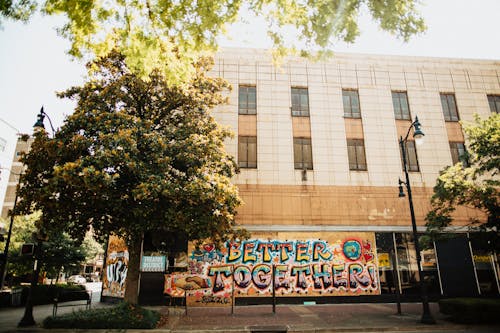
Birmingham’s vacancy rate is high, with many homes sitting empty due to a declining population. Economic shifts and migration patterns left older housing stock unused, and some homes fall into disrepair. Empty houses contribute to neighborhood instability and lower property values. For residents, seeing houses go unused while rents climb is a frustrating reality.
Renters face rising costs despite the empty properties nearby. Landlords may hold homes off-market to profit later, even if they could provide affordable housing. Neighborhoods show a mix of empty and occupied homes, creating uneven community energy. This imbalance adds stress to people already struggling with rent and daily expenses.
4. Jackson, Mississippi
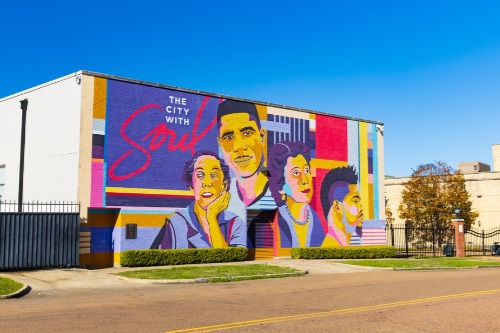
Jackson reflects a trend of population loss alongside many vacant homes. Thousands of houses sit unoccupied as the city’s population shrinks, leaving neighborhoods underpopulated. Some homes remain vacant because of economic decline or deferred maintenance. Meanwhile, rental demand remains high, putting pressure on those who live there.
Residents often find it difficult to secure quality housing at reasonable rates. Even when homes are empty, they may not be suitable to rent. The city faces a paradox of too many vacant homes yet few affordable options. Families and single renters feel the strain, highlighting a deeper housing crisis.
5. Cape Coral–Fort Myers, Florida
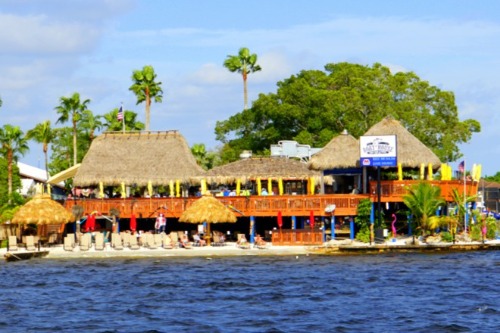
Cape Coral and Fort Myers have one of the highest housing vacancy rates in the U.S., largely because of overbuilding. During the pandemic, developers raced to build new homes for remote workers and investors. Now, many homes stand unoccupied, leaving neighborhoods partially deserted. Renters face high demand for the relatively few livable units.
Open houses sometimes go empty, and some developments remain unfinished. Investors may hold homes for future profits rather than long-term tenants. This leaves renters competing fiercely for affordable housing. The disconnect between empty homes and renter demand is a constant frustration.
6. Paradise, Nevada
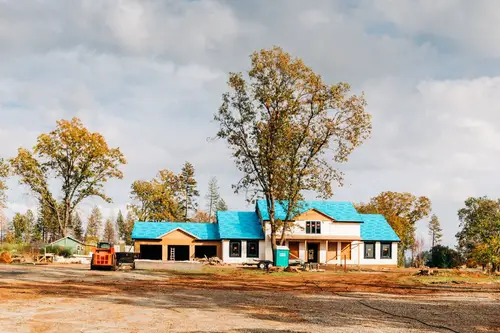
Paradise, near Las Vegas, shows high vacancy rates alongside shrinking populations. Many homes are purchased for seasonal or investment purposes rather than permanent residency. Some units sit empty for months at a time, contributing to uneven community life. Renters in the hospitality sector feel the effects, with limited options for affordable housing.
Even working full-time in nearby hotels or restaurants doesn’t guarantee housing stability. Seasonal occupancy patterns make it harder to find long-term leases. Empty investment homes drive the market prices up for those who need them. The result is a housing paradox of plenty versus availability.
7. Tuscaloosa, Alabama
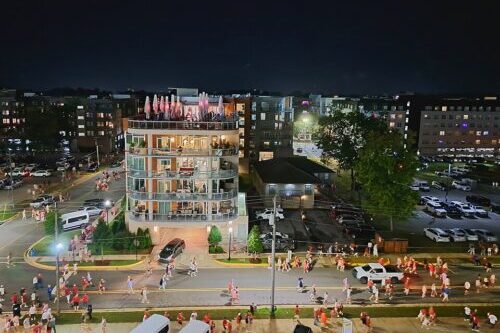
Tuscaloosa has a high vacancy rate, over 22%, influenced by student turnover and investors holding properties. Many homes stand empty despite the city having a steady demand from renters. Landlords sometimes charge high rents, knowing units are scarce and sought after. Empty homes don’t always translate into affordability for residents.
University staff, service workers, and families feel the pressure. Short-term student rentals fluctuate, adding instability for long-term tenants. Many homes sit unused while renters scramble for the few quality units available. The city highlights how vacancy statistics can mislead about actual rental accessibility.
8. Detroit, Michigan
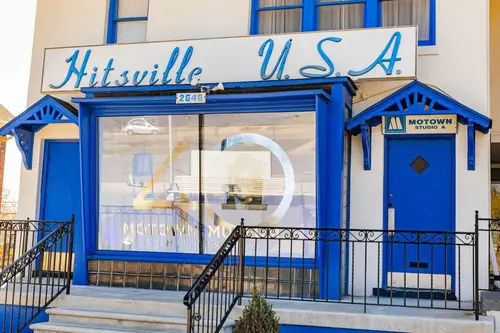
Detroit’s image as a post-industrial city comes with tens of thousands of vacant homes scattered across the city. Entire neighborhoods show the scars of population loss after the auto industry declined, leaving homes abandoned or demolished. Some blocks are empty for miles, a visible reminder of economic shifts over decades. Renters often compete for the few homes that remain in livable condition, driving prices higher.
Neighborhood revitalization efforts exist, but they haven’t reached everyone. Land banks and community programs try to stabilize properties, yet vacancy remains widespread. Jobs are still concentrated in certain areas, leaving renters limited in choice. The tension between empty homes and expensive rentals highlights how uneven recovery has been.
9. Orlando, Florida
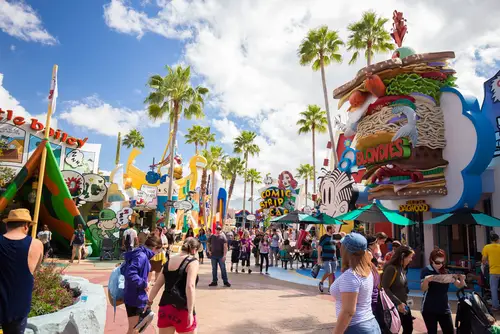
Orlando has one of the highest vacancy rates in the nation, yet renters still struggle to find affordable housing. Many vacant homes are second properties or investments, not suitable for permanent living. Tourism and inward migration push rental costs higher, despite empty properties. Residents face competition for quality housing near work and transit.
The housing imbalance affects families and individuals alike. Empty homes sit idle while renters pay high prices. Neighborhoods can feel uneven, with a mix of occupied and abandoned units. This tension between empty properties and renter demand is a defining feature of Orlando’s market.
10. Gary, Indiana
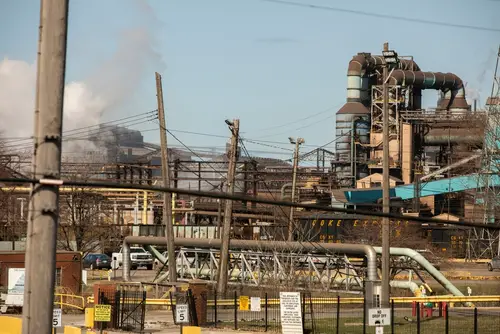
Gary’s industrial decline left thousands of homes abandoned over decades. Whole blocks stand empty or boarded up, creating a stark landscape for residents. Families in the city often juggle multiple jobs just to afford rental units. Renters face aging housing stock and high prices relative to income.
Some neighborhoods see revitalization, but the effects are uneven. Vacant homes remain a challenge for safety and community cohesion. Landlords may maintain a few rental properties, but the options are limited. Residents confront the paradox of empty houses yet costly rentals.
11. Avilla, Missouri
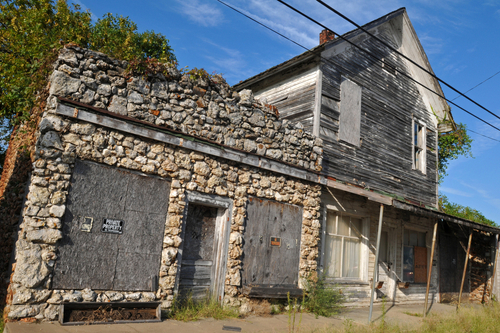
Avilla is a small rural town marked by empty buildings and a shrinking population. Homes once lived in by families now sit vacant, reflecting decades of economic and demographic change. Opportunities for renters are limited, as nearby towns absorb much of the housing demand. Rural depopulation leaves the town quiet and sparsely inhabited.
Residents or newcomers face few choices for affordable housing. Vacant houses are not always rentable due to maintenance or ownership issues. This makes it hard for the community to grow. Avilla exemplifies how small towns can struggle with both abandonment and housing scarcity.
12. Corning, Missouri
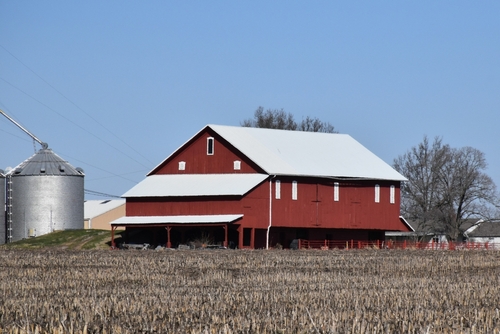
Corning, once a small village, is now mostly depopulated, with very few residents remaining. Houses that once housed families are empty, and the rental market is nearly nonexistent. The town’s decline illustrates how demographics can leave homes unused and neighborhoods abandoned. Life for the few remaining residents is marked by limited options.
The lack of renters or residents means homes sit idle indefinitely. Infrastructure remains in place, but demand has vanished. For those hoping to move in, there’s little available housing. Corning is a stark example of rural America’s depopulation challenges.
13. Pine Bluff, Arkansas
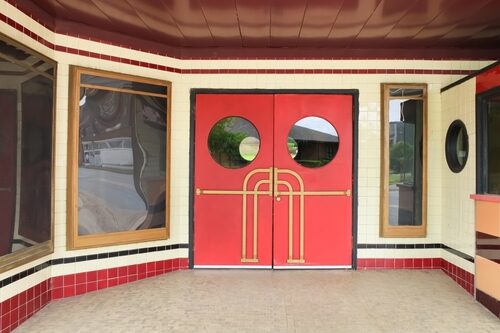
Pine Bluff has homes selling for very low prices due to long-term population loss and economic challenges. Many houses are vacant while renters struggle to find habitable units. Local jobs are scarce, and wages often don’t keep up with rent. Even inexpensive homes aren’t enough to solve the housing imbalance.
Underperforming schools and community decline contribute to the difficulty of attracting residents. Families often find themselves squeezed by both the cost of living and limited availability. Empty houses highlight the gap between property supply and actual demand. For renters, Pine Bluff is a reminder that a roof alone isn’t enough; opportunity matters too.
This post America Towns Full of Empty Homes and Desperate Renters was first published on American Charm.

