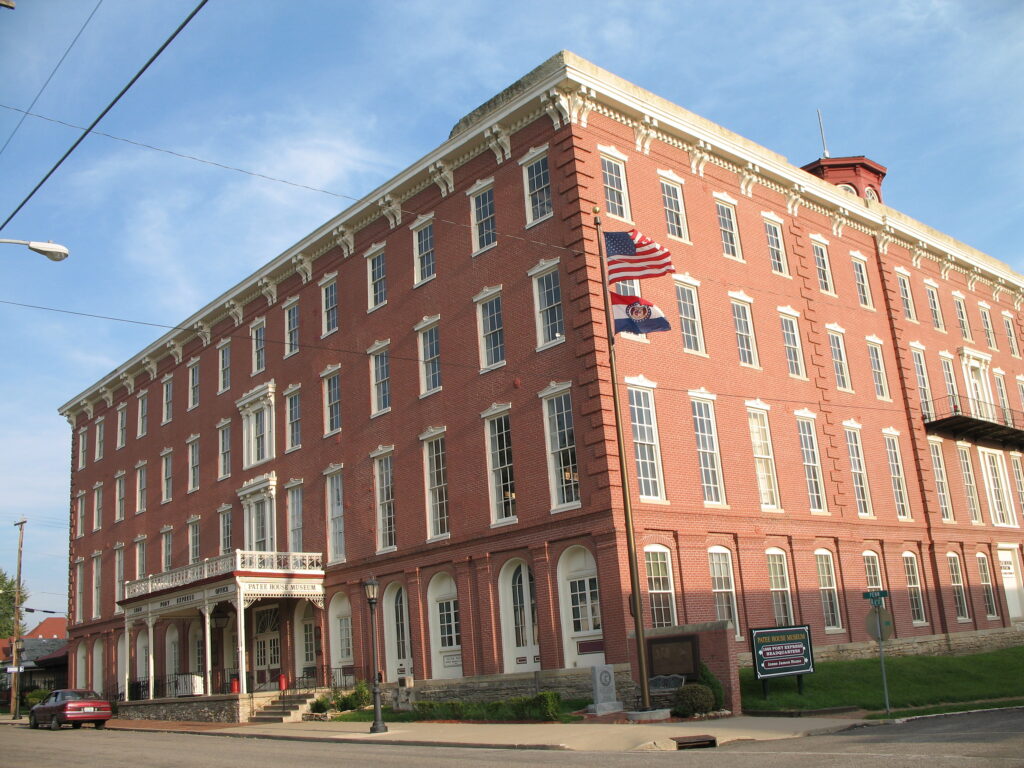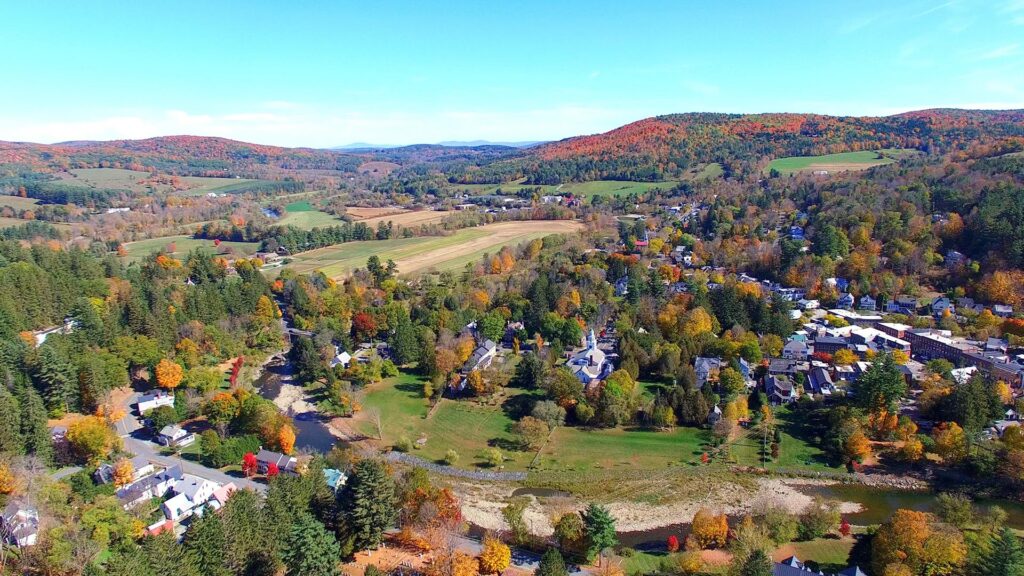
1. Mississippi
Mississippi consistently ranks as one of the cheapest states to live in, thanks to low housing costs and affordable groceries. On paper, it seems like a dream for someone wanting to stretch their paycheck. But the low cost comes with trade-offs: healthcare is limited, with fewer hospitals and specialists in rural areas. Education is another challenge, with schools often underfunded and struggling to meet basic standards.
Crime and unemployment are also higher than the national average, meaning that your cheap rent might be offset by safety concerns or difficulty finding steady work. Roads and infrastructure are frequently in poor condition, making commuting a headache. If you’re trying to save money while living here, you’ll need to plan carefully. The “cheap living” dream quickly bumps up against real-world struggles.
2. Arkansas

Housing in Arkansas is extremely affordable, with many small towns offering prices that feel almost unreal. Grocery stores and utility bills are also below the national average, which is attractive for anyone trying to minimize expenses. However, job opportunities are limited, and wages often lag behind the cost of living improvements.
Public transportation is almost non-existent outside of Little Rock, so car ownership is mandatory and adds hidden costs. Healthcare access is another concern, especially in rural counties. Crime rates in certain cities can make even cheap neighborhoods feel unsafe. For many, the state’s low cost of living comes with a side of stress and inconvenience.
3. Oklahoma

Oklahoma has some of the nation’s lowest housing prices and no shortage of open, affordable land. Utilities and daily expenses are also lower than most states, making it seem like a bargain. On the flip side, severe weather like tornadoes is a real concern, particularly in the spring. This means cheap insurance is hard to come by, and storms can create expensive damage unexpectedly.
The state struggles with healthcare access, with doctor shortages and low hospital density in rural areas. Public schools in smaller towns often face funding issues, limiting educational quality. Job growth is uneven, and wages don’t always match the low living costs. Oklahoma’s charm comes with a caveat: affordability can feel fragile when disasters or health needs arise.
4. West Virginia

West Virginia offers some of the cheapest housing in the country, particularly in small towns and former coal communities. Groceries and everyday expenses are low, making it tempting for retirees or budget-conscious families. But the state consistently ranks poorly in healthcare, income levels, and educational outcomes.
High poverty and unemployment rates are a reality, which can affect everything from local businesses to public services. Infrastructure is aging, with potholes and limited public transportation being common complaints. While nature and scenery are stunning, economic struggles often overshadow the low cost of living. Living cheaply here comes with a strong dose of grit and persistence.
5. Alabama

Alabama’s housing market is forgiving, with prices well below the national median. Utility costs and gas prices are also lower than average, allowing residents to stretch their money further. Yet, healthcare accessibility is uneven, especially in rural areas, and the state struggles with high rates of chronic illness.
Education is another drawback, with many public schools underfunded and underperforming. Roads and infrastructure can feel neglected outside major cities. Some cities have crime rates that make cheap housing less appealing. Essentially, affordability comes with hidden costs in health, education, and safety.
6. Kentucky

Kentucky combines low housing costs with relatively low taxes, which initially seems like a financial win. Rent and property prices are accessible even for first-time homeowners. But economic growth is uneven, with many rural areas facing stagnant job markets and limited upward mobility.
Healthcare access is limited in smaller towns, forcing residents to travel long distances for medical care. Schools often face funding shortages, impacting quality. Roads and bridges can be in poor shape, which adds commuting stress. Kentucky’s low cost of living is real, but everyday challenges can erode its appeal.
7. Louisiana

Louisiana’s affordable housing and low everyday expenses make it tempting for people relocating from expensive states. Grocery costs are manageable, and some smaller cities offer excellent rental deals. Unfortunately, flooding, hurricanes, and other natural disasters are constant threats, making insurance pricey.
Public schools struggle in many parishes, and healthcare access is inconsistent. Crime rates in certain urban areas can turn otherwise cheap neighborhoods into risky places to live. Roads and infrastructure are often damaged after storms, adding hidden costs. Living cheaply here requires both preparation and a high tolerance for unpredictability.
8. New Mexico
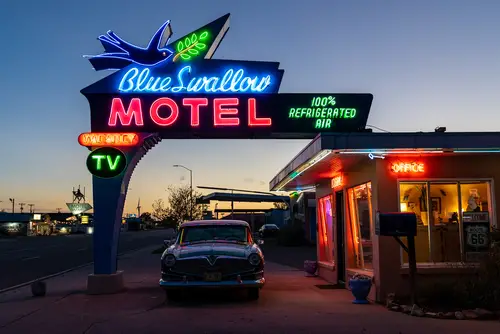
New Mexico offers low housing prices and reasonable utility costs, particularly outside the bigger cities like Albuquerque and Santa Fe. Cultural richness and natural beauty make it initially appealing. However, the state struggles with crime in urban areas and limited job opportunities in many regions.
Healthcare can be hard to access in rural parts of the state, and public schools face challenges in funding and outcomes. Roads and public transportation are limited outside the main urban centers. Poverty rates are high, which affects community resources. Affordable living comes with real-life frustrations that many overlook at first glance.
9. Indiana
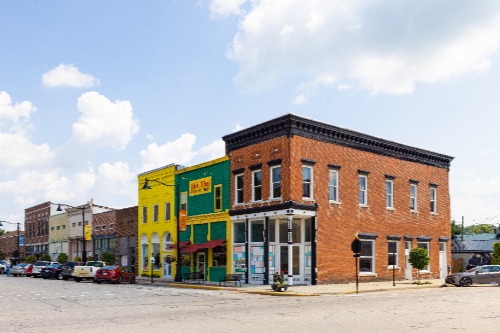
Indiana’s housing market is very affordable, particularly in suburban and rural areas. Groceries, utilities, and gas are all below the national average. Yet, wages are often low, particularly outside Indianapolis, making financial stability tricky for some households.
Public transit options are sparse, and healthcare access varies depending on location. Crime in certain cities can also make cheap neighborhoods feel unsafe. Roads and infrastructure in rural counties sometimes lag behind, complicating daily life. The “cheap and easy” lifestyle isn’t guaranteed here—it depends heavily on where you live.
10. Ohio
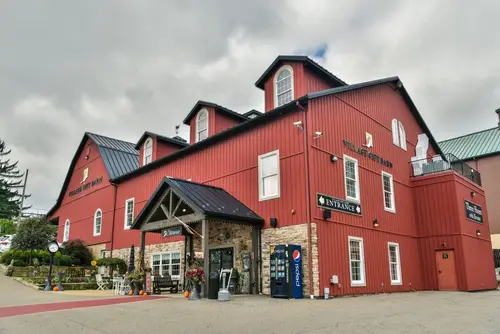
Ohio has low home prices in smaller towns and affordable suburbs, making it attractive for people leaving expensive coastal cities. Utilities and everyday costs are also manageable. However, industrial decline in some regions has left job markets stagnant, particularly for young professionals.
Healthcare quality varies widely depending on your county, and schools often struggle in economically distressed areas. Winters can be harsh, increasing heating bills despite low overall costs. Crime and urban blight in certain cities are real concerns. What starts as a financial win can turn into a balancing act with safety, health, and opportunity.
11. Missouri
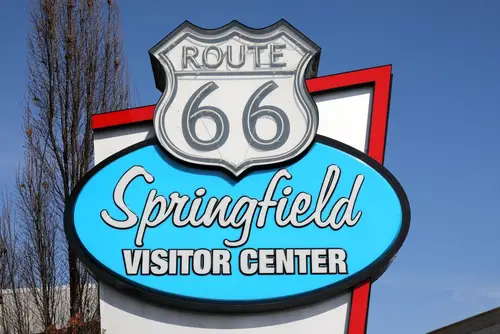
Missouri’s cost of living is low, especially when it comes to housing in towns outside St. Louis or Kansas City. Groceries and gas are also affordable, making day-to-day living easier. But the state experiences high crime rates in some urban areas and healthcare access is uneven.
Rural towns sometimes lack reliable employment options, forcing residents to commute or relocate for better opportunities. Schools are underfunded in several districts, impacting long-term prospects. Severe weather, including tornadoes, adds extra risk. The state proves that cheap living can come with hidden stressors.
12. Tennessee
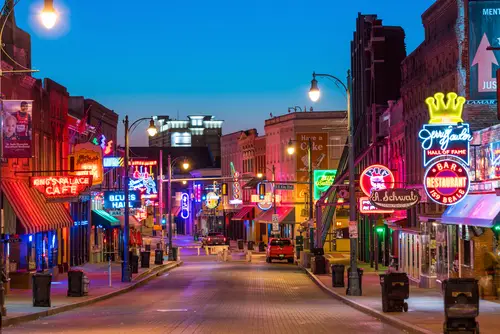
Tennessee boasts affordable housing and low taxes, which initially seems like a perfect combination. Groceries, gas, and utilities are cheaper than the national average. But rural areas face healthcare shortages, and some public schools are under-resourced.
Traffic congestion in cities like Nashville has worsened due to recent population growth, impacting quality of life. Crime rates in certain urban areas can be high, especially in economically challenged neighborhoods. Severe weather like tornadoes and floods also affects safety and insurance costs. Cheap living here often comes with sacrifices in convenience and peace of mind.
13. Michigan

Outside major cities like Detroit and Ann Arbor, Michigan offers cheap housing and low day-to-day expenses. Lakeside towns and small suburbs can feel like bargains. Yet, Michigan’s harsh winters increase heating costs and vehicle maintenance.
Healthcare access is limited in rural areas, and job opportunities can be scarce in towns hit by industrial decline. Some cities face persistent crime issues, making low housing costs a double-edged sword. Infrastructure in rural areas can be underdeveloped. Affordable living often comes paired with lifestyle challenges.
14. Iowa
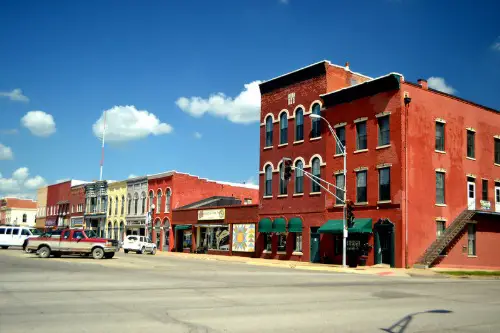
Iowa has low housing costs and a reputation for being affordable for families. Utilities and groceries are cheaper than many neighboring states, adding to the appeal. Still, wages can lag behind costs, especially for younger residents or those in smaller towns.
Healthcare availability is patchy in rural areas, requiring long drives for specialist care. Harsh winters can also drive up heating bills and maintenance costs. Some areas struggle with limited entertainment or cultural amenities. Living cheaply in Iowa often comes with trade-offs in convenience and access.
15. Kansas
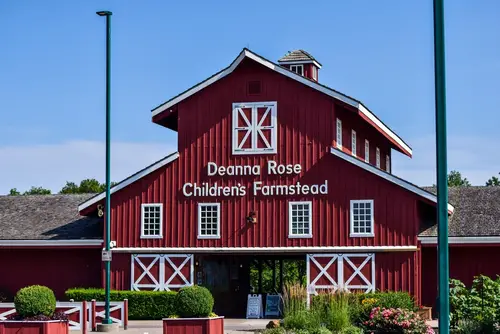
Kansas offers low housing prices and utility costs, particularly outside cities like Wichita. Groceries and gas are affordable, making it easier to live on a tight budget. But rural communities sometimes face economic stagnation and limited job prospects.
Healthcare access can be difficult, especially in western Kansas, where specialist care may be hours away. Severe weather, including tornadoes, adds risk and potential expenses. Schools in some districts are underfunded, limiting educational quality. What seems like an affordable lifestyle can quickly feel challenging once hidden costs and risks are factored in.
This post These 15 States Made Living Cheap—Then Accidentally Made It Miserable was first published on American Charm.