1. Venice, California
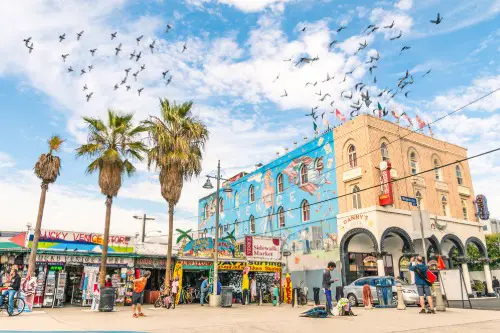
Venice Beach has long been iconic for its skate parks, murals, and bustling boardwalk. But over the years, tourists have crowded its narrow streets, drawn by Instagram-worthy spots and the promise of the “California dream.” Residents complain that what was once a tight-knit artistic community now feels like a permanent theme park. Locals find it harder to shop, park, or even take a walk without running into swarms of visitors.
The influx of tourists has also driven up rents and displaced many longtime residents. Small local businesses struggle to compete with souvenir shops and chain restaurants catering to visitors. Traffic jams and public disturbances have become everyday nuisances. For many, Venice now feels less like home and more like a sightseeing stop.
2. Key West, Florida
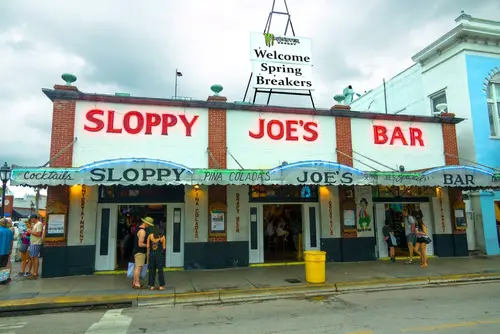
Key West is famous for its pastel-colored houses, sunsets, and quirky history. Tourists flock in droves, especially during cruise ship season, creating a constant crowd on Duval Street. Residents often joke that you’re more likely to see visitors than neighbors. The charm that drew people to live there is being overshadowed by overcrowding and noise.
Housing prices have skyrocketed, forcing many locals to move to the mainland. Seasonal tourism also strains utilities and infrastructure, making day-to-day life frustrating. Even popular events like Fantasy Fest, once a beloved local celebration, now feel overrun. Residents have found themselves living in a city that feels more like a resort than a home.
3. Maui, Hawaii
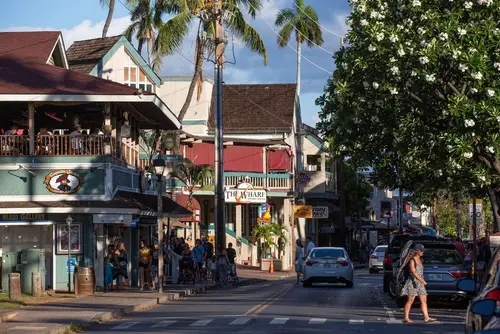
Maui’s beaches, waterfalls, and lush landscapes attract millions each year. While tourism fuels the local economy, residents often face traffic congestion, crowded beaches, and overbooked hospitals. Everyday life becomes challenging when locals must compete for resources with visitors. Affordable housing is another issue, as vacation rentals drive up property costs.
The island’s natural beauty also suffers under heavy foot traffic. Coral reefs are impacted by snorkelers, and hiking trails erode faster than they can recover. Locals have to plan their own recreation around tourist schedules. For many, what was once a serene paradise feels perpetually overrun.
4. Aspen, Colorado
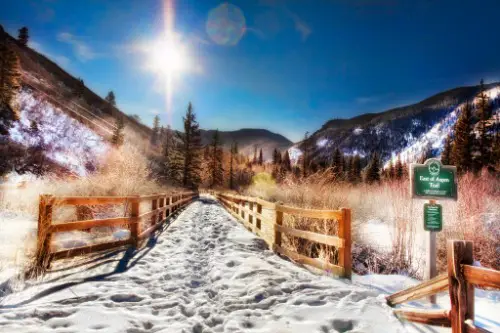
Aspen’s ski slopes draw celebrities and wealthy travelers from around the world. While the tourism economy is thriving, locals often struggle with inflated housing prices. Many workers who make the town run—teachers, shop clerks, and ski instructors—can no longer afford to live nearby. Daily life is dominated by seasonal traffic and crowded restaurants.
Even outside ski season, the town can feel like a resort for outsiders rather than a residential community. Noise, construction, and short-term rentals disrupt neighborhood life. Locals say that Aspen’s charm is now more of a backdrop for luxury tourism. For long-time residents, the town can feel increasingly inaccessible.
5. Santa Monica, California
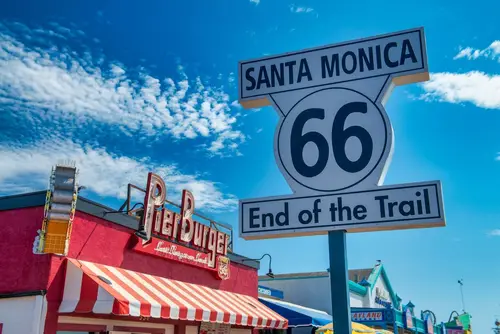
Santa Monica is known for its pier, beach, and vibrant downtown. Tourists flock to the area year-round, creating congestion on streets, beaches, and sidewalks. Locals often struggle to find parking or walk without bumping into visitors. The cost of living has risen, fueled by the demand for short-term rentals and luxury developments.
Neighborhoods have been transformed by souvenir shops, chain restaurants, and hotels catering to outsiders. Traffic and noise pollution are constant complaints. Public spaces that were once relaxed and community-oriented now feel overcrowded. Residents often feel like outsiders in their own city.
6. Mackinac Island, Michigan
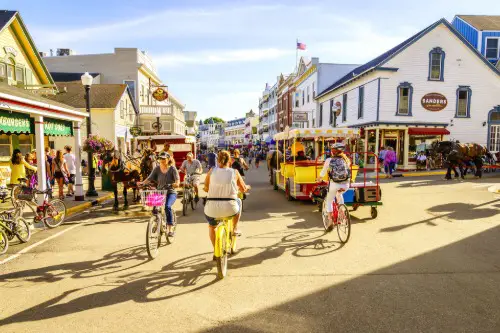
Mackinac Island’s charm lies in its historic buildings and horse-drawn carriages. But the summer tourist rush overwhelms the small community. Streets that are normally quiet become crowded, and the cost of goods and services spikes during peak season. Locals must navigate long lines and busy streets just to get basic errands done.
Housing is also impacted, as seasonal rentals and tourism-focused properties limit affordable options for residents. Year-round shops struggle to survive amid the tourist economy. Locals often feel like their traditions are secondary to visitor experiences. The influx of people makes living there a logistical challenge.
7. Gatlinburg, Tennessee
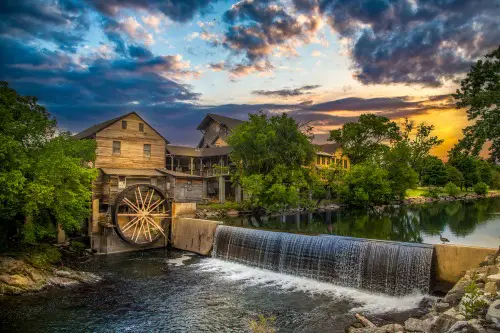
Gatlinburg is the gateway to the Great Smoky Mountains, attracting millions of visitors annually. The surge of tourists has brought traffic jams, crowded restaurants, and overwhelmed infrastructure. Residents say that daily life is consumed by dealing with tourist-related congestion. Safety concerns have risen with more crowded streets and parking chaos.
The cost of living has also increased, and long-time residents find it difficult to maintain local businesses. Housing has been converted into short-term rentals, making affordability a challenge. Natural areas are heavily impacted by overuse and litter. For locals, the city’s scenic beauty now comes with a daily struggle.
8. New Orleans, Louisiana
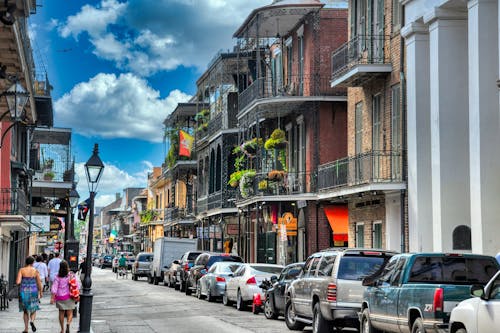
New Orleans’ music, food, and festivals draw huge crowds, especially during Mardi Gras and Jazz Fest. While tourism brings jobs, locals often feel pushed out of their neighborhoods. Streets are packed, and noise from bars and events can last well into the night. Everyday errands can take twice as long with congested roads.
Housing prices have climbed, particularly near French Quarter and other tourist hubs. Many historic homes have been turned into short-term rentals, eroding neighborhood communities. Public resources are stretched during peak tourist seasons. Residents sometimes feel like spectators in their own city.
9. Myrtle Beach, South Carolina
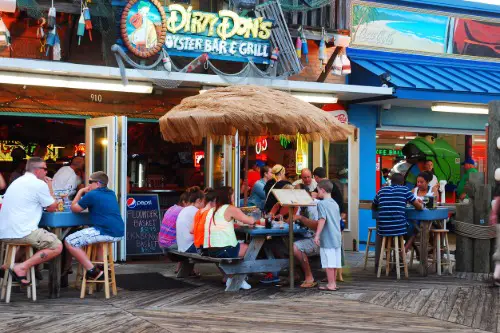
Myrtle Beach is famous for its beaches, boardwalk, and family-friendly attractions. Summer tourism swells the population far beyond the town’s capacity. Locals complain about overcrowded streets, limited parking, and inflated prices for everyday items. The seasonal nature of tourism also creates instability for workers and businesses.
Vacation rentals have replaced long-term housing in many areas, displacing residents. Traffic congestion has become a daily frustration, even outside peak season. Some locals feel their town has lost its original charm. What was once a quiet beach community now feels like a permanent tourist trap.
10. Sedona, Arizona
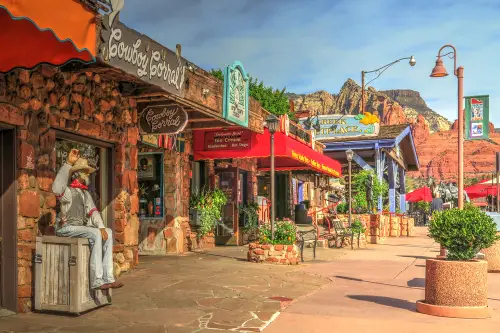
Sedona’s red rock landscapes and vortexes draw tourists seeking both nature and spirituality. While tourism supports galleries and restaurants, locals contend with gridlocked streets and overrun hiking trails. Daily routines are disrupted by parking shortages and crowds at scenic spots. Some residents report that the town feels more like a photo opportunity than a home.
The cost of living has surged due to vacation rentals and tourism-focused development. Natural resources are under pressure, with erosion and littering affecting the environment. Residents sometimes feel overlooked by city planning prioritizing visitors. For many, Sedona’s beauty comes at the price of convenience and tranquility.
11. Santa Fe, New Mexico
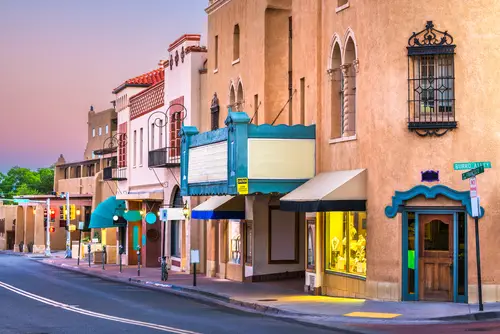
Santa Fe is renowned for its art scene, adobe architecture, and cultural festivals. Tourists flood the downtown plaza, galleries, and markets, particularly during high season. Locals often avoid popular streets because of the congestion. Parking is nearly impossible to find, making errands a time-consuming ordeal.
The housing market has been transformed by short-term rentals and second homes. Rising property costs have pushed many long-term residents out of the city center. Public services can be stretched during major events. The very culture that draws visitors now feels fragile to those who live there year-round.
12. Cape Cod, Massachusetts
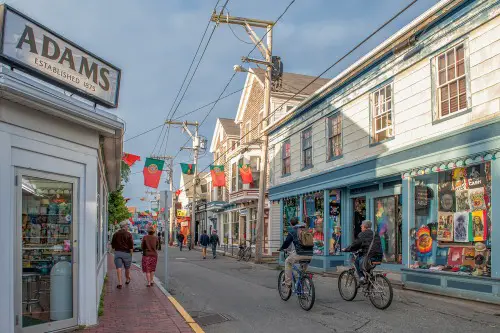
Cape Cod’s beaches, lighthouses, and quaint towns make it a summer hotspot. Visitors overwhelm the small towns during peak season, causing traffic jams and crowded boardwalks. Residents often find that basic services, like grocery stores or gas stations, become inconveniently busy. Seasonal tourism dominates local life for months at a time.
Housing is heavily affected, with short-term rentals pushing up prices. Many locals must move farther inland to find affordable homes. Infrastructure struggles to handle the temporary population spike. What was once a quiet seaside community can feel like a nonstop tourist attraction.
13. Park City, Utah
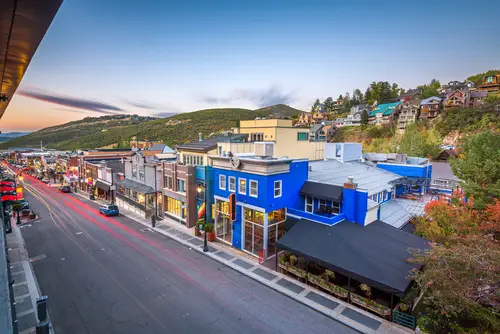
Park City is famous for its ski resorts and the Sundance Film Festival, drawing crowds year-round. While tourism boosts the local economy, it has made housing nearly impossible for many residents. Workers who support the tourism industry often commute long distances just to afford rent. Crowded slopes and downtown streets during peak season make daily life feel hectic.
Local businesses sometimes cater more to visitors than to residents, shifting the character of the community. Traffic and parking are constant headaches, especially during festivals. Seasonal employment creates instability for those who live there full-time. For many locals, the town’s charm is tempered by the realities of living in a tourist hotspot.
14. Niagara Falls, New York
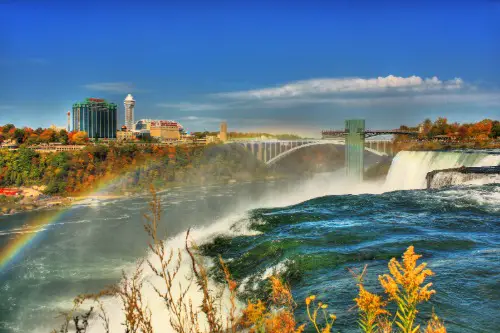
Niagara Falls attracts millions of visitors drawn to the famous waterfalls and attractions like boat tours and casinos. Residents face year-round crowds, noise, and traffic congestion in what is otherwise a small city. Public spaces often feel dominated by visitors, and locals report difficulty enjoying their own waterfront. Housing costs have risen in tourist-heavy areas, making affordability a challenge.
Local infrastructure is stretched, from parking lots to public transportation. The constant flow of visitors can make simple errands or outings stressful. Businesses often prioritize tourists over residents, altering the city’s character. For long-time locals, the natural wonder comes with the constant reminder that they live in a perpetual tourist zone.
This post 14 Places Where Tourism Took Over—and Residents Paid the Price was first published on American Charm.