1. Mexico

Mexico has long been the first stop for Americans looking to make retirement savings last longer. Proximity to the U.S., familiar food, and established expat hubs like Lake Chapala and San Miguel de Allende make the transition easier. Healthcare is affordable and high quality in private hospitals, especially in larger cities. Daily costs like groceries, dining out, and domestic help still undercut many U.S. prices.
The math starts to wobble as popular expat towns see housing prices climb and rents dollarize. Mexico has also raised financial requirements for temporary and permanent residency in recent years. Those thresholds can price out retirees relying only on Social Security. Add private insurance premiums that rise with age, and the margin shrinks.
2. Portugal

Portugal drew retirees with a low cost of living, mild climate, and an easygoing lifestyle. Cities like Porto and regions like the Algarve once felt like bargains compared with coastal America. Public healthcare is solid, and private coverage is relatively inexpensive. English is widely spoken, which lowers the friction of daily life.
Rising demand pushed rents sharply higher, especially in Lisbon and the Algarve. Portugal also overhauled its Non-Habitual Resident tax regime, reducing its appeal for newcomers. Visa income requirements have increased alongside housing competition. For many retirees, the numbers no longer look as generous as they did a decade ago.
3. Spain

Spain offers sunshine, walkable cities, and a healthcare system that consistently ranks well. Retirees are drawn to Valencia, Andalusia, and smaller coastal towns where life moves slower. Fresh food, public transit, and utilities can still be cheaper than in the U.S. The culture encourages social living rather than expensive consumption.
Spain’s non-lucrative visa requires proof of substantial passive income, and that bar keeps rising. Housing costs in popular regions have surged with tourism and foreign demand. Wealth taxes and regional tax differences complicate long-term planning. Once taxes and rent are tallied, the savings can evaporate.
4. Costa Rica

Costa Rica appeals to retirees who want political stability and a strong environmental ethos. The pensionado and rentista programs make residency relatively straightforward. Healthcare through the public system is affordable, with private options available. English is common in expat-heavy areas like the Central Valley.
Costa Rica is no longer cheap, especially for housing and imported goods. Rent in popular towns rivals mid-sized U.S. cities. Mandatory enrollment in the public healthcare system adds a fixed monthly cost. For retirees on tight budgets, the numbers often come up short.
5. Panama

Panama built a reputation as a retiree haven with its Pensionado visa and discounts. The U.S. dollar is legal tender, removing currency risk. Modern infrastructure and good private healthcare appeal to urban retirees. Coastal and mountain towns offer varied lifestyles at different price points.
Panama City rents have climbed as the skyline has filled out. Some Pensionado discounts have narrowed or disappeared in practice. Private healthcare costs rise quickly with age and coverage levels. What once felt like a slam-dunk bargain now requires careful budgeting.
6. Thailand

Thailand attracts retirees with low daily expenses, vibrant culture, and excellent private hospitals. Chiang Mai and Hua Hin are especially popular with Americans. Food, transportation, and household services remain inexpensive by U.S. standards. The lifestyle can feel luxurious on a modest income.
Thailand’s retirement visas require age minimums and proof of income or savings. Those financial requirements have increased and are more strictly enforced. Housing costs in expat hubs have risen alongside tourism. When visa rules and rent are factored in, the math tightens.
7. Vietnam

Vietnam is often mentioned for its ultra-low food and service costs. Cities like Da Nang offer beaches, modern apartments, and growing expat scenes. Private healthcare is affordable for routine care. Daily life can be remarkably inexpensive.
Vietnam does not offer a true retirement visa, which complicates long-term stays. Many retirees rely on short-term visas or visa runs. Housing prices in desirable neighborhoods have climbed quickly. Visa uncertainty alone can undo the financial appeal.
8. Philippines

The Philippines draws Americans with widespread English use and cultural familiarity. The Special Resident Retiree’s Visa has long been a selling point. Housing and domestic help can be very affordable outside Manila. Social Security stretches further than it does at home.
SRRV rules and required deposits have changed, raising upfront costs. Healthcare quality varies widely by location. Imported goods and utilities can be more expensive than expected. Once healthcare and visa costs are added, savings shrink.
9. Malaysia

Malaysia appeals with modern cities, good healthcare, and diverse food. Kuala Lumpur offers urban comfort at lower prices than many Western cities. English is commonly used in business and healthcare. The lifestyle feels easy for newcomers.
Malaysia tightened its MM2H visa program with higher income and asset requirements. Those changes reduced accessibility for middle-income retirees. Housing costs in prime neighborhoods have risen. The visa math now stops many plans cold.
10. Ecuador

Ecuador became popular for its low costs and use of the U.S. dollar. Cities like Cuenca built strong expat communities. Residency options are relatively clear compared with some neighbors. Healthcare is affordable and accessible.
Inflation and foreign demand have pushed rents higher. Security concerns have also increased in recent years. Residency income requirements are tied to the minimum wage and rise over time. For some retirees, the value proposition has weakened.
11. Colombia

Colombia offers lively cities, good private healthcare, and favorable exchange rates. Medellín in particular has attracted American retirees. Rent and services can be inexpensive compared with the U.S. The climate reduces heating and cooling costs.
Popular neighborhoods have seen rapid rent increases. Visa income requirements are linked to the minimum wage and keep climbing. Currency swings can cut into fixed-dollar incomes. Over time, the savings often narrow more than expected.
12. Belize
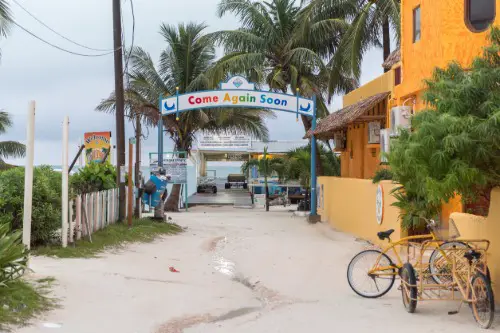
Belize attracts Americans who want a Caribbean setting without learning a new language. English is the official language, and the Qualified Retired Persons program offers a clear residency path for those with steady income. Beach towns like Ambergris Caye and Placencia have small but established expat communities. The currency’s long-standing peg to the U.S. dollar reduces exchange-rate surprises.
Costs rise quickly once retirees look beyond the brochure. Imported groceries, vehicles, and household goods carry noticeable premiums. Property prices in desirable coastal areas have climbed with foreign demand. When higher living expenses and healthcare travel are factored in, the math can get tight.
13. Italy

Italy tempts retirees with regional food, historic towns, and a public healthcare system that ranks well globally. Southern regions such as Puglia and Calabria promote low-cost homes to lure foreign buyers. Daily life in smaller towns can be less expensive than in major U.S. metros. A favorable flat-tax regime for some foreign retirees has added to the appeal.
Bureaucracy can be slow, and visa income thresholds require careful documentation. Property taxes, renovation costs, and utility bills often exceed initial estimates. Popular areas have seen prices rise as international buyers compete for limited housing. Once taxes and ongoing maintenance are included, the savings narrow.
14. Greece
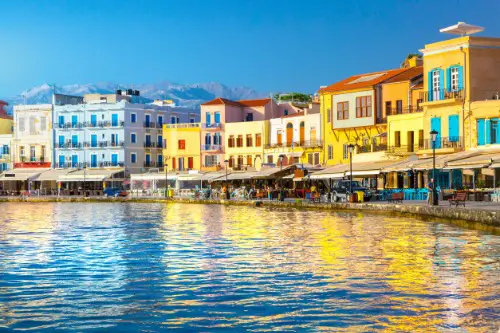
Greece draws retirees with island living, sunny weather, and comparatively affordable real estate. The country has promoted residency-by-investment and tax incentives for foreign pensioners. Tavern meals, local produce, and modest rents outside tourist centers can look like bargains. A relaxed pace of life appeals to Americans leaving high-cost cities.
Housing prices in Athens and well-known islands have increased sharply. Bureaucratic hurdles and changing tax rules complicate long-term planning. Private healthcare and supplemental insurance add recurring expenses. Add in rising utility costs, and the retirement budget can feel less forgiving.
15. Uruguay

Uruguay has a reputation for political stability and a straightforward residency process. Montevideo offers reliable infrastructure and a strong public healthcare system. The country’s social policies and safety record reassure cautious retirees. For those earning in dollars, early calculations can look reasonable.
Uruguay is one of South America’s more expensive countries. Imported goods, dining out, and coastal real estate can rival U.S. prices. Taxes on worldwide income may apply after residency is established. Over time, many retirees find the cost gap smaller than expected.
16. Dominican Republic

Dominican Republic appeals to Americans seeking beachfront living at lower headline prices. Gated communities and condo developments cater to foreign retirees. The residency process is relatively accessible for those with documented income. Daily expenses outside resort zones can be modest.
Healthcare quality varies significantly by region, often pushing retirees toward private clinics. Insurance premiums increase with age and coverage needs. Property maintenance and hurricane preparedness add ongoing costs. When those factors are added up, the bargain can erode.
17. France

France offers a celebrated healthcare system and a lifestyle centered on food and community. Smaller cities and rural areas can be less expensive than Paris while still providing strong services. Long-stay visas are available to retirees who meet income requirements. Public transportation reduces the need for car ownership in many regions.
Income thresholds for visas require reliable passive earnings. Taxes and social charges can apply to foreign income depending on residency status. Real estate in desirable regions has appreciated steadily. After accounting for taxes and housing, the savings may be slimmer than anticipated.
18. Indonesia

Indonesia attracts retirees to Bali with its tropical climate and relatively low daily costs. Private villas and domestic help can appear affordable compared with U.S. standards. Expat communities offer social networks and English-speaking services. Routine expenses like local food and transportation remain inexpensive.
Retirement visas come with age and income requirements that can change. Healthcare for serious conditions often requires travel to Singapore or home countries. Rental prices in popular areas have risen with tourism demand. Factoring in visa renewals and medical travel can strain a fixed income.
19. Albania

Albania has emerged as a budget-friendly option along the Adriatic coast. Americans can stay up to a year without a visa, simplifying short-term retirement experiments. Rents and restaurant meals remain low compared with Western Europe. Coastal cities like Sarandë and Vlorë are building modest expat scenes.
Long-term residency rules are less tested for retirees. Healthcare infrastructure is limited outside major cities. Property standards and legal processes require extra due diligence. As demand grows, housing costs are already ticking upward.
20. Turkey

Turkey offers Mediterranean beaches and historically favorable exchange rates. Cities like Antalya and Izmir provide modern apartments at prices below many U.S. metros. Private healthcare is accessible and competitively priced. Everyday expenses can feel manageable for dollar earners.
Currency volatility cuts both ways and complicates budgeting. Inflation has pushed up rents and utility costs in major cities. Residency permits require proof of income and ongoing renewals. When economic swings are added to fixed retirement income, the math becomes unpredictable.
21. Croatia

Croatia appeals with Adriatic coastline living and well-preserved historic towns. The country introduced a digital nomad residence permit that raised its profile among foreigners. Smaller inland cities can still offer moderate rents. Public healthcare is available to residents who contribute to the system.
Croatia uses the euro, removing currency advantages for Americans. Coastal property prices have climbed with tourism and foreign investment. Residency pathways for retirees are narrower than in some neighboring countries. Once euro-denominated costs are tallied, the financial cushion can thin quickly.
This post Americans Move to These Countries to Stretch Retirement Dollars—Until the Math Stops Working was first published on American Charm.