
1. Boeing
For decades, Boeing stood for engineering excellence and an almost obsessive safety culture. In recent years, repeated manufacturing defects, production halts, and high-profile aircraft quality issues have damaged that reputation. Critics often cite aggressive cost-cutting and management decisions following the McDonnell Douglas merger as a turning point. Despite this, many Americans still defend Boeing because it symbolizes national aerospace leadership and industrial capability.
Supporters argue that Boeing’s planes remain fundamentally safe, even if quality control has slipped. Aviation professionals often point out that regulatory scrutiny is now higher than ever. The company’s deep ties to the U.S. military and airline industry reinforce loyalty. For many, defending Boeing feels like defending an American cornerstone rather than excusing corporate mistakes.
2. McDonald’s
McDonald’s built its reputation on cheap, fast, and predictable food. Over time, customers have complained about smaller portions, higher prices, and declining food quality. Menu complexity and franchise cost pressures have also slowed service in many locations. Even so, people continue to defend McDonald’s as a dependable fallback option.
Fans argue that McDonald’s still delivers consistency unmatched by most competitors. The brand is deeply tied to childhood memories, road trips, and late-night meals. Many believe criticism ignores how inflation has affected every fast-food chain. For loyalists, McDonald’s is about familiarity, not culinary excellence.
3. Starbucks
Starbucks once sold an experience built around carefully crafted coffee and personalized service. Rapid expansion has led to complaints about burnt espresso, rushed baristas, and inconsistent drink quality. Automation and drive-thru prioritization have diluted the café atmosphere. Yet customers frequently defend Starbucks as a reliable daily habit.
Supporters say Starbucks offers predictability across thousands of locations. The rewards program and customization options still feel unmatched to many regulars. For busy customers, speed now matters more than artistry. Defending Starbucks often comes down to convenience outweighing disappointment.
4. Nike
Nike earned its reputation through innovation, athlete partnerships, and durable sportswear. In recent years, some consumers report declining material quality and rising prices. Mass production and frequent product drops have replaced a focus on long-lasting gear. Despite this, Nike loyalists remain vocal.
Many defend Nike by pointing to its cultural influence and athletic credibility. The brand still dominates professional sports and major endorsements. Fans argue that performance remains competitive even if durability has slipped. For some, Nike represents motivation and identity more than fabric quality.
5. Levi’s
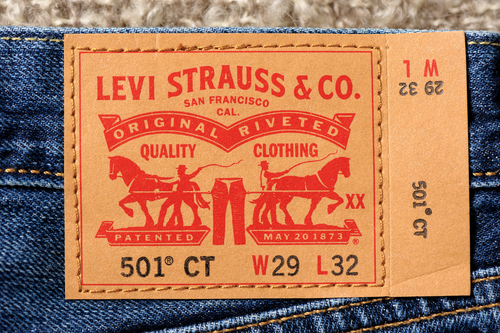
Levi’s jeans were once known for rugged durability and long-term wear. Modern Levi’s products are often criticized for thinner denim and inconsistent sizing. Changes in manufacturing and fabric blends have affected longevity. Still, Levi’s continues to enjoy strong brand loyalty.
Defenders argue that Levi’s offers a wide range of fits and styles unmatched by competitors. The brand’s history in American workwear gives it cultural credibility. Many customers value the iconic look more than lifespan. Wearing Levi’s still feels like wearing a piece of Americana.
6. Ford
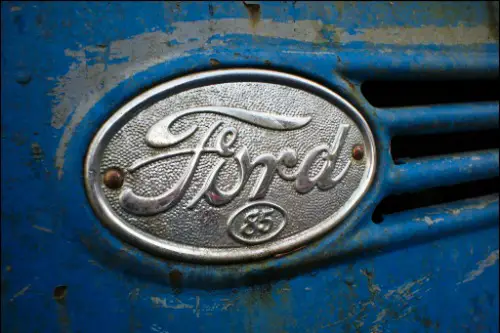
Ford has been a pillar of American manufacturing for more than a century. Recent years have brought quality complaints involving recalls, software issues, and inconsistent build quality. Rapid shifts toward electric vehicles have strained production systems. Even so, Ford maintains a loyal customer base.
Supporters emphasize Ford’s willingness to innovate and take risks. Trucks like the F-Series remain top sellers and cultural symbols. Many customers have generational loyalty tied to family vehicles. Defending Ford often reflects pride in domestic manufacturing rather than perfection.
7. Disney
Disney once stood for meticulous storytelling and high production standards. Critics now point to rushed content, overused franchises, and declining theme park value. Streaming demands have stretched creative resources thin. Despite this, Disney fans remain fiercely protective.
Defenders argue that Disney still produces moments of magic at scale. Nostalgia plays a huge role in how people perceive the brand. Parents trust Disney more than most entertainment companies. For many, criticizing Disney feels like attacking childhood itself.
8. Amazon
Amazon built its empire on convenience, low prices, and fast delivery. Shoppers now report counterfeit products, declining customer service, and inconsistent quality. Marketplace sprawl has made product trust harder to maintain. Yet millions still defend Amazon daily.
Supporters argue that no company matches Amazon’s logistical efficiency. Returns remain relatively easy compared to competitors. For busy households, convenience outweighs quality concerns. Defending Amazon often comes down to practicality over principle.
9. Harley-Davidson
Harley-Davidson motorcycles were once synonymous with craftsmanship and durability. Some riders now criticize modern models for reliability issues and high prices. The brand has struggled to attract younger riders without alienating its base. Still, Harley loyalty runs deep.
Fans defend Harley as a lifestyle brand, not just a motorcycle maker. The sound, design, and community remain unmatched. Many argue maintenance issues are overstated or rider-dependent. Owning a Harley still signals identity more than engineering specs.
10. Craftsman
Craftsman tools were historically known for durability and a lifetime warranty. After ownership changes, customers noticed declining build quality and outsourced manufacturing. Some tools no longer hold up under heavy use. Despite this, the Craftsman name still carries weight.
Defenders point to improved availability and lower prices. The warranty remains a major selling point for casual users. Many consumers trust the brand based on past experience. For them, Craftsman’s reputation hasn’t fully caught up with reality.
11. Kellogg’s
Kellogg’s cereals were once staples known for consistent quality and value. Over time, consumers have complained about recipe changes, smaller boxes, and higher prices. Cost-cutting and reformulations have altered familiar flavors. Even so, many people still defend the brand.
Supporters argue that taste is subjective and nostalgia shapes perception. Kellogg’s remains deeply tied to childhood breakfasts. The brand still dominates grocery shelves nationwide. For loyal buyers, emotional attachment outweighs gradual decline.
This post American Brands People Defend Even as Quality Collapses was first published on American Charm.

