
1. Branson, Missouri
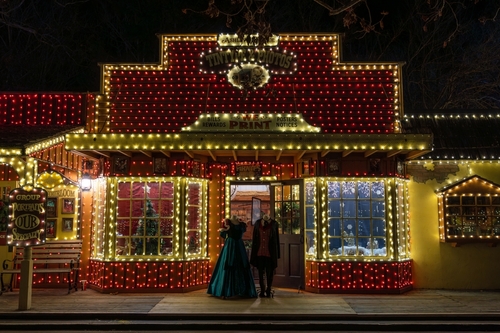
Branson built its reputation on live music and family-friendly entertainment in the Ozarks. Over time, that focus ballooned into a dense strip of theaters, amusement rides, and oversized signage. The landscape is now cluttered with replicas, go-kart tracks, and flashy attractions competing for attention. What once felt quaint now feels relentlessly busy.
The town leaned heavily into monetizing nostalgia and wholesomeness. In doing so, it replaced local charm with a manufactured version of Americana. Visitors often feel funneled from one ticketed attraction to another. The surrounding hills remain peaceful, but the town center no longer reflects them.
2. Gatlinburg, Tennessee
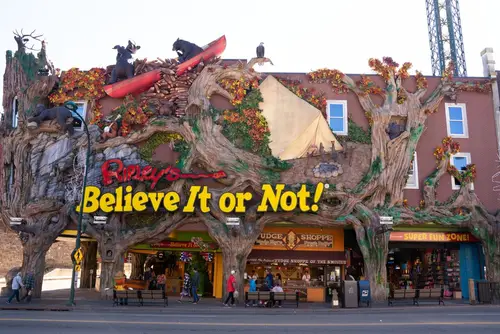
Gatlinburg sits at the front door of Great Smoky Mountains National Park, which should make it feel like a cozy mountain gateway. Instead, its main strip is dominated by neon-lit attractions, chain restaurants, and souvenir megastores. Traffic congestion during peak seasons can turn a five-minute drive into an hour-long crawl. The natural beauty nearby still shines, but the town itself often feels overwhelmed by commercial noise.
The drive to monetize every visitor has gradually diluted Gatlinburg’s Appalachian character. Family-owned businesses have increasingly been replaced by large hotels and ticketed attractions. Many travelers spend more time navigating crowds than exploring the mountains. The town now feels less like a gateway to nature and more like a roadside entertainment complex.
3. Lake George, New York
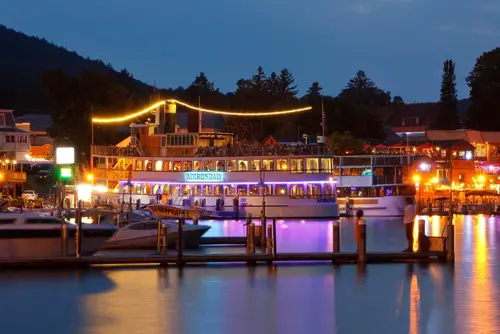
Lake George was once known as the “Queen of American Lakes,” prized for its clear water and mountain views. The village area has since become crowded with souvenir shops, arcades, and seasonal attractions. Lakeside views are frequently blocked by commercial buildings and signage. During summer, the town can feel more like a boardwalk than a mountain retreat.
The push to extract maximum tourist spending reshaped the waterfront. Historic inns and quieter public spaces gave way to parking lots and gift shops. Short-term crowds replaced longer, slower stays. The lake remains beautiful, but the village struggles to match it.
4. Wisconsin Dells, Wisconsin
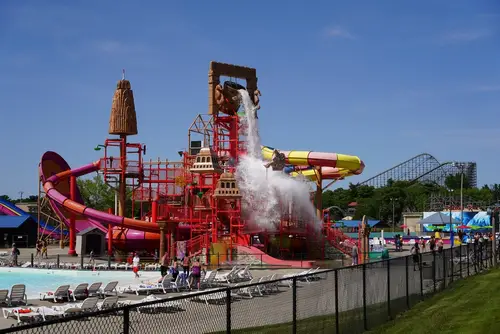
Wisconsin Dells started as a scenic river destination famous for sandstone formations. It later branded itself as the “Waterpark Capital of the World,” transforming the town’s identity. Massive indoor and outdoor waterparks now dominate the skyline. Natural attractions often feel secondary to resort marketing.
The town’s economy became deeply tied to high-volume tourism. Local character was sidelined in favor of enclosed attractions that keep visitors spending on-site. Many travelers never see the river that made the town famous. The Dells gained profitability but lost balance.
5. Key West, Florida
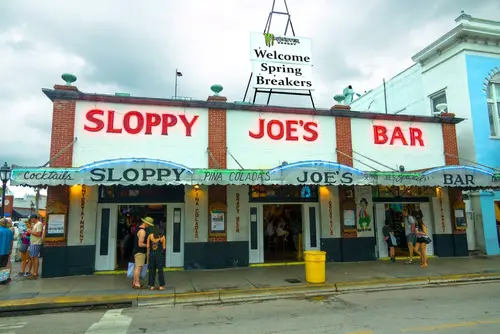
Key West once felt like an eccentric, laid-back island with a strong artistic streak. Today, much of Duval Street is lined with bars, t-shirt shops, and cruise-oriented retail. The town can feel overrun when ships dock, overwhelming narrow streets. Its historic architecture competes with party-centric branding.
The island monetized its free-spirited reputation aggressively. Longtime residents have been priced out by tourism-driven real estate costs. Many businesses now cater almost exclusively to short-term visitors. The charm survives in pockets, but it takes effort to find.
6. Helen, Georgia
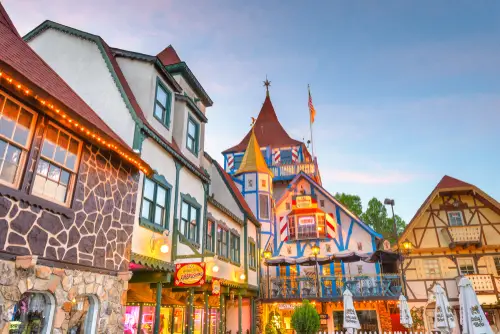
Helen was transformed into a Bavarian-style village in the 1960s to boost tourism. While initially successful, the theme became increasingly commercialized. Alpine façades now house candy shops, chain restaurants, and souvenir stores. The aesthetic often feels more theme park than cultural homage.
The town leaned hard into selling a packaged experience. Authentic local culture took a back seat to costume and novelty. Crowds swell during Oktoberfest and summer tubing season. What started as a clever revival became a caricature.
7. Niagara Falls, New York
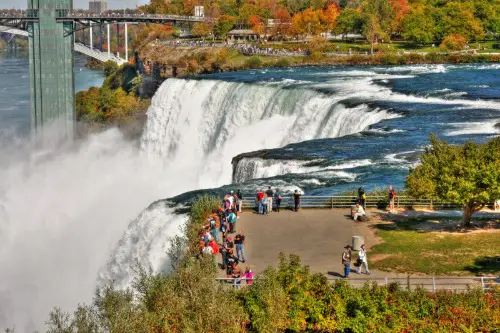
Niagara Falls is one of the most powerful natural attractions in the country. The surrounding town, however, is packed with arcades, haunted houses, and flashy entertainment venues. The contrast between the falls and the built environment is jarring. Visitors often have to pass through clutter to reach the view.
Efforts to monetize every possible angle of the falls reshaped the area. Tourist traps line routes that could have highlighted history or nature. Many businesses feel disconnected from the place itself. The spectacle of the falls endures despite the town around them.
8. Leavenworth, Washington
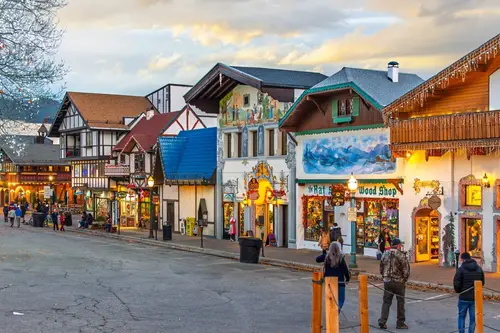
Leavenworth reinvented itself as a Bavarian village nestled in the Cascades. While charming at first glance, the theme has become heavily commercialized. Nearly every storefront sells themed merchandise, food, or beer. Crowds can overwhelm the small town during peak seasons.
The town’s economy now depends almost entirely on maintaining the illusion. Housing costs have risen, pushing workers farther away. Seasonal tourism dictates daily life for residents. The setting remains stunning, but the experience can feel staged.
9. Pigeon Forge, Tennessee
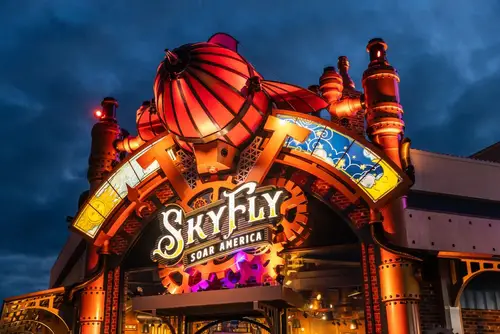
Pigeon Forge sits near the Smokies but feels far removed from them. The town is packed with dinner theaters, outlet malls, and amusement rides. Attractions like large museums and go-kart tracks dominate the roadside. Nature feels like an afterthought.
The town capitalized on spillover tourism from nearby national parks. In doing so, it doubled down on high-traffic entertainment. Local identity was replaced with mass appeal. The result is profitable but indistinct.
10. South Lake Tahoe, California
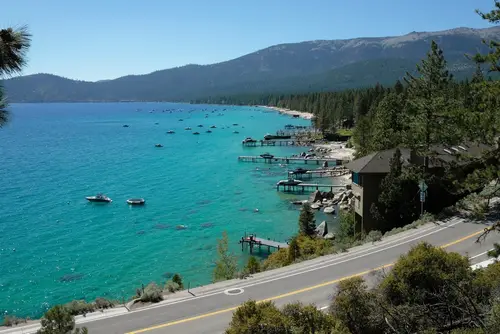
South Lake Tahoe was once a relaxed alpine resort town. Over time, casinos, large hotels, and nightlife reshaped its core. Traffic and congestion are common during ski and summer seasons. The lake’s clarity contrasts with the urban feel nearby.
Tourism dollars drove expansion without restraint. Public access to the shoreline became limited in places. Many visitors experience Tahoe through parking garages and lobbies. The natural beauty persists, but the town feels strained.
11. Sedona, Arizona
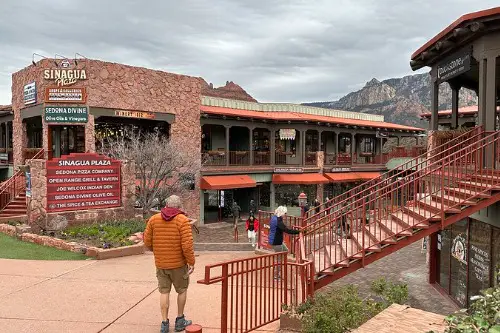
Sedona is known for red rock formations and spiritual tourism. Its main commercial areas are crowded with crystal shops, jeep tour offices, and souvenir stores. Traffic bottlenecks are frequent on roads meant for smaller volumes. The town often feels oversold.
The monetization of mysticism became a defining feature. Many businesses cater to quick spiritual consumption rather than reflection. Housing affordability has declined for locals. Sedona remains visually stunning but increasingly commercial.
12. Williamsburg, Virginia
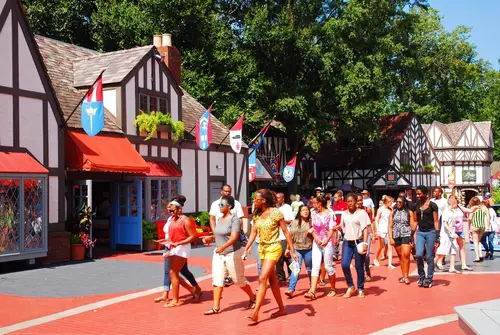
Williamsburg’s historic district is carefully preserved and immersive. Outside it, however, commercial sprawl took hold. Tourist-oriented shopping centers and themed attractions surround the area. The contrast can be disorienting.
The town leaned heavily into history as a product. Some experiences feel more scripted than educational. Independent local culture struggles to compete. The result is history packaged for consumption.
13. Deadwood, South Dakota
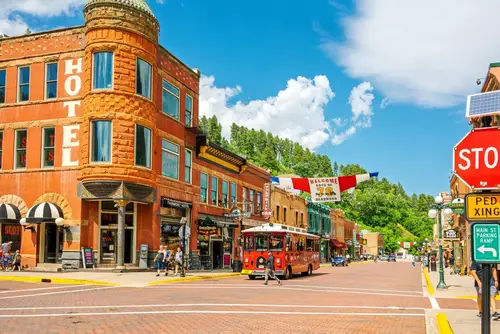
Deadwood has genuine Wild West history tied to figures like Wild Bill Hickok. Today, casinos dominate the town’s economy. Historic buildings are filled with slot machines and gaming floors. The frontier story often feels secondary.
Legalized gambling reshaped the town’s priorities. Tourism became focused on gaming rather than heritage. Museums exist but compete with flashing lights. Deadwood preserved structures but altered spirit.
14. Santa Cruz, California
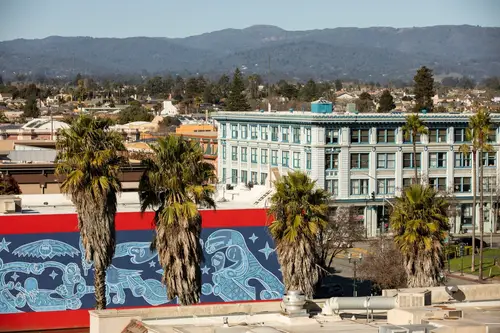
Santa Cruz once balanced surf culture with a laid-back coastal vibe. The boardwalk became the town’s defining feature, drawing heavy crowds. Chain retail and seasonal attractions dominate the beachfront. Local neighborhoods feel disconnected from the tourist core.
The town monetized its beach image intensely. Housing costs surged alongside tourism demand. Small businesses struggle near high-traffic zones. The ocean remains timeless, but the town’s identity feels fragmented.
This post These 14 Towns That Destroyed Their Charm Trying to Monetize It was first published on American Charm.

