
1. Nashville
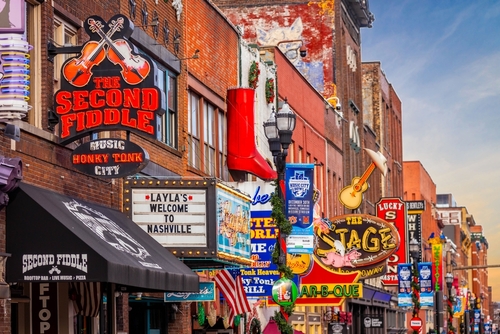
Nashville’s creative boom attracted artists, tech workers, and entrepreneurs. Tourism and entertainment jobs often pay inconsistently. Housing costs jumped as demand surged. Many locals found themselves priced out of stability.
People hustle across gigs with little safety net. The city markets fun but delivers exhaustion. Workweeks stretch into weekends. Burnout arrives disguised as opportunity.
2. New York City
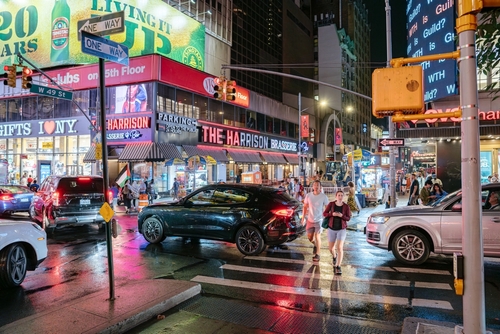
New York City glorifies the grind like a badge of honor. Finance, media, fashion, and startups all reward being available at all hours. The cost of living forces people to stack jobs, side hustles, and roommates well into adulthood. At some point, ambition turns into pure survival mode.
Many people don’t quit New York because they fail, but because they succeed and still feel exhausted. Long commutes and unpredictable schedules eat away at personal time. Even high earners report feeling financially fragile due to rent and childcare. The city eventually asks more than it gives back.
3. Los Angeles

Los Angeles hustle culture thrives on the promise of “breaking in.” Entertainment, influencer work, and freelance creative jobs rarely come with stability. People juggle gigs across a sprawling city that requires hours in traffic every day. The constant auditioning, literal or metaphorical, wears people down.
LA also quietly demands wealth to sustain uncertainty. Health insurance, housing, and transportation costs punish anyone without a steady paycheck. Many talented people leave after years of near-misses. The dream doesn’t die loudly here, it just fades out.
4. Seattle
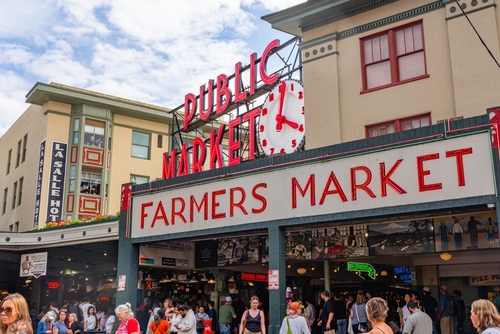
Seattle’s grind is quieter but just as intense. Tech dominates the economy, and long work hours are often framed as intellectual dedication. Rapid growth pushed housing prices far beyond what many locals expected or planned for. The pressure to keep earning never really lets up.
Burnout in Seattle often looks like people leaving tech entirely. Workers report emotional exhaustion from constant optimization and performance metrics. The city’s gray winters can amplify stress and isolation. Eventually, many decide the compensation no longer justifies the lifestyle.
5. Austin
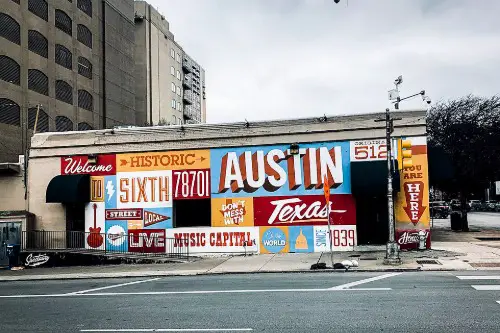
Austin sold itself as a cheaper, cooler tech hub. The influx of companies and remote workers quickly drove up housing costs. Service workers and creatives were priced out of the very culture they built. The hustle became about staying, not getting ahead.
Many residents took on extra work to keep up with rising rents and property taxes. Traffic worsened, and commutes lengthened without matching infrastructure. What once felt relaxed began to feel frantic. The burnout came from watching a laid-back city demand big-city energy.
6. Denver
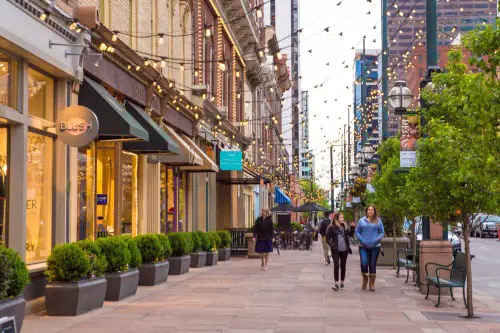
Denver attracts people chasing both careers and quality of life. Tech, aerospace, and remote work all boomed at once. Housing prices surged faster than wages in many sectors. The outdoor lifestyle became harder to afford and enjoy.
People here often work extra hours to justify living near the mountains. Side hustles became common just to maintain a middle-class life. When free time disappears, so does the reason many moved here. The hustle undermined the city’s biggest promise.
7. San Jose
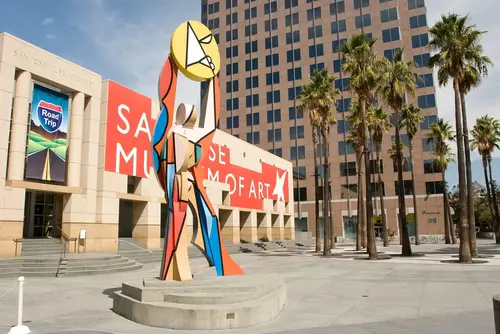
San Jose sits at the center of Silicon Valley’s pressure cooker. Many workers earn high salaries but face extreme housing costs. Long commutes and demanding jobs leave little room for rest. The city itself offers few cultural outlets to offset the grind.
Burnout here often feels invisible because everyone assumes privilege cancels stress. People delay families, homeownership, and downtime indefinitely. Work becomes the organizing principle of life. Eventually, even high compensation stops feeling like enough.
8. Boston
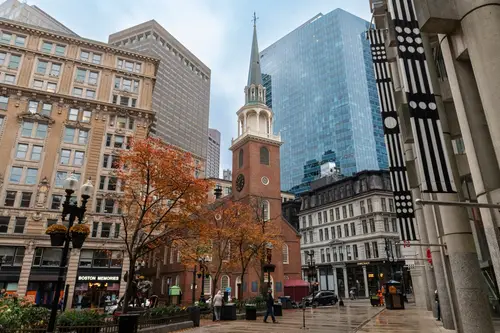
Boston’s hustle culture is built around prestige industries. Tech, biotech, finance, and higher education demand long hours and constant credentialing. Housing costs rival larger cities despite smaller pay ceilings for many roles. Competition starts early and never really ends.
Many workers burn out chasing incremental status gains. Long winters and dense neighborhoods can intensify stress. The city rewards endurance more than balance. Over time, people realize they’re tired of always proving themselves.
9. Washington, D.C.
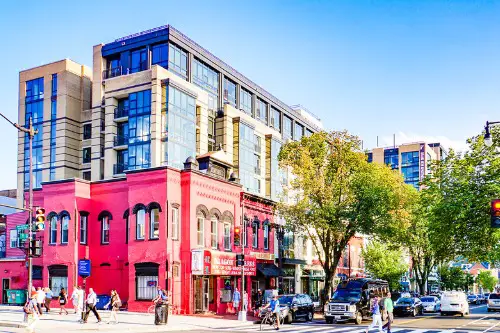
Washington, D.C. runs on ambition and proximity to power. Government, policy, law, and nonprofit work all blur the line between job and identity. Long hours are justified as “mission-driven.” Pay often fails to match the emotional investment.
Burnout here frequently shows up as cynicism. People arrive wanting to make change and leave feeling used up. Networking never really turns off. The hustle breaks people by turning ideals into overtime.
10. Chicago
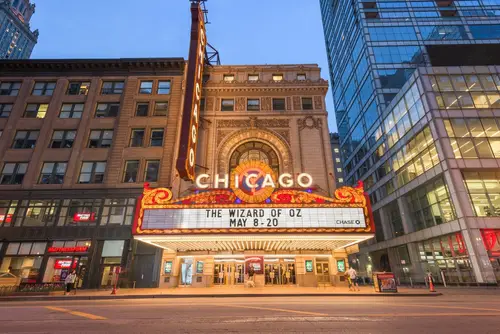
Chicago offers big-city opportunity without coastal branding. Finance, consulting, and corporate roles still demand relentless schedules. Rising rents and property taxes pressure even solid middle incomes. The grind is quieter but constant.
Many professionals here hit burnout in their thirties. Winters limit outdoor relief, making work feel even more central. People stay late because it’s expected, not because it’s meaningful. Eventually, they question what all the effort is for.
11. Miami
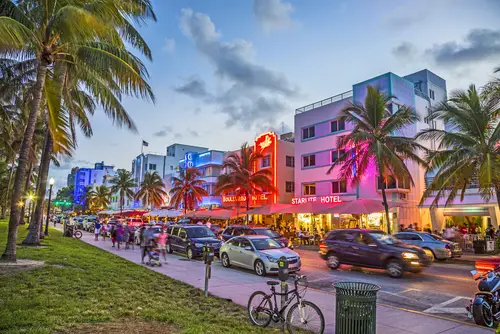
Miami’s hustle culture blends finance, real estate, nightlife, and social media. Many jobs rely on networking, image, and constant availability. Wages lag behind soaring housing and insurance costs. People work multiple angles just to stay afloat.
The city’s flashy success stories hide widespread instability. Long hours don’t always translate into security. Burnout comes from maintaining appearances under financial stress. The grind feels endless and unpredictable.
12. Atlanta
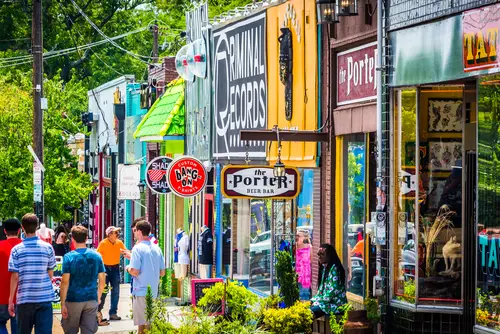
Atlanta’s growth created opportunity and pressure at the same time. Entertainment, tech, and logistics expanded rapidly. Housing prices rose faster than local wages in many neighborhoods. Traffic turned normal workdays into endurance tests.
Many residents juggle side businesses to keep pace. Hustle culture is celebrated as resilience. Rest is often framed as laziness. Over time, people feel trapped in constant motion.
13. Dallas
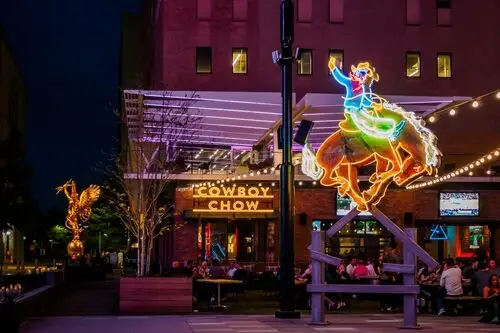
Dallas rewards ambition but expects total commitment. Corporate, finance, and real estate roles emphasize long hours and constant availability. Sprawl increases commute times dramatically. Work seeps into every part of the day.
Burnout here often comes from lifestyle inflation tied to career success. Bigger houses and longer drives demand higher income. People work more to support the life work created. The cycle is hard to break.
14. San Francisco
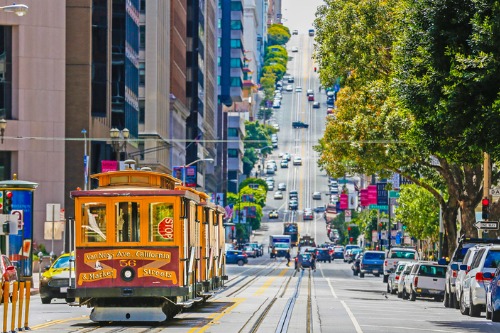
San Francisco built its reputation on all-night coding sprints and “change the world” startups. The problem is that rent, childcare, and basic services climbed faster than salaries for most workers. People chased equity that never vested or evaporated in layoffs. Eventually, the math stopped working for anyone without a major exit.
Burnout here often shows up as tech workers leaving mid-career, not just juniors flaming out. Long hours were normalized because everyone believed the payoff was imminent. When the IPO window slammed shut, so did that illusion. What remained was one of the country’s most expensive cities and a workforce running on fumes.
15. Phoenix
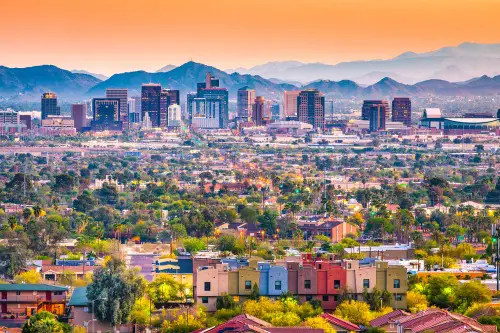
Phoenix became a magnet for transplants seeking affordability. Rapid growth drove up rents and home prices. Many jobs still offer relatively modest wages. Extreme heat limits outdoor recovery time for much of the year.
Residents often take on extra work to offset rising costs. Commutes are long and car-dependent. The grind feels amplified by the environment. Eventually, people realize they’re working harder than expected just to maintain ground.
This post 15 Cities Where Hustle Culture Finally Broke People was first published on American Charm.

