
1. Reno, Nevada
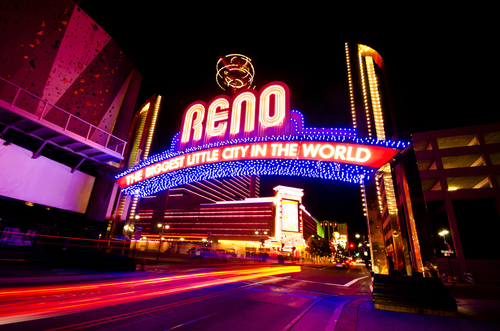
Reno has grown quickly, but its economy remains narrowly focused. Logistics, warehousing, manufacturing support, and gaming account for a large share of jobs. While tech-adjacent companies have arrived, they employ relatively small workforces. The diversity needed for frequent career pivots still hasn’t caught up.
Many workers find advancement tied to operational roles rather than strategic ones. Professional services like marketing, finance, and legal are present but thin. When one sector slows, alternative options are limited. Reno can feel like a stepping stone that becomes sticky.
2. Las Vegas, Nevada
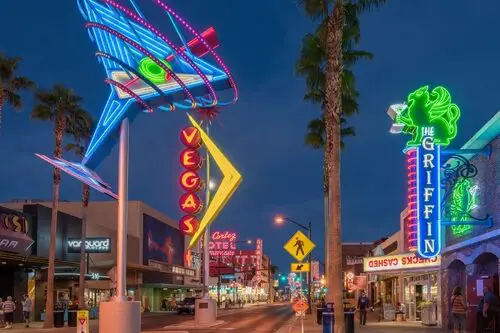
Las Vegas is famous for reinvention, but most careers still orbit tourism, gaming, and hospitality. If you’re not in hotels, entertainment, construction, or a casino-adjacent vendor role, options thin quickly. Corporate headquarters, R&D offices, and diversified professional services are relatively scarce for a metro of its size. That makes lateral career moves harder without leaving town.
People often discover that advancement means moving up within one massive employer rather than switching industries. Skills gained in gaming operations or hospitality management don’t always translate cleanly elsewhere. During economic downturns, layoffs tend to hit many employers at once because they’re tied to the same visitor economy. Over time, that concentration can quietly narrow long-term career flexibility.
3. Orlando, Florida
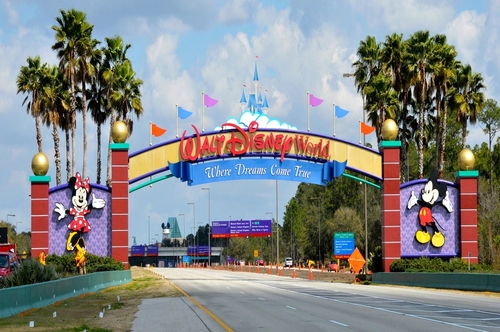
Orlando’s economy is dominated by theme parks, tourism, and convention-driven hospitality. These sectors create a high volume of jobs, but they cluster around a limited set of skills and employers. White-collar roles in finance, tech, or corporate strategy exist, yet they’re fewer than the population size would suggest. For many professionals, meaningful pivots require starting over.
Career growth often means moving up inside tourism rather than across industries. When travel demand dips, hiring slows across much of the metro simultaneously. Pay ceilings outside senior management roles can be relatively low. The result is steady employment, but fewer paths to reinvent yourself professionally.
4. Honolulu, Hawaii
Honolulu’s job market is shaped by geographic isolation and a heavy reliance on tourism and government employment. Outside of hospitality, healthcare, education, and the military, industry variety is limited. Large mainland corporations rarely base major operations there due to costs and distance. That narrows options for mid-career professionals seeking new directions.
Switching fields often requires leaving the islands altogether. Even experienced workers can find themselves boxed into roles that don’t exist elsewhere. Networking circles are small, which can limit fresh opportunities. Many residents stay put for lifestyle reasons despite stalled career momentum.
5. Bakersfield, California

Bakersfield’s economy is anchored in agriculture, oil production, and logistics. Those industries provide stability but not much variety. Corporate offices, creative industries, and tech firms are sparse. For professionals outside core sectors, choices can feel repetitive.
Career progression often means deeper specialization rather than expansion. Skills gained locally don’t always transfer easily to other metro areas. Economic swings in energy or agriculture ripple widely. Many ambitious workers eventually relocate to broaden their options.
6. El Paso, Texas

El Paso’s economy relies heavily on government, military, healthcare, and cross-border logistics. These sectors are dependable but limited in scope. Private-sector corporate growth has lagged behind other Texas cities. That restricts mid-career reinvention opportunities.
Many roles are tied to institutions with slow promotion cycles. Switching employers often means taking a similar job elsewhere. Innovation-driven industries are small and fragmented. Professionals looking to diversify often find the ceiling sooner than expected.
7. Atlantic City, New Jersey
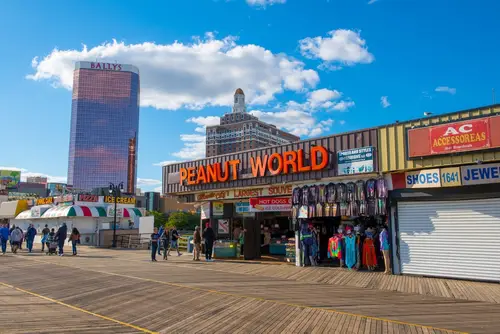
Atlantic City remains deeply tied to casino gaming and tourism. Despite diversification efforts, those industries still dominate employment. Professional roles outside hospitality and public administration are relatively rare. The local economy rises and falls together.
Career advancement often means staying within the same casino ecosystem. Skills can become highly specialized and locally specific. When casinos downsize, options shrink fast. That concentration makes long-term flexibility difficult.
8. Fresno, California

Fresno sits at the center of one of the world’s most productive agricultural regions. Farming, food processing, and distribution drive much of the job market. While healthcare and education are significant employers, other industries are thin. Professional variety doesn’t match the metro’s size.
Many workers advance by deepening agricultural expertise rather than changing fields. Corporate ladders are shorter and fewer. Ambitious professionals often hit a plateau earlier than expected. Moving away becomes the clearest way to expand options.
9. McAllen, Texas

McAllen’s economy centers on healthcare, retail, government, and cross-border trade. These sectors create steady employment but limited diversity. Corporate headquarters and high-growth industries are largely absent. Career shifts often mean lateral moves within the same field.
Pay growth can stall quickly outside healthcare leadership roles. Professional networks tend to be tight and repetitive. Innovation-driven employers are rare. Long-term career expansion often requires relocation.
10. Shreveport, Louisiana
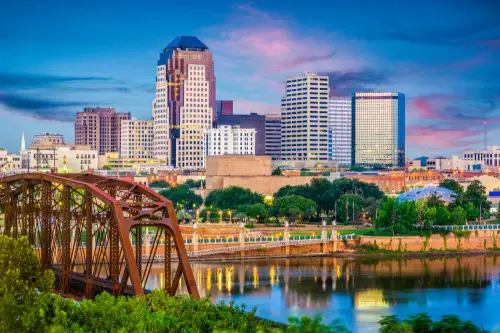
Shreveport’s job market is anchored in healthcare, gaming, and regional services. Manufacturing and corporate offices are limited. The metro hasn’t attracted broad industry investment in decades. That leaves fewer pathways for reinvention.
Many professionals cycle between the same employers. Advancement opportunities are narrow and competitive. Skills can become region-specific over time. For wider horizons, workers often look elsewhere.
11. Anchorage, Alaska

Anchorage functions as Alaska’s economic hub, but the state’s industries are highly concentrated. Oil and gas, government, healthcare, and logistics dominate employment. Corporate diversity is limited by geography and scale. Career pivots often require leaving the state.
Many roles are tied to public funding or resource cycles. When energy markets shift, opportunities tighten across sectors. Professional networks are small and interconnected. The city offers stability, but fewer long-term career branches.
This post Where Career Paths Narrow Instead of Expand was first published on American Charm.

