1. Seaside Heights, New Jersey
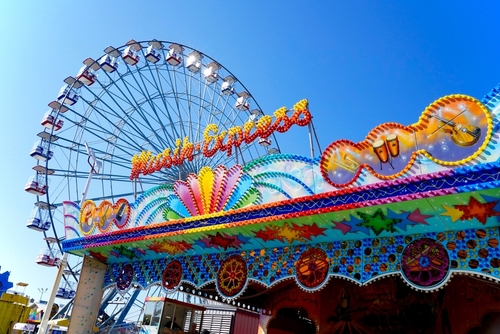
Seaside Heights became a cultural shorthand after reality TV put it on the map. The show emphasized partying, drama, and boardwalk excess. For many viewers, that became the town’s entire identity. The reputation spread far beyond New Jersey.
Locals have long argued that the portrayal was exaggerated. The boardwalk remains a classic summer attraction with rides and food. Rebuilding after Hurricane Sandy also reshaped the area. Still, Seaside Heights can’t fully escape its reality-TV shadow.
2. Times Square, New York City
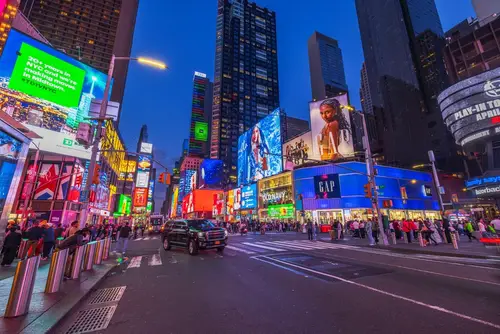
For a lot of Americans, Times Square still conjures images of the gritty 1970s and 1980s, when the area was known for crime and adult theaters. That reputation sticks even though the neighborhood was aggressively cleaned up beginning in the 1990s. People still warn first-time visitors to be careful, as if it hasn’t become one of the most heavily policed places in the city. The disconnect between memory and reality is part of why its old image won’t die.
Today the knock on Times Square isn’t danger so much as sensory overload. It’s crowded, loud, and packed with chain restaurants and souvenir shops. Street performers and costumed characters asking for tips reinforce the idea that it’s more spectacle than neighborhood. Even though millions visit safely every year, many travelers still arrive braced for trouble.
3. Atlantic City, New Jersey
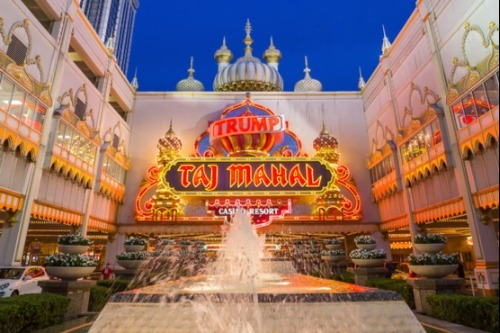
Atlantic City still carries the reputation of a faded casino town past its prime. Once billed as the East Coast alternative to Las Vegas, it struggled after gambling expanded to nearby states. Casino closures and economic downturns dominated coverage for years. That history shapes how many travelers think about the city today.
The Boardwalk and remaining casinos continue to draw visitors, especially from the Northeast. New entertainment venues and redevelopment efforts have tried to diversify its appeal. However, visible poverty and uneven upkeep reinforce the sense of decline. As a result, Atlantic City can’t quite escape its image as a place that peaked decades ago.
4. Hollywood Boulevard, Los Angeles
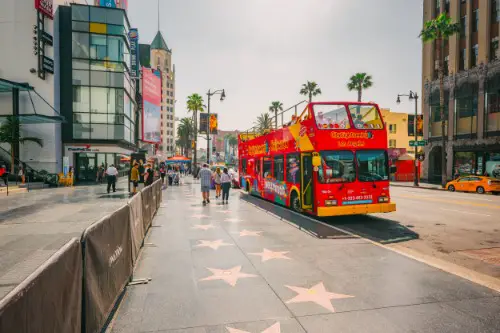
Hollywood Boulevard is supposed to represent glamour, fame, and movie magic. For many visitors, the reality feels grimier than expected. The area has long been associated with crowds, street hustlers, and worn-down buildings. That contrast fuels disappointment and keeps its reputation intact.
The Walk of Fame draws millions, but it’s often packed shoulder to shoulder. Costumed characters, aggressive tour sellers, and visible homelessness shape the experience. Locals frequently steer visitors elsewhere for a more authentic Los Angeles feel. Even with historic landmarks nearby, Hollywood Boulevard still struggles to live up to its name.
5. The Las Vegas Strip, Nevada
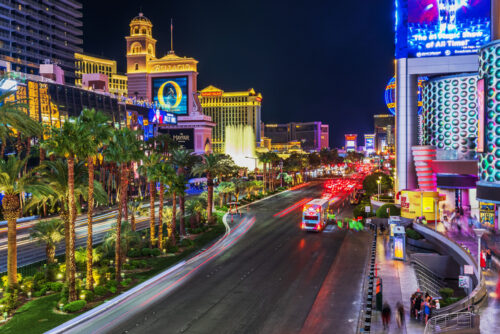
The Las Vegas Strip is forever tied to excess, vice, and anything-goes behavior. Its image was built on decades of gambling, drinking, and over-the-top indulgence. That reputation remains even as the city has broadened its offerings. Many people still assume it’s only about casinos and late nights.
In reality, the Strip now markets itself heavily to families and convention travelers. High-end dining, major concerts, and elaborate shows dominate the scene. Still, the constant advertising of gambling and nightlife reinforces the old stereotype. No matter how much it evolves, Las Vegas can’t fully outrun its past.
6. Bourbon Street, New Orleans
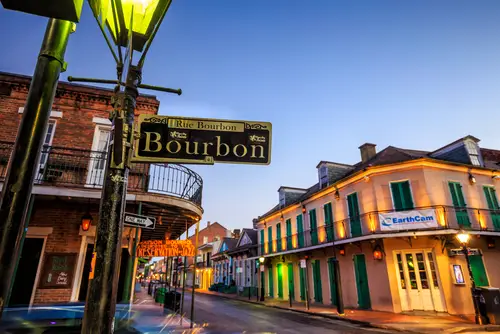
Bourbon Street is often shorthand for nonstop partying and public drunkenness. Stories of wild nights and questionable behavior have defined its image for decades. Many travelers equate the entire city with this single stretch of bars. That narrow view overshadows New Orleans’ broader cultural depth.
Bourbon Street does deliver exactly what its reputation promises, especially at night. It’s loud, crowded, and fueled by oversized drinks. Locals frequently encourage visitors to explore other neighborhoods for food and music. Even so, Bourbon Street’s party image continues to define New Orleans for outsiders.
7. South Beach, Miami
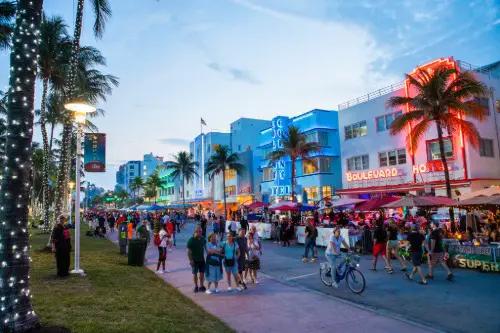
South Beach has long been linked to flashy nightlife and party culture. Its reputation was amplified in the 1990s and early 2000s. Television shows and celebrity sightings cemented its image as a playground. That perception still shapes expectations today.
In recent years, Miami Beach officials have tried to curb rowdy behavior. Rules around alcohol, parking, and crowd control have become stricter. Despite this, many visitors still arrive expecting nonstop chaos. South Beach’s past continues to overshadow its more relaxed daytime side.
8. Myrtle Beach, South Carolina
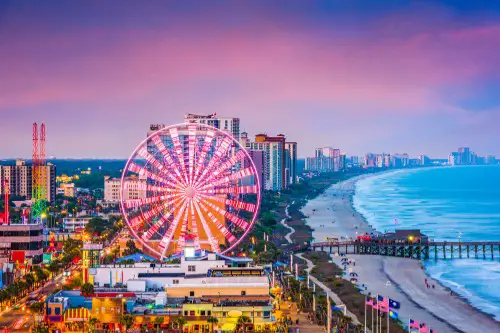
Myrtle Beach is often dismissed as a tacky spring break destination. Its reputation comes from decades of budget tourism and party crowds. High-rise hotels and mini-golf courses define the skyline. For some travelers, that’s part of the appeal, but for others it’s a turnoff.
The area does cater heavily to families, especially outside peak party seasons. Beaches, golf courses, and theaters attract a wide range of visitors. Still, the city’s branding and past behavior keep the stereotypes alive. Myrtle Beach remains locked in the public imagination as loud and lowbrow.
9. Daytona Beach, Florida
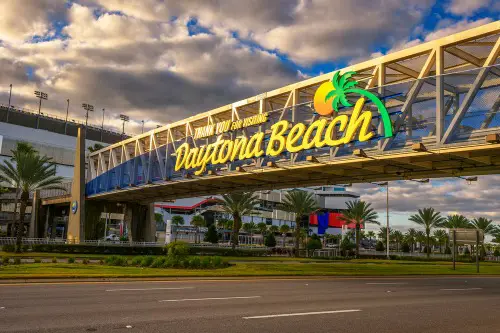
Daytona Beach is closely associated with rowdy spring break traditions. For years, it was famous for beachside partying and crowded events. That image became a defining part of its national identity. It stuck even as the city tried to move on.
Officials have worked to reposition Daytona as more family-friendly. Major attractions like NASCAR events and motorsports history anchor tourism. Spring break crowds are smaller than they once were. Even so, many people still think of Daytona as a party-first destination.
10. Detroit, Michigan
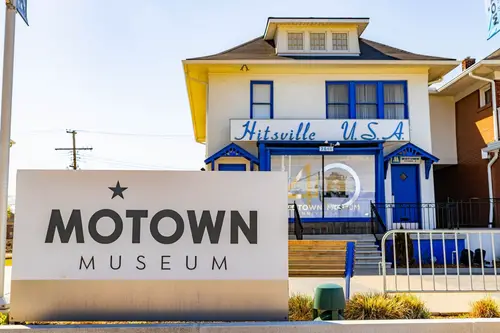
Detroit is still widely associated with images of abandoned factories, population loss, and urban collapse. National headlines during the city’s bankruptcy years cemented that narrative. Many people assume large parts of the city are unsafe or empty without ever having visited. That assumption lingers despite clear changes over the past decade.
Downtown Detroit and areas like Midtown have seen new housing, restaurants, and cultural investment. Major attractions such as the Detroit Institute of Arts and the riverfront are well maintained and busy. At the same time, the city’s challenges are real and unevenly distributed. The old reputation persists because improvement doesn’t erase decades of decline overnight.
11. Niagara Falls, New York
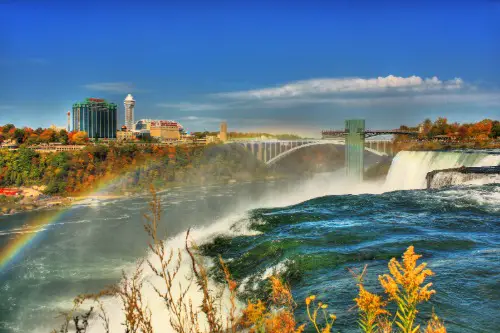
Niagara Falls is sometimes viewed as a tourist trap past its glory days. Visitors often expect kitschy attractions and worn-down surroundings. The city’s economic struggles have influenced that perception. The reputation contrasts sharply with the natural wonder itself.
The falls remain one of the most powerful and impressive sights in North America. State parks and viewing areas are well maintained. However, nearby streets can feel dated or underwhelming. This mix keeps Niagara Falls locked in a love-it-or-hate-it reputation.
12. Waikiki, Honolulu
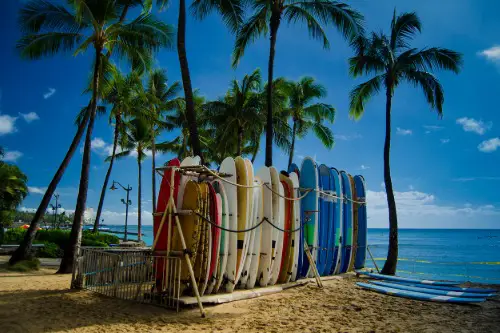
Waikiki is frequently criticized as overdeveloped and overly commercial. High-rise hotels and crowded beaches define its image. Some travelers dismiss it as an inauthentic version of Hawaii. That critique has followed Waikiki for decades.
Waikiki is also one of the most accessible beach destinations in the Pacific. It offers walkability, dining, and consistent surf conditions. The area serves as a gateway for first-time visitors to the islands. Even so, its reputation as Hawaii’s tourist hub is hard to shake.
This post These Tourist Spots Can’t Escape Their Old Reputation was first published on American Charm.