
1. Rochester, Minnesota
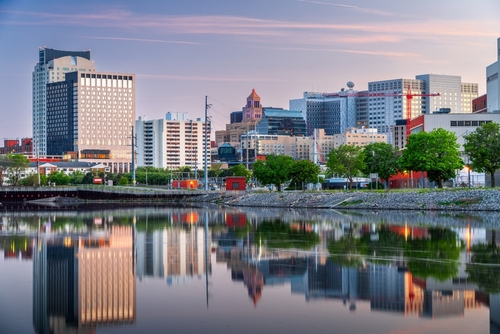
Rochester is one of the clearest examples of a city built around healthcare rather than the other way around. The Mayo Clinic dominates the local economy, skyline, and reputation, drawing patients and professionals from across the globe. Many residents relocate specifically for access to Mayo’s specialty care, rare disease expertise, or long-term treatment options. Without the clinic, Rochester would be a very different and much smaller place.
That medical focus shapes everyday life in noticeable ways. Housing demand is driven by visiting patients, fellows, and permanent staff. Downtown infrastructure is designed around skyways and patient mobility rather than nightlife. Even the local job market heavily favors healthcare-adjacent roles.
2. Houston, Texas

Houston is home to the Texas Medical Center, the largest medical complex in the world by size and patient volume. It includes institutions like MD Anderson Cancer Center, Baylor College of Medicine, and Texas Children’s Hospital. People often move to Houston specifically for cancer care, transplant programs, or pediatric specialties unavailable elsewhere. The city’s sprawl partly reflects the gravity of this medical hub.
Healthcare workers make up a significant portion of Houston’s professional class. Entire neighborhoods cater to rotating residents, researchers, and long-term patients. The presence of so many hospitals drives constant medical innovation and clinical trials. For many residents, proximity to the Medical Center is a top housing priority.
3. Cleveland, Ohio
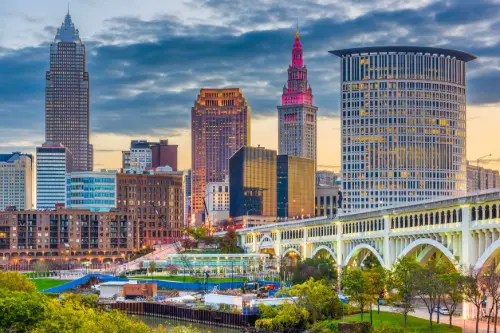
Cleveland’s national reputation is tightly tied to the Cleveland Clinic. The institution is consistently ranked for cardiology, neurology, and complex surgical care. Patients regularly relocate temporarily or permanently to be near ongoing treatment programs. For some families, access to the Clinic outweighs the city’s climate or job market.
The Clinic’s presence has reshaped entire neighborhoods on the east side of the city. Housing developments, hotels, and public transit expansions have followed its growth. Cleveland’s economy leans heavily on healthcare stability rather than manufacturing as it once did. That shift influences why many people choose to stay or move there.
4. Boston, Massachusetts
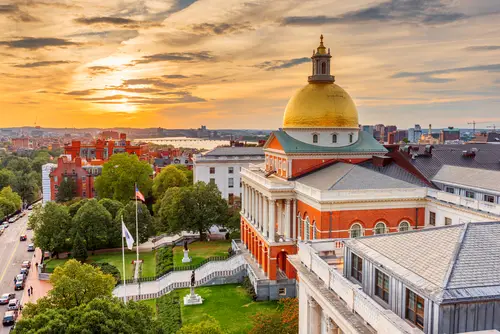
Boston is dense with teaching hospitals tied to Harvard Medical School and other universities. Massachusetts General Hospital, Brigham and Women’s, and Boston Children’s anchor a globally recognized care network. People move to Boston for access to advanced research-based treatments and clinical trials. The city attracts patients with rare conditions who want multiple expert opinions in one place.
Healthcare and higher education are deeply intertwined in Boston’s culture. Entire neighborhoods are shaped by hospital staff, students, and visiting patients. Rent prices near Longwood Medical Area reflect demand driven by medical proximity. For many residents, healthcare access is a primary benefit of living in the city.
5. Baltimore, Maryland
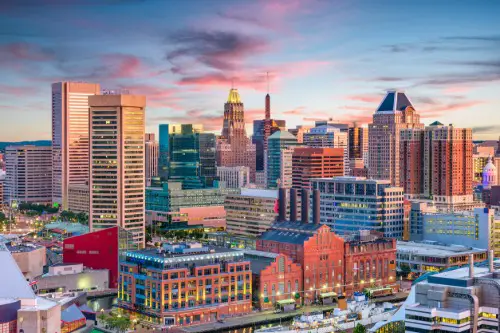
Baltimore’s identity is inseparable from Johns Hopkins Hospital and University. Hopkins is known for cutting-edge research, neurosurgery, and public health leadership. Patients often relocate to Baltimore for specialized procedures or long-term care coordination. The institution’s reputation carries global weight despite the city’s other challenges.
Johns Hopkins is one of the largest employers in Maryland. Entire sections of East Baltimore have been redeveloped around the medical campus. The city’s healthcare infrastructure punches far above its population size. For many residents, Hopkins is the reason Baltimore remains viable as a place to live and work.
6. Durham–Chapel Hill, North Carolina
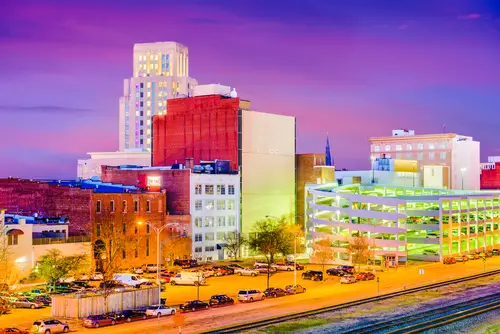
This region is anchored by Duke University Hospital and UNC Health. Both systems are known for research, cancer care, and academic medicine. People move here for access to high-quality care without the cost of larger coastal cities. The area attracts clinicians who want strong hospitals paired with a slower pace of life.
Healthcare helps drive the local economy alongside higher education and tech. Housing demand is influenced by hospital expansions and research funding cycles. Many residents plan their commute around hospital campuses. For patients with chronic conditions, staying close to Duke or UNC is often intentional.
7. Nashville, Tennessee
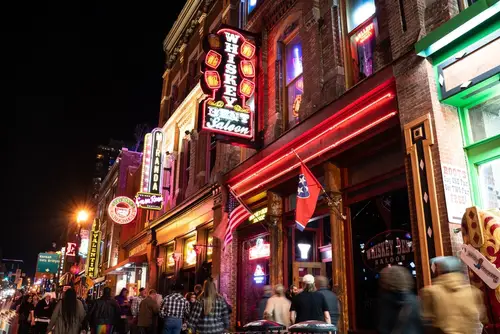
Nashville is a healthcare business powerhouse as well as a care destination. It’s home to Vanderbilt University Medical Center and the headquarters of HCA Healthcare. Thousands of people move to Nashville for healthcare management, administration, and clinical roles. The city’s rapid growth is partly fueled by this industry.
Vanderbilt also serves as a major regional referral hospital. Patients from surrounding states travel to Nashville for specialized care. Healthcare salaries help sustain Nashville’s rising cost of living. For many transplants, medicine is the reason the city was on their radar at all.
8. Pittsburgh, Pennsylvania

Pittsburgh’s transformation from steel town to healthcare hub is largely due to UPMC. The University of Pittsburgh Medical Center is one of the nation’s largest integrated health systems. People move to Pittsburgh for organ transplants, cancer treatment, and advanced surgery. Healthcare has replaced heavy industry as the city’s economic backbone.
UPMC influences everything from real estate to local politics. Neighborhoods near hospitals have seen sustained investment and population stability. The city retains medical talent that might otherwise leave the region. For many residents, access to UPMC is a key reason to stay.
9. Scottsdale–Phoenix, Arizona

The Phoenix metro area is shaped in part by Mayo Clinic Arizona and large systems like Banner Health. Scottsdale attracts patients seeking specialized care alongside a warm climate. Many retirees choose the area specifically for access to top-tier medical facilities. Healthcare quality is often cited as a reason to relocate there later in life.
Medical campuses drive development in otherwise suburban areas. Seasonal residents schedule care around their time in Arizona. The region’s growth is supported by demand for specialists and support services. Healthcare access helps offset concerns about heat or water scarcity for many residents.
10. Jacksonville, Florida

Jacksonville is home to Mayo Clinic Florida, a major destination for complex and specialized care. Patients often move temporarily or permanently to manage ongoing treatment plans. The clinic draws people from across the Southeast who want Mayo-level care without going to Minnesota. Its presence elevates Jacksonville’s healthcare reputation beyond what its size might suggest.
The surrounding area has developed to support long-term patients and families. Medical jobs provide stability in a city with otherwise uneven economic drivers. Housing near the clinic is shaped by patient and staff demand. For some residents, Mayo is the primary reason Jacksonville feels livable.
11. Iowa City, Iowa

Iowa City revolves around University of Iowa Hospitals and Clinics. The system is especially known for pediatrics, cancer care, and rural health referrals. Families from across the Midwest relocate to be closer to specialized services. The hospital’s reach extends far beyond the city’s population size.
Healthcare is the city’s largest employer and cultural anchor. Housing and infrastructure are designed with patient families in mind. Many residents work in healthcare even if they don’t live in Iowa City year-round. For those who need consistent specialty care, location becomes non-negotiable.
This post The Places Where Healthcare Dictates Where You Live was first published on American Charm.

