
1. Washington

Washington’s birth rate declined rapidly even during economic expansion. The tech boom drove housing costs beyond reach for many families. In-migration skewed toward single adults rather than parents. Births fell faster than job growth suggested they would.
This forced adjustments statewide. School enrollment softened in fast-growing metro areas. Employers anticipated tighter labor supply sooner than planned. Infrastructure planning shifted toward density rather than family expansion.
2. New York

New York saw a fast and sustained decline in births starting around 2009. The cost of living, especially child care and housing, pushed many residents to delay parenthood. Immigration no longer compensated for low fertility the way it once had. Birth totals fell low enough to drive overall population loss.
The consequences showed up quickly. Upstate towns faced shrinking class sizes and school consolidations. The state lost congressional representation tied directly to population decline. Long-term planning shifted from growth management to managing contraction.
3. Massachusetts

Massachusetts experienced one of the steepest fertility declines in the country. A highly educated population tended to marry later and have fewer children. Student debt and expensive housing intensified that pattern. Birth rates dropped to record lows by the late 2010s.
This altered assumptions about growth and demand. Suburban school districts began shrinking despite strong local economies. Employers worried about the long-term supply of skilled workers. Policymakers increasingly leaned on attracting out-of-state residents to stabilize numbers.
4. Illinois

Illinois’s birth rate fell quickly alongside persistent out-migration. Economic uncertainty and slow job growth made young families hesitant to stay. Many residents left for lower-cost states during prime child-rearing years. Birth totals dropped sharply even as the population aged.
The impact was hard to miss. Chicago Public Schools closed dozens of schools due to enrollment losses. Rural communities struggled to keep hospitals and maternity wards open. The state’s tax base projections had to be revised downward.
5. New Jersey

New Jersey’s fertility decline accelerated after the 2008 financial crisis. High property taxes and housing prices played a central role. Young adults increasingly chose to live elsewhere before starting families. Birth rates fell faster than neighboring states expected.
That shift changed local planning priorities. School enrollment declined in many suburban districts. Municipal budgets faced pressure as populations aged. The state leaned more heavily on commuter workers than growing families.
6. Connecticut
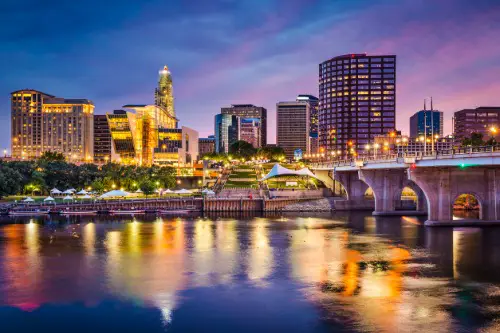
Connecticut saw one of the fastest birth rate drops in New England. Wage stagnation and high living costs made raising children feel riskier. The state also lost young adults to faster-growing regions. Birth numbers fell to levels not seen in decades.
The effects rippled across the state. School systems shrank even in historically stable towns. Health care systems adjusted maternity services downward. Economic planners began focusing on retention rather than expansion.
7. Rhode Island

Rhode Island’s birth rate declined rapidly for a small state. Limited job growth and high housing costs pushed young residents away. Those who stayed tended to delay having children. The result was a swift fall in annual births.
This had outsized consequences. Small school districts faced consolidation pressures. Workforce shortages became more acute in healthcare and trades. Population aging accelerated faster than policymakers anticipated.
8. Vermont

Vermont experienced a sharp fertility decline tied to out-migration. Young adults often left for better job prospects elsewhere. Those who remained tended to have fewer children later in life. Birth rates dropped enough to threaten population stability.
The state felt the change immediately. Rural schools closed or merged due to low enrollment. Employers struggled to replace retiring workers. Community planning shifted toward supporting an older population.
9. New Hampshire
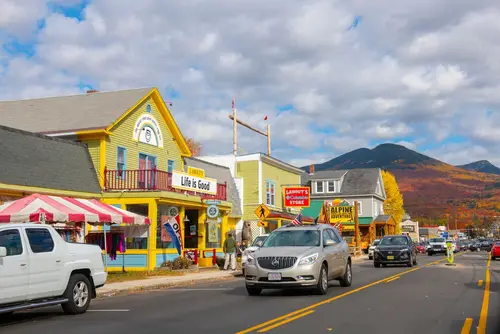
New Hampshire’s birth rate fell quickly despite a strong employment market. High housing prices limited options for young families. Many residents delayed children until their late thirties. Birth totals declined year after year.
That trend reshaped local demographics. School districts began projecting long-term enrollment drops. Housing demand skewed toward smaller households. Policymakers worried about sustaining economic growth without population growth.
10. California

California’s birth rate fell sharply after the Great Recession and never really bounced back. Sky-high housing costs made family formation harder even for middle-income earners. Immigration, once a major source of new births, slowed noticeably. By the late 2010s, annual births were down hundreds of thousands from early-2000s peaks.
That drop reshaped daily life across the state. School districts from Los Angeles to the Bay Area began closing or merging campuses. Employers started projecting tighter labor markets years earlier than expected. Even state budget forecasts had to account for a smaller future population.
11. Oregon

Oregon saw a steep drop in births after 2008. Rising housing costs and delayed marriage played major roles. Migration patterns favored young adults without children. Birth rates fell well below replacement levels.
The change altered community planning. School districts paused expansion projects. Rural areas struggled to maintain basic services. Population forecasts were revised downward.
12. Colorado
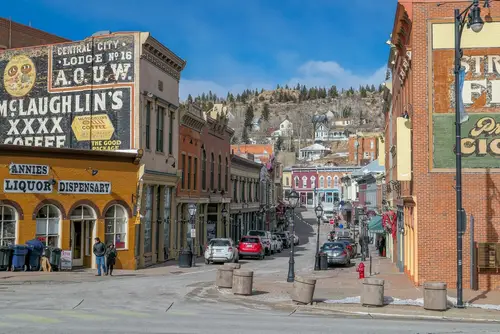
Colorado’s birth rate dropped quickly despite strong population growth. New residents were often young professionals delaying families. Housing affordability became a growing barrier to child-rearing. Births declined even as the state attracted newcomers.
This created unexpected outcomes. Schools in urban cores saw enrollment dips. Employers faced long-term workforce planning challenges. Growth became more about migration than natural increase.
13. Hawaii

Hawaii experienced one of the fastest fertility declines in the nation. Extremely high housing costs discouraged family formation. Many young residents left the islands entirely. Birth rates fell to historic lows.
The effects were profound. Schools saw enrollment declines statewide. Healthcare systems adjusted maternity services downward. The state increasingly depended on tourism rather than population growth.
14. West Virginia

West Virginia’s birth rate fell rapidly alongside economic decline. Out-migration drained the state of young adults. Those who remained often delayed or avoided having children. Birth totals dropped sharply year after year.
This intensified existing challenges. Schools closed in rural counties. Hospitals struggled to maintain obstetric care. Population aging accelerated dramatically.
15. Maine

Maine’s birth rate declined faster than most people expected. An older population and youth out-migration drove the trend. Few young families moved in to offset the losses. Birth rates fell to among the lowest in the country.
That shift changed long-term planning. Schools downsized across the state. Employers worried about replacing retiring workers. Maine increasingly focused on attracting families from elsewhere.
This post 15 States Where Birth Rates Fell So Fast It Changed Everything was first published on American Charm.

