
1. Wichita Falls, Texas
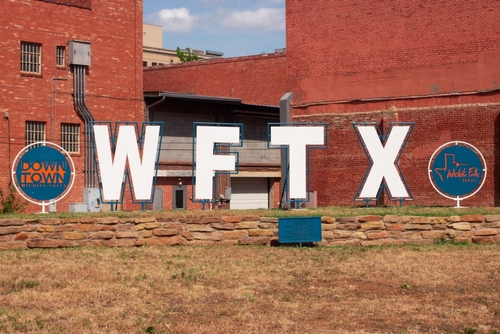
Wichita Falls is closely tied to Sheppard Air Force Base. Outside military-related work, job options are narrow. The city’s remote location limits access to larger markets. For young adults, it can feel isolating.
Nightlife and entertainment options are limited and repetitive. Extreme heat affects daily routines in summer. Many locals move to Dallas–Fort Worth for opportunity. After adjusting to metro life, few consider moving back.
2. Youngstown, Ohio
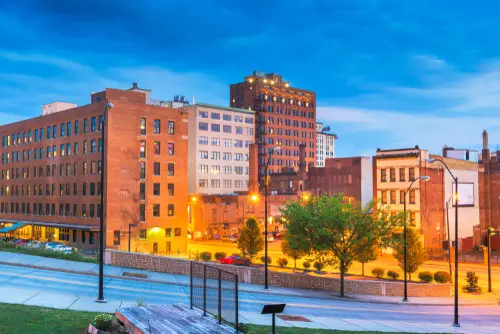
Youngstown often comes up when young adults talk about places they leave early and don’t revisit. The collapse of the steel industry decades ago still shapes the local economy today. While there are jobs, many are limited in pay or long-term growth. That reality pushes ambitious graduates to look elsewhere fast.
Living costs are low, but opportunity matters more than rent prices in your twenties. The city is car-dependent, which adds expenses young workers don’t always anticipate. Entertainment and dining exist, but options are limited and familiar quickly. After experiencing larger job markets, most don’t feel a strong pull back.
3. Gary, Indiana
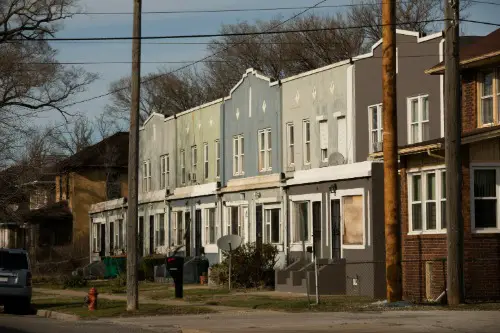
Gary’s proximity to Chicago makes its struggles more visible. Population loss and disinvestment have left many neighborhoods underdeveloped. Job opportunities within the city are limited, especially for college graduates. Safety concerns also play a role in relocation decisions.
Young adults often commute to Chicago or move there permanently. The difference in jobs, nightlife, and public transit is immediate. While revitalization efforts exist, progress is slow. Most who leave see Chicago as the upgrade they don’t want to undo.
4. Pine Bluff, Arkansas
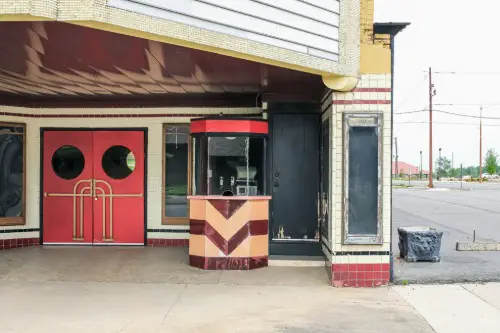
Pine Bluff has difficulty keeping young adults after high school or college. Major employers are few, and professional job options are limited. Economic challenges have contributed to long-term population decline. That makes it harder to sustain a lively social scene.
Many young residents move to Little Rock or out of state for work. Entertainment and nightlife options are narrow for people in their twenties. Public transportation is minimal, increasing isolation. Once young adults build lives elsewhere, Pine Bluff rarely draws them back.
5. Flint, Michigan
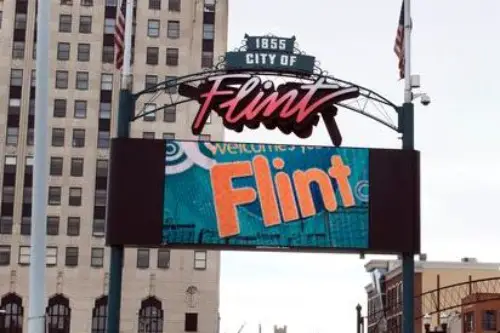
Flint’s reputation is still shaped by its water crisis. Even with improvements, trust and perception remain major hurdles. Job opportunities are limited compared to nearby metro areas. Young adults often view Detroit as a safer career move.
Housing is affordable, but infrastructure and services are uneven. Social life for young professionals is small and fragmented. Many residents leave for stability rather than excitement. Once gone, Flint often feels like a closed chapter.
6. Jackson, Mississippi
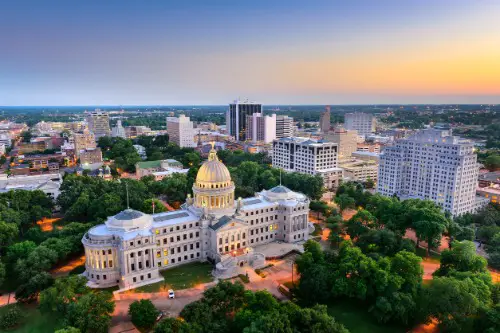
Jackson struggles to retain young adults due to economic and infrastructure challenges. State government dominates the job market, limiting private-sector growth. Water system problems have created uncertainty about long-term livability. That makes planning a future feel risky.
Many young adults relocate to Atlanta, Dallas, or Houston. Public transportation is limited, making car ownership essential. Cultural amenities exist but are spread thin. After leaving for stronger job markets, few feel compelled to return.
7. Fresno, California

Fresno loses young adults despite being a large Central Valley city. Wages often lag behind California’s rising costs. Summers are extremely hot, which limits outdoor and social activities. Air quality issues also affect health and lifestyle.
Career-focused residents often move to Sacramento or the Bay Area. Downtown revitalization has helped but hasn’t transformed the city. Fresno remains heavily car-dependent. Once young adults experience more dynamic cities, returning feels unnecessary.
8. Bakersfield, California

Bakersfield surprises people because it’s in California, yet many young adults leave without hesitation. The economy relies heavily on agriculture and oil, which don’t align with many modern career paths. Air quality regularly ranks among the worst in the country due to geography and emissions. That affects daily life more than newcomers expect.
Extreme summer heat limits outdoor activities for months at a time. The city is spread out and requires a car for almost everything. Compared to coastal cities, Bakersfield offers fewer creative and tech opportunities. Once young adults move to Los Angeles or out of state, returning feels unlikely.
9. Decatur, Illinois
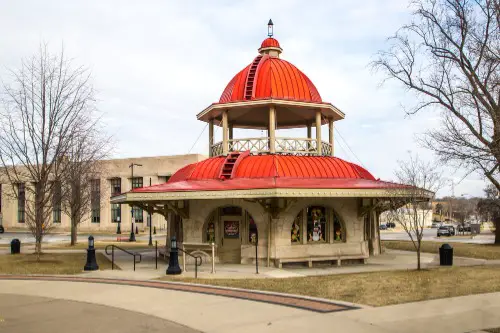
Decatur’s economy has struggled with the decline of manufacturing and agribusiness. Major employers have downsized or closed over time. That has reduced professional opportunities for young adults. Population loss has followed steadily.
Entertainment and dining options are limited for younger residents. The city lacks strong public transit and walkable districts. Many leave for Champaign, Chicago, or out of state. Once they do, Decatur rarely feels competitive.
10. Albany, Georgia
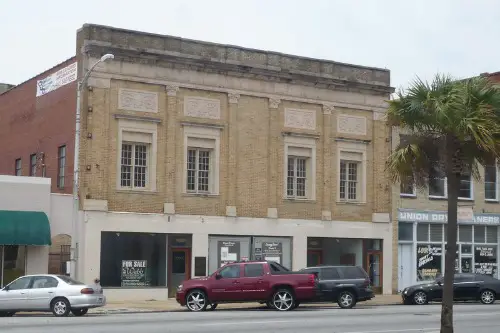
Albany faces economic challenges that push young adults away. Job growth has been slow, especially in professional fields. Educational and career opportunities are limited locally. That makes staying feel restrictive after graduation.
Social options for young adults are modest and repetitive. Public transportation is minimal, increasing reliance on cars. Many residents move to Atlanta for work and culture. After that move, returning is uncommon.
11. Beckley, West Virginia
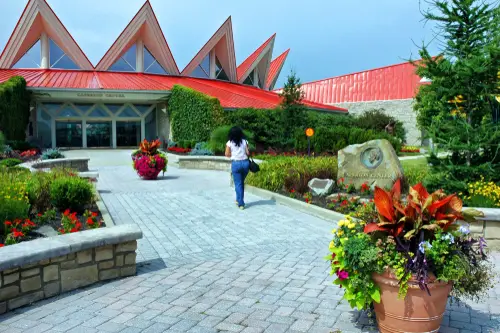
Beckley has struggled with the decline of coal-related industries. Job options outside healthcare and retail are limited. Young adults often feel boxed in economically. Population decline reflects that reality.
The city’s small size limits nightlife and cultural variety. Geographic isolation makes travel to larger cities time-consuming. Many leave for Charlotte or Columbus. Once established elsewhere, Beckley offers few incentives to return.
12. Lake Charles, Louisiana
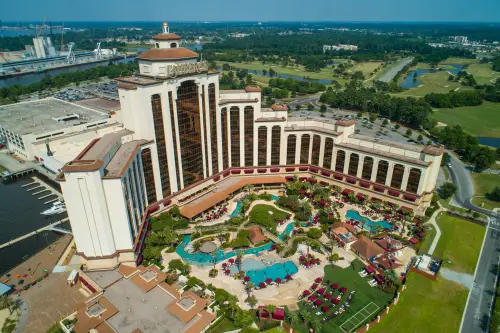
Lake Charles relies heavily on petrochemical and industrial jobs. That creates economic swings tied to energy markets. Natural disasters, including hurricanes, have disrupted long-term stability. Young adults often look for more predictable environments.
Entertainment and nightlife options are limited for people in their twenties. The city is car-dependent and spread out. Many relocate to Houston for broader opportunities. After leaving, Lake Charles rarely draws them back.
This post Places America’s Young Adults Skip Without Looking Back was first published on American Charm.

