
1. Scranton, Pennsylvania
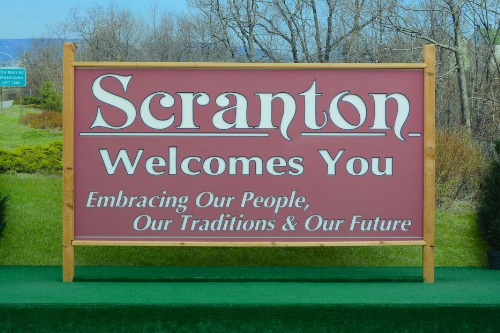
Scranton’s identity revolved around anthracite coal mining. The mines fueled regional growth and national energy demands. When coal declined after World War II, Scranton’s economy collapsed. Thousands of jobs vanished with no replacement industry ready.
The city leaned into nostalgia and small-scale tourism. Education and healthcare helped stabilize employment but not growth. Many young residents continued to leave for better opportunities. Scranton became known more for what it was than what it does.
2. Flint, Michigan
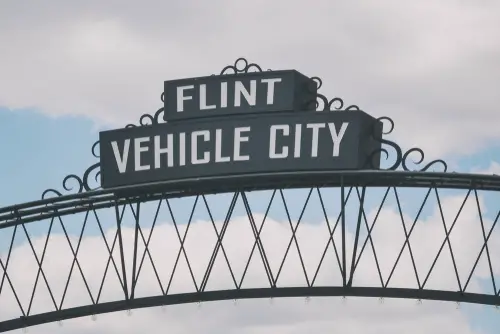
Flint was a General Motors town in a way few places ever were. Generations expected to graduate high school and walk straight into a union job at the plant. When GM shut down or downsized its facilities starting in the 1980s, the city lost its economic spine. Population decline followed quickly and relentlessly.
Attempts to reinvent Flint as an education or healthcare hub never gained enough momentum. The water crisis further eroded trust in local leadership and infrastructure. What remained was a city designed for industrial prosperity without the industry. Flint didn’t just lose jobs; it lost the reason it had been built.
3. Youngstown, Ohio
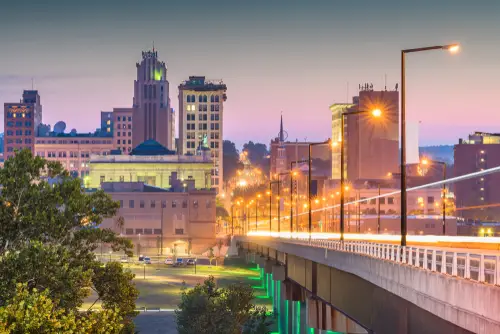
Youngstown existed to make steel, and for decades it did so at massive scale. The mills along the Mahoning River employed tens of thousands of workers. When the steel industry collapsed in the late 1970s, the shutdowns were sudden and devastating. “Black Monday” in 1977 symbolized the end of the city’s central purpose.
Efforts to transition into education, healthcare, or small business never replaced that industrial core. The population shrank by more than half from its peak. Infrastructure and housing remained sized for a city that no longer existed. Youngstown became a place shaped by loss rather than direction.
4. Gary, Indiana
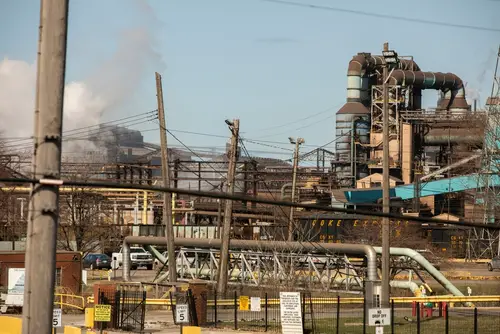
Gary was literally founded to serve U.S. Steel. Its layout, schools, and civic life were designed around the steel mills on Lake Michigan. When steel employment declined sharply after the 1970s, the city unraveled fast. Jobs vanished while pollution and abandoned infrastructure remained.
Unlike nearby Chicago, Gary never attracted diversified investment. Casino revenue helped briefly but didn’t rebuild a full economy. Large sections of the city were left empty or demolished. Gary lost its founding mission and never established a new one.
5. St. Louis, Missouri
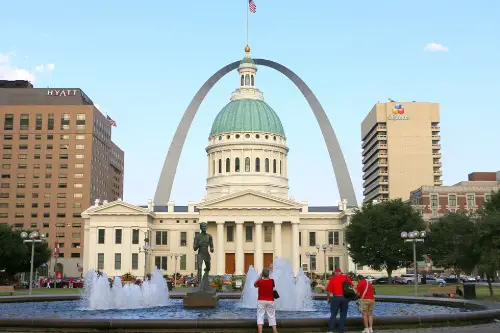
St. Louis once thrived as a manufacturing and transportation hub for the Midwest. Railroads, factories, and river trade defined its role in the national economy. Suburbanization and deindustrialization hollowed out the city after World War II. Population loss followed, along with a shrinking tax base.
While some neighborhoods revitalized, the city never replaced its old economic identity. It tried to pivot to healthcare, education, and tourism. Those sectors helped stabilize parts of the metro area but not the city itself. St. Louis became a place between eras without a defining role.
6. Camden, New Jersey
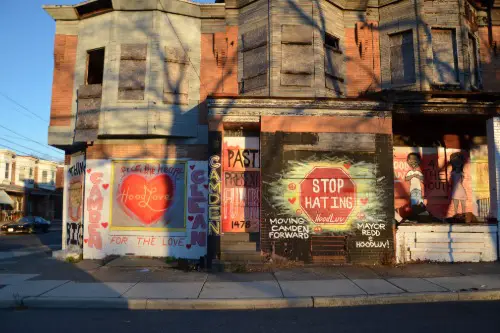
Camden was a major industrial center with shipbuilding, manufacturing, and RCA’s facilities. Its location across from Philadelphia once made it strategically important. As factories closed and jobs disappeared, the city’s economy collapsed. Crime and disinvestment followed quickly.
Redevelopment efforts focused on waterfront attractions and institutional anchors. Those projects created pockets of activity but few resident jobs. Most people commute out for work, leaving Camden without an internal economic engine. The city survives, but without a clear reason for existing independently.
7. East St. Louis, Illinois
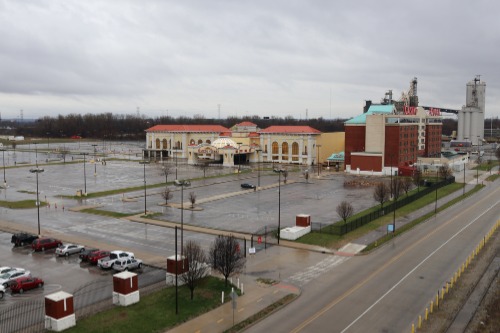
East St. Louis thrived as a rail, manufacturing, and industrial hub tied to the Mississippi River. Its factories supported a strong working-class population. Deindustrialization and racial segregation accelerated economic decline. Businesses and residents fled rapidly in the late 20th century.
Attempts at revitalization were inconsistent and underfunded. Infrastructure deteriorated faster than it could be repaired. The city remained geographically close to opportunity but economically isolated. East St. Louis lost its industrial purpose and never found another.
8. Detroit, Michigan
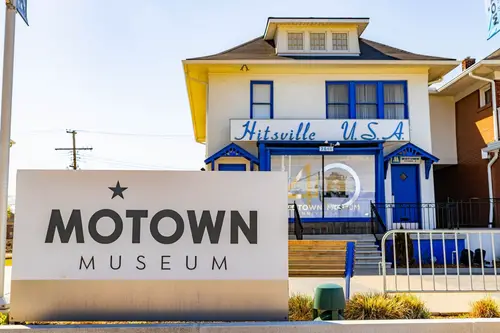
For most of the 20th century, Detroit’s purpose was the auto industry, and everyone knew it. Ford, General Motors, and Chrysler didn’t just dominate employment, they defined the city’s culture and political power. Entire neighborhoods were built around factories and shift schedules. When manufacturing declined and jobs moved or automated, that unifying reason for existence collapsed.
Revitalization efforts have brought new life downtown and along the riverfront. Tech firms, sports arenas, and real estate investment helped stabilize parts of the city. But none of that replaced the broad, middle-class manufacturing base that once supported millions of residents. Detroit is rebuilding, but without a single clear purpose holding it together.
9. Johnstown, Pennsylvania
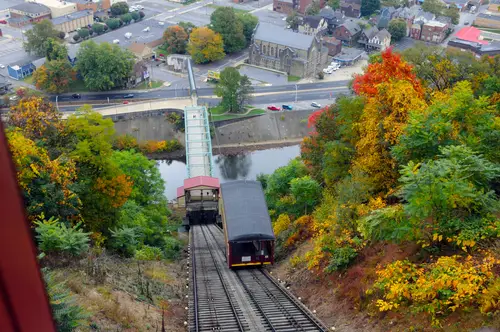
Johnstown existed to produce steel and support heavy industry. Its mills dominated employment and shaped daily life. When steel production declined, the city lost its economic anchor. Natural disasters worsened an already fragile situation.
Despite federal aid and rebuilding efforts, new industries never fully took hold. Population declined steadily over decades. The city’s infrastructure remained oversized and underused. Johnstown never replaced the purpose that once justified its size.
10. Rockford, Illinois
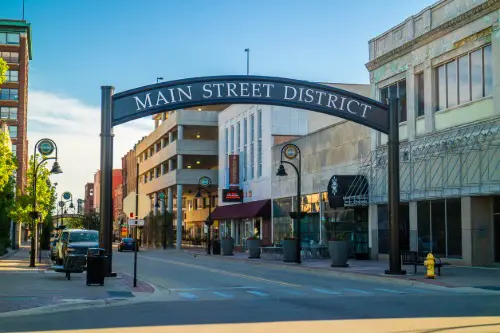
Rockford was once known as a manufacturing powerhouse, especially for machine tools and fasteners. Its factories supported a stable middle class for generations. Globalization and automation hit the city hard in the late 20th century. Manufacturing jobs disappeared faster than new sectors emerged.
Healthcare and logistics offered partial replacements. Those industries didn’t match the wages or scale of the old factories. Many residents commuted or left entirely. Rockford became a city searching for relevance.
11. Bethlehem, Pennsylvania
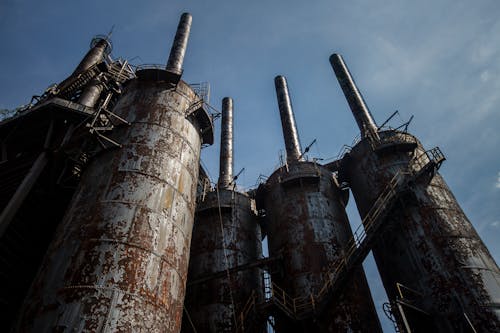
Bethlehem Steel defined the city for over a century. The massive plant employed thousands and anchored the local economy. When the company shut down operations in the 1990s, Bethlehem lost its identity overnight. The empty mill became a symbol of industrial collapse.
Redevelopment turned the site into a cultural and entertainment district. That helped tourism but not long-term employment. The city stabilized but didn’t reinvent itself economically. Bethlehem found survival, not a replacement purpose.
12. Akron, Ohio
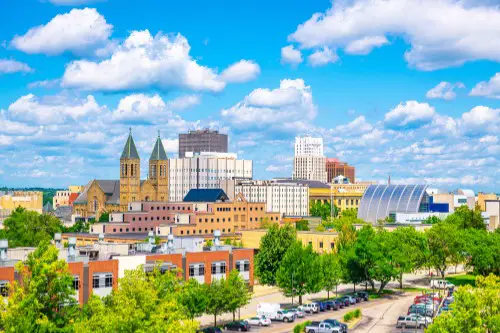
Akron was the rubber capital of the world. Goodyear, Firestone, and Goodrich made tires that fueled the auto age. As tire production moved overseas, Akron’s industrial base shrank. White-collar research roles replaced only a fraction of the lost jobs.
The city invested heavily in education and polymer research. Those efforts created specialized growth but limited broad employment. Neighborhoods built for factory workers struggled to adapt. Akron never fully replaced the role that made it boom.
13. Mobile, Alabama
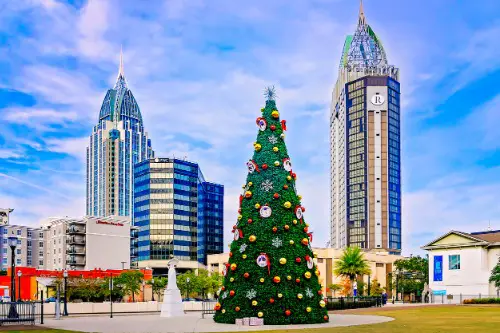
Mobile once thrived as a port and shipbuilding center. Military contracts and maritime trade defined its economic role. Changes in shipping and defense spending reduced that importance. Growth shifted to suburbs and other Gulf cities.
Airbus and aerospace investment helped, but not at citywide scale. Tourism became more important but remained seasonal. Mobile functions today without a dominant economic driver. Its purpose faded rather than transformed.
14. Springfield, Massachusetts
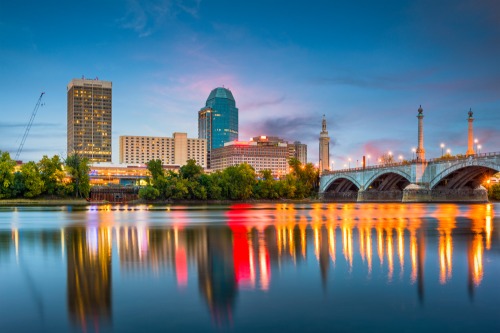
Springfield was a major manufacturing center, known for firearms and precision tools. The Springfield Armory anchored the city’s economy for generations. When the Armory closed in 1968, the city lost its defining employer. Decline followed through population loss and reduced investment.
Healthcare and education became the new anchors. Those sectors stabilized employment but didn’t drive broad prosperity. Many residents commuted to surrounding towns for work. Springfield remained intact but directionless.
This post These 14 Cities Lost Their Purpose—and Never Replaced It was first published on American Charm.

