1. Dallas–Fort Worth, Texas
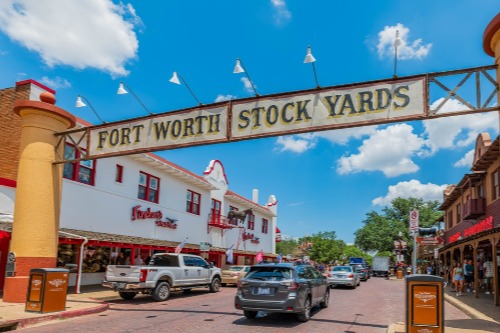
The Dallas–Fort Worth metroplex is essentially a web of highways connecting far-flung cities. It spans a massive area, and much of it was designed assuming everyone drives. Commutes of 30 miles or more are common. Without a car, distances become a constant barrier.
Rail systems like DART and Trinity Metro help in specific corridors but don’t cover most job centers. Office parks and warehouses often sit far from stations, surrounded by parking lots. Errands frequently require crossing multiple highways. In DFW, a car is what keeps daily life stitched together.
2. Phoenix, Arizona
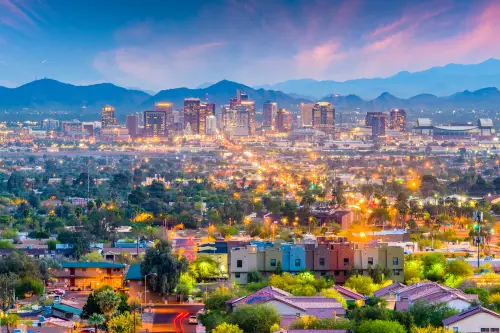
Phoenix is the poster child for sunbelt sprawl, with neighborhoods stretching endlessly in every direction. The metro area was built around wide roads, long blocks, and highways rather than walkability. Summer heat routinely tops 110 degrees, which makes walking or biking dangerous for much of the year. Even short trips feel longer when there’s little shade and few safe crossings.
Public transportation exists, but it covers only a narrow slice of where people actually live. The Valley Metro light rail runs through a limited corridor and skips most suburbs entirely. Grocery stores, schools, and doctors’ offices are often miles apart. In Phoenix, a car is less about convenience and more about basic survival.
3. Houston, Texas
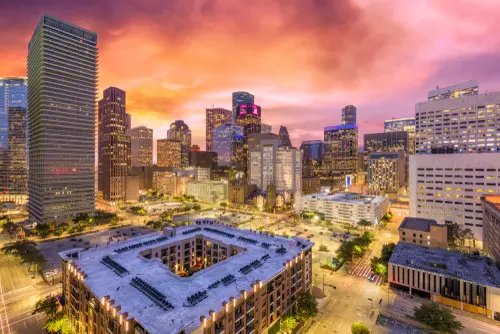
Houston is massive, flat, and famously decentralized, making car-free living extremely difficult. The lack of traditional zoning means homes, jobs, and retail are scattered in unpredictable ways. Walking routes are often uncomfortable or unsafe, with wide roads and fast traffic. Add intense humidity and frequent storms, and walking becomes even less realistic.
The METRORail system serves only a small portion of the city. Bus routes exist, but trips can take two to three times longer than driving. Many neighborhoods lack sidewalks altogether. In Houston, whether you own a car can determine which jobs are even reachable.
4. Las Vegas, Nevada
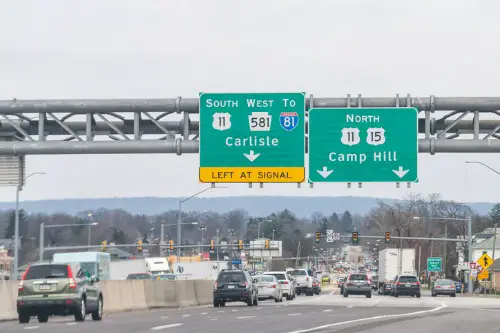
Las Vegas looks compact on a tourist map, but everyday life happens far from the Strip. Residential areas, schools, and shopping centers are spread out and connected by high-speed roads. Summer heat can be extreme, making long walks unsafe. The city was built for driving, not strolling.
Public transit relies mostly on buses, which can be slow and infrequent outside tourist areas. Many service workers live far from their jobs due to housing costs. Late-night or early-morning shifts are especially hard without a car. For locals, driving is often the only reliable option.
5. Atlanta, Georgia
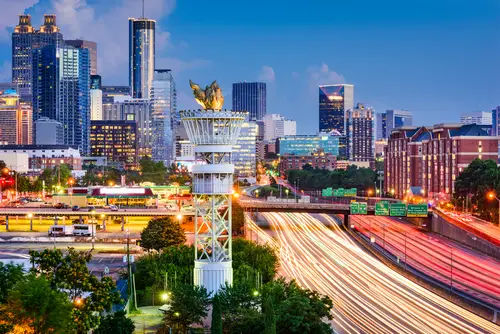
Atlanta’s reputation for traffic exists because so much of life requires driving. Suburban growth pushed housing far from job centers. Sidewalks can disappear abruptly outside central neighborhoods. Even short trips often require navigating highways.
MARTA rail serves the city core and a handful of suburbs. Many major employers are located far from stations. Bus service can be inconsistent depending on the area. Without a car, Atlanta can quietly limit where you can live and work.
6. Tampa Bay, Florida
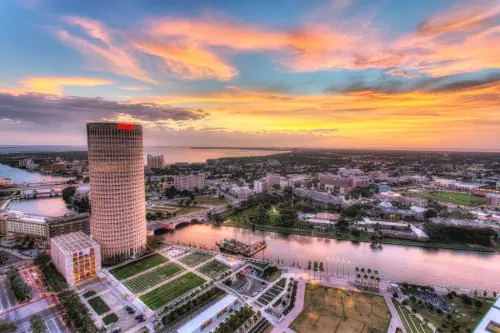
The Tampa Bay region is spread across multiple cities separated by water. Bridges connect Tampa, St. Petersburg, and Clearwater, but transit options are limited. Development prioritized cars over walkability. Running basic errands often means driving across wide arterial roads.
Public transportation is fragmented by county, with no regional rail system. Bus service can be infrequent and slow. Many workers commute long distances across the bay. Without a car, daily life becomes significantly more complicated.
7. Inland Empire, California
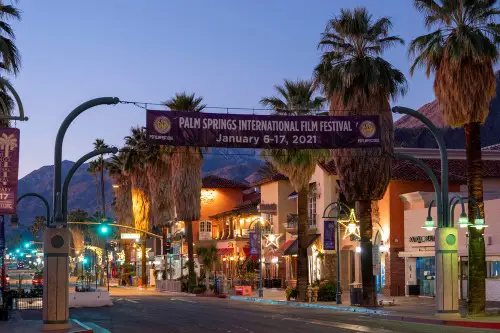
The Inland Empire stretches across Riverside and San Bernardino counties and covers a vast area. Housing developments and warehouses are spread far apart. Streets are wide, and destinations are rarely within walking distance. Heat in the summer adds another challenge.
Transit options exist but are thin for a region of this size. Metrolink trains mainly serve peak commuters on limited schedules. Many logistics and warehouse jobs are far from stations. For most residents, a car is essential to hold a job and manage errands.
8. Oklahoma City, Oklahoma
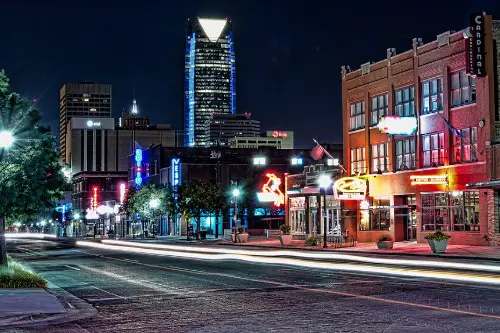
Oklahoma City covers an unusually large geographic footprint. Low population density means long distances between neighborhoods. Sidewalks and bike lanes are limited outside downtown. Daily routines assume driving is the norm.
The transit system is small and primarily bus-based. A streetcar serves only a short downtown loop. Many grocery stores, clinics, and workplaces are miles apart. In Oklahoma City, a car is a basic tool, not an upgrade.
9. Boise, Idaho
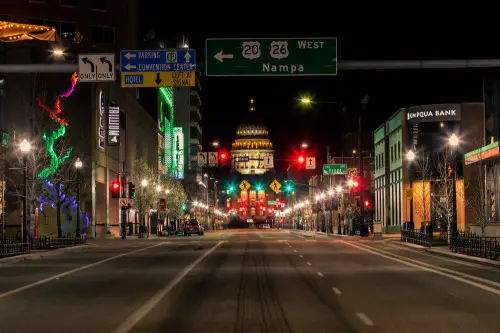
Boise has grown quickly, but much of that growth is suburban. New neighborhoods extend far into the surrounding valley. Jobs, schools, and shopping are often separated by long drives. Winters can make walking and biking unpleasant or unsafe.
Public transportation is limited and mostly relies on buses. Coverage drops sharply outside the city core. Many newer developments weren’t designed with transit in mind. In Boise, owning a car is still the default expectation.
10. Jackson, Wyoming
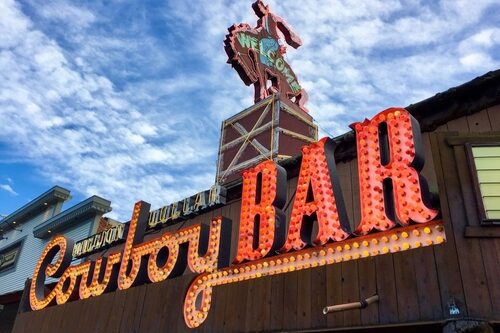
Jackson is small, but its isolation makes transportation challenging. The town is surrounded by national parks and protected land, limiting dense development. Housing is scattered across the valley. Distances add up quickly without a car.
Public transit exists through START Bus, but service is limited in frequency and coverage. Many workers commute from outside town due to high housing costs. Winter weather further complicates walking and biking. In Jackson, a car often determines whether you can live and work locally.
11. Bakersfield, California
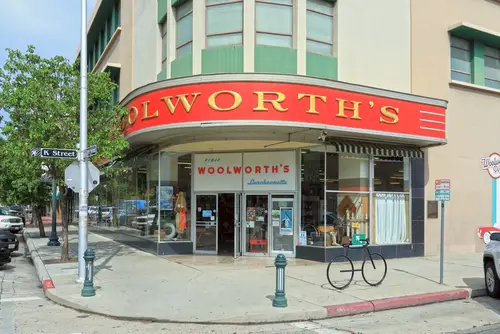
Bakersfield is spread out and heavily car-oriented. Neighborhoods are designed around wide roads and parking lots. Summer temperatures frequently exceed 100 degrees. Walking long distances is both uncomfortable and impractical.
Public transportation relies mainly on buses with limited frequency. Job centers and affordable housing are often far apart. Sidewalk infrastructure can be inconsistent. In Bakersfield, owning a car is essential for managing daily life efficiently.
This post Car Ownership Isn’t Optional in These Places—it’s Survival was first published on American Charm.