
1. Las Vegas, Nevada
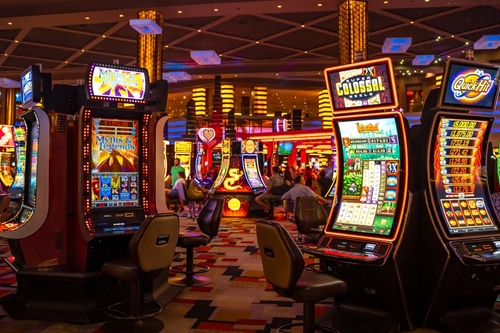
Las Vegas earned its reputation as an adult playground early, and it never really tried to shake it. The legalization of gambling in 1931, combined with concentrated casino development on the Strip, gave the city a singular purpose. Tourism marketing leaned hard into indulgence, excess, and escapism. Over time, the city’s name became shorthand for rule-breaking behavior.
That expectation now defines most visits. Tourists prioritize casinos, shows, and nightlife because that’s what Las Vegas promises them. Businesses continue to reinforce the image because it’s profitable and predictable. Even as the city diversifies, the tourist label remains firmly attached.
2. Orlando, Florida
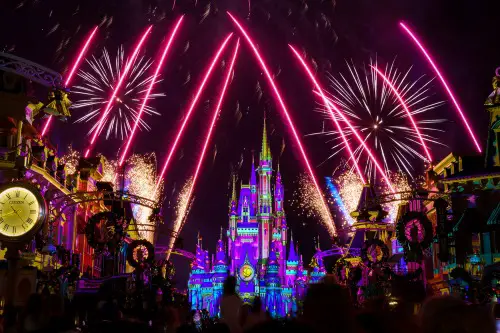
Orlando’s tourist reputation is almost entirely built around theme parks. The opening of Walt Disney World in 1971 reshaped the region’s economy and land use. Infrastructure grew outward to support millions of annual visitors rather than local daily life. For many travelers, Orlando is synonymous with childhood vacations.
That identity shapes how people experience the city. Many tourists never leave resort areas or realize Orlando has distinct neighborhoods. Local culture often feels invisible compared to the scale of the parks. The city continues to embrace the label because tourism remains its economic backbone.
3. New Orleans, Louisiana
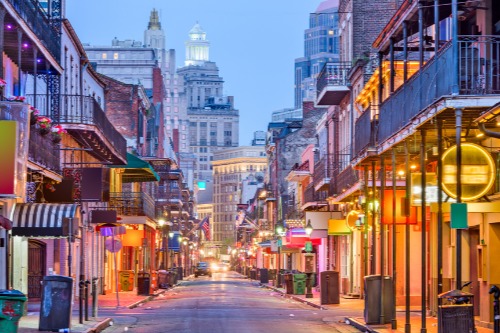
New Orleans became known as a party city due to its permissive alcohol laws and long tradition of public celebration. Mardi Gras, Bourbon Street, and live music culture attract visitors looking for constant entertainment. The French Quarter’s open-container policy reinforces the idea that anything goes. Media portrayals have helped cement this image nationwide.
Tourists often arrive focused on drinking and nightlife rather than history or community. That behavior shapes the kinds of businesses that thrive in tourist-heavy areas. Meanwhile, much of the city’s daily life exists far outside those zones. The reputation persists because visitors keep coming for the same reasons.
4. Nashville, Tennessee
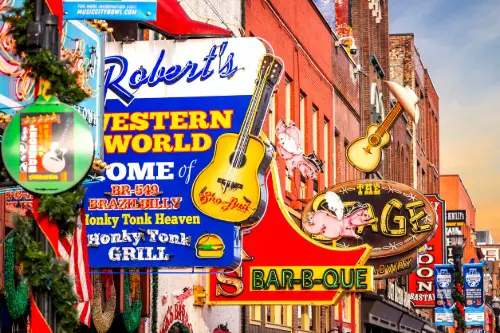
Nashville’s identity as “Music City” has existed for decades, but tourism surged in the 2010s. Country music history paired with a dense downtown bar scene created a party-friendly destination. Lower Broadway became a focal point for live music and alcohol-centered tourism. Social media amplified the city’s celebratory image.
Visitors now often arrive expecting nonstop music and revelry. That expectation influences how downtown businesses operate and market themselves. Residents frequently note the gap between tourist Nashville and lived-in Nashville. Still, the label sticks because it attracts steady crowds.
5. New York City, New York

New York City’s tourist reputation revolves around scale, intensity, and iconic landmarks. Places like Times Square, Broadway, and Central Park dominate travel itineraries. Movies and television reinforce the idea of constant motion and ambition. Visitors often arrive prepared to be overwhelmed.
Tourism concentrates heavily in a few neighborhoods. That clustering reinforces the perception that the entire city is crowded and chaotic. Daily life for residents looks very different from the tourist version. Even so, the larger-than-life image continues to define New York’s global reputation.
6. Los Angeles, California
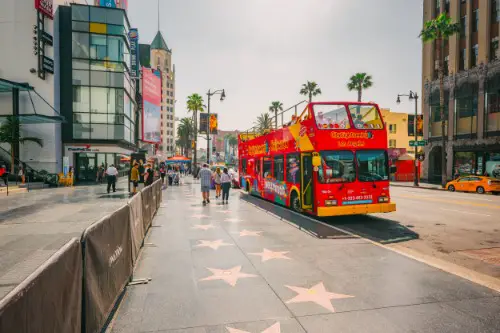
Los Angeles became a tourist symbol of fame and aspiration through Hollywood. Movie studios, celebrity culture, and entertainment media shaped how the city is perceived. Attractions like the Walk of Fame promise proximity to stardom. That image has been marketed globally for decades.
Tourists often arrive expecting glamour at every turn. Many are surprised by the city’s sprawl, traffic, and everyday neighborhoods. The disconnect doesn’t erase the reputation, though. Hollywood’s influence keeps the fantasy alive.
7. San Francisco, California
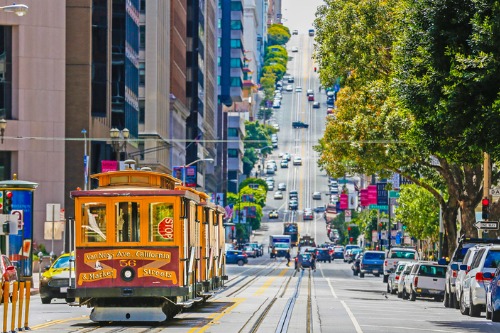
San Francisco’s tourist label is built on instantly recognizable visuals. The Golden Gate Bridge, cable cars, and Alcatraz define most visitor experiences. In recent decades, the tech industry added another layer to the city’s image. Together, these elements created a highly specific reputation.
Tourists often focus on a small portion of the city. Entire neighborhoods and communities fall outside the typical itinerary. The reputation simplifies a complex place into a handful of symbols. Those symbols have proven durable over time.
8. Miami, Florida

Miami earned its tourist reputation through beach culture and nightlife. South Beach, Art Deco architecture, and club scenes dominate marketing. The city presents itself as stylish, warm, and energetic. Visitors arrive expecting spectacle and social excitement.
That expectation shapes tourism patterns. Short trips focused on partying are common. Miami’s cultural depth and residential areas often go unnoticed. The label persists because it continues to draw international visitors.
9. Washington, D.C.
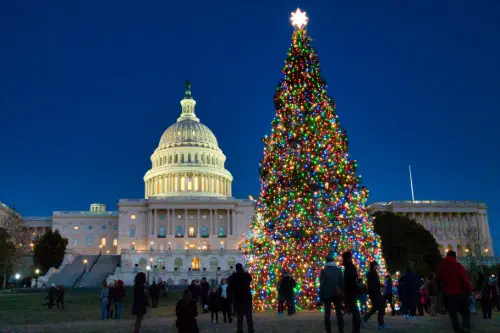
Washington, D.C. is permanently associated with politics and monuments. The National Mall, Smithsonian museums, and government buildings anchor most trips. School groups and history-focused tourism reinforce the civic image. The city’s role as the capital overshadows other identities.
Visitors often experience D.C. as an open-air museum. Many don’t explore neighborhoods beyond the central tourist corridor. Local arts, food scenes, and daily life receive less attention. The political label remains dominant and enduring.
10. Honolulu, Hawaii
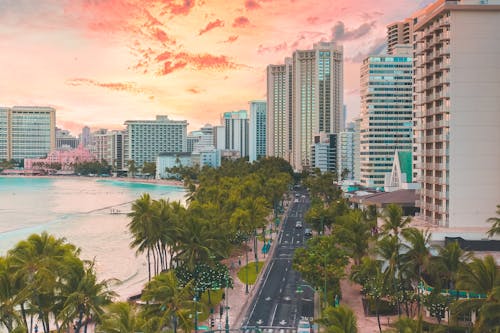
Honolulu’s tourist reputation centers on tropical escape and resort living. Waikiki’s hotels, beaches, and shopping districts define the visitor experience. Marketing emphasizes relaxation, scenery, and island fantasy. For many travelers, Honolulu represents Hawaii as a whole.
Tourists often stay within carefully curated zones. That limits exposure to local culture and everyday realities. The city’s role as a major urban center is frequently overlooked. The paradise label remains powerful and persistent.
11. Branson, Missouri
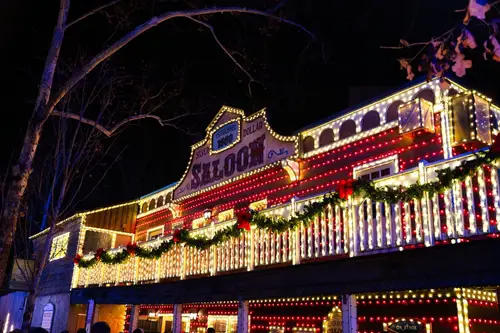
Branson became known as a wholesome entertainment destination in the late 20th century. Family-friendly shows, theme attractions, and Christian entertainment shaped its image. The city marketed itself as safe, nostalgic, and accessible. That strategy worked especially well with older tourists.
Visitors arrive expecting a specific kind of experience. The town continues to cater to that expectation through its venues and programming. Branson’s reputation hasn’t evolved much over time. Once established, the label proved remarkably durable.
This post Tourist Reputations Became Permanent Labels for These Cities was first published on American Charm.

