
1. Port St. Lucie, Florida

Port St. Lucie appeals to retirees looking for affordability and newer housing. Many neighborhoods are spread out and heavily car-dependent. There is little sense of a centralized town center. That layout discourages spontaneous social interaction.
The population skews older but lacks cohesive community identity. Social life often requires intentional planning and driving. New residents can feel disconnected despite being surrounded by people. Comfort exists, but community cohesion often does not.
2. The Villages, Florida
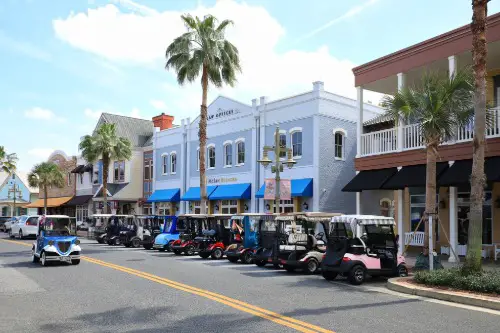
The Villages sells an easy, golf-cart lifestyle with endless clubs, activities, and nightly entertainment. Everything is designed for convenience, from recreation centers to shopping plazas, and it can feel like a cruise ship on land. That same design also limits spontaneous contact with people outside the community. If you don’t already fit the social mold or arrive with a partner, it can feel surprisingly lonely.
The age-restricted setup means interaction with younger generations is minimal. Friendships often form quickly around activities, but they can stay surface-level. As residents age or stop participating as much, social circles can quietly disappear. Comfort is abundant here, but deeper community roots are harder to establish.
3. Prescott, Arizona
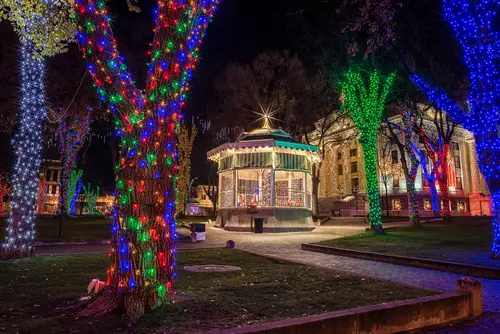
Prescott attracts retirees with its mild climate, historic downtown, and scenic mountain setting. It feels charming and manageable, especially compared to Phoenix or Tucson. The town has a strong retiree presence, which can make social scenes feel closed off. Newcomers sometimes struggle to break into established circles.
While the downtown is walkable, many retirees live in outlying neighborhoods. That distance can make consistent social interaction harder without a car. The population skews older and whiter, limiting diversity in perspectives and experiences. The setting is beautiful, but it can feel socially static.
4. Naples, Florida
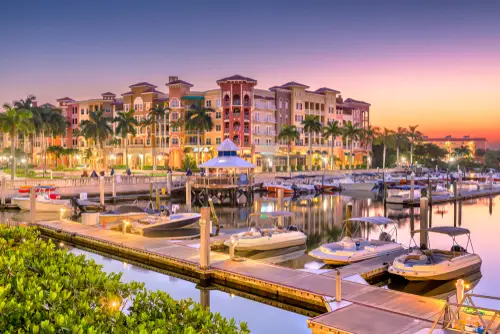
Naples markets itself as an upscale retirement destination with beaches and golf courses. It offers high-quality healthcare and meticulously maintained neighborhoods. The cost of living creates a social divide that can isolate those without significant wealth. Many interactions revolve around status rather than shared experience.
Seasonal residents dominate much of the social scene. When snowbirds leave, the town can feel eerily quiet. Making lasting friendships is difficult when neighbors rotate in and out. The comfort is real, but consistency in community is not.
5. Hilton Head Island, South Carolina
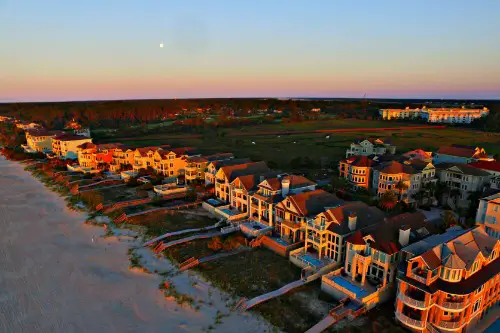
Hilton Head draws retirees with its coastal scenery and gated communities. Life there revolves around golf, tennis, and planned social events. Many neighborhoods are physically separated from one another, limiting organic interaction. That separation can make everyday life feel insular.
The island has a large population of part-time residents. Social connections often reset each season when people leave. Long-term residents report difficulty forming deep relationships. It’s peaceful and polished, but often emotionally distant.
6. Beaufort, South Carolina
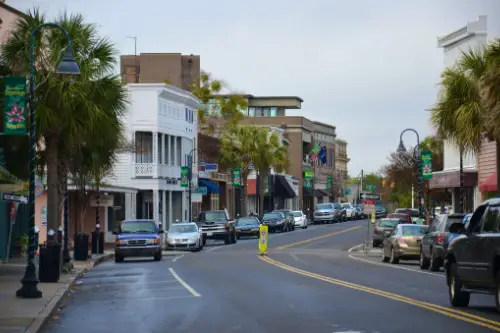
Beaufort offers historic charm, slower pacing, and scenic waterfront views. It appeals to retirees seeking a quieter version of coastal living. Social life tends to revolve around long-established local networks. New retirees can feel like outsiders for years.
The town is small, which limits social variety. If you don’t connect with a few key groups, options thin out quickly. Healthcare access is more limited than in larger cities. The tranquility can easily slide into isolation.
7. Traverse City, Michigan
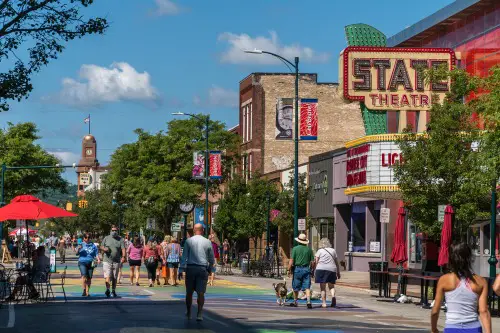
Traverse City attracts retirees with its natural beauty and four-season lifestyle. Summers are lively, filled with festivals and tourists. Winters, however, are long and socially isolating. Many retirees underestimate how quiet the town becomes.
Cold weather keeps people indoors for months at a time. Social activities slow dramatically during winter. For those without strong local ties, loneliness can intensify. The charm is seasonal, but isolation is year-round.
8. Sun City, Arizona

Sun City is one of the first large-scale retirement communities in the U.S., built specifically for older adults. It offers predictable desert weather, affordable homes, and senior-focused recreation. The town’s layout prioritizes driving, which limits casual, everyday interactions. Without scheduled activities, social isolation can creep in.
The community is almost entirely age-segregated, which shapes daily life. Many residents move there after leaving long-standing social networks behind. When health or mobility declines, independence can quickly turn into isolation. The infrastructure supports aging, but not always emotional connection.
9. Green Valley, Arizona
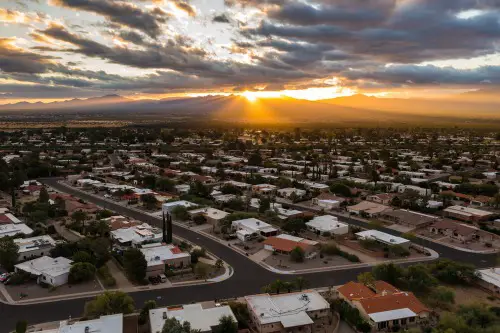
Green Valley is a retirement-heavy community south of Tucson. It offers low crime, predictable weather, and age-friendly housing. The town is quiet by design, sometimes to a fault. Daily life can feel monotonous and isolating.
Entertainment and cultural options are limited. Many residents rely on Tucson for medical care and variety. Without strong personal networks, days can blend together. The calm appeals at first, but can become emotionally draining.
10. Punta Gorda, Florida

Punta Gorda promotes itself as a relaxed waterfront retirement town. It offers boating access and planned communities tailored to retirees. Much of the social life centers on homeowners associations. If you don’t fit into those structures, options narrow quickly.
The town lacks diversity in both age and background. Younger people often leave for work elsewhere. That absence limits energy and social dynamism. The setting is pleasant, but social depth can be lacking.
11. Sedona, Arizona
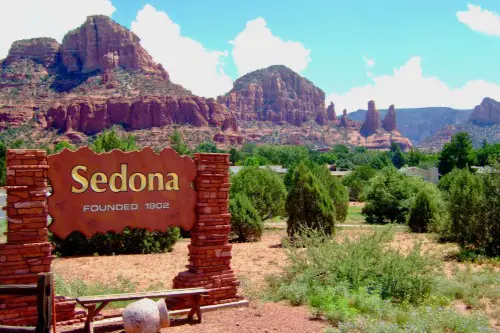
Sedona attracts retirees with its red rock scenery and spiritual reputation. Many people arrive expecting a strong sense of connection. In reality, the town is small and heavily tourism-focused. Permanent residents can feel overshadowed by visitors.
Housing is expensive and spread out. Social circles tend to be tight-knit and hard to enter. Many retirees report difficulty forming lasting friendships. The landscape inspires awe, but not always belonging.
12. Coeur d’Alene, Idaho
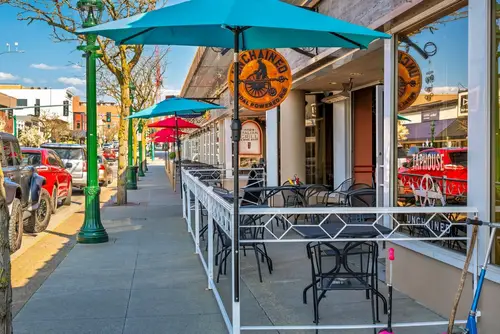
Coeur d’Alene draws retirees with its lakes, forests, and small-town feel. It promises outdoor beauty and slower living. Winters are long and isolating, especially for newcomers. Social life contracts significantly during colder months.
The population is less transient than resort towns. That stability can make social groups harder to penetrate. Political and cultural homogeneity can also feel limiting. It’s peaceful, but not always welcoming.
13. Hot Springs Village, Arkansas
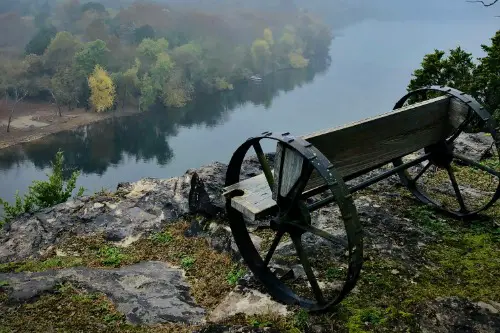
Hot Springs Village is one of the largest gated retirement communities in the country. It offers lakes, golf courses, and low housing costs. The village is physically separated from nearby towns. That separation reinforces social isolation.
Most interaction happens within structured activities. If health or interest declines, connections fade quickly. Access to specialized healthcare requires travel. The village provides comfort, but it can feel cut off from the wider world.
14. Santa Fe, New Mexico
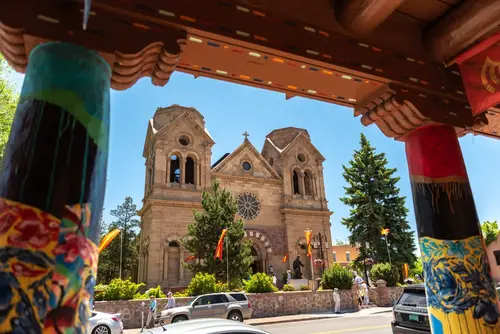
Santa Fe attracts retirees with its arts scene and high-desert climate. The city has a strong cultural identity that newcomers admire. Social circles often form around long-standing local ties. Breaking into them can be difficult.
Housing costs push many retirees to live farther from the center. That distance reduces daily interaction. The town can feel socially fragmented. Santa Fe offers richness and beauty, but not automatic connection.
15. Asheville, North Carolina
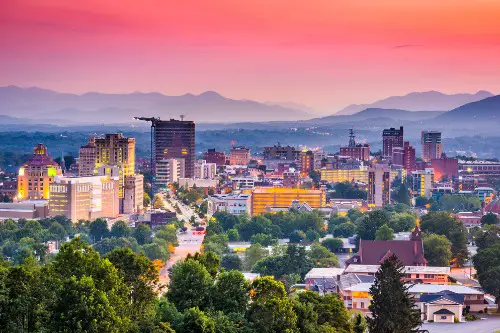
Asheville draws retirees with its mountain views, breweries, and artsy reputation. It promises culture and community wrapped in a scenic setting. The reality is that many social spaces are oriented toward tourists and younger visitors. Retirees can feel like spectators rather than participants.
Housing costs push many older residents into surrounding areas. Living outside the core makes spontaneous socializing rare. Social groups often form around niche interests that can feel closed. The town feels lively, but belonging can be elusive.
16. Bend, Oregon
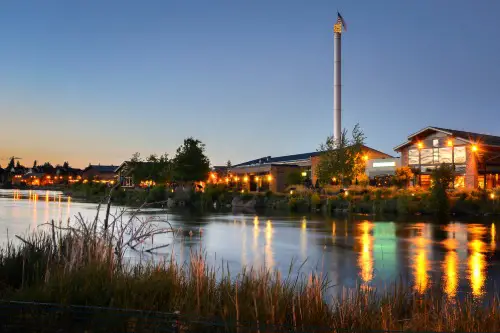
Bend sells an active retirement built around outdoor recreation and craft culture. The town looks vibrant, healthy, and socially engaged on the surface. Much of that energy is driven by younger workers and seasonal visitors. Retirees can struggle to find peers with similar schedules and priorities.
Neighborhoods are spread out and increasingly expensive. Social life often centers on physical activity, which can narrow with age. Winters bring quieter streets and fewer gatherings. Comfort is high, but social consistency is not guaranteed.
17. St. George, Utah
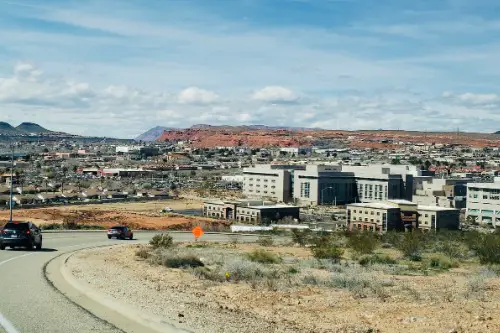
St. George attracts retirees with warm weather and red rock scenery. It promotes a clean, orderly lifestyle with strong infrastructure. The dominant local culture can feel insular to newcomers. Those outside it may feel politely excluded.
The city’s growth has led to car-dependent sprawl. That design limits walkable, casual interaction. Social groups often form early and solidify quickly. The environment is calm, but integration can be slow.
18. Palm Coast, Florida
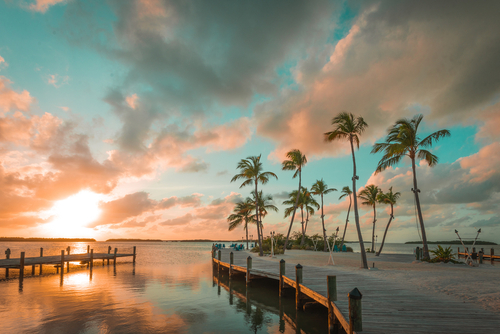
Palm Coast markets itself as a peaceful coastal alternative to busier Florida towns. It offers planned neighborhoods and predictable living. The town lacks a true downtown or social core. Daily life often happens behind closed doors.
Many residents are retirees who relocated later in life. Social ties frequently depend on homeowners associations. Without those, isolation is common. The comfort is deliberate, but connection feels optional.
19. Lake Havasu City, Arizona
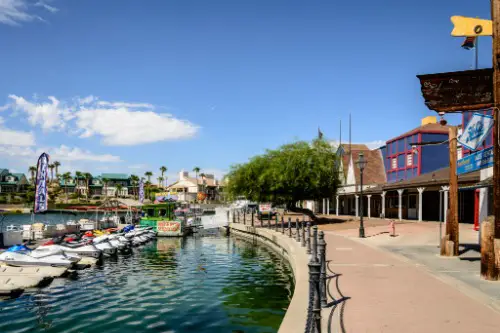
Lake Havasu City appeals with sunshine, water recreation, and affordability. It promises fun and freedom in a desert setting. Much of the social scene revolves around seasonal tourism. When visitors leave, the town quiets dramatically.
Retiree communities are spread far apart. Driving is required for nearly all social interaction. Entertainment options thin out quickly beyond peak seasons. The lifestyle is relaxed, but social depth can be shallow.
20. Branson, Missouri
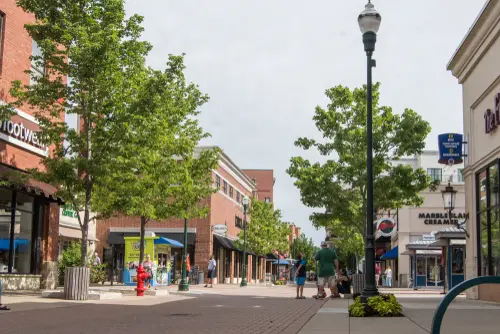
Branson attracts retirees with entertainment, low costs, and scenic surroundings. It sells nostalgia and family-friendly fun. Most activity centers on shows designed for visitors. Permanent residents can feel disconnected from that transient energy.
Outside tourist zones, social options are limited. Many retirees live in quiet developments on the outskirts. Winters are especially subdued and isolating. The town entertains well, but it doesn’t always connect people.
21. Georgetown, Texas
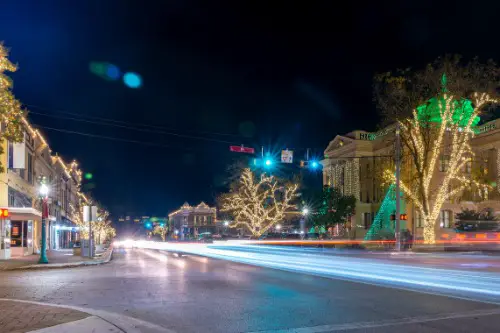
Georgetown is known for its master-planned retirement communities and tidy charm. It offers safety, amenities, and proximity to Austin. Much of the social life stays within age-restricted developments. Interaction beyond them can feel limited.
The rapid growth of the area has diluted local identity. Longtime residents and newcomers often occupy separate worlds. Social engagement requires structured participation. Comfort is carefully engineered, but spontaneity is rare.
22. Sarasota, Florida
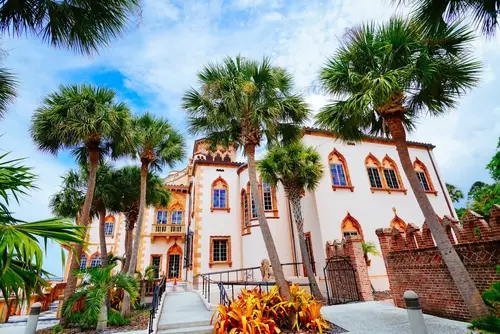
Sarasota promotes itself as a cultural retirement hub with beaches and arts institutions. It offers theater, music, and well-funded amenities. Many retirees expect these to translate into easy friendships. Instead, social scenes can feel competitive and status-driven.
Seasonal residency disrupts continuity. Friendships often pause or dissolve each year. Neighborhoods change rhythm depending on the calendar. The lifestyle is polished, but permanence is fragile.
23. Durango, Colorado

Durango attracts retirees with mountain access and a small-town feel. It promises outdoor beauty paired with community warmth. The town’s social life skews toward active, working-age residents. Retirees can feel out of sync.
Winters limit mobility and reduce gatherings. Housing costs push many retirees into quieter outskirts. Social networks tend to form early and stay fixed. The setting is stunning, but social entry points are narrow.
24. Vero Beach, Florida
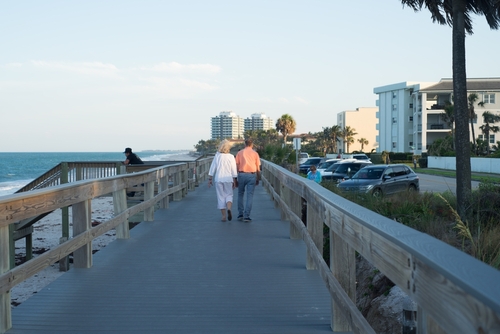
Vero Beach markets itself as refined and relaxed coastal living. It appeals to retirees seeking calm and order. Much of the population is older and long-established. Newcomers often struggle to break into existing circles.
Social life centers on private clubs and legacy institutions. Without access, options are few. Younger residents are scarce, reducing energy and diversity. The town delivers comfort, but isolation often comes with it.
This post These 24 Retirement Towns Sell Comfort—and Deliver Isolation was first published on American Charm.

