
1. Carmel-by-the-Sea, California
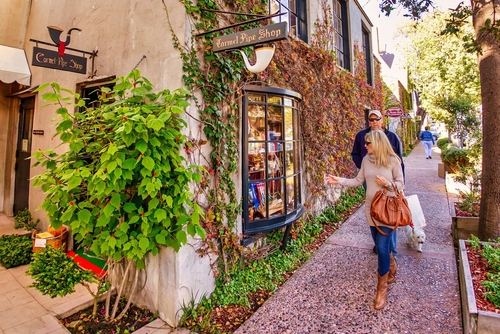
Carmel feels like a storybook village, with fairy-tale cottages and strict rules that ban chain restaurants and even street addresses. That devotion to a curated past is exactly why it lands here. The town’s resistance to change has helped drive housing prices so high that many service workers can’t afford to live anywhere nearby. When a place is preserved this carefully, it often ends up preserving inequality too.
Carmel’s old-world charm also depends heavily on tourism, which shapes what kinds of jobs exist. Many are seasonal or low-wage, while year-round residents skew older and wealthier. The town’s fierce protection of “character” has historically made new housing and diversity hard to add. What looks like timeless beauty can function as a locked gate.
2. Williamsburg, Virginia
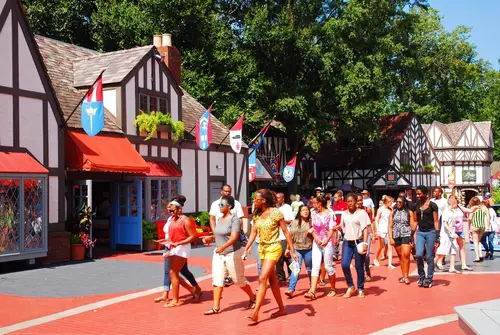
Williamsburg is famous for Colonial Williamsburg, where actors reenact the 18th century every day. The streets, costumes, and language all reinforce a comforting national origin story. That story, however, often sidelines the realities of slavery and who actually benefited from colonial life. Even with recent improvements, the overall vibe still leans toward nostalgia over discomfort.
Outside the historic district, Williamsburg remains shaped by that tourism-first identity. Many jobs revolve around serving visitors rather than building a varied local economy. The city can feel frozen in amber, with little incentive to imagine a different future. When the past is the main attraction, growth tends to happen very carefully—or not at all.
3. Mackinac Island, Michigan
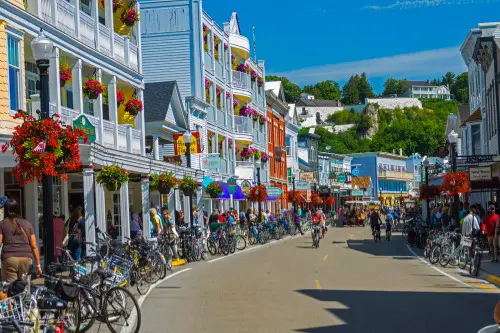
Mackinac Island’s ban on cars makes it feel delightfully stuck in the late 1800s. Horse-drawn carriages, historic hotels, and preserved buildings reinforce that illusion. The problem is that this version of the past relies on a massive seasonal workforce with limited long-term stability. Most workers leave when winter hits, taking community continuity with them.
Housing on the island is scarce and expensive, especially for employees. That creates a sharp divide between those who visit, those who own property, and those who keep the place running. The “good old days” aesthetic depends on modern labor realities it rarely acknowledges. Nostalgia, in this case, is sustained by invisibility.
4. Leavenworth, Washington
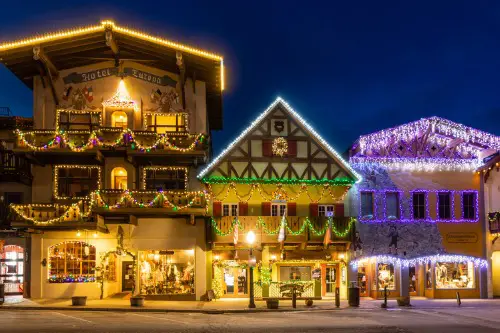
Leavenworth reinvented itself as a Bavarian village after its railroad economy collapsed. The alpine architecture, lederhosen, and beer halls are intentionally theatrical. While the transformation saved the town economically, it also locked Leavenworth into a narrow identity. Everything from building design to business signage must fit the theme.
That rigidity makes it harder for the town to evolve beyond tourism. Local culture is often overshadowed by the performance of an imported past. Residents have limited say in how the town presents itself to the world. What looks charming can feel constraining if you actually live there.
5. Deadwood, South Dakota
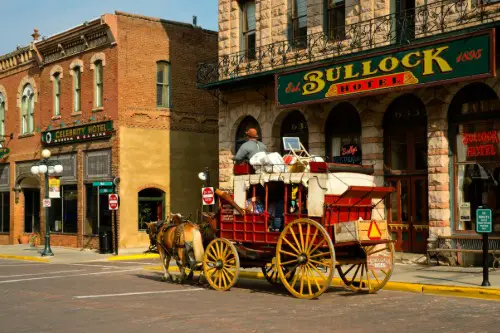
Deadwood trades heavily on its Wild West reputation, complete with gunfight reenactments and saloon aesthetics. The town’s marketing leans into legends of outlaws and frontier justice. That version of history tends to gloss over violence, lawlessness, and the displacement of Native people. It’s a simplified past designed to entertain.
Modern Deadwood relies on gambling and tourism tied to that myth. Economic options outside those industries are limited. The town’s identity leaves little room to grapple with its full, complicated history. When myth becomes the main product, truth often gets sidelined.
6. St. Augustine, Florida
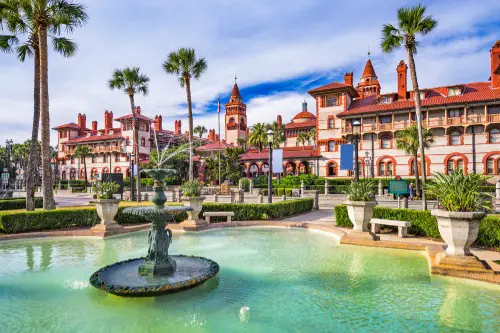
St. Augustine bills itself as the oldest continuously inhabited European-founded city in the U.S. Its cobblestone streets and Spanish colonial architecture draw millions of visitors. The focus on European “firsts” can overshadow the experiences of enslaved Africans and Indigenous people who also shaped the city. The past on display is selective.
Tourism dominates the local economy, influencing development and wages. Many historic neighborhoods are increasingly oriented toward short-term rentals. Longtime residents can feel pushed out by rising costs and visitor traffic. Preserving history is valuable, but choosing which history to preserve matters.
7. Galena, Illinois
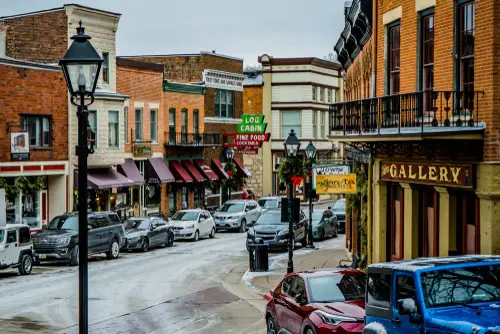
Galena’s 19th-century downtown is remarkably intact, giving it a frozen-in-time feel. The town proudly leans into its Civil War–era prominence and ties to Ulysses S. Grant. That focus makes Galena a popular weekend destination. It also means the economy is heavily dependent on tourism and second-home owners.
Year-round jobs outside hospitality are limited. Younger residents often leave in search of opportunity elsewhere. The preserved past can feel like a ceiling rather than a foundation. When a town’s main asset is yesterday, tomorrow can be hard to build.
8. Beaufort, South Carolina
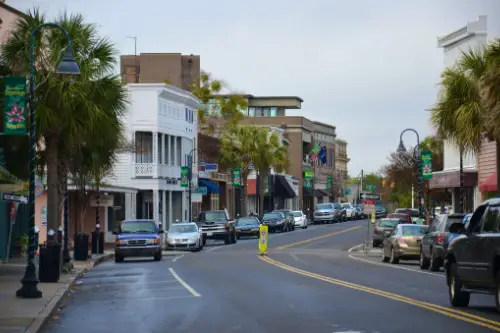
Beaufort’s antebellum homes and oak-lined streets look straight out of a postcard. The town’s beauty is inseparable from its history of slavery and plantation wealth. While Beaufort has made efforts to tell a fuller story, the visual emphasis still romanticizes the Old South. That contrast can be jarring.
Gentrification and tourism have reshaped many neighborhoods. Housing costs have risen faster than local wages. Longstanding Black communities face pressure as the town markets its charm. The “good old days” aesthetic often benefits newcomers more than descendants of those who built it.
9. Nantucket, Massachusetts
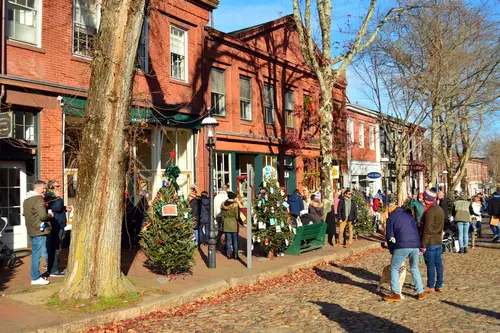
Nantucket celebrates its whaling-era architecture and maritime heritage. Strict preservation rules keep the island looking much like it did in the 1800s. Those same rules contribute to some of the highest housing costs in the country. Many workers commute long distances or live in crowded conditions.
The island’s economy revolves around wealth and seasonal visitors. Year-round residents navigate limited services and extreme price disparities. Nantucket’s charm is real, but it’s also exclusionary. A preserved past can become a luxury good.
10. Woodstock, Vermont
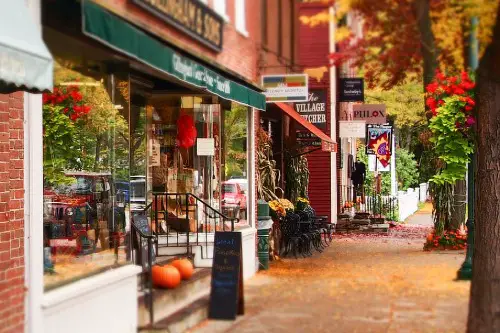
Woodstock is the picture of New England quaint, with covered bridges and green lawns. The town looks like a calendar photo come to life. Much of that perfection is maintained through strict zoning and high property values. It’s beautiful, but not easily accessible.
Second homes and tourism shape daily life. Local workers often struggle to find affordable housing nearby. The town’s polished nostalgia leaves little room for messiness or change. Sometimes authenticity gets replaced by atmosphere.
11. Fredericksburg, Texas
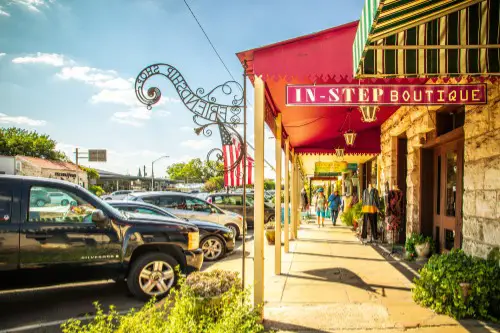
Fredericksburg highlights its German heritage through architecture, festivals, and food. The town’s historic district is carefully curated to reflect that past. Less visible are the ways the area has struggled with racial exclusion, including its history as a sundown town. That absence is part of the problem.
Today, Fredericksburg thrives on tourism and wineries. Growth has brought money, but also rising costs. The selective memory of the “good old days” can make conversations about inclusion uncomfortable. History feels safer when it’s decorative.
12. Eureka Springs, Arkansas
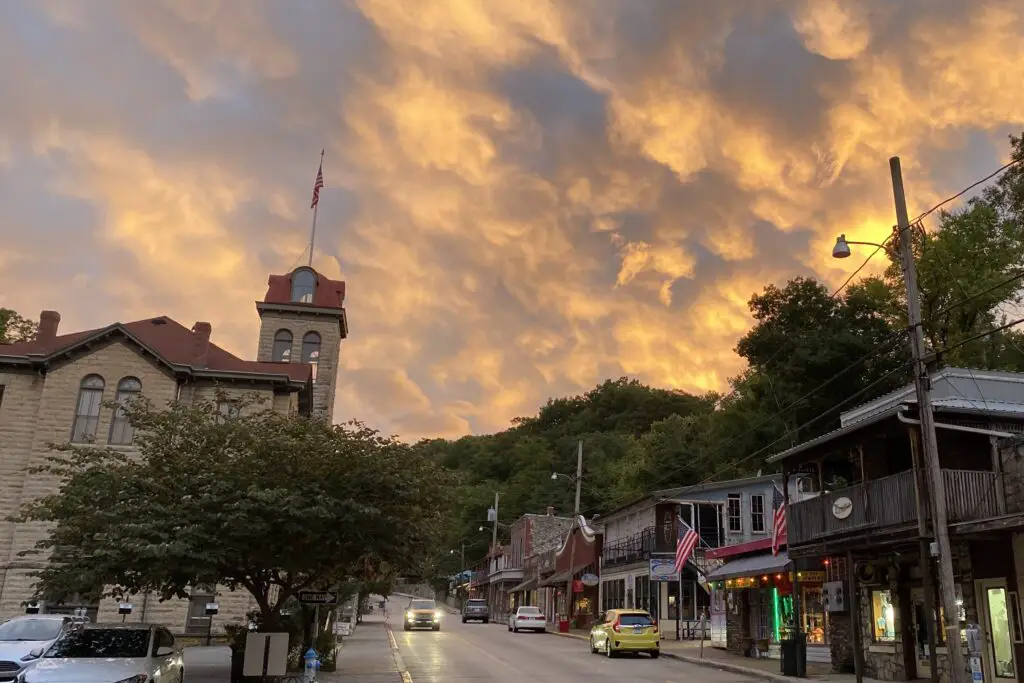
Eureka Springs is known for its Victorian buildings and winding hillside streets. The town leans hard into a late-19th-century resort-town aesthetic. Preservation rules keep the look intact but complicate modern infrastructure and housing. Change happens slowly, if at all.
Tourism is the backbone of the local economy. Jobs are plentiful in season and scarce otherwise. Residents often have to adapt their lives to visitor expectations. When the past is the brand, flexibility becomes a casualty.
This post These Towns Look Like the “Good Old Days”—and That’s the Problem was first published on American Charm.

