
1. Cape Coral, Florida
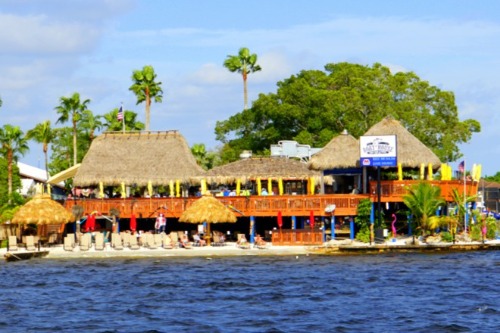
Cape Coral often attracts buyers with relatively new homes and prices that seem low for waterfront-adjacent living. The catch comes with insurance premiums, especially hurricane and flood coverage, which have jumped dramatically in recent years. Special assessments for canal and seawall maintenance can also appear with little warning. Many residents say these costs weren’t obvious during the buying process.
Daily life can also feel more expensive than expected due to car dependency. There is little in the way of walkable commercial areas, so gas and vehicle maintenance add up. Job options are limited locally, pushing many people into long commutes. The “cheap” house can quickly become a financial stressor.
2. Jacksonville, Florida
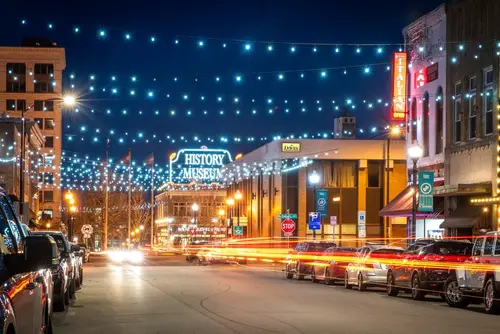
On paper, Jacksonville looks like a Florida bargain with lower home prices than Miami or Tampa. After you arrive, many newcomers are shocked by soaring homeowners insurance and flood insurance costs that can rival a second mortgage. Long drives are part of daily life because the city is geographically huge, and public transit is limited. Add in rising utility bills during long, hot summers, and the monthly math can turn ugly fast.
Another surprise is that wages in many local industries lag behind other large metros. Traffic congestion has worsened as growth has outpaced road improvements. Some neighborhoods still struggle with persistently higher crime rates compared to national averages, which affects insurance and resale value. What looked affordable at closing often feels far less so a year later.
3. McAllen, Texas
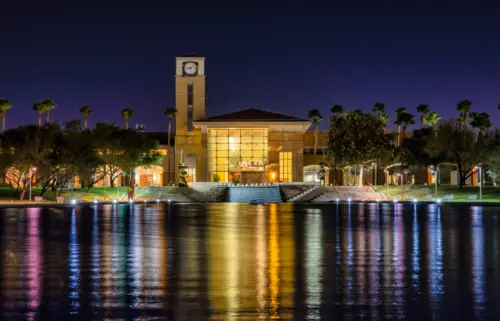
McAllen frequently lands on lists of affordable U.S. cities because of low home prices. What newcomers often underestimate are Texas property taxes, which can be steep and rise quickly with appraisals. High summer heat drives electricity bills up for months at a time. These recurring costs chip away at the initial affordability appeal.
The local job market is another reality check for transplants. Many positions are tied to healthcare, education, or retail, and wages can be lower than national averages. Those expecting big-city amenities may also feel limited by entertainment and dining options. Saving money becomes harder when income growth is slow.
4. San Antonio, Texas
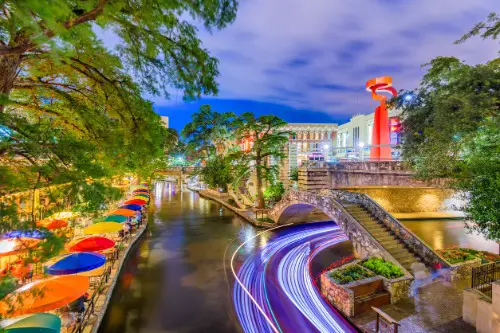
San Antonio is often marketed as a cheaper alternative to Austin, especially for families. While home prices are lower, property taxes and homeowners association fees can be surprisingly high in newer developments. Urban sprawl means long commutes, which translates into higher transportation costs. Summers are intensely hot, driving up cooling expenses.
Wages in many sectors haven’t kept pace with rising housing and living costs. Public services vary widely by neighborhood, affecting schools and infrastructure. Rapid population growth has also strained roads and utilities. Many residents realize too late that “cheaper than Austin” doesn’t mean truly affordable.
5. Bakersfield, California

Bakersfield’s housing prices look like a steal compared to coastal California cities. New residents often struggle with the region’s notoriously poor air quality, which can affect health and quality of life. Extreme summer heat leads to very high electricity bills. These factors can make day-to-day living feel punishing.
The job market is heavily tied to agriculture and energy, which can be volatile. Cultural and entertainment options are limited compared to larger metros in the state. Long drives are required for beach or mountain escapes, adding travel costs. What saves you on rent can cost you in comfort.
6. Stockton, California

Stockton appeals to buyers priced out of the Bay Area but still wanting proximity. While home prices are lower, utility costs and local taxes are not, and they can surprise newcomers. The city has a history of financial instability that affects public services. Some neighborhoods still struggle with crime rates above national norms.
Commuting to higher-paying jobs often means long, exhausting drives. Local wages alone may not support even modest housing costs. Insurance rates can also be higher than expected due to regional risk factors. The affordability gap closes quickly once all expenses are tallied.
7. Toledo, Ohio
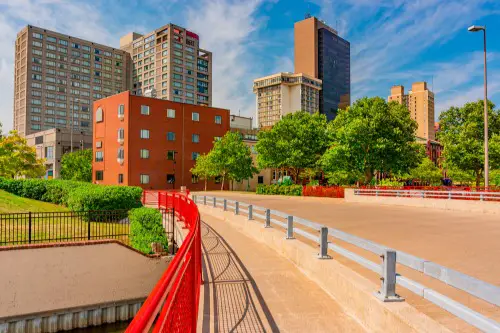
Toledo’s low housing prices are a big draw for budget-conscious movers. The local economy, however, has struggled with industrial decline, limiting job growth in higher-paying fields. Winters are long and harsh, increasing heating and maintenance costs. Aging infrastructure can also lead to unexpected repair expenses.
The city has worked to revitalize its downtown, but progress is uneven. Some neighborhoods face higher poverty and vacancy rates, which can impact property values. Residents often need to budget for frequent car repairs due to road conditions. Cheap housing doesn’t always mean cheap living.
8. Youngstown, Ohio
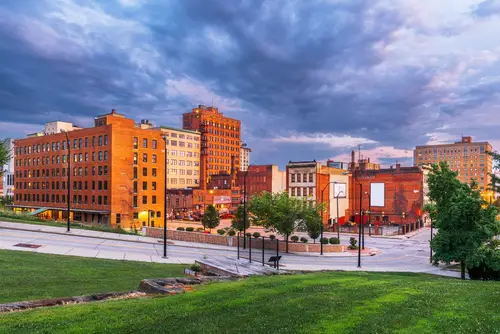
Youngstown is often cited as one of the cheapest places to buy a home in America. That affordability reflects decades of population loss and limited economic opportunity. Job options outside healthcare and education can be scarce. Many transplants underestimate how hard it can be to find stable, well-paying work.
The housing stock is older, leading to higher maintenance and heating costs. Some areas still deal with blight and underinvestment. Winters add to utility bills and wear on homes. The low purchase price can mask long-term financial challenges.
9. Jackson, Mississippi

Jackson’s low home prices and cost of living attract first-time buyers. What newcomers often don’t anticipate are ongoing infrastructure issues, including repeated water system failures. These problems affect daily life in very real ways. Taxes and fees can also rise as the city struggles to fund repairs.
Economic opportunities are limited compared to larger Southern cities. Some neighborhoods experience higher crime rates, which can affect insurance costs. Public services vary widely by area. The stress of unreliable utilities can overshadow any savings on housing.
10. Flint, Michigan
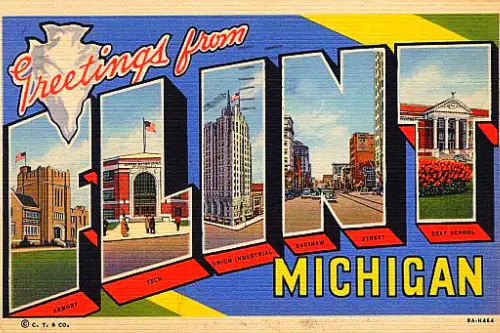
Flint’s affordability is well known, with extremely low home prices. The city continues to rebuild trust after its water crisis, and infrastructure challenges remain. Many homes require significant repairs due to age and deferred maintenance. These costs can exceed the purchase price over time.
Job opportunities are limited, especially outside public sector roles. Property values can be slow to recover, affecting long-term equity. Some areas still struggle with safety and vacancy issues. Living cheaply often comes with daily trade-offs.
11. Pueblo, Colorado
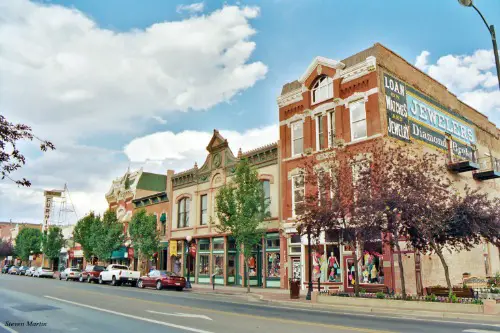
Pueblo is often pitched as an affordable alternative to Denver. While home prices are lower, wages are also significantly lower in many industries. Healthcare and utilities can cost more than newcomers expect. The region’s dry climate contributes to higher wildfire insurance concerns.
Economic growth has lagged behind other Front Range cities. Entertainment and dining options are more limited than many transplants anticipate. Long drives are required for major airports or specialized services. The savings on housing can feel offset by fewer opportunities.
12. Boise, Idaho
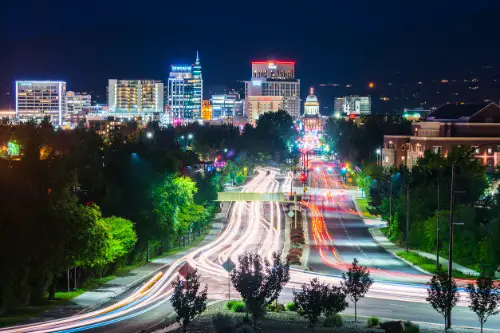
Boise used to be a hidden gem for affordable living. Rapid population growth has driven housing prices and rents up faster than wages. Many newcomers arrive expecting yesterday’s prices and are shocked by today’s competition. Utilities and property taxes have also climbed.
The job market is relatively small for the city’s growth rate. Traffic congestion has increased as infrastructure plays catch-up. Outdoor amenities are a draw, but they don’t pay the bills. Boise’s affordability reputation lags behind its current reality.
13. Missoula, Montana
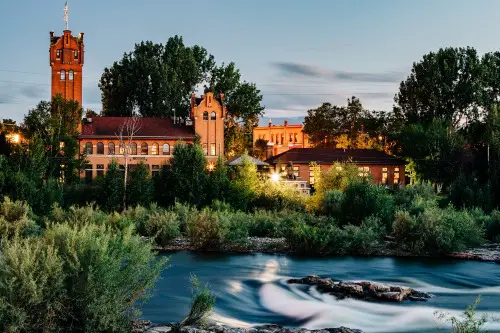
Missoula’s scenic beauty and small-city charm attract many relocators. Housing costs have risen sharply, outpacing local incomes. Rental availability is tight, pushing prices even higher. What looks affordable compared to big cities feels expensive locally.
Job options are limited, especially in specialized fields. Winters are long and can add significant heating costs. Healthcare access can also be more limited than newcomers expect. The lifestyle is appealing, but the finances can be stressful.
14. Rapid City, South Dakota

Rapid City often appeals to those seeking low taxes and outdoor access. Tourism drives much of the economy, which means seasonal and lower-wage work for many residents. Housing prices have risen as demand outpaces supply. Utilities and groceries can also cost more than expected.
Winters are cold and windy, increasing heating expenses. Specialized healthcare and services often require travel. Entertainment options are limited outside peak tourist season. The low-tax appeal doesn’t always translate to low monthly costs.
15. Fayetteville, North Carolina
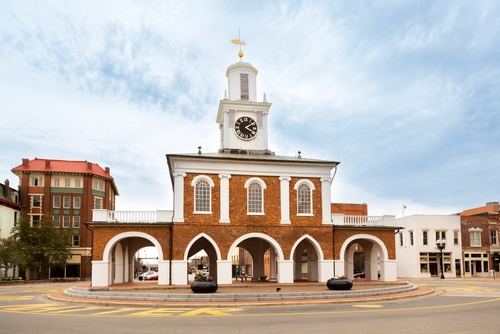
Fayetteville’s housing prices attract military families and retirees. The local economy is heavily tied to Fort Liberty, making it vulnerable to federal changes. Some areas experience higher crime rates than nearby suburbs. Insurance and security costs can reflect that reality.
Noise from training exercises is a surprise for many newcomers. Job options outside the military ecosystem can be limited. Public schools vary widely in quality by neighborhood. What seems like a bargain can come with lifestyle compromises.
16. Hagerstown, Maryland
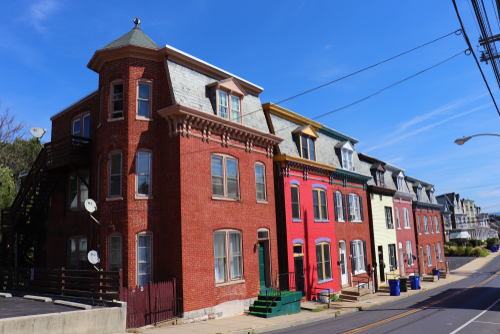
Hagerstown is often marketed as an affordable alternative to the D.C. metro area. Many residents end up commuting long distances, which adds fuel, toll, and time costs. Local wages don’t always match the region’s rising housing prices. Property taxes and fees can also climb.
Economic development has been uneven across the city. Some neighborhoods struggle with vacancy and underinvestment. Winters add heating costs that newcomers may not budget for. The savings on home price can disappear in daily expenses.
This post These ‘Affordable’ Towns Turn Into Nightmares After You Move was first published on American Charm.

