
1. San Francisco, California

San Francisco is the poster child for working hard and still falling behind. Salaries are high in tech and finance, but housing costs have risen far faster than wages across most industries. Even professionals earning six figures often rent indefinitely and delay basic milestones. The city turns strong incomes into fragile lifestyles.
The wealth gap is impossible to ignore here. Teachers, nonprofit workers, and service employees regularly work multiple jobs to stay housed. Homeownership usually requires outside wealth or equity earned somewhere else. For many residents, effort maintains survival rather than building a future.
2. Los Angeles, California

Los Angeles thrives on ambition, but it rarely rewards it evenly. Wages in hospitality, retail, and entertainment lag far behind the city’s housing and transportation costs. Rent regularly consumes more than half of a worker’s income. Long commutes quietly add unpaid labor to every workday.
Job markets here are oversaturated, especially in creative fields. Many workers accept contract roles with no benefits just to stay employed. Financial setbacks can snowball quickly in such a high-cost region. Working harder often just keeps people stuck in neutral.
3. New York City, New York

New York City promises opportunity but demands constant sacrifice. Rent increases have outpaced wage growth across most sectors, not just entry-level work. Taxes, transit, and basic necessities drain paychecks fast. Saving money can feel unrealistic even with a steady job.
Competition keeps wages lower than expected in many industries. Workers often trade long commutes for slightly affordable housing. Career advancement can stall despite experience and education. Hard work here doesn’t always equal financial traction.
4. San Jose, California

San Jose sits at the heart of Silicon Valley, yet many residents are priced out of its success. Tech salaries skew averages upward while non-tech wages lag badly. Housing costs are among the highest in the nation. A solid job still may not cover basic living expenses.
Support workers in healthcare, education, and retail feel this squeeze most. Homeownership is nearly impossible without dual high incomes. Economic mobility depends heavily on industry, not effort. For many, the local economy rewards position more than perseverance.
5. Oakland, California
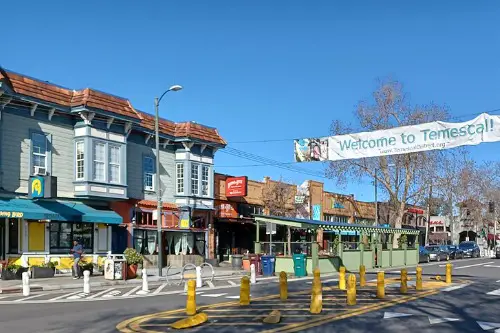
Oakland has seen dramatic cost increases without matching wage growth. Rising rents have followed Bay Area spillover rather than local income gains. Many longtime residents have been pushed farther from job centers. Working full-time doesn’t guarantee housing stability.
Job opportunities exist, but competition is stiff and pay is inconsistent. Public sector and service jobs struggle to keep up with inflation. Community ties often keep people from leaving despite financial strain. Effort here often maintains footing instead of building wealth.
6. San Diego, California
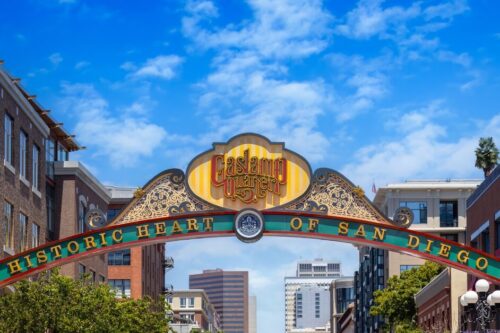
San Diego combines coastal prices with mid-range wages. Tourism, defense, and service work dominate much of the job market. Housing costs rival San Francisco while pay does not. Even professionals feel squeezed.
Many workers rely on roommates well into their thirties. Home prices have surged far faster than incomes. Career growth is slow outside specialized fields. Hard work often sustains lifestyle, not progress.
7. Fresno, California

Fresno appears affordable until wages enter the picture. Agriculture and service jobs dominate the local economy. Many full-time workers still live near or below the poverty line. Employment does not guarantee financial security.
Upward mobility is limited without leaving the region. Higher-paying careers are scarce and competitive. Educational attainment rates trail larger cities. Hard work here often leads to stagnation rather than advancement.
8. Bakersfield, California

Bakersfield offers lower housing costs but limited earning power. Oil, agriculture, and logistics drive the economy, all prone to boom-and-bust cycles. Wage growth has been slow and uneven. Stability is fragile even for experienced workers.
Automation and industry shifts threaten long-term job security. Career diversification options are limited locally. Many residents commute long distances for better pay. Working harder often means working longer, not getting ahead.
9. Stockton, California

Stockton has struggled to recover fully from past economic shocks. Wages remain low while housing costs have steadily climbed. Many workers spend a large share of income on rent. Financial breathing room is hard to find.
Job growth exists but is concentrated in lower-paying sectors. Public services and infrastructure lag behind need. Advancement often requires relocating. For many residents, effort sustains survival, not momentum.
10. Modesto, California
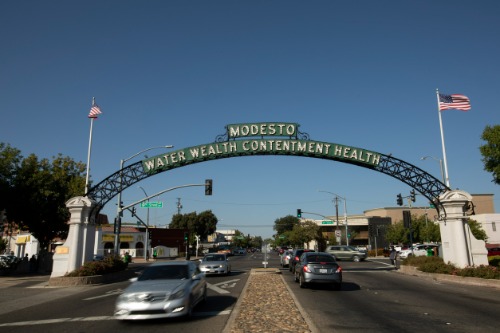
Modesto’s economy leans heavily on agriculture and warehousing. These industries offer stability but limited wage growth. Housing costs have risen faster than local incomes. Full-time work doesn’t guarantee savings.
Professional opportunities are limited without commuting. Young workers often feel boxed in early. Career ceilings appear quickly. Hard work here rarely translates into upward mobility.
11. Seattle, Washington
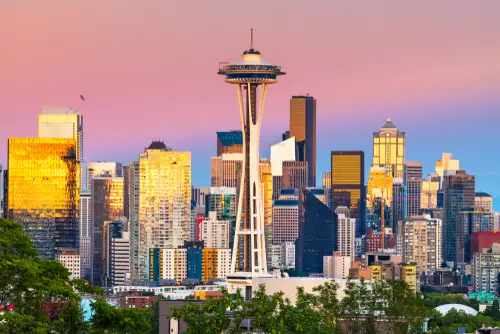
Seattle’s tech boom has reshaped the cost of living. High salaries exist, but they’re concentrated in specific roles. Housing prices and rents have surged citywide. Many workers feel left behind by the growth.
Non-tech wages struggle to keep pace with inflation. Commutes and childcare costs add pressure. Economic inequality is increasingly visible. Effort alone doesn’t bridge the gap.
12. Boston, Massachusetts
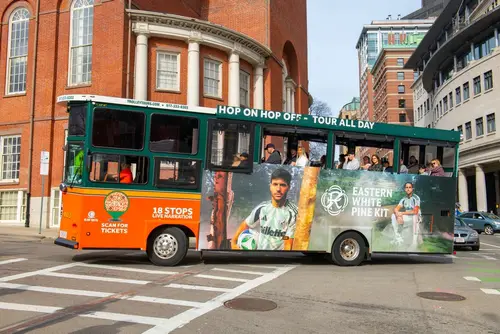
Boston offers strong job markets alongside relentless expenses. Housing, childcare, and transportation costs rank among the highest nationwide. Wage growth hasn’t kept up outside specialized fields. Many professionals still feel financially stuck.
Competition for advancement is intense. Degrees and credentials don’t guarantee mobility. Renters often stay renters indefinitely. Hard work maintains status rather than improving it.
13. Honolulu, Hawaii
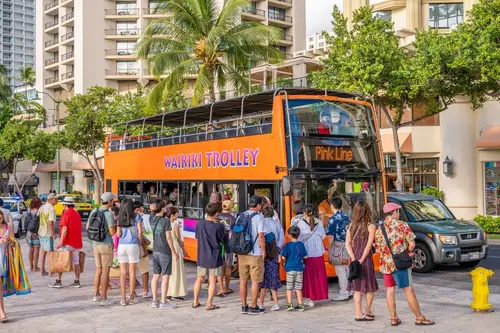
Honolulu pairs modest wages with extreme living costs. Tourism dominates employment, often offering low pay and irregular hours. Housing prices are among the highest in the country. Even dual-income households struggle.
Imported goods drive everyday costs higher. Leaving the islands for opportunity is common but difficult. Local workers face limited career ladders. Hard work often sustains presence, not prosperity.
14. Miami, Florida

Miami’s housing costs have surged while wages lag behind. Many jobs are tied to tourism, hospitality, and services. Rent increases have outpaced income growth dramatically. Full-time workers often rely on side gigs.
Professional advancement is uneven and competitive. Benefits and job security are inconsistent. Cost pressures hit newcomers and longtime residents alike. Effort doesn’t always equal stability here.
15. Phoenix, Arizona
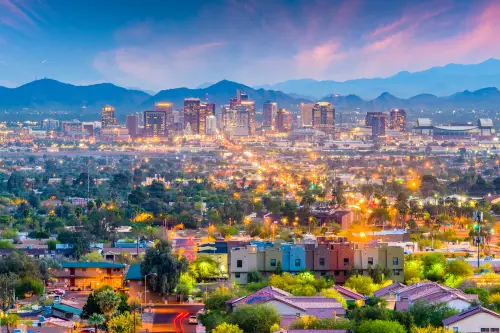
Phoenix has grown rapidly, but wages haven’t caught up. Housing prices rose sharply during recent population booms. Many workers were priced out faster than paychecks adjusted. Affordability eroded quickly.
Job growth leans toward lower-paying service roles. Infrastructure strains add hidden costs like longer commutes. Career mobility can stall early. Working harder often just keeps pace with rising expenses.
This post 15 U.S. Cities Where Working Hard Still Leads Nowhere was first published on American Charm.

