
1. Gender Reveal Parties
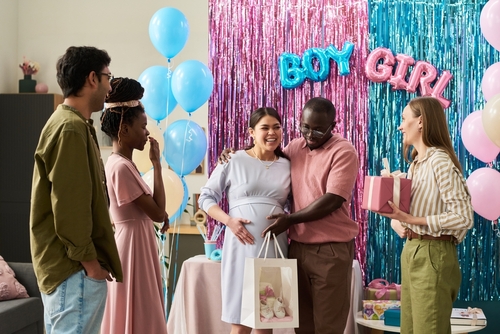
Gender reveal parties became popular only in the last 15 years. Some escalated into dangerous stunts involving explosives or wildfires. Those incidents shifted public opinion almost overnight. What once seemed cute now feels risky.
Cultural understanding of gender has also changed. More people recognize that gender identity isn’t guaranteed or binary. Celebrating a fixed outcome before birth can feel outdated. Guests are often unsure how enthusiastically they’re supposed to react.
2. Tipping Almost Everywhere

Tipping used to be limited to restaurants, bars, and taxis. Now it shows up on payment screens at coffee counters, bakeries, retail shops, and even airport kiosks. The sudden expansion forces customers to make split-second ethical decisions in public. That uncertainty is what makes the interaction feel awkward.
There’s also a structural reason behind the discomfort. In many states, tipped workers are still legally paid a lower minimum wage. Customers know they are partially responsible for closing that gap. Every tap on a screen can feel less like appreciation and more like obligation.
3. The Pledge of Allegiance in Schools
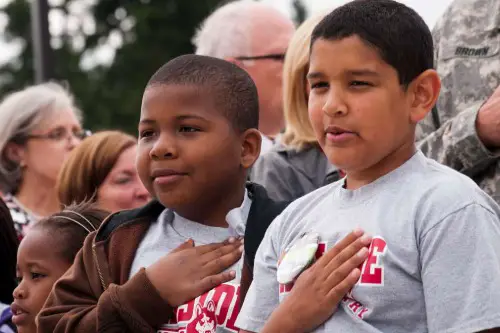
For much of the 20th century, the Pledge of Allegiance was treated as a routine part of the school day. Today, increased awareness of free speech rights has changed how people view it. Students are legally allowed to sit out, but that choice can still draw attention. The mismatch between legal rights and social pressure creates tension.
The wording itself also draws scrutiny. The phrase “under God” was added in 1954 during the Cold War, not at the nation’s founding. Families now hold very different beliefs about religion and nationalism. That makes a once-automatic ritual feel politically charged.
4. Thanksgiving Origin Stories
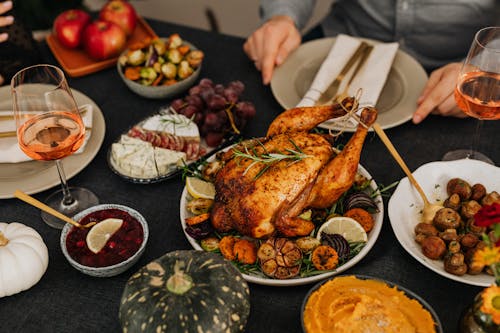
Many Americans grew up with a simplified story of Pilgrims and Native Americans peacefully sharing a meal. As adults, they often learn about colonization, disease, and displacement that followed. Repeating the old version now feels incomplete at best. That awareness makes the tradition feel uneasy rather than innocent.
Thanksgiving also brings people with different historical understandings to the same table. Conversations about the holiday’s meaning can quickly get uncomfortable. Even attempts to acknowledge Indigenous history can feel rushed or symbolic. Gratitude remains central, but the framing is harder to navigate.
5. Black Friday Doorbusters
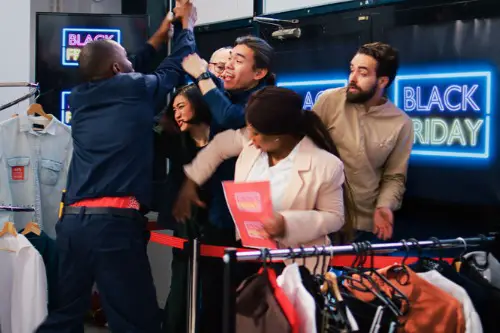
Waiting in line overnight for deals used to be a badge of honor. Over time, reports of injuries and fights at stores changed the tone. Online shopping and extended sales have also made the chaos unnecessary. The spectacle now feels excessive.
There’s also a values conflict involved. Black Friday immediately follows a holiday centered on gratitude and restraint. The abrupt pivot to aggressive consumption feels jarring. What once felt thrilling now feels exhausting.
6. Singing “Happy Birthday” in Public
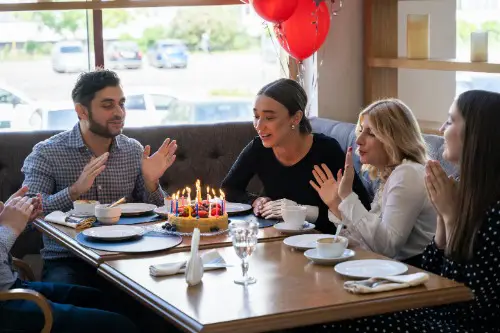
Public birthday singing forces attention onto one person without much warning. Restaurant staff and nearby diners are pulled into the moment whether they want to be or not. The person being celebrated often doesn’t know where to look. That shared discomfort is hard to ignore.
The ritual also varies wildly by location. Some restaurants perform elaborate songs, while others rush through it awkwardly. There’s no polite way to opt out once it starts. What’s meant to be joyful can feel like social ambush.
7. Maintaining the Perfect Lawn
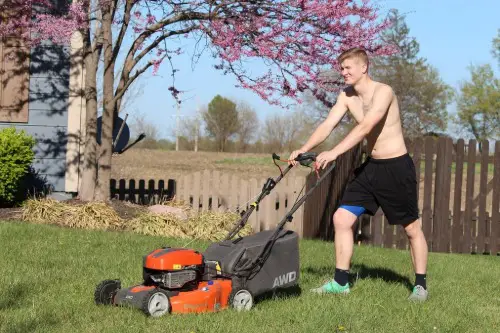
The manicured lawn has long symbolized responsibility and success. Today, water shortages and climate concerns complicate that image. In drought-prone areas, lush lawns can feel irresponsible. Neighbors don’t always agree on what looks “acceptable.”
Environmental awareness adds another layer. Traditional lawns require fertilizers, pesticides, and constant mowing. Native plants and low-water yards are gaining popularity, but they still face stigma. Homeowners often feel stuck between tradition and sustainability.
8. Fireworks on the Fourth of July
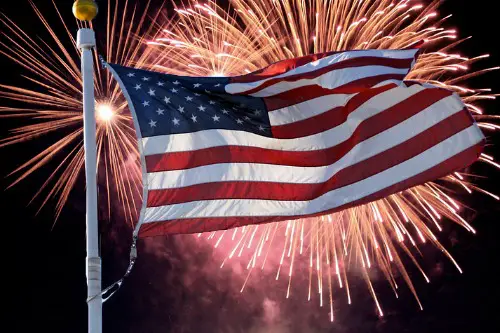
Fireworks are deeply tied to Independence Day celebrations. At the same time, wildfire risks have increased across much of the country. Concerns about pets, wildlife, and veterans with PTSD are more openly discussed. The noise and danger feel harder to justify.
Local regulations vary widely. Some cities ban fireworks outright, while others barely enforce rules. That creates conflict between neighbors with different tolerance levels. A celebration of freedom can quickly turn into neighborhood tension.
9. Casual Friday at Work
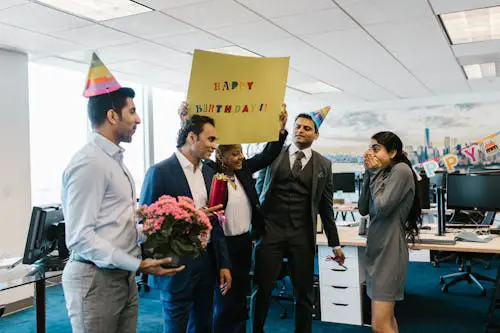
Casual Friday once felt like a special break from office norms. Now many workplaces are casual every day or fully remote. Dressing down one specific day can feel outdated. Employees aren’t always sure what “casual” means anymore.
The ambiguity can create anxiety rather than relief. Different generations and departments interpret dress codes differently. People worry about looking unprofessional or out of touch. What was meant to reduce pressure sometimes adds it.
10. College Football Tailgating Excess
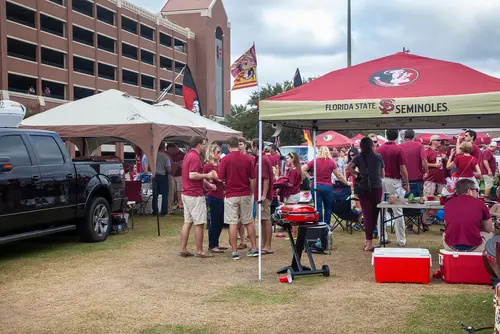
Tailgating has long been part of college football culture. In recent years, concerns about binge drinking and safety have grown. Universities face pressure to balance tradition with liability. That scrutiny changes how the parties feel.
There’s also increased awareness of who feels excluded. Not everyone drinks or enjoys loud, crowded environments. What was once assumed to be harmless fun can feel alienating. The excess now stands out more than the school spirit.
11. Open-Plan Office Small Talk
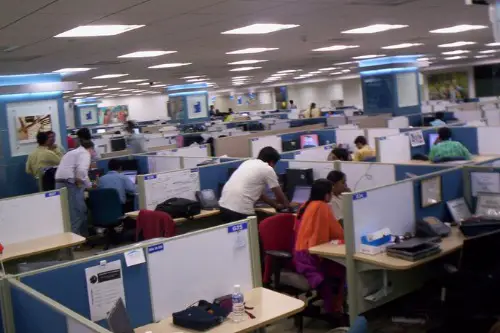
Open offices were designed to encourage collaboration. In practice, they force constant low-level social interaction. People feel pressure to appear friendly and engaged at all times. That can be draining rather than connective.
Remote and hybrid work have sharpened this contrast. Many workers realized how much mental energy constant chatter required. Returning to open offices can feel intrusive. The tradition of enforced friendliness now feels awkward instead of collegial.
This post Why So Many American Traditions Suddenly Feel Awkward Now was first published on American Charm.

