
1. Salem, Massachusetts
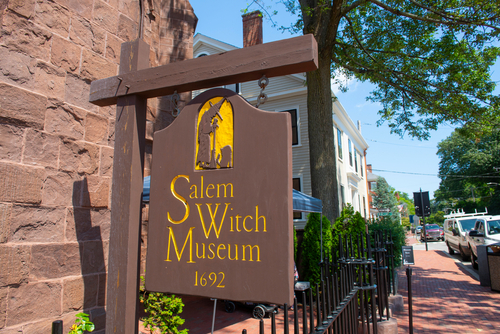
Salem feels off because its most famous chapter refuses to stay in the past. The 1692 witch trials are woven into daily life, from street names to museums to Halloween crowds that outnumber residents. Even when you’re just grabbing coffee, you’re standing on ground tied to executions and mass hysteria. That constant proximity to history gives the town an uneasy undercurrent.
What makes Salem especially strange is how normal it otherwise feels. It’s a working coastal city with commuters, schools, and modern shops. Yet the economy openly leans into a tragedy rooted in fear and misinformation. The contrast between everyday life and moral catastrophe never fully settles.
2. Centralia, Pennsylvania
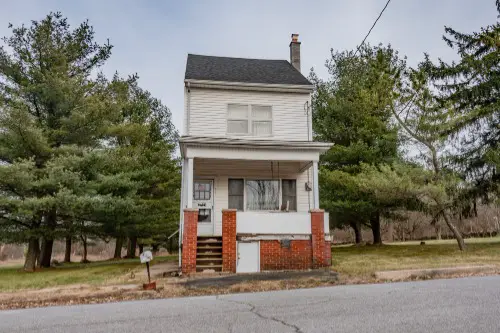
Centralia feels off because it’s literally burning from the inside. An underground coal seam fire, ignited in 1962, has been smoldering beneath the town for decades. Most residents were eventually forced to relocate due to toxic gases and sinkholes. What remains is a near-empty grid of roads leading nowhere.
Walking through Centralia feels like trespassing on a place time forgot. Streets are still named, but houses are gone, leaving only foundations and overgrown lots. Steam vents rise from the ground in cold weather, which is unsettling even when you know why. The town exists in limbo, officially unincorporated but not entirely erased.
3. Roswell, New Mexico
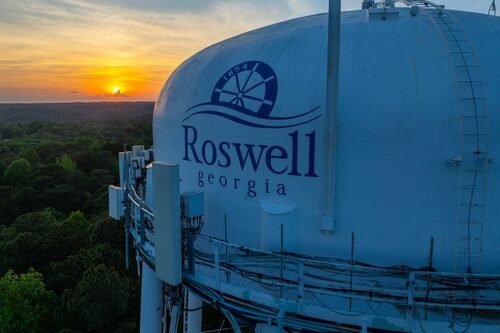
Roswell feels off because one event in 1947 permanently rewrote its identity. The reported crash of an unidentified object outside town sparked decades of UFO speculation. Official explanations never fully convinced the public, and the story took on a life of its own. Today, aliens are baked into the town’s personality.
What’s strange is how openly Roswell embraces the mystery. Streetlights are shaped like flying saucers, and museums present theories alongside artifacts. Residents live normal lives in a place globally associated with extraterrestrials. The result is a town that feels half tongue-in-cheek, half genuinely unresolved.
4. Point Pleasant, West Virginia
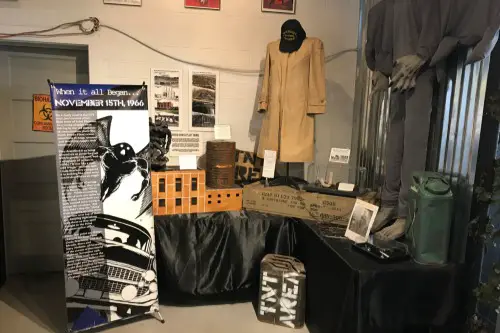
Point Pleasant feels off because tragedy and legend overlap too neatly. In the 1960s, residents reported sightings of a red-eyed figure later dubbed the Mothman. Not long after, the Silver Bridge collapsed, killing 46 people. The timing cemented the creature’s place in local lore.
The town never fully separated myth from memory. A statue of the Mothman stands downtown, equal parts tourist draw and memorial. Annual festivals keep the legend alive without insisting it’s real. That balance between skepticism and belief creates a persistent sense of unease.
5. Jerome, Arizona
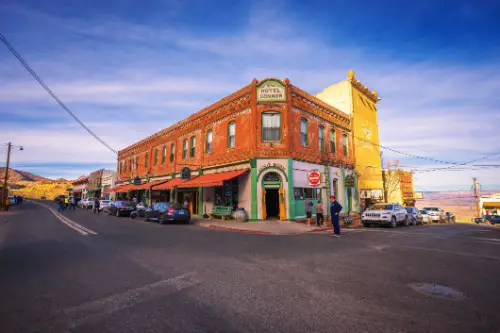
Jerome feels off because it was never meant to survive. Once a booming copper mining town, it nearly collapsed after the mines closed in the 1950s. Landslides caused buildings to slide downhill, and many structures were abandoned. What’s left clings to a mountainside in defiance of gravity.
Today, Jerome markets itself as a ghost town that’s still alive. Former hospitals and hotels are said to be haunted, often by miners and patients who never left. Whether you believe the stories or not, the creaking buildings and steep roads are disorienting. The town always feels one wrong step away from vanishing.
6. Eureka Springs, Arkansas
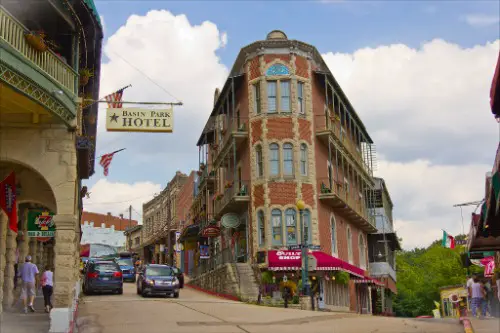
Eureka Springs feels off because it was built to follow the land, not tame it. The entire town winds through the Ozark hills with almost no straight streets. Buildings sit at odd angles, connected by staircases and narrow bridges. Even longtime visitors get turned around.
The town’s origins add another layer. Natural springs once attracted people seeking cures for serious illnesses. That reputation evolved into a culture of alternative spirituality and eccentric tourism. Victorian architecture paired with unconventional beliefs gives the place a slightly unreal atmosphere.
7. Savannah, Georgia
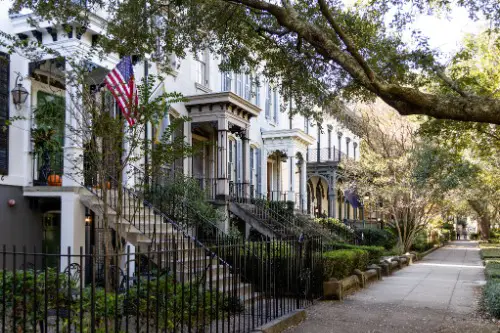
Savannah feels off because beauty and darkness coexist too comfortably. The city is known for its elegant squares and historic homes. Many of those same places are tied directly to slavery, war, and epidemics. The past doesn’t feel distant here.
Savannah’s design deepens that feeling. Cemeteries were integrated into the city plan, placing burial grounds beneath everyday public spaces. Ghost stories are common, but the documented history is heavy enough on its own. It’s a city where charm and grief share the same streets.
8. Marfa, Texas
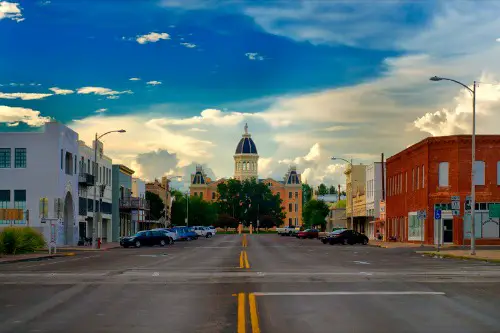
Marfa feels off because it’s isolated and intentionally enigmatic. The town is small, remote, and hours from major population centers. It’s best known for the Marfa Lights, unexplained glowing orbs seen in the desert at night. Despite studies, their cause remains debated.
The art scene complicates things further. Minimalist installations sit starkly against the surrounding emptiness. Visitors often aren’t sure where the town ends and the art begins. That confusion feels deliberate and slightly unsettling.
9. Taos, New Mexico
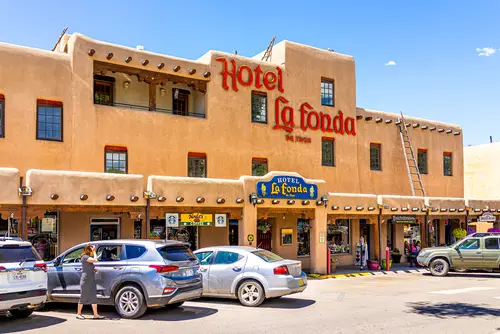
Taos feels off because it exists in multiple eras simultaneously. The Taos Pueblo has been continuously inhabited for more than a millennium. Nearby, artists and spiritual seekers settled in the early 20th century. The cultures coexist without fully blending.
The environment intensifies the sensation. High desert terrain meets dramatic mountains, creating sudden shifts in light and weather. Many visitors report feeling emotionally affected or disoriented. Whether psychological or physical, the reaction is common enough to be notable.
10. Skidmore, Missouri
Skidmore feels off because of one unresolved public act. In 1981, local bully Ken Rex McElroy was shot dead in broad daylight. Dozens of people were present, yet no one was convicted. The case remains officially unsolved.
What unsettles outsiders is the collective silence. Witnesses famously refused to identify the shooter. Over time, the incident became shorthand for vigilante justice. The town still carries the weight of that shared decision.
11. New Madrid, Missouri
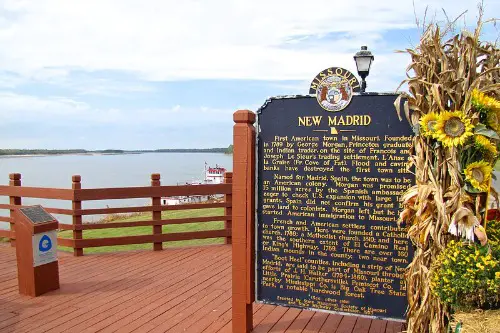
New Madrid feels off because the ground beneath it is historically unstable. Between 1811 and 1812, a series of massive earthquakes struck the region. They were powerful enough to ring church bells on the East Coast. The Mississippi River even briefly flowed backward.
That seismic history lingers in local awareness. The New Madrid Seismic Zone is still active today. Residents live with the knowledge that it could happen again. It gives the quiet town an undercurrent of geological unease.
12. Dudleytown, Connecticut
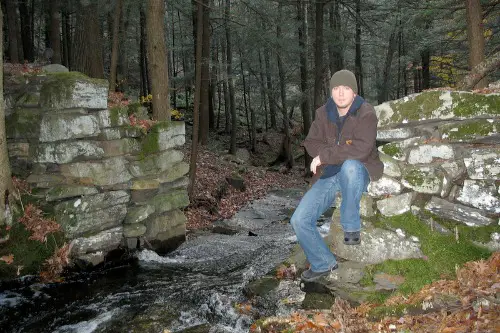
Dudleytown feels off because it no longer officially exists. Once a small settlement, it was gradually abandoned in the late 1800s. Poor farming conditions and economic decline drove people away. Legends later filled the silence.
Stories of curses, madness, and disappearances surround the site. While many claims are exaggerated, the ruins are real. Stone foundations sit deep in the woods, slowly reclaimed by nature. The place feels intentionally erased.
13. Bodie, California
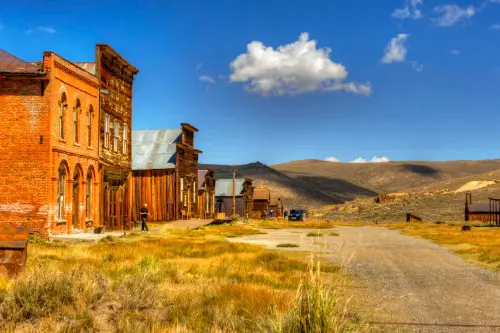
Bodie feels off because it stopped mid-sentence. The gold-rush town boomed in the late 1800s and then rapidly declined. Fires and abandonment froze it in time. Today, it’s preserved in a state of “arrested decay.”
Inside buildings, everyday objects remain exactly where they were left. Schoolbooks, dishes, and furniture sit untouched. The silence is profound and deliberate. Bodie feels less like a museum and more like a paused life.
This post These 13 American Towns Have Always Felt Slightly…Off was first published on American Charm.

