1. Jackson, Wyoming

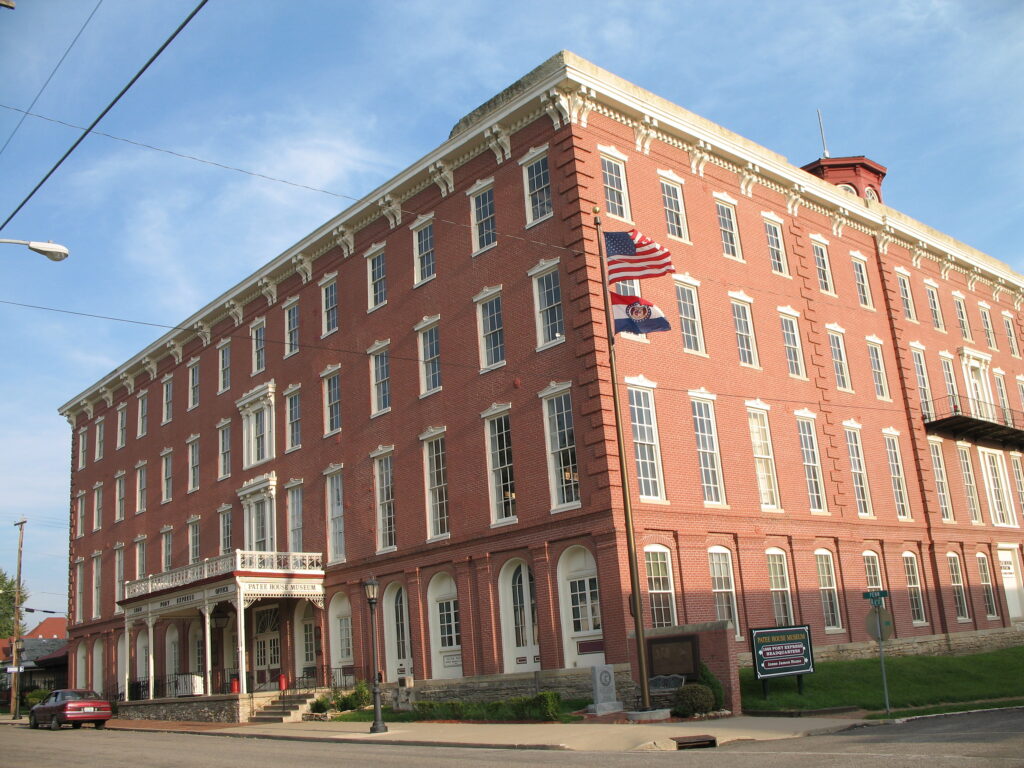
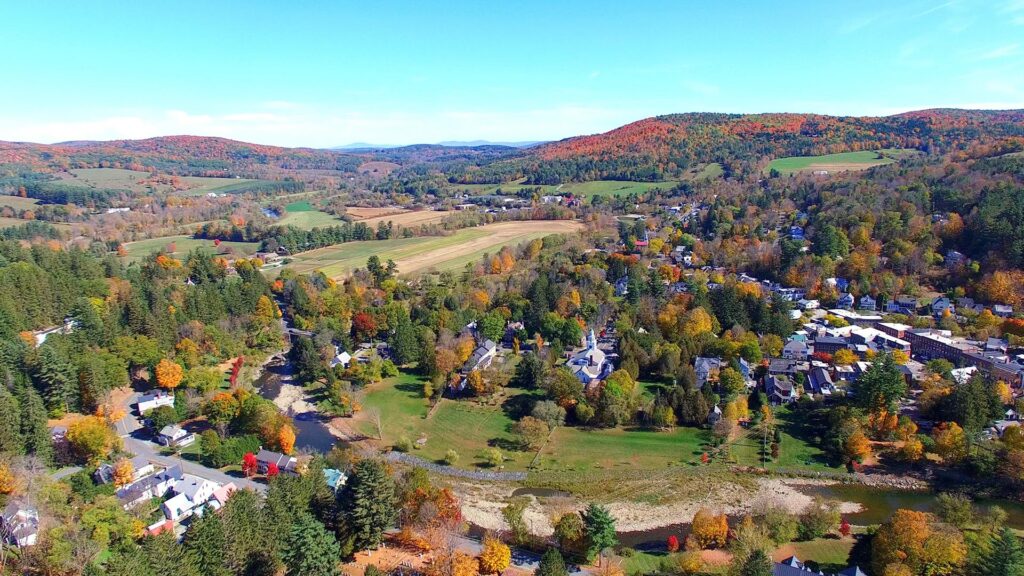
Jackson has become a magnet for visitors who feel like they’ve uncovered a secret gateway to the Tetons. Its proximity to both Grand Teton and Yellowstone National Parks means summer crowds swell far beyond what the town was built to handle. Locals regularly deal with traffic jams caused by wildlife sightings and park backups spilling into town. Housing costs have skyrocketed as short-term rentals and second homes replace long-term residences.
Residents often say the frustration isn’t tourism itself, but the constant rediscovery narrative. Jackson has been a well-known destination for decades, yet each year brings another influx acting like it’s brand new. Seasonal workers now commute from far outside town because they can’t afford rent. The sense of community has thinned as fewer full-time residents can stay.
2. Sedona, Arizona
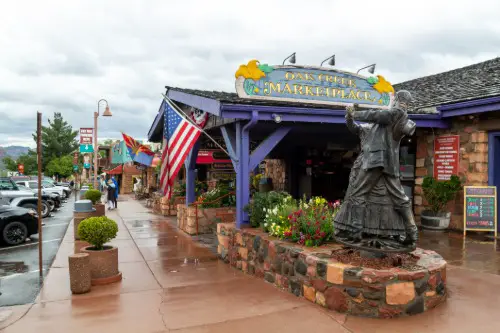
Sedona’s red rock formations have turned it into a recurring viral sensation, especially on Instagram and TikTok. The town sees millions of visitors annually despite having a relatively small permanent population. Traffic congestion on the main roads can turn a short drive into an hour-long ordeal. Popular trailheads often overflow, prompting the city to add shuttle systems and parking restrictions.
Locals point out that Sedona never stops being “discovered” because social media keeps reframing it as a hidden gem. The influx has strained water resources in a desert environment already under pressure. Longtime residents say quiet hikes and stargazing are harder to enjoy each year. Many worry that the natural beauty drawing people in is being slowly loved to death.
3. Aspen, Colorado
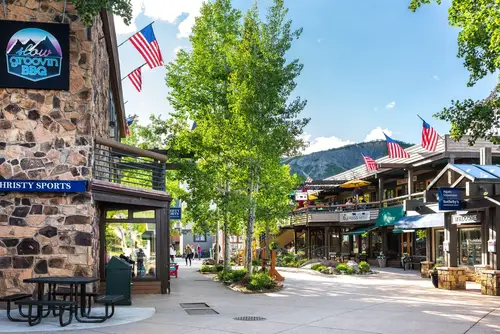
Aspen has long been synonymous with luxury skiing, yet it continues to be marketed as an exclusive escape people just found. The town’s population is small, but winter and summer seasons bring massive spikes in visitors. Housing prices are among the highest in the country, forcing workers to live far downvalley. Traffic on Highway 82 is a daily reminder of how crowded the region has become.
What frustrates locals is the disconnect between the image and reality of living there. Aspen relies on service workers, teachers, and first responders who often can’t afford to live nearby. Short-term rentals exacerbate the housing shortage. The town’s repeated “rediscovery” keeps intensifying these pressures rather than easing them.
4. Key West, Florida
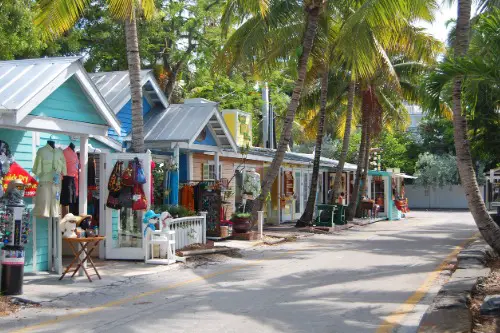
Key West’s reputation as a laid-back island paradise keeps pulling in new waves of tourists every year. Cruise ships regularly unload thousands of day visitors into a town with limited space. Duval Street can feel like a constant party, which wears on residents trying to live normal lives. Infrastructure like roads and wastewater systems strain under the volume.
Locals say Key West hasn’t been undiscovered in generations, yet it’s marketed that way repeatedly. Housing costs have surged as vacation rentals replace residential homes. Hurricanes and climate risks make infrastructure challenges even more serious. Many residents feel the island’s quirky, tight-knit character is slowly eroding.
5. Gatlinburg, Tennessee
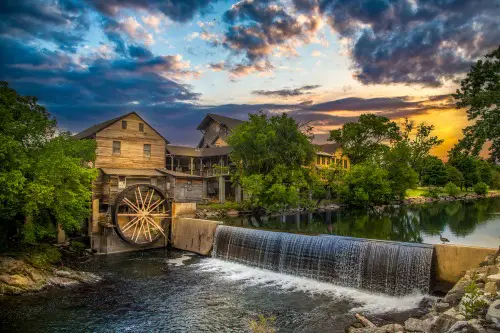
Gatlinburg sits at the entrance to Great Smoky Mountains National Park, the most visited national park in the country. That location brings constant traffic, crowded trails, and packed downtown streets. The town’s population is small compared to the millions who pass through annually. Seasonal congestion can stretch for miles along the main park roads.
Residents are weary of hearing that Gatlinburg is a newly discovered mountain escape. Tourism dominates the local economy, leaving little room for other industries. Housing options for locals are limited because so much property caters to visitors. The town struggles to balance park access with livability.
6. Moab, Utah
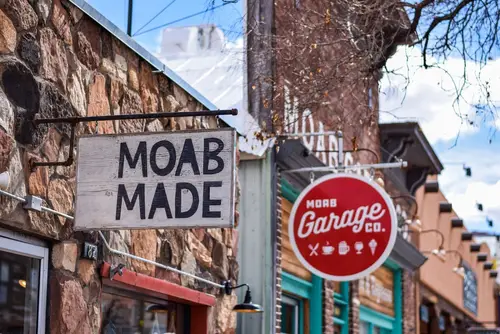
Moab has become a poster child for outdoor adventure tourism, thanks to nearby Arches and Canyonlands National Parks. The town’s trails, roads, and campsites are under constant pressure from off-road vehicles and hikers. Arches now requires timed entry reservations to manage crowds. Even grocery shopping can be difficult during peak seasons.
Locals say Moab’s rediscovery cycle never ends because outdoor trends keep changing. Each new activity boom brings more visitors than the last. Housing shortages are severe, especially for service workers. The desert environment makes overuse particularly damaging.
7. Park City, Utah
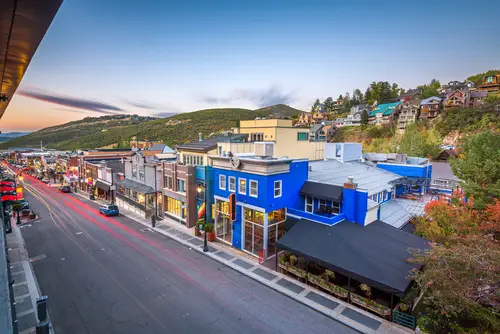
Park City draws visitors year-round with ski resorts, film festivals, and summer events. Its small historic core wasn’t designed for heavy traffic or large crowds. During Sundance, the town becomes nearly unrecognizable to residents. Housing prices have risen sharply as second homes and rentals dominate.
The frustration comes from being framed as an up-and-coming destination every winter. Park City has been internationally known for decades. Local workers often commute from neighboring towns. The sense of being a real community gets overshadowed by event-driven tourism.
8. Lahaina, Hawaii
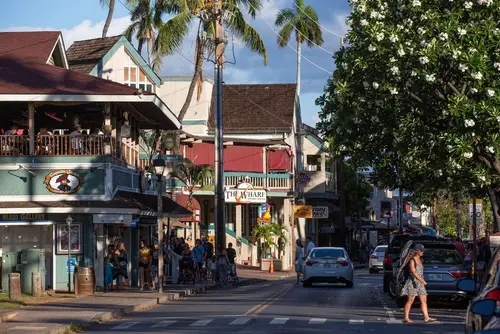
Before the 2023 wildfire, Lahaina was already overwhelmed by tourism tied to cruise ships and resort traffic. The historic town served as a cultural center with deep Native Hawaiian roots. Crowds often packed Front Street daily, making daily life difficult for residents. Infrastructure and water resources were under constant strain.
Residents had long pushed back against the idea that Lahaina was a newly discovered paradise. Tourism often overshadowed the town’s cultural significance. Many locals felt their history was being reduced to a backdrop for vacation photos. The repeated rediscovery narrative added to long-standing tensions.
9. Marfa, Texas
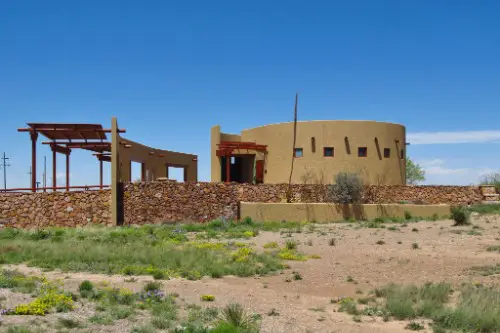
Marfa’s transformation into an art-world destination brought global attention to a tiny desert town. Its population hovers around a few thousand, yet tourism has reshaped the local economy. Housing prices and rents climbed as visitors sought short-term stays. Even basic services have struggled to keep up.
Locals say Marfa’s appeal was once its isolation and simplicity. Being labeled a hidden gem year after year undermines that identity. The influx has changed the social fabric of the town. Many longtime residents feel pushed to the margins.
10. Bar Harbor, Maine
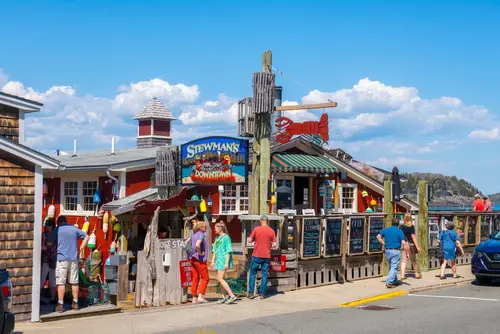
Bar Harbor serves as the main gateway to Acadia National Park, drawing heavy seasonal tourism. Cruise ships bring thousands of passengers into town for short visits. Traffic congestion and packed sidewalks are common in summer and fall. The town’s infrastructure strains during peak months.
Residents are tired of hearing Bar Harbor described as a secret coastal escape. The town has managed tourism for generations. Housing for workers is increasingly scarce. Locals worry about preserving the character that made the town appealing in the first place.
11. Bozeman, Montana
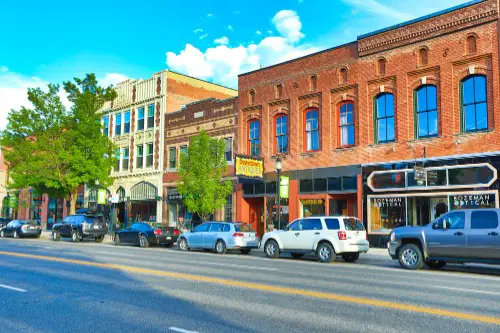
Bozeman has seen explosive growth thanks to outdoor recreation and remote work trends. Proximity to Yellowstone and ski areas keeps visitor numbers high year-round. Housing costs have surged faster than wages. Traffic and development have transformed the town’s feel.
Locals say Bozeman keeps being rediscovered as a mountain town with “small-town vibes.” That label no longer matches reality. Longtime residents struggle to stay amid rising costs. The pace of change has been exhausting for the community.
12. Telluride, Colorado
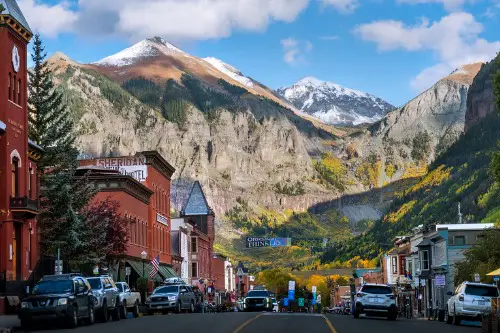
Telluride’s remote location once limited crowds, but that’s no longer the case. Ski season and summer festivals draw large numbers into a narrow box canyon. Housing for workers is extremely limited. Infrastructure challenges are amplified by the town’s geography.
Residents bristle at the idea that Telluride is newly discovered. The town has been a destination for decades. Each wave of visitors pushes costs higher. Locals worry about losing the balance that made Telluride livable.
13. Leavenworth, Washington
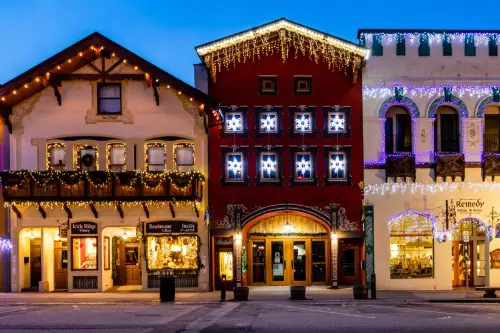
Leavenworth reinvented itself as a Bavarian-style village and became a major tourist draw. Holiday seasons bring overwhelming crowds to the small town. Traffic backups can stretch miles along Highway 2. Local services strain under visitor volume.
Residents say the town’s popularity keeps snowballing with every rediscovery article. What was once a novelty now feels relentless. Housing has become harder to find for locals. Many feel trapped between economic reliance on tourism and quality of life.
14. Taos, New Mexico
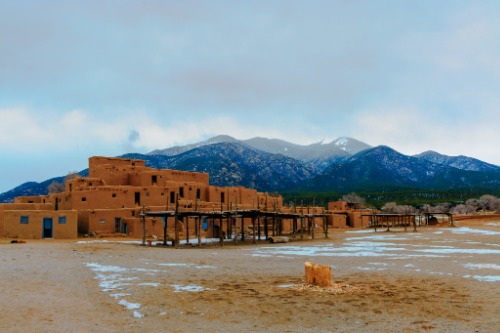
Taos attracts visitors for its art scene, ski resort, and nearby public lands. The town blends Native American, Hispanic, and Anglo cultures with deep historical roots. Tourism has steadily increased, putting pressure on housing and water resources. Seasonal crowds change the rhythm of daily life.
Locals are weary of Taos being framed as an undiscovered creative haven. Its cultural significance long predates modern tourism. Rising costs threaten artist and local communities. Many residents feel the town’s soul is being diluted.
This post These 14 Tourist Towns Are Tired of Being “Discovered” Every Year was first published on American Charm.