
1. Las Vegas, Nevada

Las Vegas depends heavily on tourism and hospitality. When travel dips, jobs disappear quickly. Workers live with constant uncertainty tied to events they can’t control. Few industries exist to cushion those swings.
Even during good times, many roles lack long-term security. Benefits and advancement are inconsistent. The cost of living has risen faster than wages. For many workers, the city feels like a gamble that’s no longer paying off.
2. San Francisco Bay Area, California

The Bay Area used to be the safest bet in America if you had a technical skill and a tolerance for long hours. That bargain has broken down as repeated tech layoffs hit even experienced workers who once felt untouchable. Remote work also drained jobs from the region while leaving housing costs stubbornly high. Many people now find themselves competing for fewer roles while still paying some of the highest rents in the country.
The collapse here feels psychological as much as financial. Workers who moved for opportunity now talk about survival and exit plans. Small businesses that depended on well-paid tech workers are struggling to stay open. The dream didn’t just slow down here; it reversed direction.
3. New York City, New York
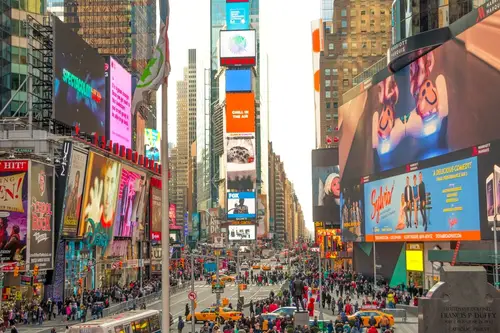
New York still offers opportunity, but the math no longer works for many workers. Office jobs have thinned out as companies downsize or embrace hybrid work. Entry-level and mid-career workers feel especially squeezed between stagnant wages and relentless rent increases. The traditional climb up the ladder now feels narrower and more crowded.
Service workers are also feeling the strain. Tourism and dining rebounded unevenly, leaving hours unpredictable. Long commutes from more affordable neighborhoods steal time and energy. The city’s promise remains, but it’s becoming accessible to fewer people.
4. Seattle, Washington
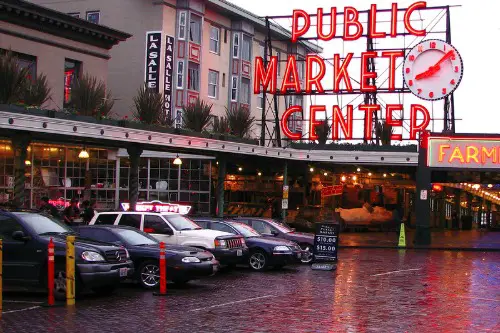
Seattle rode the tech boom hard, and now it’s feeling the hangover. Major employers have cut staff, frozen hiring, or quietly reduced benefits. Workers who relocated for stability are suddenly dealing with uncertainty they didn’t plan for. The local economy’s heavy reliance on a few big players makes downturns hit harder.
Housing costs compound the problem. Prices surged during the boom and haven’t meaningfully corrected. Even well-paid professionals feel financially exposed. The result is a workforce that feels less secure than it did just a few years ago.
5. Austin, Texas
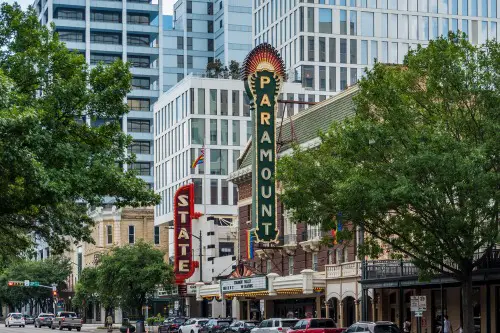
Austin was once the poster child for a modern work dream. Tech companies poured in, and workers followed, chasing jobs and a better lifestyle. Then hiring slowed, layoffs arrived, and wages stopped keeping pace with rent. Many newcomers realized the city changed faster than their careers could.
The local economy is still growing, but not in the way people expected. Competition for good jobs is fierce, and fallback options are limited. Longtime residents feel priced out, while recent arrivals feel misled. The optimism that defined Austin has noticeably cooled.
6. Detroit, Michigan
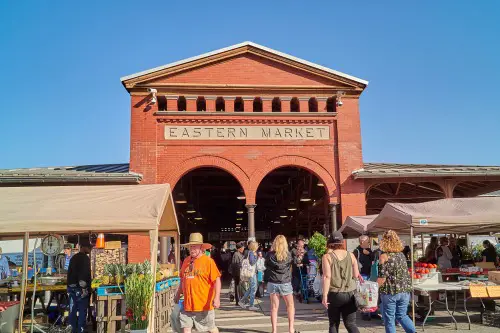
Detroit’s work story has always been complicated. Manufacturing jobs never fully recovered, and the shift toward electric vehicles requires different skills. Workers trained for traditional auto roles are stuck in transition without clear paths forward. Promises of revitalization haven’t translated evenly into stable employment.
Some neighborhoods see growth while others continue to lose jobs. Training programs exist, but they don’t always lead directly to work. Many families rely on patchwork employment to get by. The dream here feels deferred rather than revived.
7. Chicago, Illinois
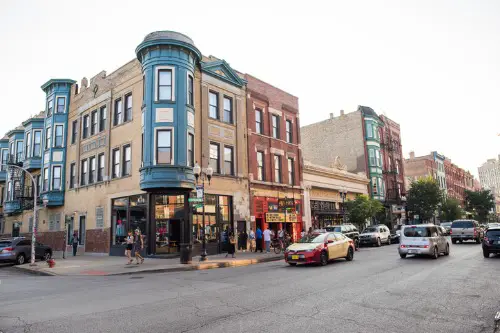
Chicago offers scale and diversity, but its job market has been uneven. Certain sectors thrive while others shrink, leaving workers stranded between industries. Population loss in some areas reflects that frustration. The city feels less like a launchpad and more like a holding pattern.
Cost pressures add to the stress. Property taxes, transportation costs, and housing expenses keep rising. Middle-income workers feel particularly squeezed. Chicago still works for some, but fewer people feel confident betting their future on it.
8. Central Valley, California
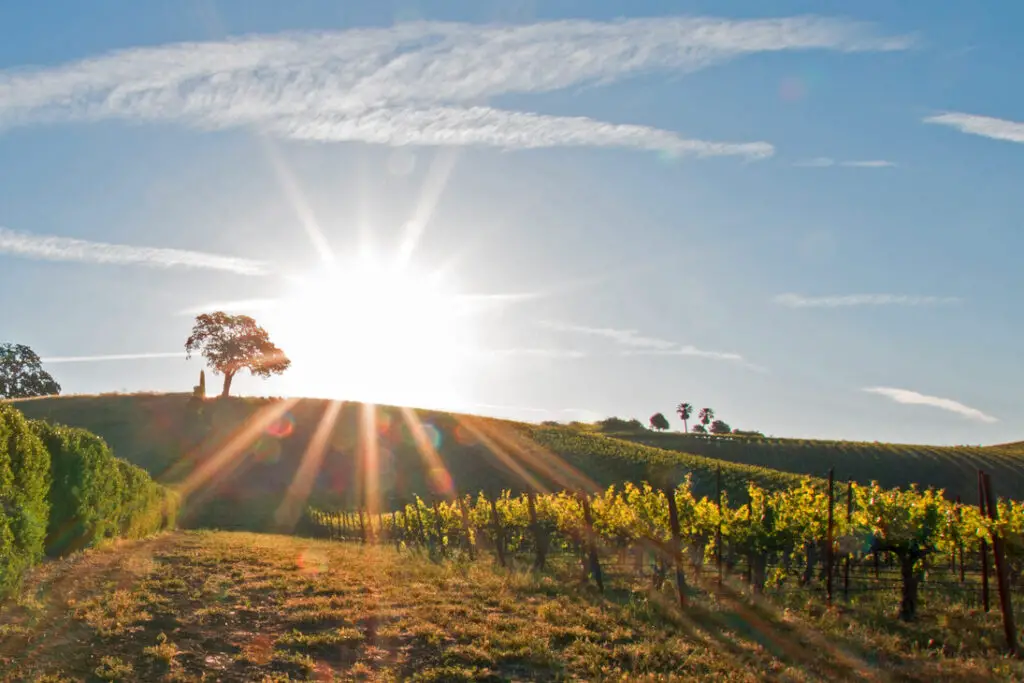
The Central Valley has always done essential work, but it rarely offers stability. Agriculture jobs are increasingly automated or seasonal, limiting steady income. Drought and water restrictions add another layer of uncertainty. Workers face fewer options when one harvest or employer falls through.
Pay often fails to match the cost of living, even outside major cities. Healthcare and benefits are inconsistent at best. Many families rely on multiple earners to survive. The work dream here was fragile to begin with, and it’s thinning fast.
9. Appalachia, West Virginia
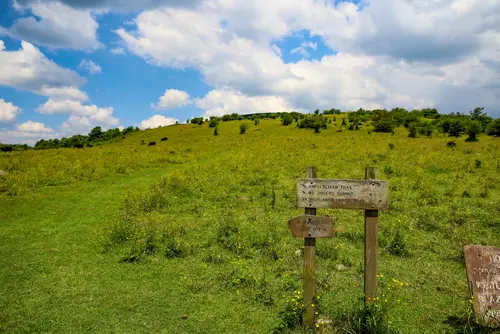
Coal once anchored the economy in much of West Virginia. As those jobs declined, replacement industries never fully arrived. Workers face limited local options and few pathways to retraining that lead to real employment. Younger residents often leave because staying feels like stagnation.
Those who remain juggle low wages and limited benefits. Infrastructure and broadband gaps make remote work harder to access. The sense of being left behind is palpable. The American work promise feels distant in these communities.
10. Mississippi Delta, Mississippi
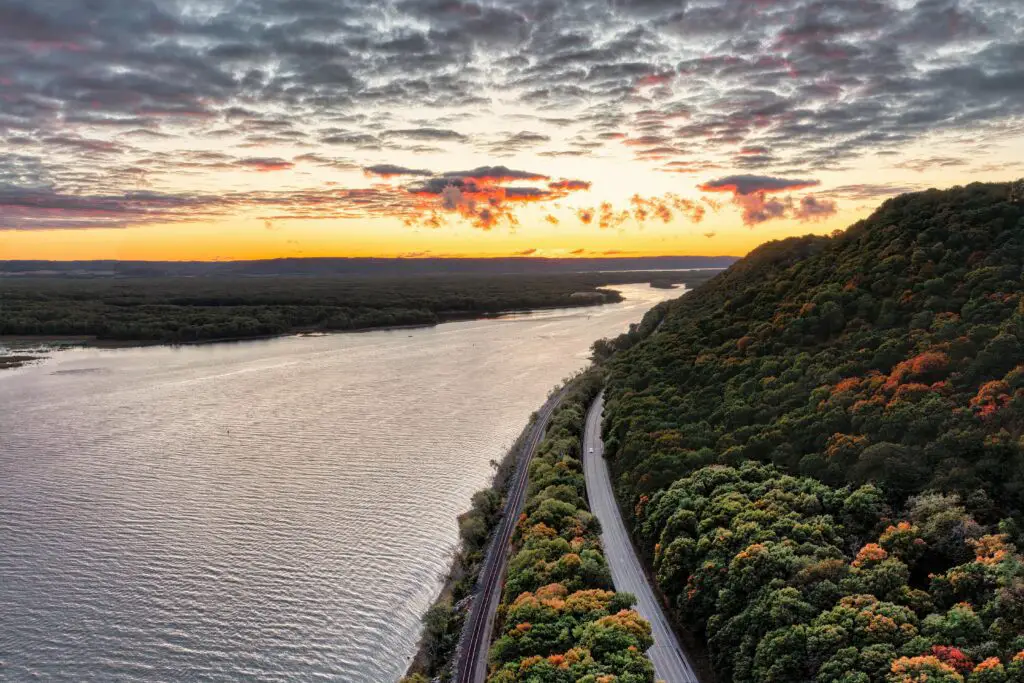
The Mississippi Delta has struggled for generations, and work opportunities remain scarce. Manufacturing and agricultural jobs have steadily declined. What remains often pays poorly and offers little security. Advancement is hard to imagine when basic stability is out of reach.
Economic hardship here is deeply entrenched. Limited investment keeps new industries from taking root. Workers rely heavily on informal networks to find jobs. The dream of work as a path upward rarely materializes.
11. Phoenix, Arizona
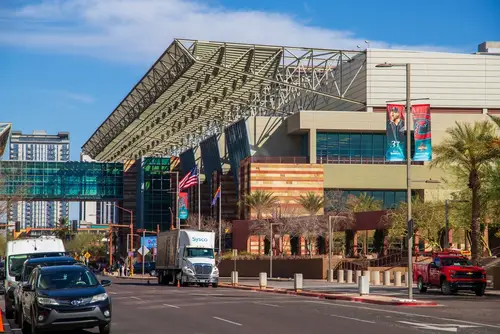
Phoenix grew rapidly on construction, services, and migration. That growth created jobs, but many are low-wage and vulnerable to downturns. Housing costs surged faster than pay, catching workers off guard. Heat-related challenges also affect productivity and working conditions.
The city’s expansion masked underlying fragility. When growth slows, options narrow quickly. Workers feel stretched thin by long commutes and rising expenses. What looked like opportunity now feels like a grind.
12. Miami, Florida
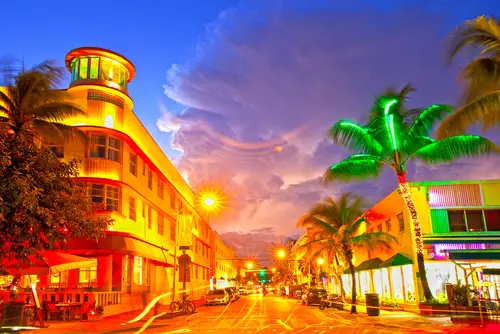
Miami markets itself as a booming, global city. In reality, many jobs are in tourism and services with low wages. Housing costs rival much larger cities, leaving workers deeply rent-burdened. The gap between image and reality is hard to ignore.
Professional jobs exist but are limited and competitive. Many residents rely on multiple income streams to survive. Financial precarity is common even among full-time workers. The dream looks glamorous from afar, but up close it’s unstable.
13. Los Angeles, California
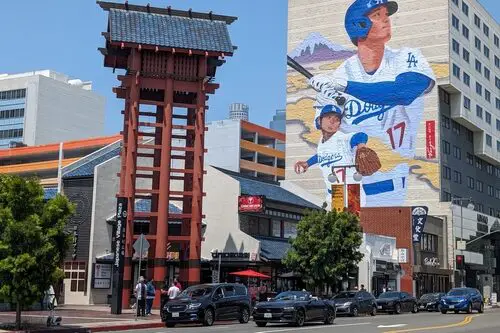
Los Angeles has long sold the idea that hustle plus creativity equals success. That promise is cracking as entertainment work becomes more precarious and production moves out of state. Film and television slowdowns have rippled outward, hurting freelancers, support staff, and service workers alike. Even people with steady credits are finding longer gaps between paychecks.
At the same time, the cost of living keeps climbing. Housing, gas, and basic necessities eat up earnings that already fluctuate wildly. Many workers juggle multiple gigs just to stay afloat. For a city built on ambition, that constant instability is wearing people down.
14. Houston, Texas
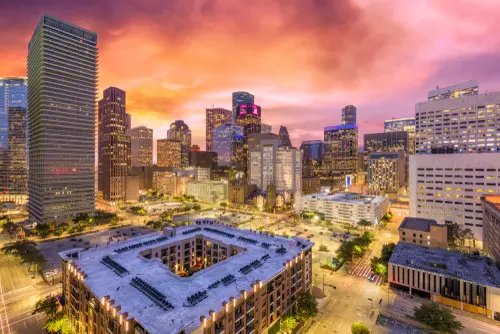
Houston’s economy has long leaned on energy, and that dependence is showing cracks. Oil and gas jobs fluctuate with global markets, creating cycles of hiring and sudden layoffs. Workers often feel secure right up until projects stall or prices fall. Diversification efforts exist, but they haven’t replaced the scale of lost stability.
The city’s sprawl makes downturns harder to manage. Long commutes and rising housing costs stretch paychecks thinner during slow periods. Many workers stay because leaving is expensive and risky. The work dream here feels tied to forces far beyond local control.
15. Orlando, Florida
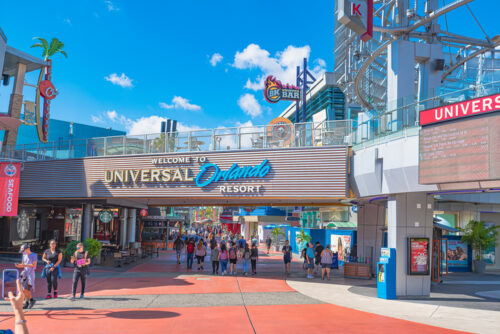
Orlando’s job market revolves around tourism and theme parks. When travel slows, hours shrink or disappear entirely. Workers have little leverage and few alternative industries to fall back on. Stability depends heavily on visitor numbers and seasonal trends.
Housing costs have climbed as newcomers arrive, but wages lag behind. Many service workers take on second jobs to cover basics. Benefits are rare and advancement is limited. The dream of steady work collapses quickly when tourism falters.
16. Silicon Valley Suburbs, California
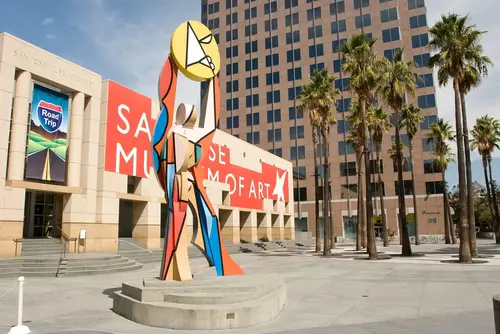
The suburbs surrounding Silicon Valley once promised quieter lives with strong tech paychecks. Layoffs and hiring freezes have undermined that equation. Many workers still pay premium housing costs without the job security that once justified them. Competition for remaining roles is intense and exhausting.
Remote work has also shifted power away from the region. Jobs can now be done elsewhere, but mortgages cannot. Families who stretched to buy feel trapped. The suburban version of the tech dream is unraveling just as fast as the urban one.
17. Rural Ohio Manufacturing Towns
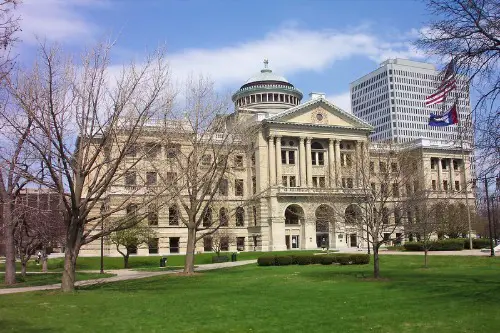
Small manufacturing towns in Ohio are losing employers faster than they can replace them. Plants close or automate, leaving fewer roles for local workers. Retraining programs exist, but jobs often don’t follow. The result is a workforce stuck between old skills and uncertain futures.
Pay in remaining jobs rarely supports a comfortable life. Younger residents leave, shrinking the local economy further. Communities struggle to attract new investment. The work dream here fades quietly, one closure at a time.
18. Denver, Colorado
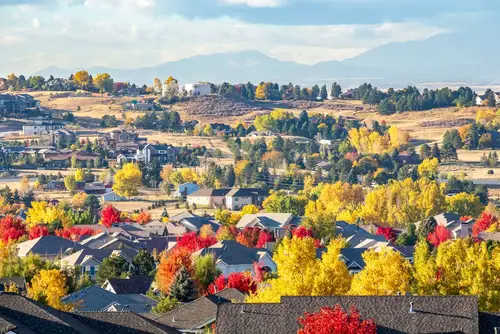
Denver attracted workers with lifestyle perks and a growing job market. Rapid growth pushed housing costs far beyond what many salaries support. Tech and professional layoffs have made that imbalance harder to ignore. Workers who moved for opportunity now face financial stress.
Service and hospitality jobs dominate much of the market. Those roles often lack benefits and predictable hours. Commuting from affordable areas adds time and cost. The dream of balance that defined Denver is slipping away.
19. Nashville, Tennessee
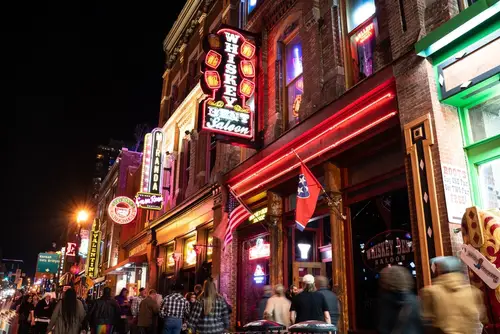
Nashville’s growth has been fueled by entertainment, healthcare, and tourism. That mix creates jobs, but many are low-paying or unstable. Housing prices surged as the city gained popularity. Workers feel caught between growth and affordability.
Creative work is especially precarious. Musicians and freelancers juggle gigs with side jobs to survive. Benefits and long-term security are rare. The city’s cultural shine hides a fragile work reality.
20. Inland Empire, California
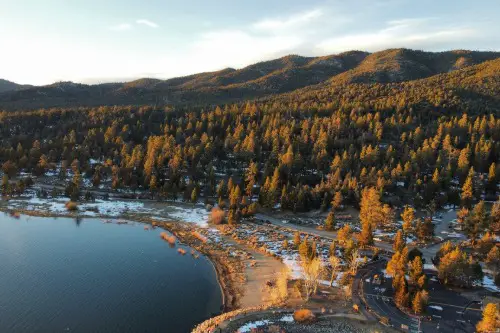
The Inland Empire became a logistics hub as warehouses spread east of Los Angeles. These jobs offer volume but limited upward mobility. Automation threatens long-term security for many roles. Workers often face physically demanding conditions with modest pay.
Housing costs rose as people moved inland for affordability. Wages failed to keep pace with that influx. Long hours and long commutes are common. The promise of steady work feels thinner each year.
21. New Orleans, Louisiana
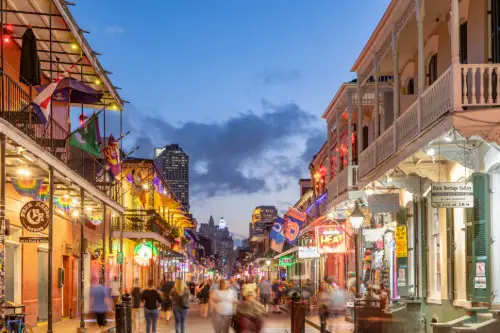
New Orleans relies heavily on tourism, hospitality, and events. Those industries are sensitive to economic shifts and natural disasters. Workers experience frequent disruptions to income. Stability is rare even in good years.
Public sector and professional jobs exist but are limited. Housing and insurance costs strain already modest wages. Many residents rely on informal or seasonal work. The work dream here is constantly interrupted.
22. Northern Wisconsin Timber Regions
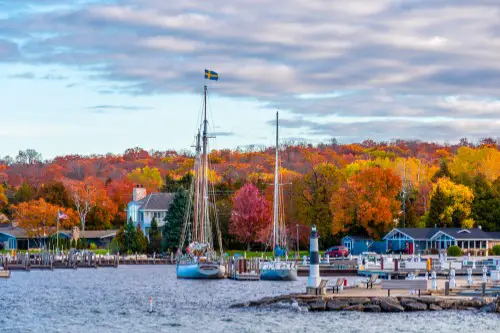
Timber and paper once anchored northern Wisconsin’s economy. Mill closures and automation reduced available jobs. Replacement industries arrived slowly, if at all. Workers often commute long distances or leave entirely.
Seasonal work fills some gaps but lacks security. Benefits are scarce and wages are modest. Younger generations see few reasons to stay. The idea of work as a lifelong anchor has eroded.
23. Southern Arizona Border Communities
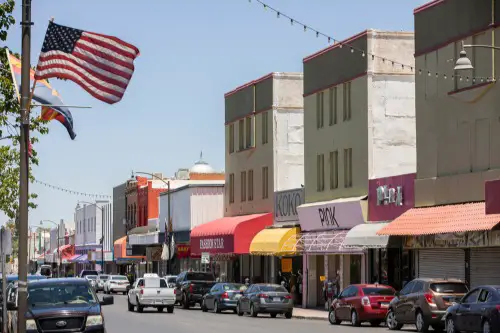
Border communities in southern Arizona face limited job diversity. Trade, agriculture, and services dominate the local economy. Policy shifts and enforcement changes create instability. Workers often feel at the mercy of external decisions.
Pay remains low while living costs rise. Remote work is harder to access due to infrastructure gaps. Many residents work multiple jobs to get by. The American work dream feels especially fragile at the edge.
This post The American Work Dream Is Collapsing in These Places First was first published on American Charm.

