
1. New York City, New York
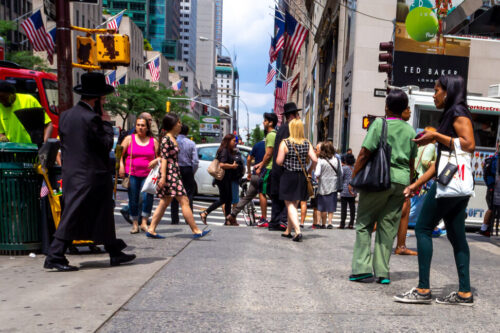
New York’s layoffs in finance, media, and tech reshaped how residents think about security. When even prestigious companies cut staff, people stopped trusting titles alone. Freelancing, consulting, tutoring, and subletting became core survival strategies. The city’s dense networks make it easier to monetize skills quickly.
Rents and everyday expenses leave little margin for income shocks. Many New Yorkers now assume their main job could disappear with little notice. Side hustles act as both backup plans and bargaining chips. Stability here increasingly means having multiple paychecks, not one powerful employer.
2. Austin, Texas
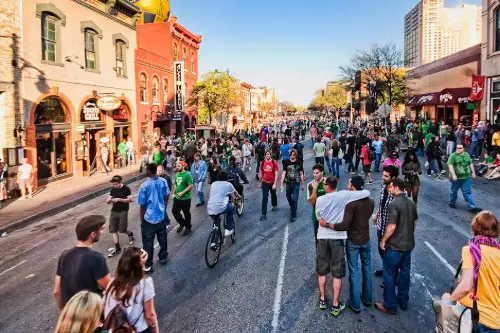
Austin’s explosive growth brought tech money, but it also brought volatility. After waves of startup layoffs and hiring freezes, many residents realized a single salary wasn’t enough insurance anymore. Side hustles like freelance software work, short-term rentals, and food pop-ups filled the income gaps fast. The city’s creative culture made juggling projects feel normal rather than desperate.
The cost of living rose faster than wages for service workers and creatives. Musicians, bar staff, and designers increasingly stack gigs to stay afloat. Even people with “good jobs” often drive rideshare or sell digital products on the side. Stability in Austin now looks more like diversification than loyalty to one employer.
3. Los Angeles, California
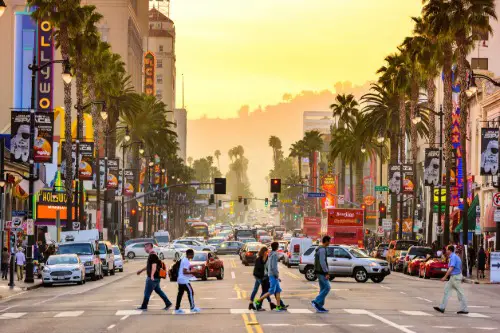
Los Angeles has always had hustle baked into its identity, but it’s shifted from optional to necessary. Entertainment work became more contract-based, and strikes made income unpredictable for thousands. People turned to brand deals, reselling, content creation, and freelance production to smooth out dry spells. A single W-2 job rarely covers rent anymore.
High housing costs force even mid-career professionals to layer income streams. It’s common to meet someone with a day job, a creative side business, and a gig economy fallback. The city rewards visibility and flexibility more than tenure. For many Angelenos, side hustles replaced the idea of long-term employer stability years ago.
4. San Francisco, California
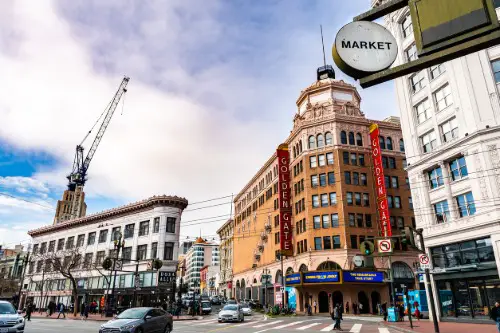
San Francisco’s tech downturn changed the city’s employment math. Engineers and product managers once relied on high salaries and stock options for security. When layoffs hit, many pivoted to consulting, startups, or niche SaaS tools on the side. The skills were there, but the trust in employers wasn’t anymore.
The cost of housing makes income interruptions especially dangerous. Residents learned quickly that diversification mattered more than loyalty. Side projects evolved into real businesses for many former employees. In San Francisco, stability now comes from ownership, not employment.
5. Miami, Florida
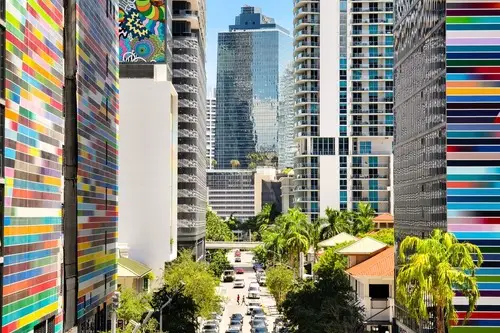
Miami’s influx of remote workers and entrepreneurs reshaped its job culture. Many newcomers arrived with flexible incomes but no long-term guarantees. Crypto, e-commerce, coaching, and short-term rentals became common side plays. The city’s tax advantages encouraged independent income streams.
At the same time, local wages often lag behind housing costs. Longtime residents stack gigs in hospitality, delivery, and online work to keep up. A single employer rarely offers benefits or growth. Miami’s version of stability is fluid and self-directed.
6. Denver, Colorado
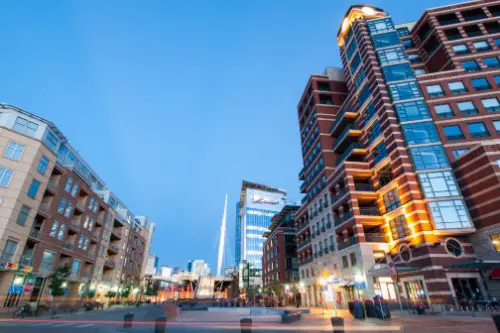
Denver’s growth brought opportunity but also rising costs. As housing prices surged, residents realized traditional salaries weren’t stretching far enough. People leaned into outdoor guiding, freelance work, and online businesses alongside full-time jobs. The city’s entrepreneurial vibe supports this blending of roles.
Layoffs in tech and marketing reinforced the shift. Many workers treat side hustles as mandatory safety nets. It’s common to hear someone describe three income streams without irony. In Denver, stability became something you build, not something you’re given.
7. Seattle, Washington
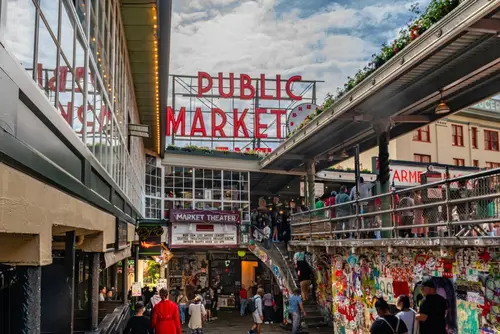
Seattle’s tech-heavy economy made layoffs especially disruptive. When major employers cut staff, ripple effects hit contractors and support industries. Residents with in-demand skills turned to consulting, tutoring, and digital products. Side hustles offered control in a volatile market.
The city’s high cost of living leaves little room for downtime. Even well-paid workers often plan for sudden income loss. Multiple revenue streams feel like basic financial hygiene. Stability in Seattle now means being employable beyond one company.
8. Atlanta, Georgia
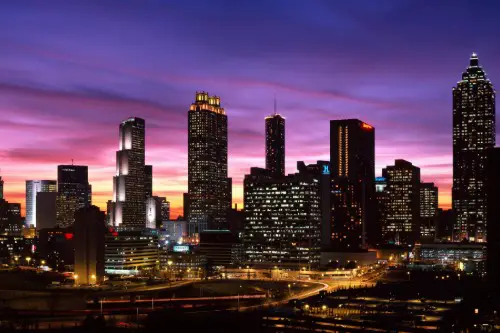
Atlanta’s diverse economy masks a growing income gap. While some sectors thrive, wages haven’t kept pace with housing and transportation costs. People supplement paychecks with rideshare driving, event work, and online retail. The city’s logistics and creative scenes make side work accessible.
Corporate restructuring and contract work are increasingly common. Workers learned not to rely on long-term promises. Side hustles act as buffers against layoffs and slow promotions. Atlanta’s stability story is about adaptability, not permanence.
9. Phoenix, Arizona
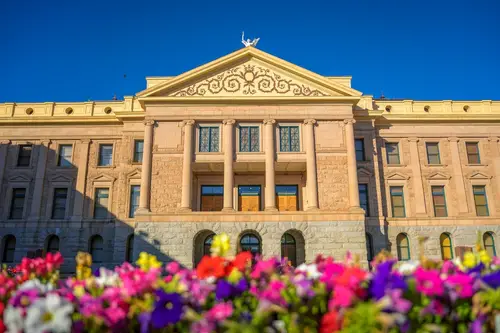
Phoenix attracted workers seeking affordability, but prices rose quickly. Many residents found that salaries didn’t adjust fast enough. Side hustles like home services, resale, and remote freelancing filled the gap. The sprawl made gig work especially practical.
The city also saw growth in contract and seasonal work. That uncertainty pushed people to diversify income early. A single employer rarely feels sufficient anymore. In Phoenix, stability now depends on flexibility and volume.
10. Chicago, Illinois
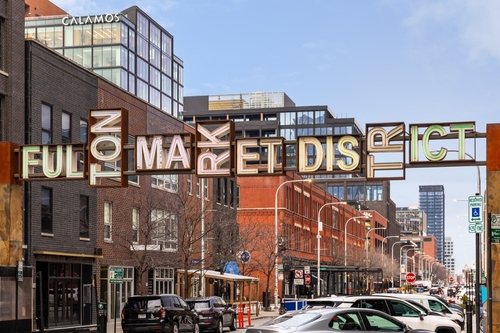
Chicago’s long-standing industries went through quiet but steady contractions. Media, manufacturing, and corporate roles shrank or outsourced work. Residents leaned into consulting, tutoring, and small businesses to compensate. Side hustles became normalized across age groups.
High taxes and rising rents increased pressure on households. People stopped assuming pensions or long-term roles would materialize. Multiple income streams offered predictability in an unpredictable market. Stability in Chicago looks more entrepreneurial than institutional.
11. Las Vegas, Nevada

Las Vegas depends heavily on tourism, making income swings common. When travel slowed, workers quickly felt the impact. Many pivoted to online sales, remote customer service, or gig driving. Side hustles became essential rather than supplemental.
Even as tourism returned, job security didn’t fully recover. Hours fluctuate, and benefits are often limited. Workers learned to expect instability and plan around it. In Las Vegas, side hustles replaced the promise of steady schedules.
12. San Diego, California

San Diego’s mix of tourism, biotech, and military work creates uneven income patterns. Housing costs remain high relative to wages in many sectors. Residents turn to freelancing, short-term rentals, and ecommerce to balance budgets. The beach lifestyle hides real financial strain.
Contract work is common, even in professional roles. People expect transitions and gaps. Side hustles offer continuity when jobs change. Stability in San Diego comes from layering income, not relying on one employer.
13. Portland, Oregon
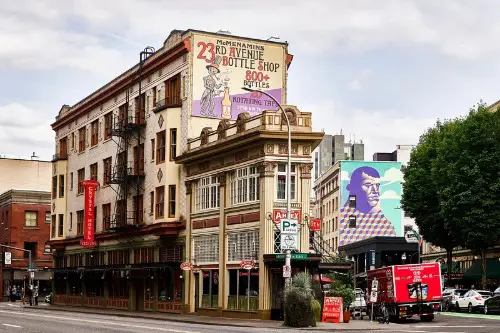
Portland’s creative economy faced setbacks during business closures and layoffs. Many small companies downsized or shut down entirely. Residents leaned into handmade goods, online services, and remote freelance work. The DIY culture made side hustles feel natural.
Rising rents added urgency to the shift. People stopped expecting employers to provide long-term security. Multiple income streams became the norm, not the exception. Portland’s stability story is rooted in self-sufficiency.
14. Nashville, Tennessee

Nashville’s rapid growth changed its employment landscape. Music and tourism jobs often lack consistency and benefits. Residents supplement income through session work, teaching, and online ventures. Side hustles fit seamlessly into the city’s creative identity.
Housing costs rose faster than many pay scales. Workers adapted by diversifying income early. A single gig rarely feels safe anymore. In Nashville, stability comes from staying busy across multiple channels.
15. Boston, Massachusetts

Boston’s education and healthcare sectors remain strong but increasingly competitive. Contract roles and short-term funding cycles are common. Professionals turn to consulting, tutoring, and remote work to stabilize earnings. Side hustles help bridge gaps between appointments and grants.
The city’s high cost of living raises the stakes. Even respected institutions can’t guarantee permanence. Workers plan for change as a constant. Stability in Boston now means having options, not assurances.
This post Side Hustles Replaced Stability in These Cities was first published on American Charm.

