1. A Broad Middle Class That Felt Secure
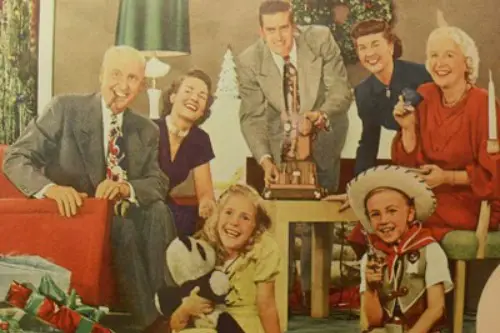
There was a stretch after World War II when a single income could reliably support a family. Manufacturing jobs paid wages that rose alongside productivity, and benefits like pensions were common. People expected steady progress if they worked hard and stayed loyal to an employer. That sense of security shaped how Americans imagined adulthood.
This nostalgia sticks because it was grounded in real economic conditions. From roughly 1947 to the early 1970s, middle incomes rose consistently and inequality remained comparatively low. Globalization, automation, and policy changes weakened that system over time. What people miss most is not wealth, but predictability.
2. Affordable Homeownership as a Normal Goal

Buying a home once felt like a milestone most people would reach, not an exceptional achievement. Starter homes were smaller, simpler, and closer to jobs. Mortgage payments typically took up a manageable share of income. Owning a house symbolized stability rather than financial risk.
This feeling faded as housing prices began rising faster than wages in the late 20th century. Zoning restrictions, limited supply, and speculative investment reshaped the market. Earlier generations often bought homes in their twenties or early thirties. Younger Americans now face higher prices, larger down payments, and heavier debt.
3. Trust That Institutions Basically Worked
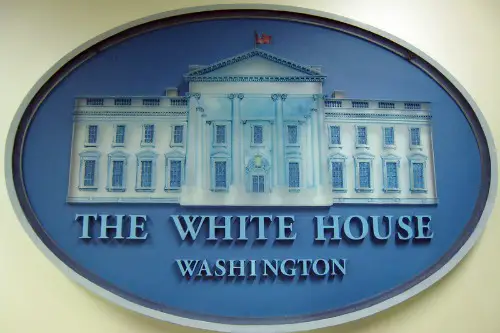
There was a time when many Americans believed government, media, and major companies were imperfect but functional. News was consumed from a handful of shared sources. Disagreements existed, but they didn’t always feel existential. People assumed systems could be fixed rather than scrapped.
That trust declined after Vietnam, Watergate, and later financial crises. Repeated failures made skepticism the default posture. Fragmented media and partisan messaging deepened the divide. What’s missed is the shared assumption that institutions served the public at least some of the time.
4. Stable Jobs That Lasted Decades
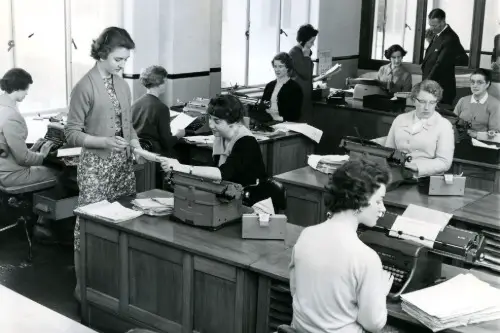
Many Americans remember an era when staying at one company for most of a career was normal. Loyalty was rewarded with raises, promotions, and retirement benefits. Work was stressful, but it didn’t feel temporary. The future felt legible.
That stability eroded as companies prioritized flexibility and shareholder value. Layoffs became routine, and pensions were replaced by individual retirement accounts. Workers learned to expect disruption rather than continuity. What people miss is not monotony, but security.
5. College as a Clear Path to Mobility

College once felt like a reliable ticket to a better life. Tuition was low enough that students could work part-time and graduate with little or no debt. A degree strongly increased earning potential. The bargain seemed straightforward.
This memory persists because higher education used to be heavily subsidized by states. Tuition rose sharply starting in the 1980s as public funding declined. Student loan debt became a defining feature of adulthood. What Americans miss is the clarity of the investment.
6. Shared National Moments
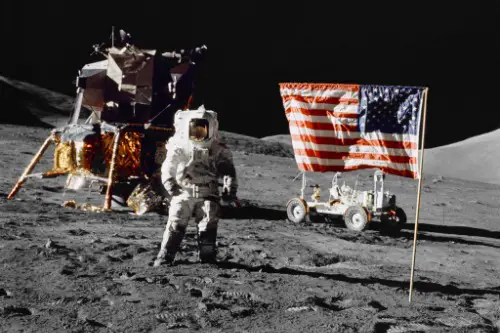
There was a time when most people watched the same TV shows and major events together. A moon landing, a season finale, or a championship game felt unifying. Cultural references were widely understood. It created a sense of collective experience.
That unity faded with cable, streaming, and social media fragmentation. Audiences splintered into niches with little overlap. The country still experiences big moments, but fewer are truly shared. What’s missed is the feeling of being part of the same conversation.
7. Public Spaces That Encouraged Lingering

Malls, downtowns, and local parks once served as informal gathering places. Teenagers hung out without buying much. Adults ran errands and ran into neighbors. These spaces fostered casual social connection.
Many of those places declined due to suburban sprawl, online shopping, and budget cuts. Private spaces replaced public ones. Social interaction became more transactional. People miss environments where presence mattered more than spending.
8. Economic Growth That Felt Personal

For decades, national economic growth translated into higher wages for average workers. Productivity gains showed up in paychecks. People felt progress in their daily lives. Prosperity seemed shared.
Over time, growth became concentrated at the top. Wages stagnated even as productivity rose. Headlines about strong economies stopped matching personal experience. Americans miss when “the economy” felt like something they participated in.
9. Clear Milestones of Adulthood

Adulthood once followed a recognizable sequence: job, marriage, house, kids. Timelines varied, but expectations were widely shared. Life stages felt socially supported. Deviating felt like a choice, not a failure.
Economic pressure disrupted those milestones. Delayed marriage, delayed homeownership, and delayed parenthood became common. The script didn’t disappear, but it stopped working. What’s missed is the sense of forward motion.
10. Local Businesses as Community Anchors
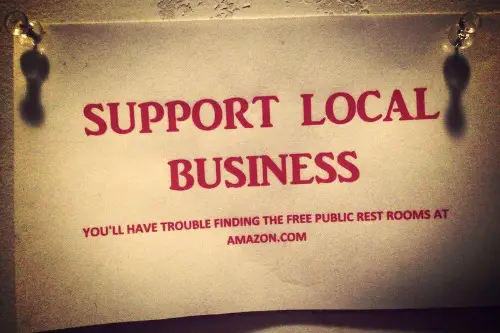
Family-owned stores and diners once defined neighborhoods. Owners knew customers by name. Money circulated locally. These places gave towns character.
Big-box stores and online retail changed that landscape. Price and convenience won, but connection was lost. Many communities became interchangeable. Americans miss places that felt rooted and human.
11. Optimism About the Future

Perhaps the strongest nostalgia is for a general sense of optimism. Many Americans grew up believing each generation would do better than the last. The future felt open and improving. Anxiety wasn’t the default mood.
That confidence weakened as crises piled up. Economic instability, political polarization, and climate concerns reshaped expectations. Hope became cautious rather than assumed. What America keeps chasing is that feeling of forward momentum.
This post America Keeps Chasing This Feeling—But It’s Already Gone was first published on American Charm.