
1. Chicago, Illinois
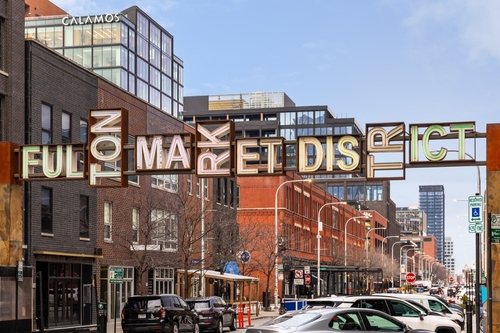
Chicago has been losing population for nearly a decade, and the trend continued into the early 2020s despite frequent claims of a turnaround. Middle-income families have been the most likely to leave, often citing high property taxes, school instability, and public safety concerns. Net domestic migration has been negative even as the downtown core appears busy and heavily marketed.
What makes Chicago notable is the disconnect between visible investment in tourist and business districts and steady neighborhood-level decline. Entire South and West Side areas continue to thin out, with vacant housing and shrinking school enrollments. Political leadership often frames the issue as a temporary pandemic blip rather than a structural problem. The numbers, however, show a longer and deeper slide.
2. New York City, New York
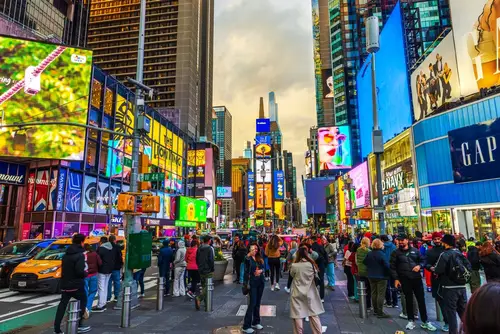
New York City experienced one of the largest population losses of any U.S. city during the pandemic, and it has not fully rebounded. High-income earners and families with children were especially likely to leave, driven by housing costs and remote-work flexibility. Census estimates still show fewer residents than before 2020.
City leaders frequently emphasize tourism recovery and office occupancy to suggest a comeback. But many neighborhoods, particularly in parts of Brooklyn, Queens, and the Bronx, have seen sustained outmigration. Public school enrollment remains well below pre-pandemic levels. That’s a quieter but telling indicator of who isn’t coming back.
3. San Francisco, California

San Francisco’s population dropped sharply starting in 2020, and recovery has been slow compared to peer cities. Remote work hit the city especially hard because of its heavy concentration of tech jobs. High rents combined with visible quality-of-life issues pushed many residents to leave entirely.
While officials point to returning events and gradual office re-openings, the residential base remains smaller. Downtown foot traffic is still far below pre-pandemic levels. Housing vacancy rates rose even during a statewide housing shortage. That mismatch speaks volumes about demand erosion.
4. Los Angeles, California
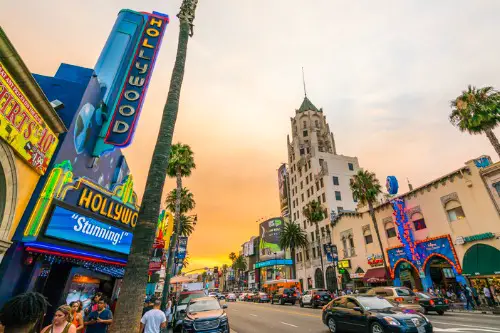
Los Angeles has been steadily losing residents to other states, particularly Texas, Arizona, and Nevada. Housing affordability is the dominant factor, with rents and home prices far outpacing income growth. Traffic, homelessness, and long commutes also play a role in people deciding to leave.
Local leadership often frames population loss as a temporary adjustment or a byproduct of construction slowdowns. But census estimates show consistent net outmigration over multiple years. Even traditionally dense areas have seen slower growth or outright decline. The scale of the metro masks how widespread the issue really is.
5. Baltimore, Maryland
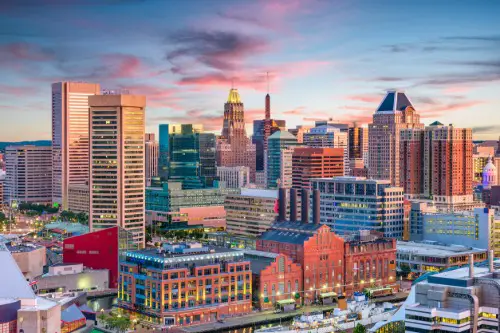
Baltimore has been losing population for more than 70 years, making it one of the longest-running urban declines in the country. Deindustrialization, crime, and school system struggles have driven generations of residents to surrounding counties. Recent redevelopment has not reversed the overall trend.
City officials frequently highlight revitalized waterfront areas and downtown investment. But many neighborhoods continue to see population shrink, not grow. Vacant housing remains a persistent challenge. The contrast between marketed success stories and citywide data is stark.
6. St. Louis, Missouri

St. Louis’s population decline dates back to the mid-20th century and continues today. The city’s small geographic footprint exaggerates losses, but the trend is still real. Jobs and families have steadily moved to the suburbs or out of state.
Leadership often points to isolated growth in specific corridors as evidence of momentum. However, overall census estimates still show fewer residents year after year. Large sections of the city struggle with vacancy and underutilized infrastructure. Those realities are hard to spin away.
7. Detroit, Michigan
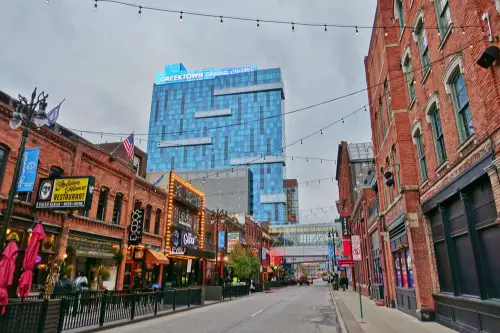
Detroit remains synonymous with population loss, even after a decade of modest downtown revival. While the rate of decline has slowed, the city continues to lose residents overall. Many neighborhoods never benefited from the post-bankruptcy rebound.
Officials often emphasize stabilization rather than growth, which subtly lowers expectations. The city still has far fewer residents than its housing and road network were built to support. School enrollment declines reinforce the long-term nature of the problem. Recovery has been uneven and limited in scope.
8. Cleveland, Ohio
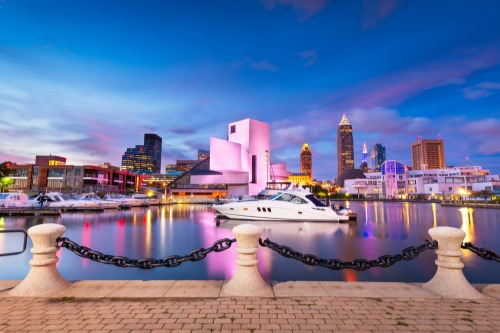
Cleveland has experienced steady population loss tied to manufacturing decline and suburbanization. Like other Rust Belt cities, it has struggled to replace its historic job base. Younger residents often leave for larger or faster-growing metros.
City leaders highlight healthcare and education anchors as stabilizing forces. While those institutions matter, they have not translated into population growth. Many neighborhoods continue to thin out. The city is smaller and older than it was a generation ago.
9. San Jose, California

San Jose has seen population stagnation and recent decline despite being in the heart of Silicon Valley. Sky-high housing costs have pushed workers to live farther away or leave the region entirely. Even high salaries have not offset affordability pressures.
Officials often point to long-term job growth as reassurance. But population data suggests workers are increasingly decoupling from the city itself. Commutes have lengthened, and residential density has not kept pace with employment. The city’s growth story has limits.
10. Oakland, California
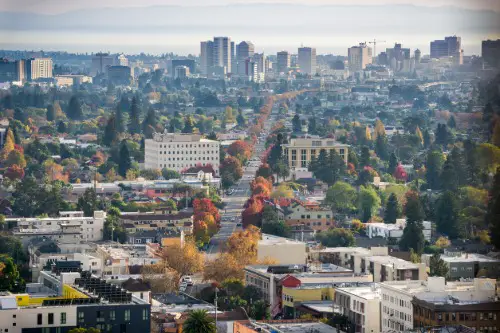
Oakland has lost residents in recent years, particularly lower- and middle-income households. Rising rents and displacement have pushed longtime residents out. The city’s cultural vibrancy has not protected it from affordability pressures.
Local leaders frequently emphasize development and transit-oriented housing plans. But population estimates show continued decline. School enrollment drops mirror the housing data. Families, in particular, are choosing to leave.
11. New Orleans, Louisiana
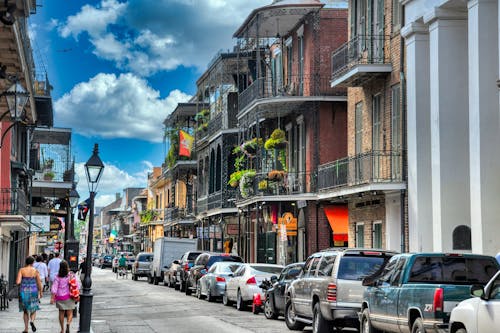
New Orleans never fully recovered its population after Hurricane Katrina, and recent years have brought renewed decline. Rising insurance costs, climate risk, and infrastructure issues weigh heavily on residents. Economic opportunity remains uneven across neighborhoods.
City officials often frame losses as cyclical or disaster-related. But outmigration has persisted even in calmer years. Younger residents and families are especially likely to leave. The city’s cultural draw hasn’t been enough to reverse the numbers.
12. Philadelphia, Pennsylvania
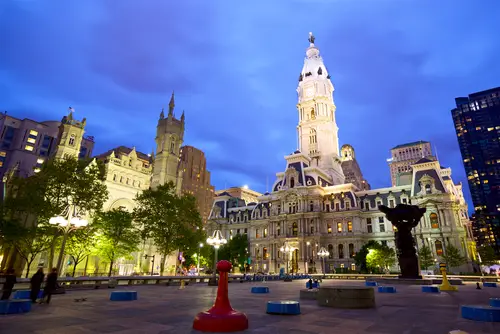
Philadelphia saw modest growth in the 2010s but began losing population again in the early 2020s. Pandemic-era remote work and public safety concerns played a role. High wage taxes also factor into relocation decisions.
Leaders often highlight construction cranes and Center City activity. But several neighborhoods have seen population declines and rising vacancies. School enrollment trends reinforce the data. Growth has not been as broad or durable as hoped.
13. Portland, Oregon
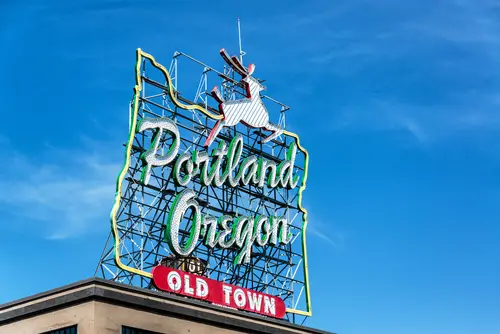
Portland shifted from a growth darling to a city experiencing population loss in just a few years. Housing costs, homelessness, and visible disorder have driven residents away. Remote work made relocation easier for many.
City officials often describe the decline as temporary. However, census estimates show continued net outmigration. Downtown recovery has lagged behind peer cities. The perception of livability has taken a hit.
14. Milwaukee, Wisconsin
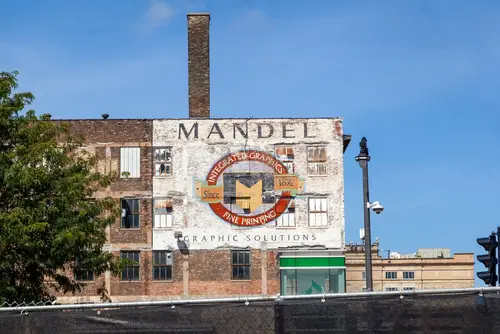
Milwaukee has experienced long-term population decline tied to industrial job losses and segregation. While the rate has slowed, the city is still smaller than it once was. Younger residents often move elsewhere for opportunity.
Leadership points to downtown development and lakefront investment. Those gains haven’t translated into citywide growth. Several neighborhoods continue to lose residents. The demographic headwinds remain strong.
15. Jackson, Mississippi
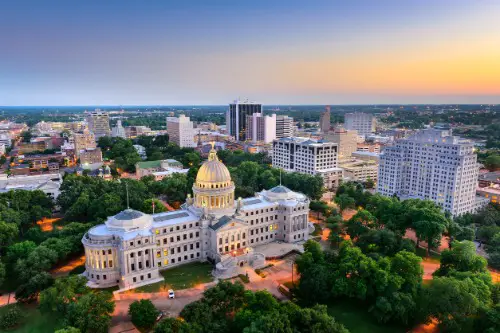
Jackson has seen sustained population loss as residents move to surrounding suburbs or leave the state. Infrastructure failures, including water system crises, have accelerated departures. Economic opportunity within the city has struggled to keep pace with the region.
State and city leaders often blame governance disputes rather than addressing outmigration directly. Census estimates show the city steadily shrinking. Public services have become harder to maintain with a smaller tax base. The cycle reinforces itself year after year.
This post These U.S. Cities Are Emptying Out—and Nobody in Charge Is Admitting It was first published on American Charm.

