
1. The Corner Diner
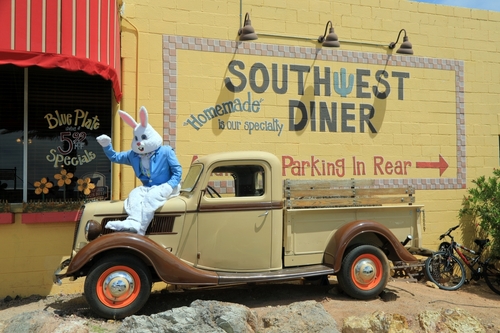
The corner diner feels like a warm booth, bottomless coffee, and a place where everyone belongs. It’s a symbol of small-town friendliness and late-night familiarity that shows up in movies and road trips. The menu barely changes, the stools squeak, and that sameness is part of the comfort. It feels like a democratic space where anyone can wander in and be fed.
But many diners were never open to everyone in practice. Throughout much of the 20th century, diners in many regions refused service to Black Americans or relegated them to separate seating. Some were explicitly listed in Green Books as places to avoid. The nostalgia often skips over how exclusion was built into the experience.
2. The White Picket Fence
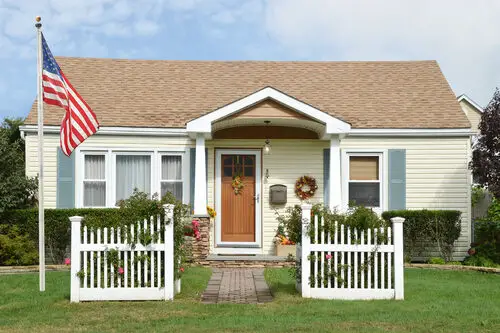
The white picket fence instantly signals safety, stability, and the idea of a “good neighborhood.” It’s shorthand for the American Dream, especially in postwar imagery. You picture kids riding bikes and neighbors chatting over hedges. It promises order and calm in a chaotic world.
Historically, those fences often marked who was allowed inside and who wasn’t. Zoning laws and racially restrictive covenants kept many communities segregated well into the mid-20th century. The fence wasn’t just decorative; it reinforced economic and racial boundaries. What looks quaint also represents exclusion enforced by policy.
3. Route 66 Road Trips
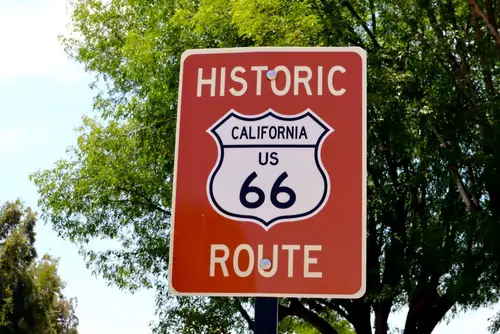
Route 66 represents freedom, motion, and the romance of the open road. It’s woven into American music, literature, and family vacation lore. The idea is simple: pack the car, hit the highway, and see the country. It feels like the purest form of travel optimism.
For many travelers, that freedom didn’t exist equally. Black motorists often faced harassment, denial of lodging, or outright danger along the route. The necessity of planning stops using the Green Book changed the experience entirely. The myth of carefree travel ignores those very real risks.
4. The Fourth of July Parade
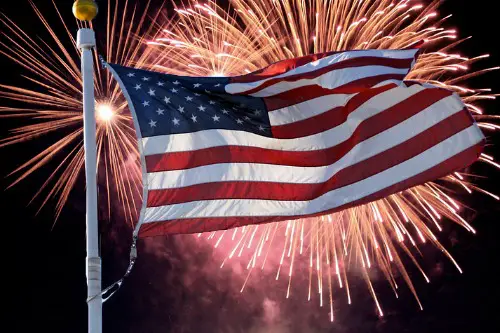
A Fourth of July parade feels wholesome and communal, with marching bands and kids waving flags. It’s a ritual that ties patriotism to small-town celebration. The atmosphere suggests unity and shared values. Everyone gathers to celebrate the same story.
That story, however, has often left people out. Enslaved Americans and their descendants were excluded from the freedoms being celebrated, a contradiction noted as early as Frederick Douglass’s 1852 speech. Indigenous communities were celebrating a nation built on their displacement. The parade glosses over unresolved contradictions at the country’s core.
5. The Little League Baseball Field

A dusty baseball diamond feels like childhood distilled into one place. It represents teamwork, fair play, and summer evenings under floodlights. Parents cheer, kids learn rules, and the stakes feel low. Baseball sells itself as a unifying national pastime.
For decades, that field was segregated by rule or by custom. Little League Baseball didn’t fully integrate until the 1950s, and access often depended on neighborhood demographics. Even today, funding disparities affect who gets to play. The ideal of equal opportunity has never fully matched reality.
6. The Suburban Mall
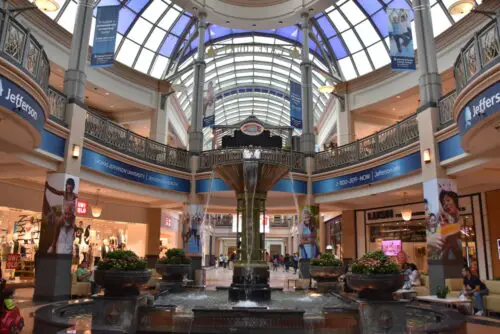
The suburban mall is remembered as a teenage hangout and climate-controlled escape. It’s tied to the rise of middle-class comfort and consumer abundance. Food courts, record stores, and movie theaters created shared experiences. It felt like a neutral public space.
Malls were often built alongside white flight from urban centers. Their locations and policing practices sometimes discouraged or excluded certain groups. As retail declines, the economic shifts behind their rise become clearer. The mall’s comfort was supported by broader patterns of inequality.
7. The Family Farm
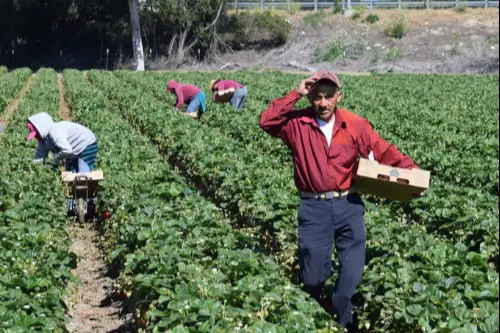
The image of the family farm suggests independence, honesty, and hard work. It’s deeply embedded in American political rhetoric and advertising. Red barns and open fields symbolize self-reliance. The farm feels like the moral backbone of the country.
In reality, farm ownership has never been evenly distributed. Black farmers lost millions of acres due to discriminatory lending and USDA practices during the 20th century. Indigenous land was taken through treaties that were broken or ignored. The pastoral image hides a long history of land dispossession.
8. The Classic Western Movie
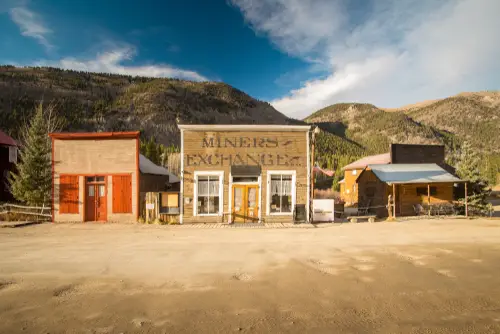
Classic Westerns offer clear heroes, vast landscapes, and simple moral codes. They shaped how generations understood courage and justice. The frontier is portrayed as open and waiting to be settled. Comfort comes from certainty about who’s right and wrong.
Those films often erased or vilified Native Americans. Indigenous people were depicted as obstacles rather than communities with rights and histories. The genre normalized violence tied to expansion. What feels like harmless entertainment reinforced damaging myths.
9. The County Fair
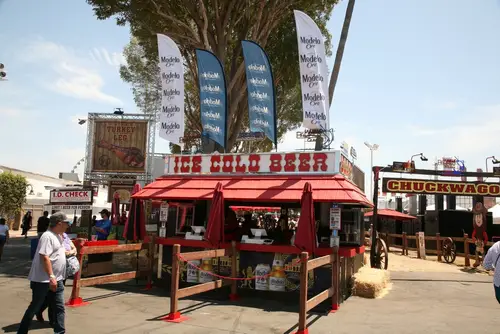
County fairs evoke funnel cakes, livestock shows, and wholesome competition. They celebrate local pride and agricultural roots. The setting feels welcoming and low-pressure. It’s Americana at its most folksy.
Yet fairs have also been sites of exclusion and exploitation. Segregation was common at many fairs well into the 20th century. Some fairs even hosted “human exhibits” in earlier eras. The cheerful atmosphere can obscure darker chapters.
10. The Small-Town High School Football Game
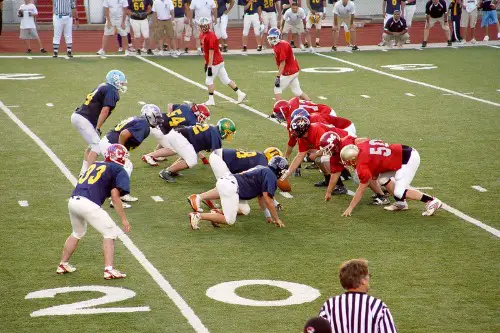
Friday night football is framed as the heart of community life. The stadium lights, marching band, and rivalries create shared rituals. It’s portrayed as a great equalizer where everyone belongs. The game feels bigger than sports.
In practice, these spaces haven’t always been inclusive. Schools were segregated for decades, and integration was often met with resistance. Even now, funding and attention can overshadow academics or marginalize non-athletes. The unity is more selective than it appears.
11. The Vintage Coca-Cola Ad
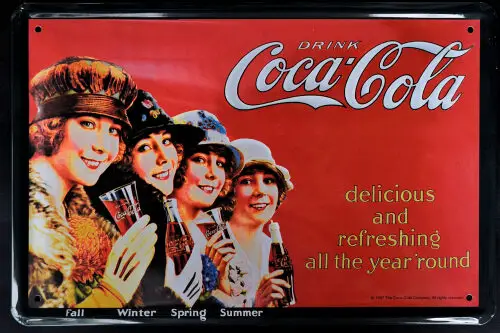
Vintage Coca-Cola ads feel cheerful, innocent, and timeless. They show smiling families and carefree moments. The branding suggests a shared national happiness. It’s comfort packaged as nostalgia.
Many early ads excluded people of color or relied on stereotypes. Coca-Cola also benefited from segregated markets and unequal labor practices globally. The smiling imagery hid corporate realities. The warmth was carefully constructed.
12. The National Park Roadside Lodge
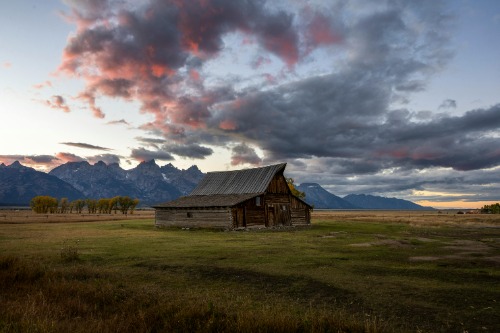
Roadside lodges in national parks promise rustic simplicity and connection to nature. They’re marketed as peaceful retreats accessible to all. The architecture blends into the landscape. It feels like public land at its best.
National parks were often created by removing Indigenous people from their ancestral lands. Lodges and trails were built after forced relocations. The “untouched wilderness” narrative ignores human history. Comfort came at the cost of displacement.
13. The American Schoolhouse
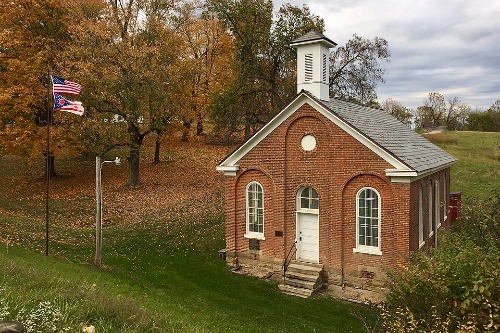
The one-room schoolhouse symbolizes learning, fairness, and opportunity. It’s a powerful image in civic storytelling. Education is framed as the great equalizer. The setting feels earnest and hopeful.
Access to education has always been unequal. Segregated schools, unequal funding, and discriminatory policies shaped generations of outcomes. Even after legal desegregation, disparities persisted. The comforting image masks systemic imbalance.
This post These Pieces of Americana Feel Comforting—Until You Look Closer was first published on American Charm.

