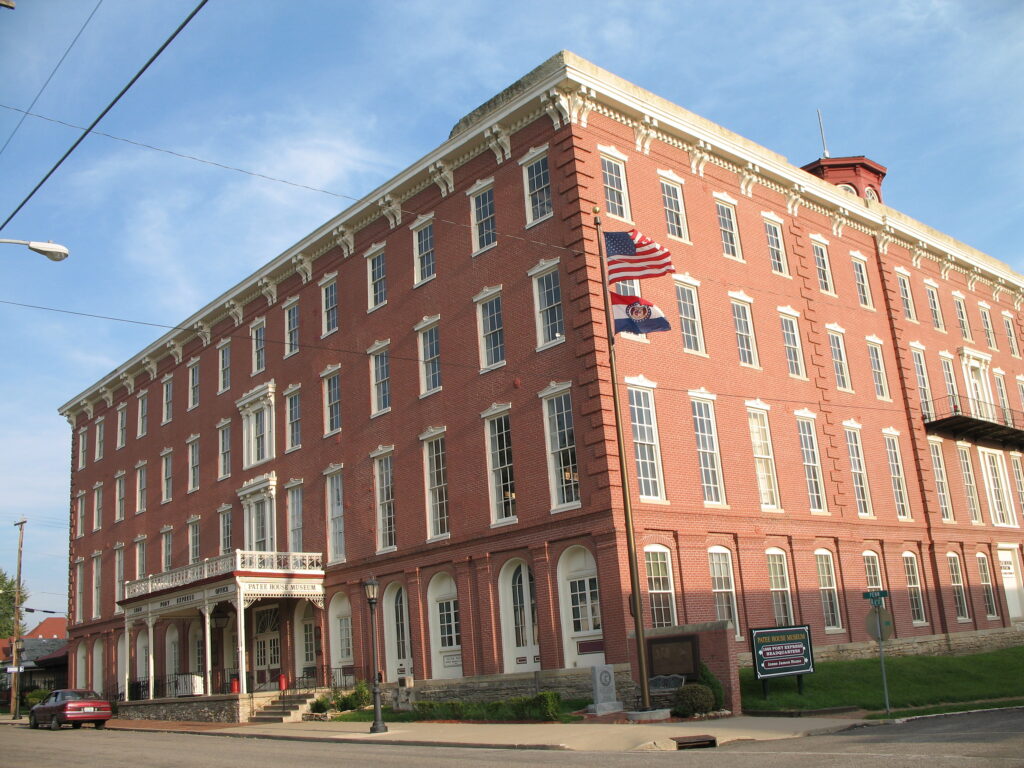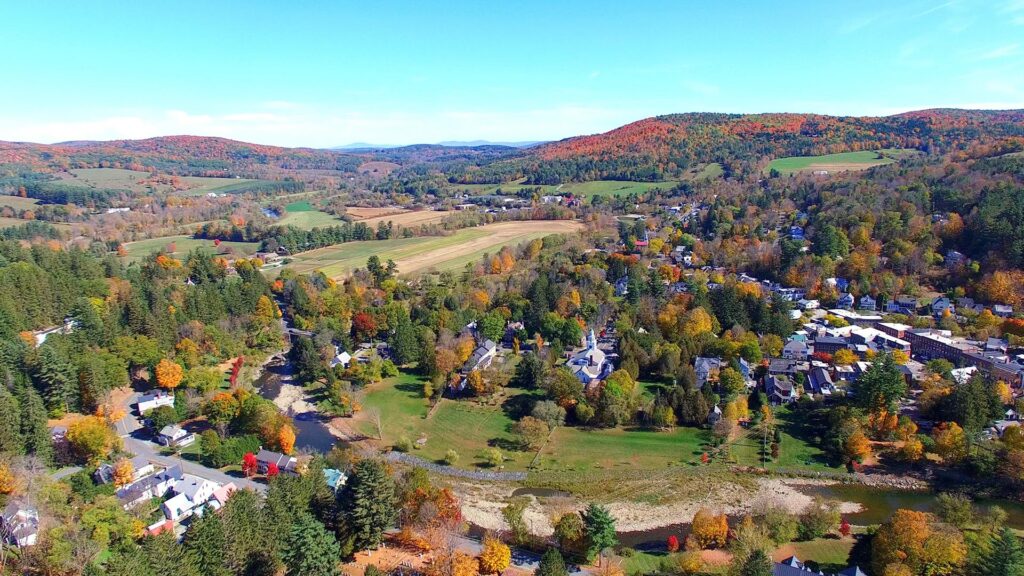
1. Levittown, New York
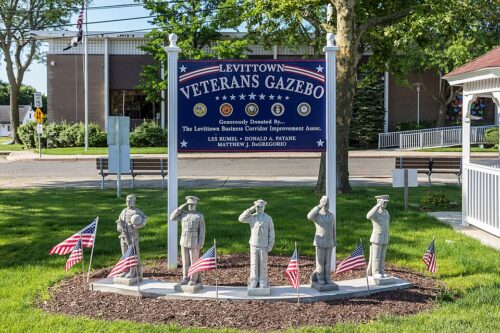
Levittown is often remembered as the birthplace of the American middle-class dream. Built after World War II, it symbolized affordable homes, tidy lawns, and upward mobility for returning veterans. In nostalgic retellings, it’s a place where neighbors bonded over backyard barbecues and kids rode bikes freely. It’s held up as proof that America once “worked.”
The reality was far more limited and exclusionary. Levittown homes were sold almost exclusively to white families due to explicit discriminatory policies. Women were expected to stay home, and dissent from social norms was quietly discouraged. It earns its place here because the dream only applied to a narrow slice of Americans.
2. Dearborn, Michigan
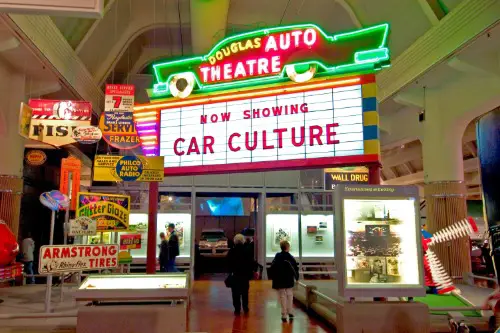
Dearborn is often framed as the heart of American manufacturing pride. As the longtime home of Ford Motor Company, it symbolizes stable jobs, strong unions, and a clear path to prosperity. Nostalgia paints it as a town where hard work guaranteed security. It’s frequently invoked when people talk about America’s industrial “golden age.”
What’s often left out is how dependent that stability was on a booming global position that couldn’t last. The work was grueling, dangerous, and tied to corporate control over workers’ lives. Racial discrimination was deeply entrenched for decades. Dearborn represents a prosperity that was temporary and uneven.
3. Woodstock, New York
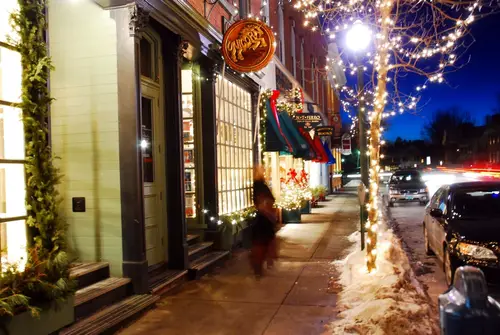
Woodstock has become shorthand for peace, love, and countercultural harmony. Even though the famous festival wasn’t actually held there, the town absorbed the mythology. It’s remembered as a place where community, music, and idealism flourished. The nostalgia suggests a gentler, more united America.
In reality, the era was deeply polarized and chaotic. Many locals resented the counterculture presence and the strain it put on resources. The idealism coexisted with political violence, inequality, and generational conflict. Woodstock makes the list because it compresses turmoil into a comforting symbol.
4. Dodge City, Kansas

Dodge City is remembered as the quintessential Old West town. Popular culture portrays it as rugged, honorable, and governed by clear moral codes. Gunslingers, sheriffs, and saloons dominate the imagery. It’s nostalgia for a time of supposed independence and grit.
Historically, Dodge City was violent, unstable, and economically volatile. Lawlessness wasn’t romantic; it was dangerous and traumatic. Indigenous displacement and exploitation are central to its history but rarely included in the myth. The town’s legend smooths out a harsh and unequal reality.
5. Salem, Massachusetts

Salem often gets nostalgic treatment as a charming colonial town. Brick buildings, maritime history, and walkable streets give it storybook appeal. It’s easy to imagine it as a simpler, more morally grounded era. The aesthetic invites idealization.
But Salem’s most famous legacy is mass paranoia and injustice. The witch trials were driven by fear, social tension, and power struggles. Daily life was rigid, punitive, and deeply unequal. Salem belongs here because nostalgia often skips straight past its darkest truths.
6. Orange County, California
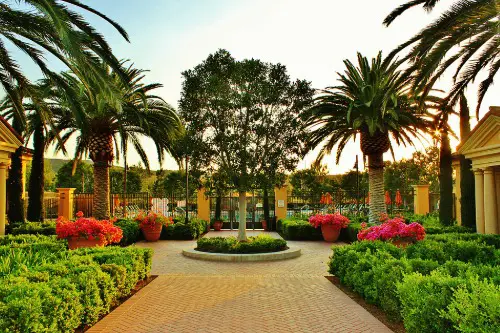
Orange County is frequently remembered as the ultimate postwar suburban success story. It symbolized clean streets, new schools, and family-oriented living. In memory, it’s all sunshine, optimism, and economic growth. It’s often contrasted with today’s crowded, expensive cities.
The growth came with environmental damage and social homogeneity. Housing policies excluded minorities, and conformity was strongly enforced. Economic prosperity masked political extremism and cultural tension. The nostalgia reflects comfort, not fairness.
7. Hershey, Pennsylvania
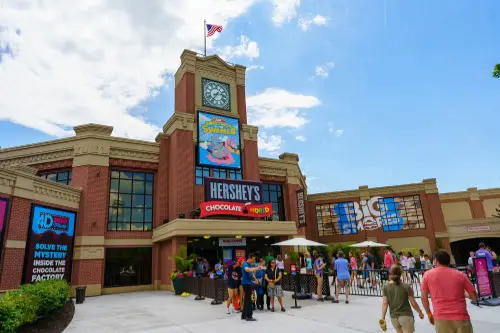
Hershey is remembered as a benevolent company town built on chocolate and goodwill. Milton Hershey provided housing, schools, and public amenities for workers. It’s often cited as capitalism with a heart. The town feels like a sweet exception to industrial harshness.
Yet workers had limited power and little independence. Corporate control extended into personal and social life. When labor unrest occurred, it was swiftly crushed. Hershey represents a controlled stability that nostalgia mistakes for kindness.
8. Times Square, New York City
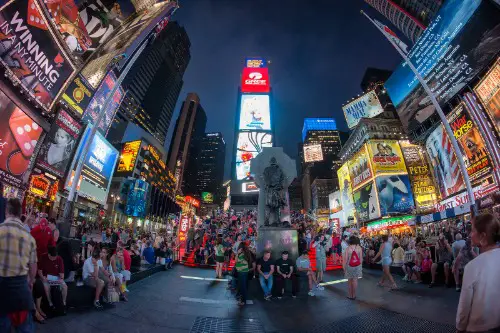
Older generations often reminisce about Times Square as lively and authentic. They recall neon lights, theaters, and bustling crowds. It’s framed as gritty but real, before corporate polish took over. The memory suggests cultural richness over sterility.
The reality included rampant crime, exploitation, and unsafe conditions. Many people avoided the area entirely. The “authenticity” came at the cost of vulnerability and neglect. Nostalgia reframes dysfunction as character.
9. Greenwich Village, New York City
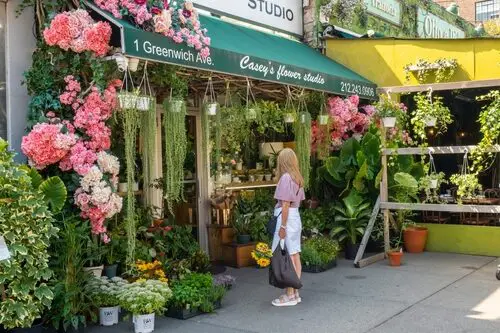
Greenwich Village is remembered as a haven for artists and free thinkers. It symbolizes creativity, tolerance, and intellectual freedom. Nostalgia paints it as inclusive and bohemian. It’s often seen as a lost cultural paradise.
But access to that freedom was unequal. Rising rents and informal gatekeeping excluded many voices even then. Crime and poverty were serious issues. The myth simplifies a complex, contested neighborhood.
10. Aspen, Colorado
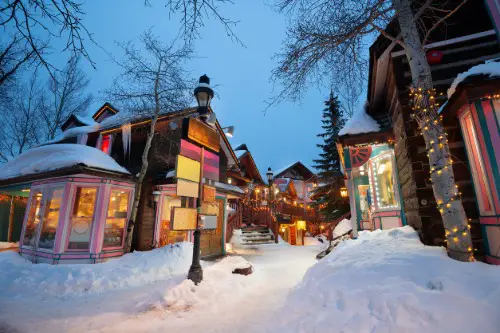
Aspen is often remembered as a quirky, authentic mountain town. In nostalgic stories, it’s a place where locals knew each other and life moved slowly. Ski culture feels communal and unpretentious. It’s imagined as untouched by excess.
In truth, economic inequality has long shaped Aspen. Wealth concentrated quickly, pushing workers farther out. The town’s charm became a commodity. Nostalgia ignores who was priced out.
11. Key West, Florida
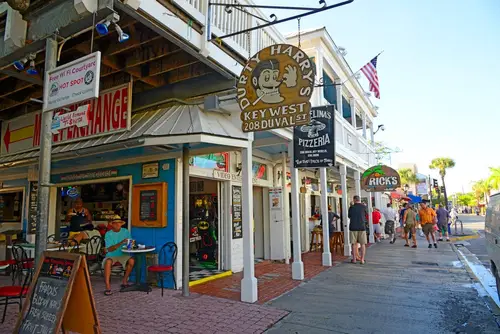
Key West is often framed as carefree and timeless. It’s remembered as artistic, relaxed, and culturally rich. The “good old days” version feels open and welcoming. It suggests escape from modern pressure.
Historically, life there was hard and economically unstable. Hurricanes, disease, and isolation shaped daily existence. Not everyone shared in the romance. The nostalgia filters out survival.
12. Galena, Illinois
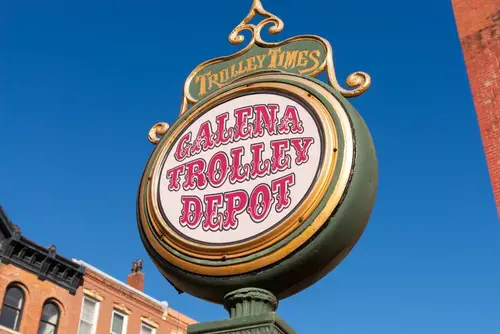
Galena is remembered as a preserved 19th-century gem. Its historic buildings and association with Ulysses S. Grant fuel idealization. It feels frozen in a proud, orderly past. The town invites heritage-based nostalgia.
That past depended on boom-and-bust mining economies. Labor was dangerous and often exploitative. Decline came quickly once resources dried up. The preserved aesthetic masks instability.
13. Route 66 Towns, Oklahoma and Arizona
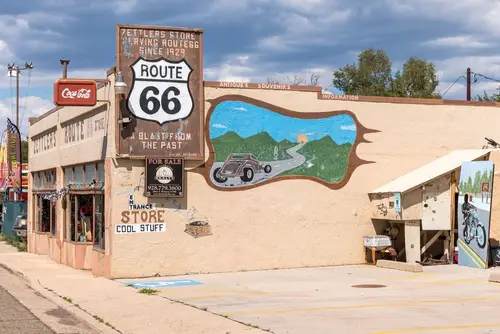
Small towns along Route 66 are remembered as vibrant roadside communities. They symbolize road trips, diners, and American freedom. Nostalgia frames them as thriving hubs of connection. They feel like symbols of optimism.
Many of these towns struggled long before highways bypassed them. Economic survival was always fragile. When traffic disappeared, so did opportunity. The myth ignores how temporary their success was.
14. Newport, Rhode Island
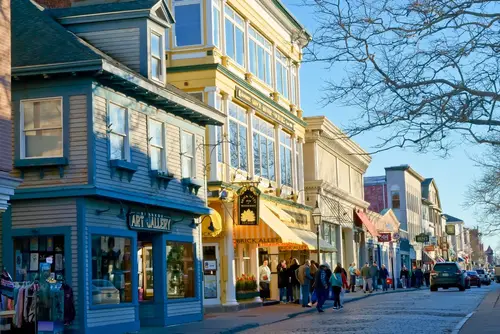
Newport is often remembered as elegant and refined. Gilded Age mansions create a sense of grandeur and leisure. Nostalgia focuses on balls, yachts, and social rituals. It feels like American aristocracy at its best.
That luxury depended on extreme wealth inequality. Servants and laborers lived very different lives. Economic crashes hit the town hard. The elegance was never shared equally.
15. Santa Monica, California
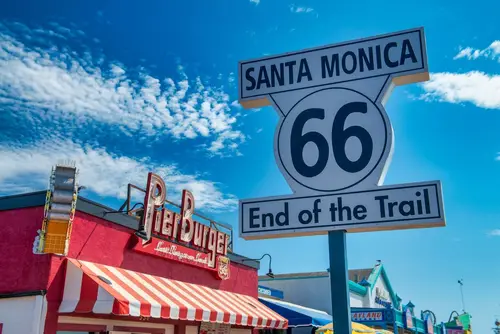
Santa Monica is remembered as a laid-back beach town with strong community ties. Older residents recall affordable living and creative energy. It’s framed as California before excess. The memory feels warm and accessible.
The reality included housing segregation and rapid displacement. Growth favored some while excluding others. Rising costs transformed the town long ago. The nostalgia reflects who got to stay.
This post The “Good Old Days” Towns That Weren’t Actually That Good was first published on American Charm.