1. The collapse of the classic roadside diner
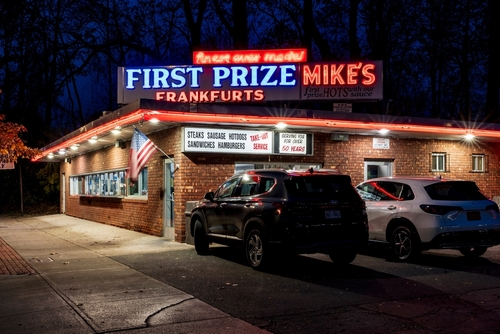
Roadside diners thrived on predictable car traffic and affordable food. Rising food costs, labor shortages, and aging owners have forced many to shut their doors. Unlike chains, diners often depend on a single cook or family to keep going. When they close, they usually close for good.
These diners weren’t just places to eat. They were informal travel centers where locals and strangers mixed. Losing them means fewer authentic breaks in the drive. You can feel it when every stop starts to taste the same.
2. The slow disappearance of mom-and-pop motels
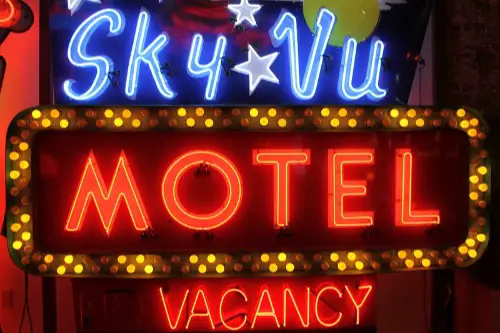
Once upon a drive, you could pull off almost any highway exit and find a family-run motel with a blinking vacancy sign. Many of those properties were built in the 1940s–1960s and now face rising maintenance costs they can’t afford. National hotel chains have also tightened franchise standards, making it hard for independents to compete. The result is fewer spontaneous overnight stops and more pre-booked, same-looking rooms.
This matters because road trips used to reward flexibility and curiosity. When independent motels close, small towns lose both income and an easy entry point for travelers. You’re left driving farther at night to reach the next chain hotel clustered near an interchange. The road feels longer when choice disappears.
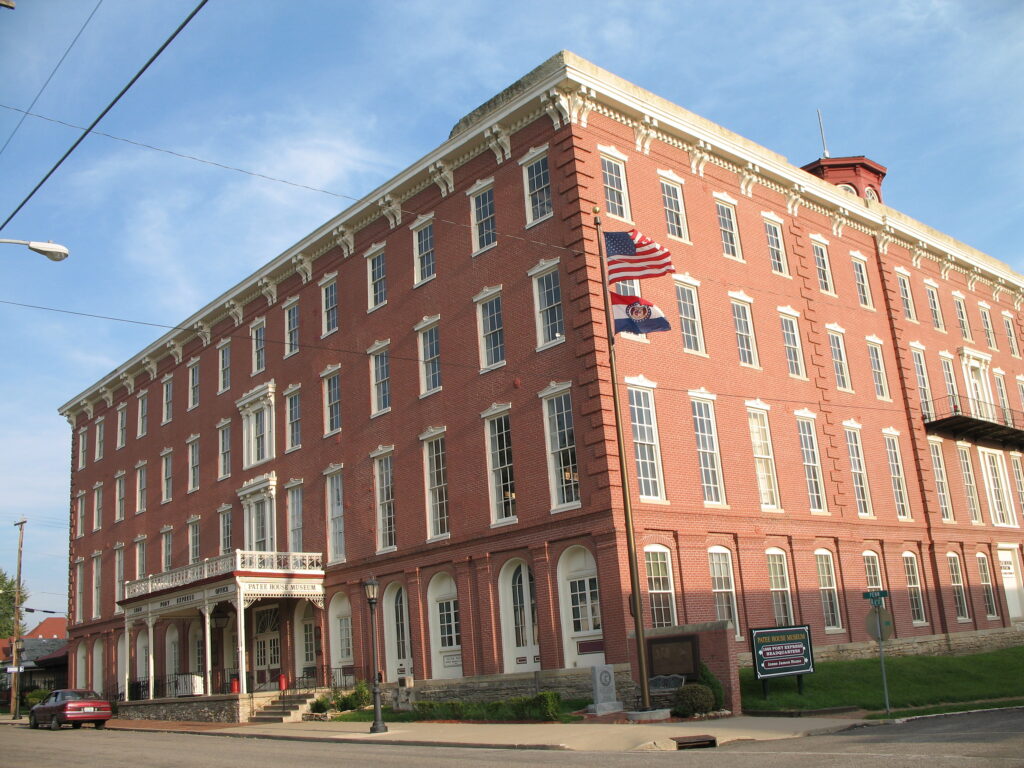
3. Interstates that quietly bypassed the towns they once fed
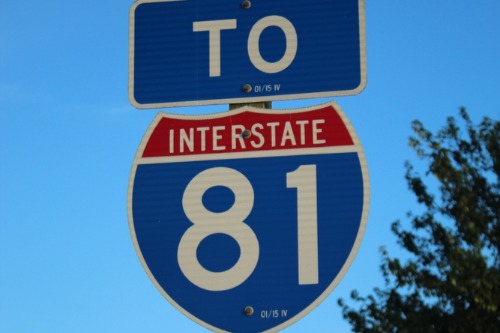
The Interstate Highway System made long-distance driving faster, but it also rerouted traffic away from main streets. Towns that once sat on U.S. highways lost their daily stream of travelers almost overnight. Gas stations, cafés, and gift shops followed the traffic to the exits or closed entirely. You can still see empty storefronts that never recovered.
This reshaped road trips into something more efficient but less human. You now glide past places that used to be natural stopping points. The trip becomes about distance covered, not places encountered. It’s progress with a quiet cost.
4. Fewer true rest areas, more pressure to buy something
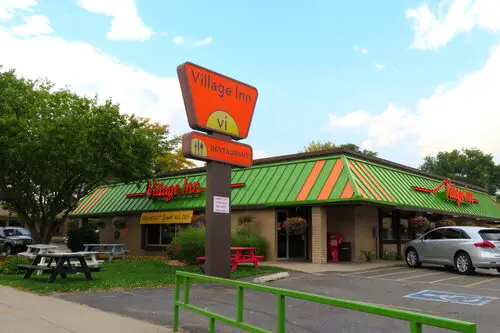
Many states reduced or consolidated highway rest areas during budget cuts over the past few decades. Some facilities were closed entirely, while others cut hours or maintenance. Travelers are increasingly pushed toward private truck stops and convenience stores. Free, no-strings-attached stopping space is harder to find.
This subtly changes how a road trip feels. Rest becomes transactional, tied to buying fuel or snacks. Parents, older drivers, and long-haul travelers feel this most. A simple pause now comes with expectations.
5. The consolidation of gas stations and truck stops
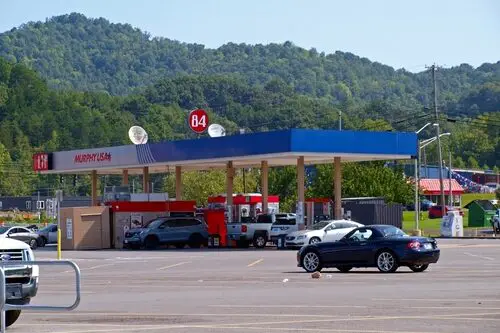
Independent gas stations have steadily given way to large regional or national chains. Fuel margins are thin, and compliance costs are high, which favors big operators. You’ll notice the same logos repeating across states. Variety has quietly shrunk.
For road trippers, this means fewer local surprises. Bathrooms, food, and prices feel standardized everywhere. The drive becomes more predictable but less memorable. Even the smell of the place stops changing.
6. Rising costs that punish spontaneity
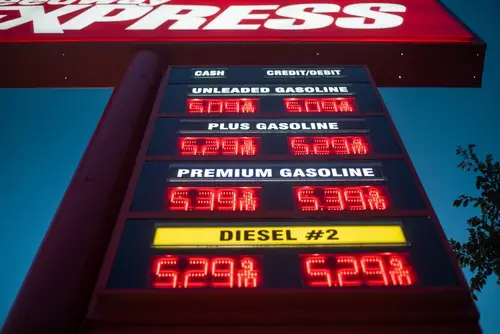
Gas prices fluctuate, but lodging and rental car costs have climbed sharply since the pandemic. Many rental fleets were sold off and rebuilt at higher prices. Hotels now rely more on dynamic pricing tied to demand. Spontaneous detours can get expensive fast.
Road trips used to be a budget-friendly escape. Now they reward careful planning and firm itineraries. That shift discourages wandering, which was half the point. The open road feels narrower when money dictates every turn.
7. Public lands that require reservations, not impulse
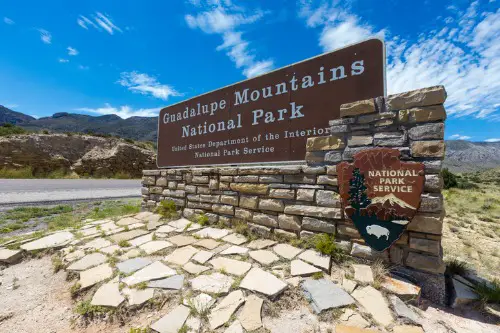
National and state parks remain popular, but access has changed. Timed-entry systems and advance campground reservations are now common. These policies manage crowds but limit last-minute visits. You often need to plan weeks or months ahead.
For road trippers, this removes the joy of discovering a place by accident. You can still go, but only if you planned to. The land is public, but the schedule is not. Serendipity gets squeezed out.
8. Small-town attractions that couldn’t survive the internet age
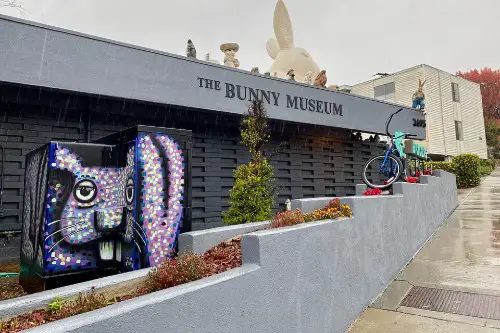
Roadside museums, curiosity shops, and themed attractions once relied on passing drivers. As travel guides moved online, fewer people stopped on impulse. Maintenance costs and declining foot traffic took their toll. Many closed quietly without fanfare.
These places gave road trips texture and humor. They broke up long drives with something unexpected. Without them, miles blur together. The road loses its sense of play.
9. EV infrastructure gaps that reshape routes
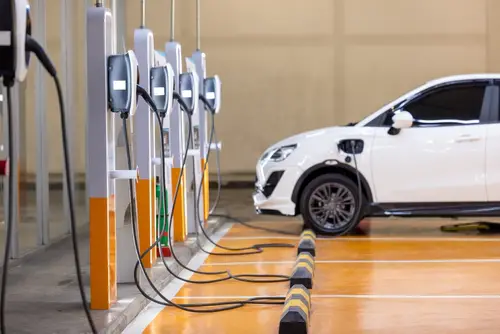
Electric vehicles are growing, but rural charging infrastructure lags behind. Chargers cluster around cities and major corridors, not back roads. Planning becomes essential, especially in wide-open regions. Detours can turn into range anxiety.
This affects how people choose routes. Scenic or historic roads may get skipped for charging certainty. The technology works, but the map shrinks. Freedom depends on plugs.
10. The fading role of local radio

Local AM and FM stations once narrated the road. Consolidation and streaming have reduced local programming. Many stations now run syndicated content or automated playlists. Regional voices are harder to find.
Radio shaped how travelers understood where they were. Weather, news, and accents anchored you to place. Without that, drives feel more abstract. You’re moving through space, not communities.
11. Towns that aged out of the road-trip economy
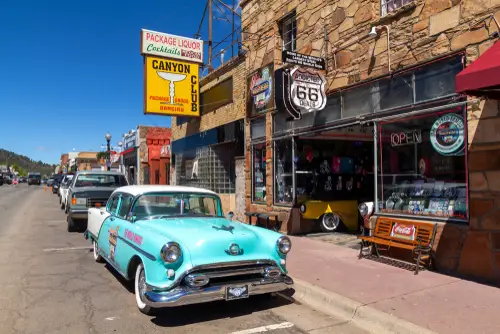
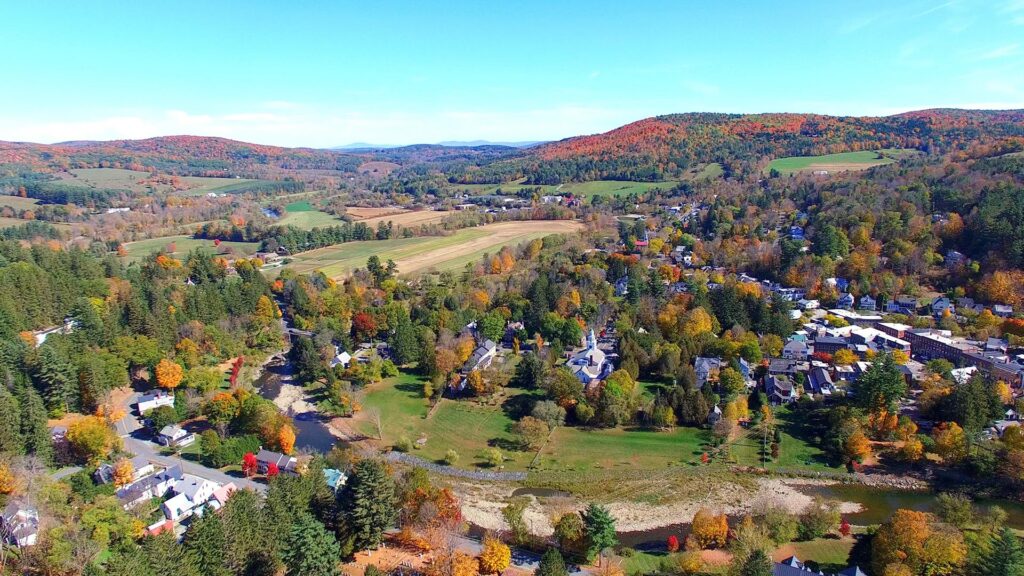
Some towns were built almost entirely around car travel. When traffic patterns changed, their economic base aged and thinned. Younger residents left, and services followed. What remains is often quiet and underfunded.
This isn’t dramatic collapse, just gradual fading. Travelers notice it in empty lots and limited hours. These places still exist, but they no longer expect you. And that mutual expectation was once the heart of road-trip America.
This post The Quiet Collapse of Road-Trip America was first published on American Charm.