
1. Route 66 in Williams, Arizona
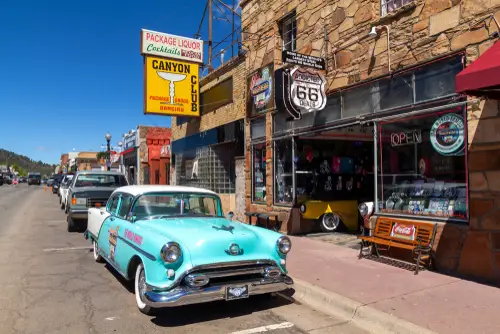
Williams feels like it never got the memo that interstate highways replaced roadside Americana. Neon motel signs, souvenir shops, and classic diners line the stretch of Route 66 running through town. You can still buy milkshakes at soda fountains and see restored gas stations that look straight out of the 1950s. The town actively preserves this identity, leaning into its role as a living postcard from mid-century road trips.
The reason Williams makes this list is how intentionally it holds onto that era. This isn’t accidental nostalgia or a few token signs. The downtown layout, businesses, and even local events reinforce the Route 66 heyday. Walking the street feels like time slowed down and decided to stay awhile.
2. Sun Valley, Idaho
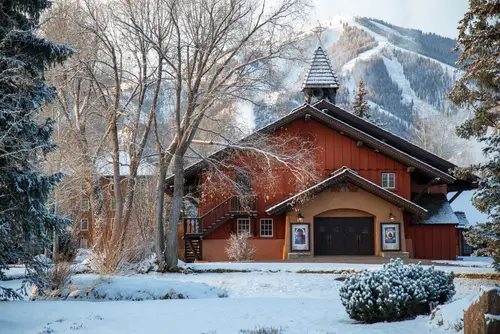
Sun Valley feels permanently tuned to the glamor of postwar leisure culture. It was developed in the 1930s as one of America’s first destination ski resorts, and that influence still shapes everything. The lodge architecture, outdoor ice rink, and village layout feel designed for a different pace of life. It’s easy to imagine 1940s Hollywood stars checking in for the season.
What earns Sun Valley its spot is how little it’s chased modern resort trends. There’s a noticeable lack of high-rise condos or flashy nightlife. Instead, it prioritizes wide-open views, understated luxury, and tradition. The result is a town that feels preserved rather than updated.
3. Mackinac Island, Michigan
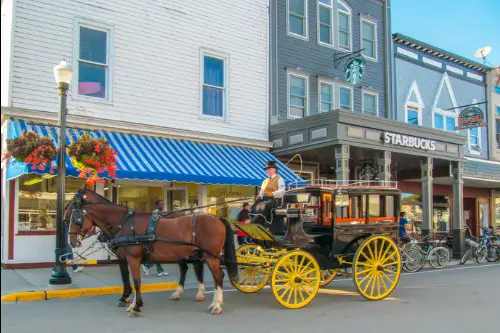
Mackinac Island feels like it belongs to the late 1800s, and that’s largely by design. Cars have been banned since 1898, so transportation still revolves around bicycles and horse-drawn carriages. Victorian architecture dominates the island, especially around the Grand Hotel. The overall rhythm of life feels slower and more formal.
The island earns its inclusion because the lack of modern infrastructure changes how everything feels. Without traffic noise or gas stations, daily life takes on a quieter tone. Businesses cater to walking visitors rather than drivers. It creates an atmosphere that genuinely feels disconnected from the present day.
4. Palm Springs, California
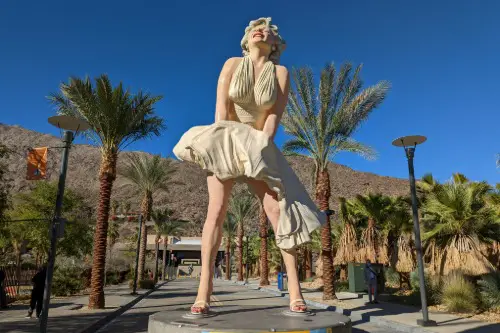
Palm Springs feels frozen in its 1950s and 1960s modernist moment. Midcentury architecture is everywhere, from residential neighborhoods to hotels and public buildings. The city’s design reflects an era when desert living was marketed as futuristic luxury. Even the color palettes and landscaping lean into that aesthetic.
The reason Palm Springs stands out is how consciously it celebrates this past. Annual modernism festivals and preservation efforts keep the look intact. New construction often mimics older design principles rather than replacing them. The city feels like it chose its decade and stuck with it.
5. Branson, Missouri
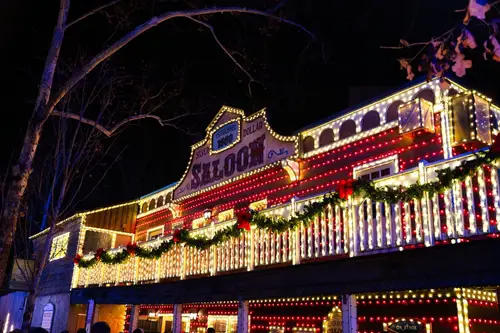
Branson feels firmly planted in late-20th-century family entertainment culture. Its theaters, variety shows, and roadside attractions evoke a pre-streaming era. Many performances center on country music, gospel, and nostalgia acts. The Strip itself feels like it was built for road-tripping families in the 1980s and 1990s.
What lands Branson on this list is how little the formula has changed. The town continues to prioritize live shows over nightlife or trend-driven dining. Flashy marquees and themed attractions remain central. It feels like a place that never felt the need to reinvent itself.
6. Colonial Williamsburg, Virginia
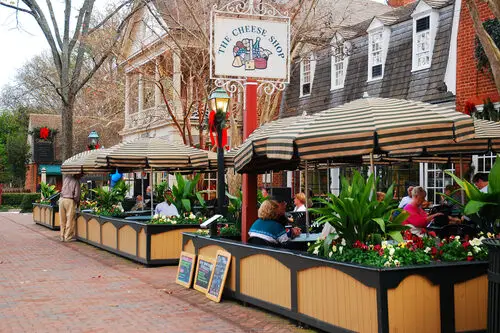
Colonial Williamsburg feels like the 18th century carefully maintained in real time. Restored buildings, costumed interpreters, and historically accurate layouts define the area. Modern elements are intentionally minimized within the historic zone. Even signage and storefronts are designed to match the period.
The reason it belongs here is the immersive nature of the experience. This isn’t a single preserved building but an entire functioning district. You’re meant to engage with the past as if it’s present. The result is a place that feels genuinely removed from the modern world.
7. Las Vegas Strip, Nevada
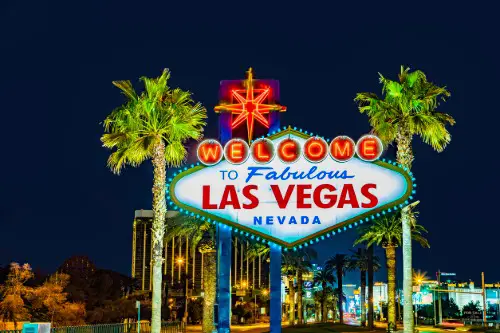
The Las Vegas Strip feels like it belongs to multiple decades at once, especially the late 1990s and early 2000s. Mega-resorts with heavy theming dominate the landscape. Replicas of world landmarks reflect a time when excess and spectacle were the main selling points. It’s a vision of the future as imagined decades ago.
This earns its spot because newer design trends haven’t erased the old ones. Many iconic casinos still operate largely unchanged. The Strip remains committed to theatrical scale rather than minimalism. It feels like a time capsule of a very specific entertainment philosophy.
8. Eureka Springs, Arkansas
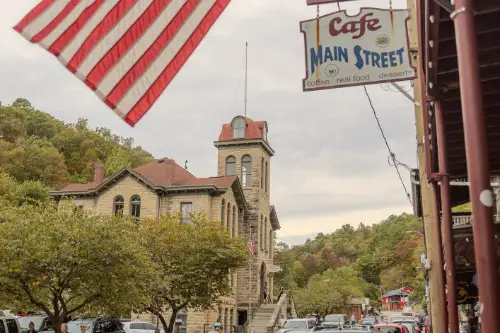
Eureka Springs feels like it slipped out of the Victorian era and never quite caught up. The town’s winding streets, steep hills, and ornate buildings reflect its 19th-century boom years. There’s no traditional grid system, which adds to the sense of stepping back in time. Even modern businesses operate out of historic structures.
What makes Eureka Springs stand out is how the physical layout dictates the experience. You can’t easily modernize streets designed for horses and carriages. Preservation laws keep changes minimal. The town’s charm comes directly from its resistance to modernization.
9. Hershey, Pennsylvania
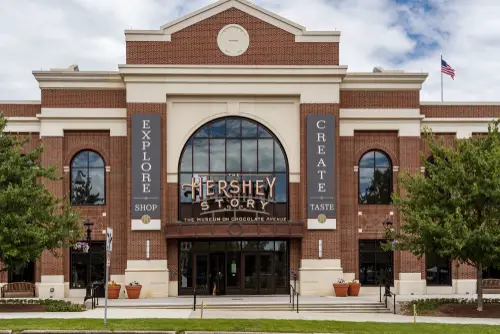
Hershey feels like a mid-century company town that kept its original personality. Built around Milton Hershey’s chocolate empire, the town blends industry, tourism, and community planning. Attractions like Hersheypark reflect early 20th-century amusement park traditions. There’s a wholesome, planned feel to the entire area.
The reason Hershey fits this list is its intentional design. The town was created with a specific vision that still shapes it today. Corporate branding and civic life remain intertwined. It feels like a relic of a time when companies built entire communities.
10. Deadwood, South Dakota
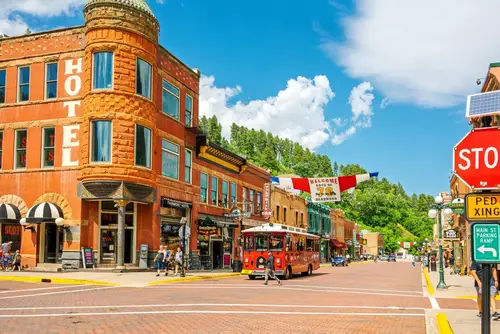
Deadwood feels permanently anchored in its Wild West identity. The town’s history as a gold rush settlement drives its architecture and tourism. Saloons, casinos, and reenactments emphasize its 19th-century roots. Even modern businesses lean heavily into frontier aesthetics.
What earns Deadwood its place is how fully it embraces that past. Rather than downplaying the theme, the town amplifies it. Regulations encourage historically consistent facades. The result is a place that feels more like a preserved era than a modern town.
11. Santa Fe, New Mexico
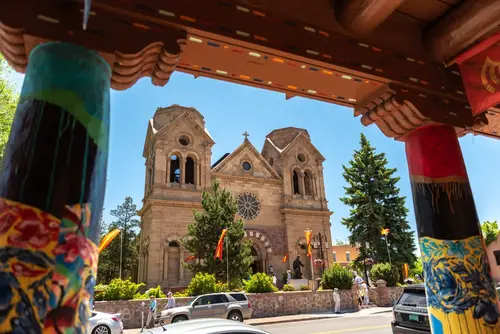
Santa Fe feels designed for a century that prioritized regional identity over national trends. Pueblo Revival architecture dominates due to strict building codes. Earth-toned adobe structures create a cohesive look rarely seen elsewhere. The city visually resists glass towers and steel skylines.
The reason Santa Fe belongs here is its consistency. The architectural rules have been in place for decades. New buildings must conform to old styles. It feels like a city that chose tradition over constant reinvention.
12. Amish Country, Lancaster County, Pennsylvania
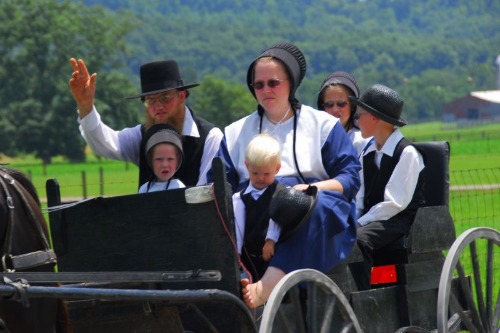
Lancaster County’s Amish areas feel rooted in the 19th century by choice. Horse-drawn buggies share the road with modern cars. Farms operate without electricity or contemporary machinery. Daily life follows traditions that predate most modern conveniences.
This makes the region distinct because the time difference isn’t aesthetic alone. It’s cultural, religious, and practical. The contrast with surrounding modern towns is striking. It’s one of the clearest examples of a place truly living in another decade.
This post Locations That Feel Built for a Different Decade was first published on American Charm.

