
1. New Coke Becoming Old Coke Again
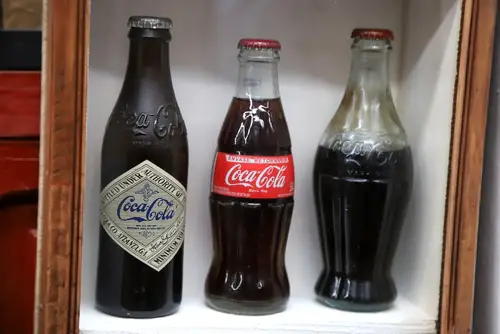
In 1985, Coca-Cola replaced its classic formula with New Coke, confidently assuming Americans wanted something sweeter. The backlash was immediate and intense, with people hoarding old cans and calling customer service lines to complain. Within three months, the company brought back the original recipe as “Coca-Cola Classic.” It remains one of the clearest examples of a comeback that only existed because the original change baffled nearly everyone.
The confusing part is that New Coke wasn’t technically a failure in taste tests. People actually liked it in blind comparisons against Pepsi. What consumers rejected was the idea of losing something familiar and symbolic. Coca-Cola learned, publicly and painfully, that nostalgia can overpower data. The comeback worked, but it left marketers studying the episode for decades.
2. The McRib’s Endless Disappearances and Returns
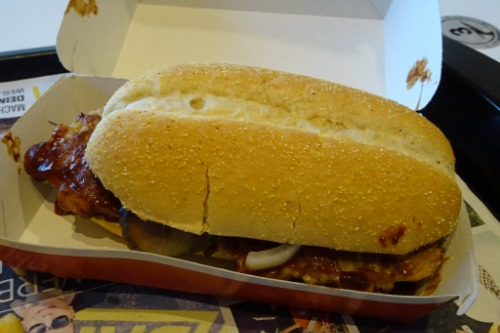
The McRib first appeared nationally in 1982 and then vanished almost as quickly. Since then, McDonald’s has brought it back again and again, usually for limited runs with dramatic fanfare. Each return is treated like a major event, even though the sandwich never truly goes away forever. The confusion comes from why something so popular is always framed as temporary.
McDonald’s has explained that pork prices influence when the McRib returns. That makes sense economically, but it still feels strange to customers who see it marketed like a surprise reunion tour. Fans track its availability using websites and social media accounts. The comeback cycle has become part of the product’s identity, intentionally or not.
3. Crystal Pepsi’s Nostalgia-Fueled Revival
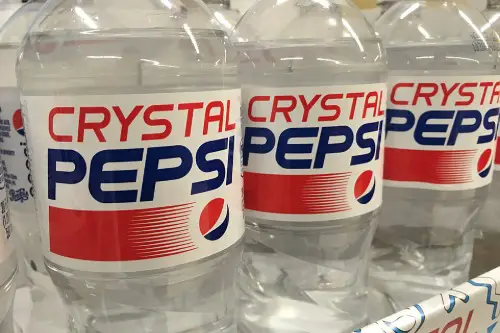
Crystal Pepsi launched in 1992 as a clear cola meant to signal purity and modernity. Consumers didn’t quite know what to make of a soda that looked like lemon-lime but tasted like cola. It disappeared by 1994 after sales dropped sharply. Then, in 2016, Pepsi brought it back for a limited nostalgic run.
The comeback puzzled people because the original reasons it failed never really changed. Clear soda still doesn’t solve an actual consumer problem. Yet the relaunch succeeded briefly because it leaned fully into ’90s nostalgia. People bought it to remember it, not necessarily to drink it long-term. That tension made the comeback feel more ironic than strategic.
4. The Roseanne Reboot That Collapsed Overnight
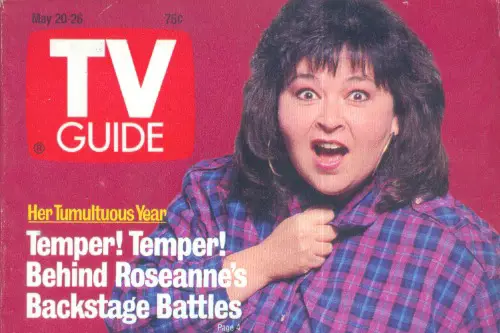
Roseanne returned to television in 2018 after more than 20 years off the air. The revival drew huge ratings and was positioned as a cultural event. ABC quickly renewed it, signaling confidence in its success. Then the show was abruptly canceled after a racist tweet from Roseanne Barr.
What made this comeback confusing was how fast it imploded. The show succeeded commercially before collapsing morally and publicly. ABC later attempted damage control by retooling the series into The Conners without its star. The comeback technically worked, but only long enough to prove how fragile it was.
5. MySpace’s Attempt to Be Cool Again
MySpace dominated social media in the mid-2000s before being overtaken by Facebook. After years of decline, it attempted a relaunch in 2013 focused on music and creative expression. Justin Timberlake even invested and helped promote the new direction. Despite the effort, most users barely noticed.
The confusion lies in what problem the comeback was solving. By then, musicians had SoundCloud and fans had Instagram and Twitter. MySpace wasn’t hated so much as forgotten, which is harder to reverse. The brand still exists, but without cultural relevance. Its comeback showed that nostalgia alone doesn’t rebuild network effects.
6. Windows Bringing Back the Start Button
Microsoft removed the iconic Start button with Windows 8 in 2012, hoping to push users toward a touch-first interface. Desktop users were immediately frustrated and confused. Complaints flooded in from businesses and everyday consumers alike. Microsoft reversed course by restoring the Start button in Windows 8.1 and fully embracing it again in Windows 10.
This comeback was confusing because Microsoft acted surprised by the backlash. The Start button had been a core navigation feature for nearly two decades. Its removal felt less like innovation and more like sabotage. The return was framed as listening to users, but the misstep was so obvious it raised eyebrows. The episode became a case study in ignoring how people actually use products.
7. Sears’ Long, Unclear Revival Attempts
Sears was once America’s dominant retailer, selling everything from appliances to houses. As malls declined and online shopping surged, Sears steadily lost relevance. Over the years, executives announced turnaround plans involving brand partnerships and store redesigns. None of them truly reversed the company’s decline.
The confusing part is that Sears never fully went away, even as stores closed nationwide. It kept promising a comeback without clearly defining what modern Sears was supposed to be. Customers didn’t understand why they should return. Bankruptcy in 2018 only added to the sense of limbo. The brand’s “comeback” became more of a prolonged fade.
8. The Return of Vinyl Records
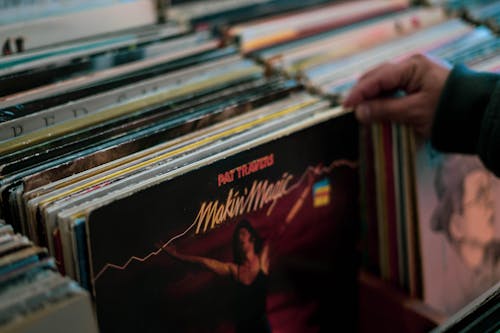
Vinyl records were declared dead by the late 1990s after CDs and digital downloads took over. Yet starting in the 2010s, vinyl sales began rising year after year. Major retailers started stocking records again. Artists began releasing albums in multiple vinyl editions.
The confusion comes from vinyl’s inconvenience compared to streaming. Records are bulky, fragile, and require dedicated equipment. Still, listeners embraced the tactile experience and perceived sound quality. Vinyl’s comeback isn’t about efficiency but emotional connection. It defied assumptions about progress always meaning digital.
9. The Reboot of the XFL
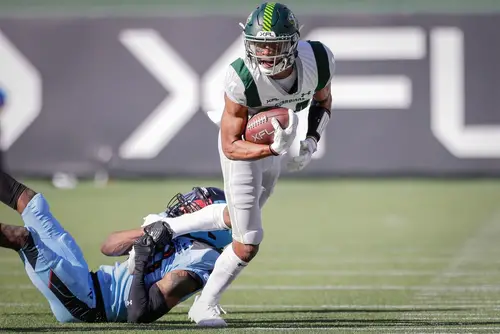
The XFL originally launched in 2001 as a flashy alternative to the NFL and failed within one season. It returned in 2020 with a more serious tone and improved gameplay. That version showed promise but was cut short by the COVID-19 pandemic. The league then relaunched again in 2023 under new ownership.
Each comeback raised the same question of why this time would be different. Football fans already have entrenched loyalties. The league’s repeated reboots made it hard to build trust or momentum. Some improvements were real, but the timing was often unlucky. The XFL became a symbol of persistence bordering on confusion.
10. The Revival of Game Shows Like Family Feud
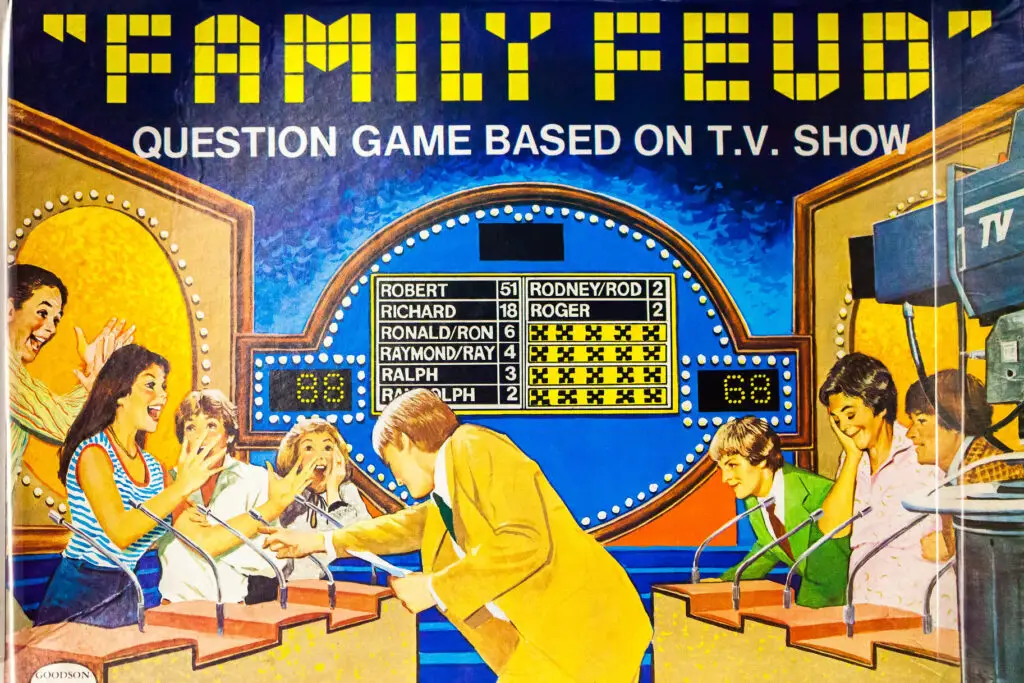
Family Feud first aired in 1976 and went through multiple cancellations over the decades. It returned in various syndicated versions, sometimes with lukewarm results. The modern comeback began in 2010 when Steve Harvey became host. Ratings surged, and the show regained cultural relevance.
The confusing part is how dramatically a host changed its fortunes. The format itself barely evolved, relying on the same basic rules. Harvey’s humor and reactions made the show feel fresh again. It demonstrated that comebacks can hinge on personality rather than reinvention. That’s harder to predict than a format tweak.
11. The Political Comeback of Donald Trump
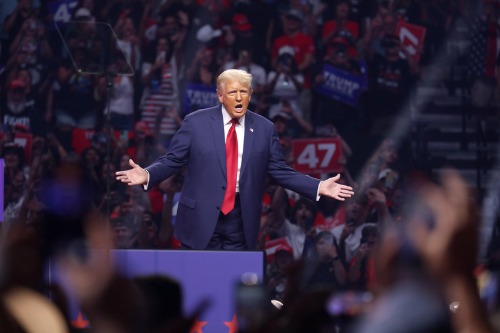
Donald Trump lost the 2020 presidential election and left office in January 2021. Many observers assumed his political influence would fade quickly. Instead, he maintained a dominant role in Republican politics. By 2024, he secured his party’s nomination again.
This comeback confused analysts because of the unprecedented circumstances. Few modern U.S. presidents have remained so central after defeat. Legal challenges and controversies didn’t diminish his base of support. The comeback wasn’t about rebranding but doubling down. Whether admired or criticized, it defied typical political trajectories.
This post America’s Most Confusing Comebacks was first published on American Charm.

