
1. Owning a Single-Income Starter Home in Your Early 20s

For decades, the idea was that one steady paycheck could land you a modest home not long after graduation. That expectation aged quickly as home prices began outpacing wages in many U.S. markets starting in the late 20th century. Rising student debt also quietly ate into down payment savings before people even noticed the shift. This dream didn’t vanish, but it stopped being typical far faster than most families expected.
It’s included here because it shaped how multiple generations planned adulthood milestones. Many people followed the script—job, marriage, house—only to find the numbers no longer worked. The change wasn’t cultural so much as mathematical, which made it harder to see coming. By the time it was obvious, the dream already felt out of reach.
2. The Company Man Career for Life

The promise used to be simple: show loyalty to one employer and they’ll return it with stability and retirement security. That model weakened as corporate restructuring, outsourcing, and mergers became more common in the late 20th century. Layoffs stopped being rare moral failures and became routine business tools. The dream aged quickly because the economy changed faster than workplace expectations did.
This belongs on the list because people kept acting as if loyalty still guaranteed safety. Workers delayed job-hopping or reskilling, trusting an old social contract that had quietly expired. When pensions disappeared and job tenure shortened, the emotional shock was real. The dream didn’t just fade; it broke suddenly for many.
3. The Shopping Mall as a Social Anchor

Malls once promised commerce, climate control, and community all in one place. Their decline accelerated with the rise of e-commerce and changing consumer habits in the 2000s. What aged fastest wasn’t shopping itself, but the idea that malls were future-proof gathering spaces. Many were built assuming endless foot traffic that never came.
This dream matters because towns invested heavily in malls as long-term civic infrastructure. When anchor stores closed, entire local economies felt the ripple effects. Teen culture, casual socializing, and retail jobs all shrank with them. The speed of the decline surprised almost everyone involved.
4. A Guaranteed Pension After 30 Years of Work
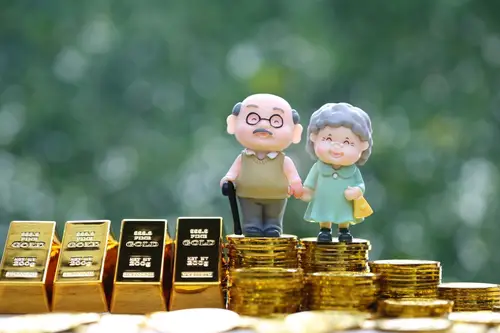
Defined-benefit pensions were once a cornerstone of middle-class retirement planning. Starting in the 1980s, many private employers shifted to 401(k)-style plans that moved risk to employees. The old promise aged quickly, but many workers didn’t realize it until mid-career. By then, the safety net they assumed existed was already gone.
It’s included because the emotional reliance on pensions lingered longer than the plans themselves. People made savings and lifestyle choices based on benefits that no longer applied. The change wasn’t loudly announced; it happened policy by policy. That quiet erosion is what makes this dream feel like it aged overnight.
5. Cable TV as the Center of Home Entertainment

Cable once symbolized abundance, choice, and modern living. That promise aged fast once streaming offered cheaper, on-demand alternatives. The idea that you needed a bundle of channels to be entertained became outdated within a decade. What felt essential in the 1990s felt cumbersome by the 2010s.
This dream makes the list because households built routines and budgets around it. Contracts, equipment rentals, and channel tiers quickly felt like relics. The cultural power of “must-see TV” also fractured as audiences scattered. Cable didn’t just decline; it became a punchline.
6. College Automatically Leading to Financial Security

Higher education long carried the promise of upward mobility and stable income. While degrees still matter, rising tuition and uneven wage growth weakened the guarantee. The dream aged fast as student loan balances climbed without matching salary increases. Many graduates discovered the payoff timeline had quietly stretched decades longer.
It belongs here because families continued treating college as a sure bet well after conditions changed. The advice stayed the same even as the math didn’t. This mismatch created frustration rather than rejection of education itself. The dream didn’t disappear, but its certainty did.
7. Suburban Sprawl as the Ideal Family Life

Postwar suburbs promised space, safety, and convenience wrapped into one lifestyle. Over time, long commutes, infrastructure costs, and environmental concerns made that ideal less appealing. The dream aged faster as cities revitalized and remote work shifted location priorities. What once felt like progress started to feel inefficient.
This is included because zoning and transportation systems were built around that assumption. Families found themselves locked into car dependency and rising maintenance costs. The cultural glow of the suburb dimmed before policies adapted. That gap made the dream feel outdated sooner than expected.
8. Big Box Retail as a Low-Cost Guarantee

Stores like Walmart and other big box chains promised endless choice at unbeatable prices. That model aged quickly as online retailers undercut convenience and inventory breadth. Physical scale stopped being an advantage once delivery became frictionless. The dream of one-stop shopping lost its shine.
It’s on the list because communities reshaped themselves around these stores. Small retailers closed, and local economies became dependent on a single employer. When foot traffic dropped, there was little left to replace it. The speed of the shift caught many towns off guard.
9. Newspapers as the Primary Source of Daily Truth

Print newspapers once defined informed citizenship and daily routine. The rise of digital news broke that monopoly almost overnight. Advertising revenue collapsed faster than newsrooms could adapt. What aged fastest was the business model, not the need for journalism.
This dream matters because institutions assumed readership habits would endure. Entire local papers vanished, leaving information gaps behind. The authority newspapers once held fractured across platforms. The transition was swift and largely irreversible.
10. The Gold Watch Retirement Moment

Retiring at 65 with a formal send-off was once a cultural expectation. Longer life spans and financial uncertainty pushed retirement later or made it partial. The ceremonial ending aged faster than the desire for rest itself. Many people now phase out work instead of stopping cleanly.
It’s included because it shaped how people imagined the arc of their lives. Savings, health care, and identity were all tied to that finish line. When the finish line moved, the story stopped making sense. The dream aged because the structure around it changed.
11. The Idea That Progress Would Be Linear and Permanent

There was a broad belief that each generation would automatically do better than the last. Economic shocks, political polarization, and climate pressures complicated that assumption. The dream aged quickly as setbacks became more visible and frequent. Optimism gave way to conditional hope.
This belongs on the list because it underpinned many other dreams. When progress stopped feeling guaranteed, everything else felt shakier too. The shift wasn’t tied to one event but to a pattern. That realization arrived faster than people expected.
This post The American Dreams That Aged Faster Than Expected was first published on American Charm.

