
1. Austin, Texas
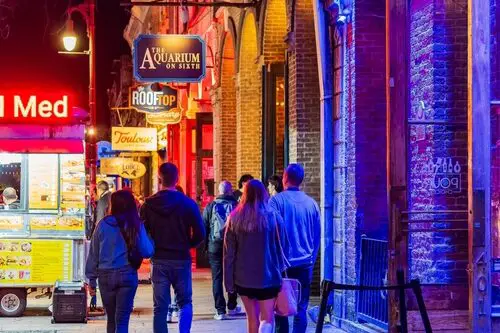
Austin used to be the punchline for cheap rent and great tacos, but that reputation faded fast. A surge of tech jobs and remote workers collided with years of underbuilding. New apartments did go up, but demand kept outrunning supply. The result is a city where finding a place often means touring first and waiting later.
People moving to Austin are often surprised by how competitive the rental process feels. It’s common to see pre-leasing months in advance, especially near job centers. Starter homes became bid-up properties, pushing many residents into the rental market. Affordable living didn’t disappear overnight, but it did start requiring patience.
2. Boise, Idaho

Boise’s transformation caught even locals off guard. Once known for low costs and easy access to housing, it saw an influx of out-of-state buyers during the remote-work boom. Construction struggled to keep pace with population growth. That imbalance turned “cheap and easy” into “available eventually.”
Renters in Boise now regularly encounter waitlists for new developments. Entry-level homes are scarce, and many are snapped up quickly by higher-income buyers. Infrastructure and zoning constraints slowed rapid expansion. Living affordably here often means waiting for the right opening.
3. Nashville, Tennessee
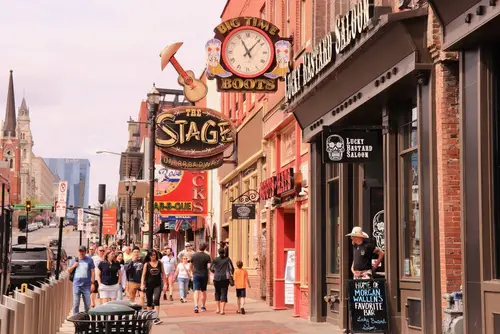
Nashville’s growth story is tied to music, healthcare, and corporate relocations. Jobs multiplied faster than housing units, especially at lower price points. Older affordable neighborhoods saw redevelopment pressure. What remained affordable became increasingly limited.
Renters frequently report delayed move-in dates due to high demand. New construction tends to target luxury pricing rather than workforce housing. First-time buyers face intense competition for modest homes. The waiting game here is about timing and trade-offs.
4. Tampa, Florida
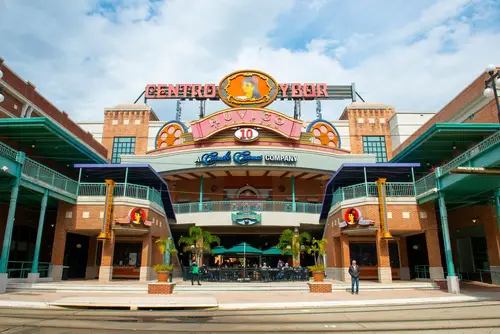
Tampa long benefited from being overshadowed by Miami and Orlando. That changed as retirees, remote workers, and investors poured in. Housing demand spiked while insurance and construction costs rose. Affordable options narrowed quickly.
Apartments in Tampa often lease up before completion. Many residents find themselves renewing leases because alternatives are scarce. Suburban expansion helped, but commute times grew. Affordable living still exists, but rarely on a quick timeline.
5. Phoenix, Arizona
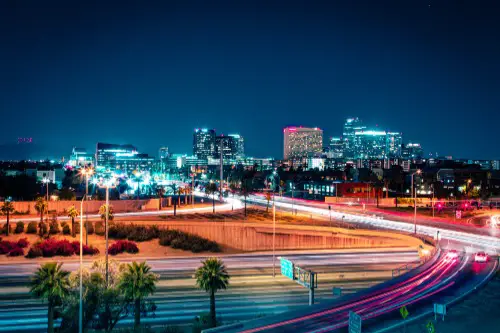
Phoenix once symbolized endless sprawl and attainable housing. Population growth and institutional investors reshaped that equation. Homebuilding increased, but not enough at the lowest price tiers. Heat, water concerns, and land-use rules also slowed expansion.
Renters now face competitive applications and longer searches. Entry-level homes sell quickly, often above asking price. Many newcomers underestimate how fast the market moves. Waiting has become part of the affordability equation.
6. Raleigh, North Carolina
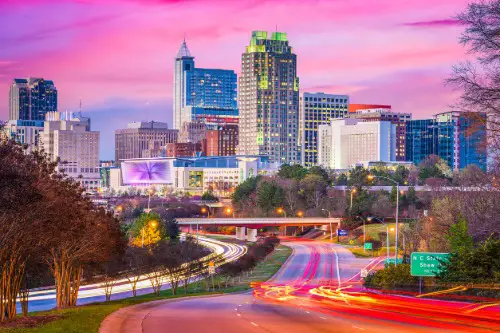
Raleigh’s appeal rests on universities, tech jobs, and steady growth. The region attracted newcomers faster than planners anticipated. Zoning limitations kept density lower than demand required. That mismatch pushed affordable units into short supply.
Apartment complexes in Raleigh frequently maintain waitlists. Entry-level buyers compete heavily for townhomes and small single-family houses. New developments skew toward higher incomes. Affordable living now requires strategic patience.
7. Charlotte, North Carolina
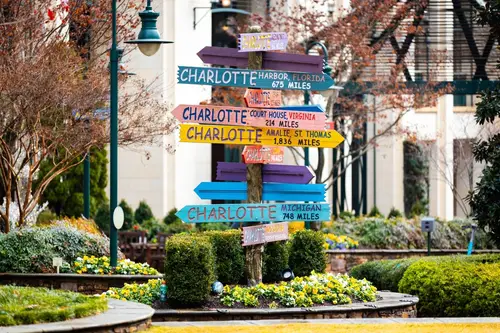
Charlotte grew as a banking and finance hub with relatively low costs. Migration from higher-cost metros accelerated housing demand. Construction increased, but land-use patterns favored single-family homes. That slowed the creation of dense, affordable options.
Renters often encounter limited availability in popular neighborhoods. Prices rose fastest in areas near job centers. Suburbs absorbed growth, but not everyone wants the commute. Waiting became the compromise for lower rent.
8. Denver, Colorado
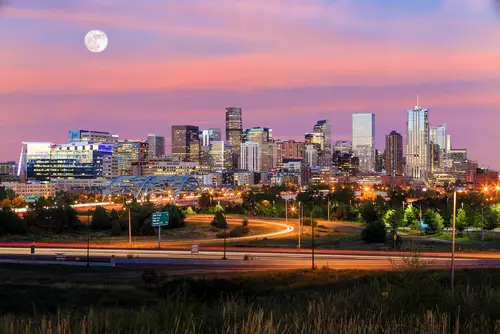
Denver’s affordability shifted years ago, but the waiting game persists. Strong job growth and outdoor appeal kept demand high. Geographic constraints limited sprawl in key areas. Supply struggled to catch up.
New apartment buildings in Denver often pre-lease well ahead of opening. Affordable housing lotteries became common for income-restricted units. First-time buyers face long searches and repeated offers. The city rewards persistence more than speed.
9. Salt Lake City, Utah
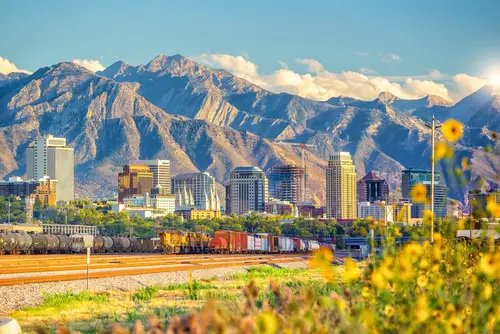
Salt Lake City benefited from a strong job market and family-friendly image. Rapid population growth strained the housing supply. Zoning and neighborhood resistance slowed denser development. Prices rose faster than wages.
Renters frequently wait for openings in newer buildings. Entry-level homes are scarce and highly competitive. Many residents look to outlying cities for relief. Affordable living now involves strategic waiting.
10. Missoula, Montana
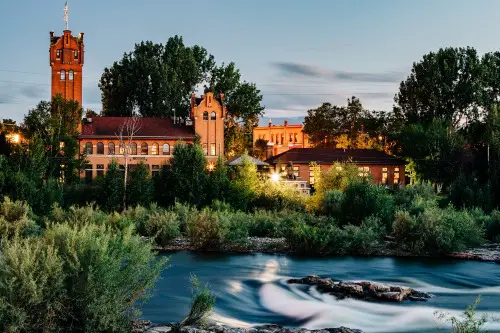
Missoula’s charm and access to nature drove unexpected demand. The local housing stock was never designed for rapid growth. Limited construction capacity slowed new supply. Prices rose sharply as availability tightened.
Rentals in Missoula often fill almost immediately. Seasonal demand from students and workers adds pressure. Affordable units are few and far between. Waiting is often the only way to stay within budget.
11. Bend, Oregon
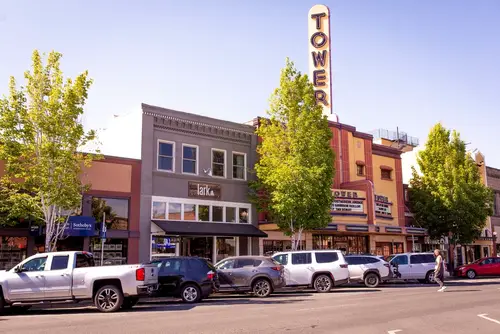
Bend transitioned from a quiet outdoors town to a destination city. In-migration surged while housing lagged behind. Geographic limits and infrastructure costs slowed expansion. Affordability eroded quickly.
Renters face fierce competition for modest apartments. Many residents stay put longer because moving is risky. New housing tends to target higher-income buyers. Affordable living here requires timing and luck.
12. Huntsville, Alabama
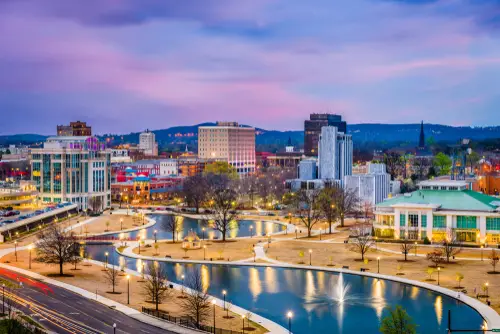
Huntsville’s tech and defense growth boosted incomes and population. Housing development increased, but demand rose faster. Entry-level housing became harder to find. The city’s affordability advantage narrowed.
Apartments in Huntsville now lease faster than before. First-time buyers encounter limited inventory. Suburbs absorbed growth unevenly. Waiting has become part of settling in.
13. Chattanooga, Tennessee
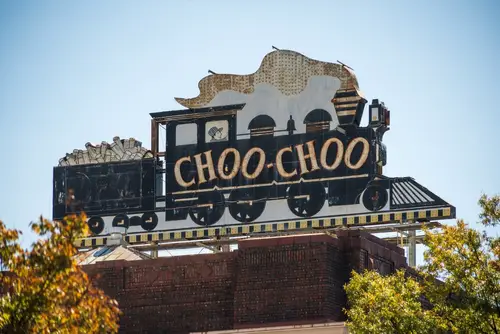
Chattanooga marketed itself as affordable with high-speed internet. That message worked a little too well. In-migration outpaced new housing supply. Prices climbed, especially near downtown.
Renters often wait for openings in popular neighborhoods. Entry-level homes sell quickly when listed. Development takes time due to terrain and zoning. Affordable living here now requires patience.
14. Columbus, Ohio
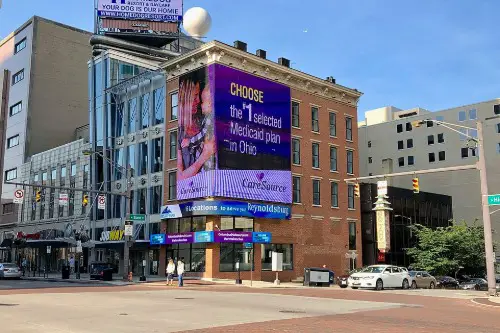
Columbus stayed affordable longer than many peer cities. Job growth in tech, logistics, and healthcare changed the balance. Housing construction increased, but not evenly across price ranges. Demand concentrated on modest homes and apartments.
Renters now encounter fewer immediate options than before. Starter homes attract multiple offers quickly. New developments skew higher-end in central areas. The waiting game replaced the walk-in rental.
This post Where “Affordable Living” Turned Into a Waiting Game was first published on American Charm.

