
1. Memphis, Tennessee

Memphis has a strong logistics economy anchored by major shipping and distribution operations. Its cultural influence in music and food remains globally recognized. Despite that, poverty rates and crime remain persistent challenges. Economic growth hasn’t translated evenly across communities.
Downtown and riverfront areas have seen steady reinvestment. Healthcare and education sectors provide stable employment. Still, workforce development and public safety lag behind peer cities. Memphis feels caught between potential and progress.
2. New Orleans, Louisiana
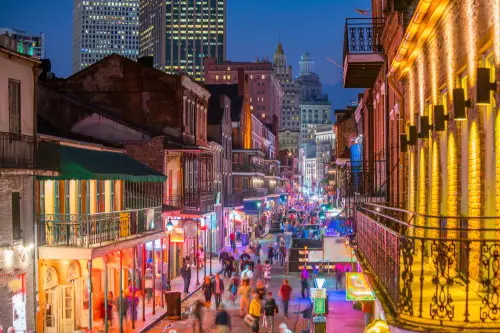
Nearly two decades after Hurricane Katrina, New Orleans has had ample time to stabilize its economy and infrastructure. Tourism returned quickly, and the city regained its cultural heartbeat through food, music, and festivals. However, population levels remain well below pre-Katrina numbers, and housing affordability has worsened. For a city with global name recognition and constant visitor dollars, basic quality-of-life issues persist.
The port, universities, and healthcare sector provide strong economic pillars. Federal rebuilding money and nonprofit involvement reshaped entire neighborhoods. Still, crime rates and infrastructure failures regularly undermine progress. New Orleans feels like a city surviving on resilience rather than reaching sustainable recovery.
3. Cleveland, Ohio
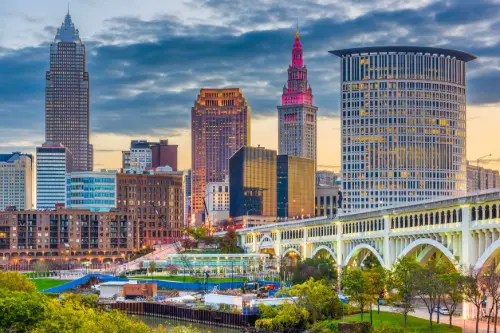
Cleveland’s struggles are well documented, but so are its advantages. It boasts world-class healthcare institutions, major universities, and a cost of living that should attract families and entrepreneurs. Downtown and nearby neighborhoods have seen visible reinvestment over the past 15 years. Yet population decline and weak job growth continue to define the city.
The city’s lakefront location and cultural institutions give it an edge over many peers. Billions have gone into hospitals, research, and entertainment districts. Still, many residents see little improvement in wages or public schools. Cleveland feels like a city with all the ingredients but an incomplete recipe.
4. St. Louis, Missouri
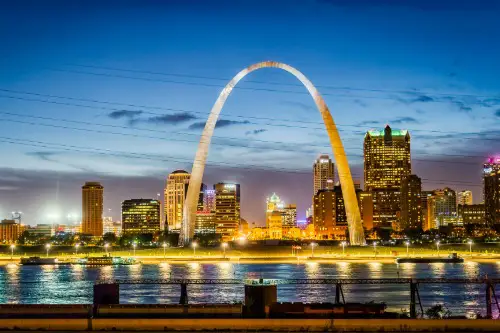
St. Louis has a deep economic base, including biotech, logistics, and higher education. Large employers like Washington University and major corporations have remained committed to the region. Despite that, the city continues to lose population at a steady pace. Public safety concerns and political fragmentation slow momentum.
Downtown has seen repeated revitalization attempts, some successful and others short-lived. Major infrastructure and redevelopment plans come and go without lasting impact. Given its central location and existing assets, more consistent growth should be visible by now. Instead, progress feels cyclical rather than forward-moving.
5. Baltimore, Maryland
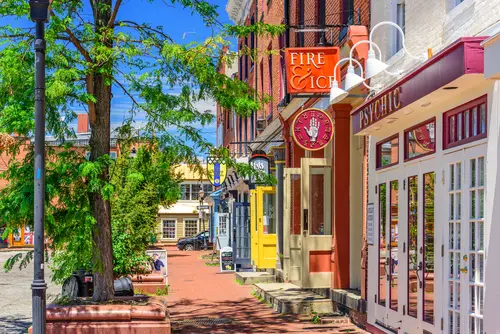
Baltimore sits along a major East Coast corridor with proximity to Washington, D.C. Its universities, hospitals, and port provide stable economic anchors. Yet the city continues to struggle with violent crime, population loss, and aging infrastructure. These issues persist despite decades of federal and state investment.
High-profile redevelopment projects have reshaped Inner Harbor areas and nearby neighborhoods. However, economic gains remain unevenly distributed across the city. Baltimore has the advantage of location that many cities lack. That proximity makes the lack of broader recovery especially striking.
6. Gary, Indiana
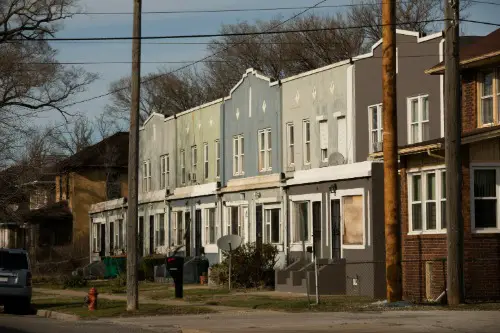
Gary’s decline was dramatic, but so were the resources available for a rebound. Its location near Chicago and access to rail and port infrastructure should be major assets. Instead, population loss has continued for decades with limited reversal. Abandoned properties still dominate large sections of the city.
The city has received state and federal assistance aimed at redevelopment. Industrial land and transportation links offer genuine economic potential. Yet sustained private investment has been minimal. Given its geographic advantages, Gary’s stagnation stands out.
7. Camden, New Jersey
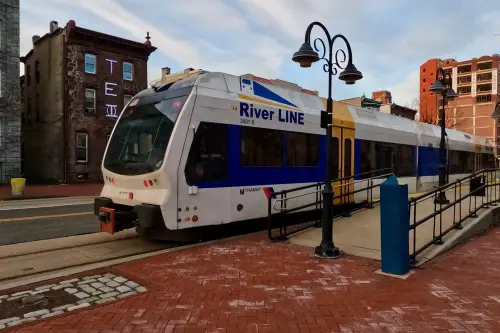
Camden has benefited from years of targeted state-led economic development programs. Major institutions like hospitals and universities have expanded their footprint in the city. Crime rates have dropped significantly compared to their peak years. Still, poverty and unemployment remain deeply entrenched.
The waterfront redevelopment and corporate tax incentives brought attention and investment. However, many residents report little improvement in daily economic opportunity. The recovery feels concentrated rather than community-wide. For a city so close to Philadelphia, progress should be more visible by now.
8. Buffalo, New York
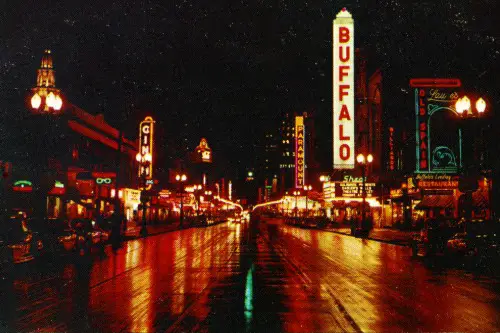
Buffalo has spent years rebranding itself as a comeback city. Investment in its waterfront, downtown, and cultural districts has produced real improvements. Population decline has slowed, but growth remains modest. Many neighborhoods still struggle with aging housing stock and limited job access.
The city benefits from strong universities and a growing healthcare sector. Its location near the Canadian border adds international trade potential. Despite these advantages, wages lag behind national averages. Buffalo feels like it’s always on the verge of a breakthrough that hasn’t fully arrived.
9. Youngstown, Ohio
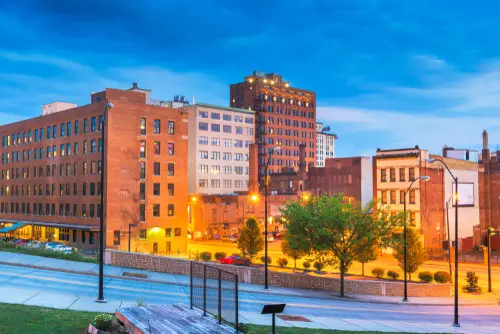
Youngstown embraced the idea of managed decline early on, acknowledging its reduced population. That honesty helped stabilize some neighborhoods and infrastructure systems. However, long-term economic diversification has been limited. The city still struggles to attract new industries at scale.
Its location between Cleveland and Pittsburgh should be a strength. Affordable real estate and a smaller urban footprint offer potential for niche growth. Yet job opportunities remain scarce for younger residents. After decades of planning, more tangible results should be evident.
10. Flint, Michigan
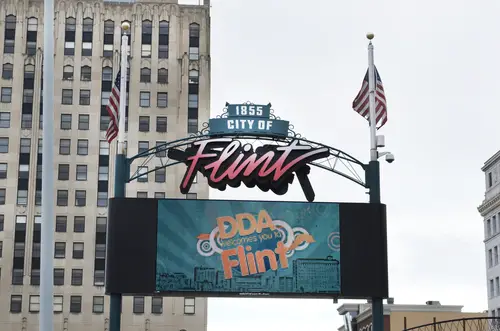
Flint’s water crisis brought national attention and significant government intervention. Infrastructure repairs and public health programs followed years of neglect. Despite this, population loss continues and trust in local institutions remains fragile. Recovery has been slow and uneven.
The city once thrived as an industrial hub with a skilled workforce. Federal aid and nonprofit involvement increased dramatically after the crisis. Still, economic revitalization lags behind the scale of attention received. Flint’s recovery remains more symbolic than structural.
11. Newark, New Jersey
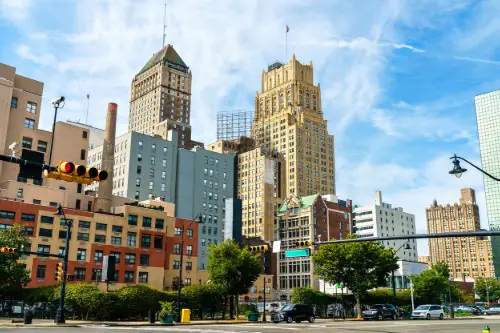
Newark has benefited from proximity to New York City and major transportation hubs. Corporate offices, universities, and arts investments have reshaped parts of downtown. Yet many neighborhoods still face high poverty and limited economic mobility. Population growth has been modest at best.
The city has made real strides in reducing crime from earlier decades. Development around transit corridors shows promise. However, rising costs haven’t been matched by rising incomes for longtime residents. Newark’s advantages suggest it should be further along.
12. Detroit, Michigan
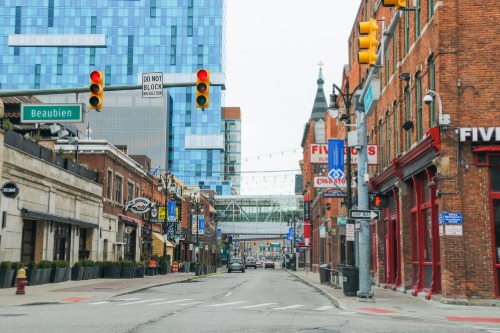
Detroit has had more than a decade of national attention, philanthropic investment, and corporate relocations aimed at recovery. Downtown and Midtown are visibly improved, with new offices, sports venues, and residential projects changing the skyline. Yet population loss continues, basic services remain uneven, and many neighborhoods still lack grocery stores and reliable transit. Given the scale of resources and time invested since bankruptcy, broader, citywide stability should be further along.
The city’s auto-industry roots still provide a base most struggling cities don’t have. Major employers like Ford and General Motors remain anchored in the region, and mobility startups have poured in. Despite that, job growth has not translated into widespread household stability or school system recovery. Detroit’s comeback feels real but frustratingly incomplete.
13. Atlantic City, New Jersey
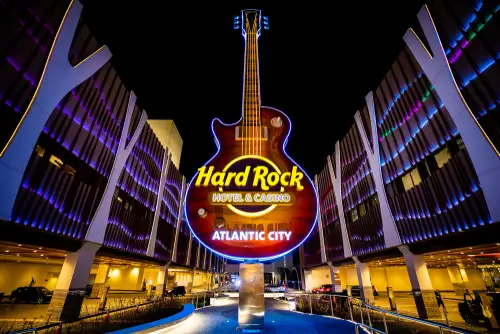
Atlantic City’s decline was dramatic, but its recovery efforts have been extensive. Casino closures forced diversification plans focused on entertainment and conventions. Some new investment has arrived, but unemployment and poverty remain high. Tourism alone hasn’t stabilized the local economy.
The city still benefits from beachfront property and regional access. State intervention helped prevent total collapse. However, reliance on seasonal visitors limits long-term stability. Given its location, Atlantic City’s rebound should be stronger by now.
14. Rockford, Illinois
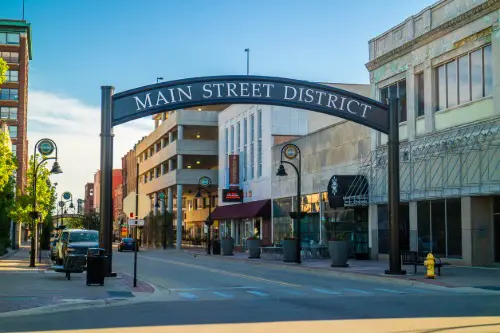
Rockford has worked to reinvent itself after manufacturing losses. Its location between Chicago and Madison offers logistical advantages. Yet population growth remains stagnant, and job creation is slow. Revitalization efforts haven’t scaled up citywide.
Healthcare and advanced manufacturing have provided some stability. Downtown improvements show promise but remain limited in scope. Many residents still commute elsewhere for work. After years of planning, broader economic momentum is lacking.
15. Fresno, California

Fresno sits in the heart of one of the most productive agricultural regions in the country. Population growth has been steady, driven by affordability compared to coastal cities. However, job quality and wages lag behind state averages. Infrastructure and air quality issues persist.
The city has invested in downtown redevelopment and transit projects. Proximity to national parks and universities adds appeal. Still, economic diversification has been slow. Given its growth and location, Fresno’s recovery feels underpowered.
This post 15 U.S. Cities That Should Have Bounced Back by Now was first published on American Charm.

