
1. Florida
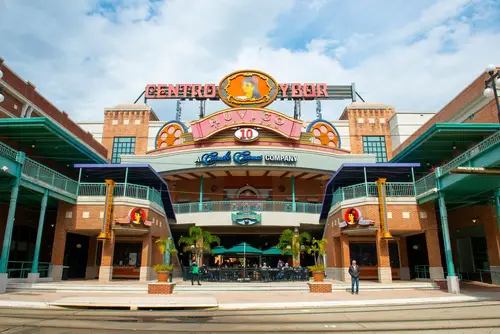
Florida’s long-term planning challenges are increasingly tied to climate risk. Hurricanes are more frequent and more costly, and recovery can stretch far longer than expected. Property insurance premiums have surged, and some insurers have exited the state entirely. That makes it difficult for homeowners to predict long-term costs or even maintain coverage.
Population growth adds to the pressure. Rapid development strains roads, schools, and utilities, particularly in coastal areas already facing flooding concerns. Sea level rise has shifted conversations from hypothetical to practical in many communities. Planning decades ahead feels harder when the landscape itself may change.
2. California

Long-term planning in California feels harder because the basics keep getting more expensive and less predictable. Housing costs remain high across most metro areas, even as interest rate changes reshuffle buying and renting decisions. Wildfires, drought, and heat waves have made home insurance more expensive and, in some places, difficult to secure at all. When housing and insurance both feel unstable, long-term plans start to feel provisional.
Policy shifts also play a role in the uncertainty. Regulations around water use, energy, zoning, and emissions evolve quickly as the state responds to climate and population pressures. While many of these changes aim to solve real problems, they can complicate planning for homeowners and small businesses. People often feel like they are adjusting plans year by year instead of building toward something durable.
3. Texas
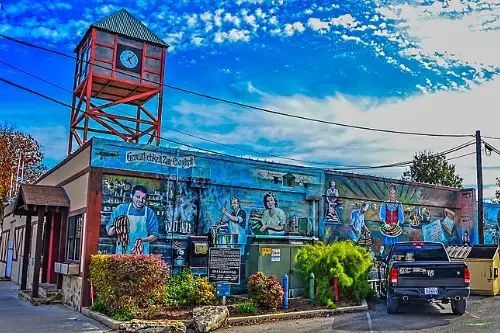
Texas has long been seen as stable and affordable, but recent years have complicated that reputation. The 2021 winter storm revealed weaknesses in the power grid that caught many residents off guard. Extreme summer heat now places similar stress on energy systems and household budgets. When basic utilities feel uncertain, long-term planning becomes more cautious.
Population growth has also changed the financial equation. Rising home values often bring sharp increases in property taxes. Infrastructure in fast-growing suburbs sometimes lags behind demand. For many Texans, the state now requires more backup plans than it used to.
4. New York

New York remains attractive for opportunity, but affordability makes long-term planning difficult. Housing costs are high across much of the state, especially in and around New York City. Taxes and fees weigh heavily on household budgets and long-term projections. Even stable incomes can feel stretched when expenses rise faster than expected.
Climate risks are becoming harder to ignore. Flooding events have disrupted neighborhoods and transit systems in downstate areas. Policy changes around housing, transit, and public safety can arrive quickly at the local level. The result is a sense that long-term plans need constant revision.
5. Louisiana

Louisiana’s planning challenges are closely tied to land and water. Coastal erosion and land loss continue to threaten entire communities, not just individual properties. Hurricanes frequently interrupt economic stability and recovery timelines. Planning decades ahead can feel unrealistic when geography itself is changing.
Insurance is another major concern. Premiums have increased sharply, and some residents struggle to find coverage. Infrastructure repairs often trail storm damage, extending uncertainty. For many families, the future feels vulnerable rather than secure.
6. Arizona

Arizona’s long-term uncertainty centers on water availability. Ongoing shortages tied to the Colorado River have already limited development in some areas. Extreme heat has intensified, affecting health, energy use, and daily life. These factors now play a central role in where and how people plan to live.
Rapid population growth adds complexity. Housing demand remains strong, but infrastructure and water planning must keep pace. Residents are increasingly aware that long-term sustainability matters more than ever. That awareness can make future planning feel heavier and more constrained.
7. Colorado

Colorado’s popularity has driven rapid growth and rising costs. Housing prices have climbed quickly, especially along the Front Range and in mountain communities. Wildfires and extended smoke seasons now factor into quality-of-life and insurance decisions. The state feels less predictable than it once did.
Water access is an underlying concern. Colorado sits at the center of interstate water agreements under increasing strain. Policy debates around growth, land use, and environmental protection continue to evolve. Long-term plans often require more assumptions than certainty.
8. Washington
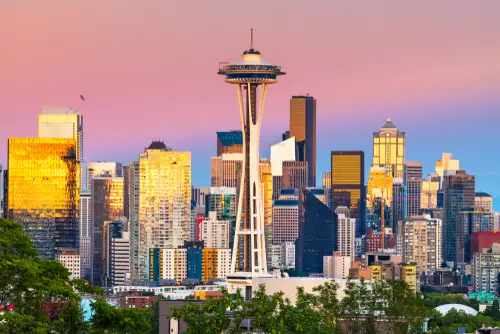
Washington’s planning challenges often start with housing affordability. Home prices and rents have risen sharply in major cities and nearby suburbs. Even traditionally affordable areas have seen rapid cost increases. That makes long-term financial planning more difficult for many residents.
Climate and environmental factors add another layer. Wildfire smoke has become a recurring summer issue, even in western parts of the state. Infrastructure and transportation planning continues to evolve alongside population growth. The pace of change can make the future feel less settled.
9. Oregon

Oregon faces a mix of affordability and environmental concerns. Housing shortages have driven up prices, particularly in urban corridors. Wildfires have become more frequent and destructive, affecting air quality and insurance availability. These risks complicate long-term decisions about where to settle.
Economic uncertainty also plays a role. Some regions rely heavily on specific industries that fluctuate with market conditions. Policy changes around land use and housing aim to help but can create short-term uncertainty. Planning ahead often feels like navigating moving targets.
10. Nevada

Nevada’s growth has brought opportunity but also instability. Housing prices in areas like Las Vegas and Reno have risen quickly. Water scarcity remains a constant concern, especially as the population grows. Long-term planning must account for environmental limits.
The state’s economy adds another layer of unpredictability. Tourism and hospitality play an outsized role and are sensitive to downturns. Job security can feel less stable during economic shifts. That volatility makes long-term commitments harder to feel confident about.
11. Montana

Montana’s challenges stem largely from rapid in-migration. Housing costs have surged in cities and scenic areas, outpacing local wages. Longtime residents often feel priced out of their own communities. Planning for the future becomes harder when affordability shifts so quickly.
Infrastructure and services are still adjusting to growth. Roads, healthcare access, and utilities face increased demand. Policy responses are evolving but not always fast enough. The state feels like it is in transition rather than equilibrium.
12. Idaho

Idaho has experienced similar growing pains. Influxes of new residents have driven up housing costs dramatically. Wages have not always kept pace with rising prices. That gap complicates long-term financial planning for many households.
Local governments are still adapting to growth. Infrastructure and school systems face new pressures. Changes happen quickly as communities adjust. For many residents, the future feels less predictable than it did a decade ago.
13. South Carolina

South Carolina’s growth has brought both opportunity and strain. Coastal development increases exposure to hurricanes and flooding. Insurance costs have risen in vulnerable areas. Long-term planning now requires factoring in climate risk more explicitly.
Population growth also affects housing and infrastructure. Demand has pushed prices upward in popular regions. Roads and services often lag behind development. The pace of change can make long-term stability feel uncertain.
14. North Carolina
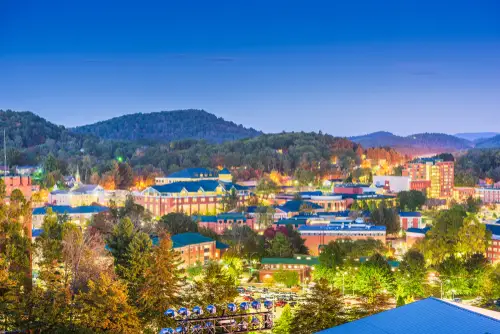
North Carolina’s appeal has driven rapid growth, especially in urban and coastal areas. Housing costs have increased faster than many residents expected. Infrastructure expansion struggles to keep up in some regions. That mismatch complicates long-term planning.
Climate concerns are increasingly relevant. Flooding and hurricanes affect eastern parts of the state. Policy debates around growth and zoning continue to evolve. The future can feel less defined than it once did.
15. Alaska
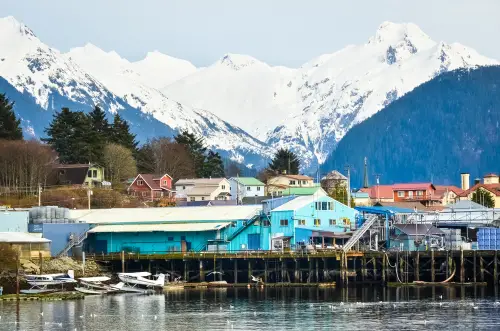
Alaska faces unique long-term planning challenges tied to climate and cost. Thawing permafrost damages roads, buildings, and utilities in many communities. Supply chains are expensive and vulnerable to disruption. Long-term maintenance costs are hard to predict.
Population shifts also add uncertainty. Some communities shrink while others grow unevenly. Public services must adapt to changing needs across vast distances. Planning ahead often requires flexibility rather than firm expectations.
This post 15 States Where Long-Term Planning Feels Harder Than It Used To was first published on American Charm.

