1. Media Diets Barely Overlap Anymore

Many Americans now get their news from entirely different ecosystems, and those ecosystems rarely intersect. Cable news, podcasts, newsletters, YouTube channels, and social platforms all tell the story of the day differently. Algorithms reinforce this by feeding people more of what they already agree with. The result is that neighbors can live in the same town but inhabit different informational realities.
This matters because shared facts are the foundation of shared debates. When people cannot agree on basic descriptions of events, productive disagreement becomes almost impossible. Studies consistently show partisan gaps in trust toward major news outlets. Fragmentation grows when people feel informed but are actually siloed.
2. Politics Has Shifted From Disagreement to Identity
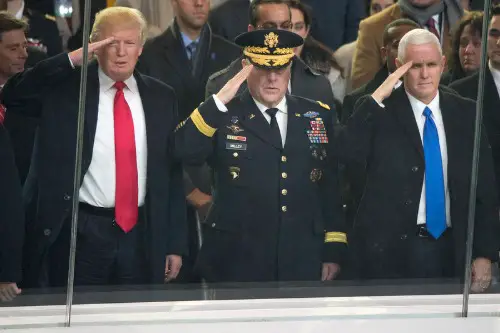
Political affiliation increasingly functions like a personal identity rather than a set of policy preferences. Voters now sort themselves socially based on party, including where they live and who they marry. Surveys show rising discomfort with close family members dating or marrying someone from the opposing party. Politics no longer stays in the voting booth.
This deepens fragmentation because identity-based divisions are harder to bridge than issue-based ones. People can compromise on tax rates, but they struggle to compromise on who they believe they are. Social identity theory helps explain why political criticism feels personal. Once politics becomes tribal, coexistence becomes more fragile.
3. Americans Are Less Likely to Know Their Neighbors
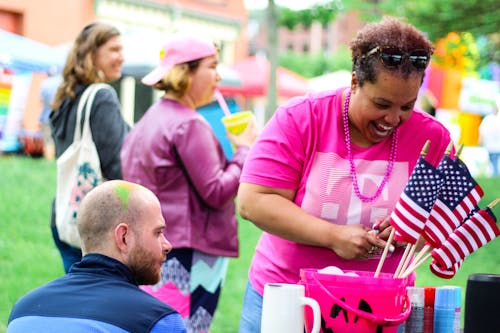
Community ties at the neighborhood level have weakened over the past several decades. Fewer people participate in block associations, local clubs, or neighborhood events. Work-from-home arrangements and long commutes reduce casual interactions. Many people cannot name the people living next door.
This contributes to fragmentation because proximity no longer guarantees connection. Local trust often begins with repeated, low-stakes interactions. When those disappear, suspicion can fill the gap. Research links weaker neighborhood ties to lower civic engagement overall.
4. Social Media Encourages Performance Over Connection

Online platforms reward attention-grabbing statements more than nuanced conversation. Likes, shares, and follower counts shape how people express themselves publicly. This incentivizes signaling to one’s own group rather than persuading others. Conversation turns into performance.
The consequence is that public dialogue becomes more polarized than private belief. People learn quickly which opinions are safe to express in which spaces. Over time, this creates parallel publics that rarely interact honestly. Fragmentation grows when authenticity feels risky.
5. Economic Experiences Diverge Sharply by Class and Region
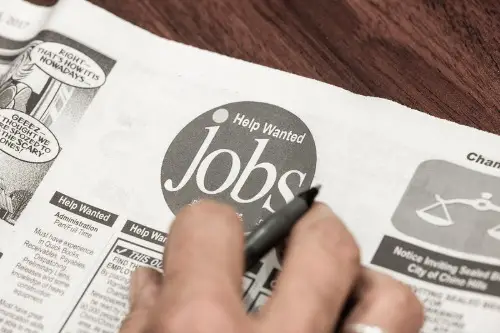
The American economy does not feel the same everywhere or to everyone. Housing costs, healthcare access, and job stability vary dramatically by region and income level. A booming job market in one city can coexist with economic stagnation in another. These differences shape daily life.
This matters because shared national narratives break down when lived experiences diverge. People struggling to pay rent interpret political promises differently than those building wealth. Economic inequality reinforces cultural misunderstanding. Fragmentation deepens when people feel unseen by broader policy conversations.
6. Education Systems Are Increasingly Segmented
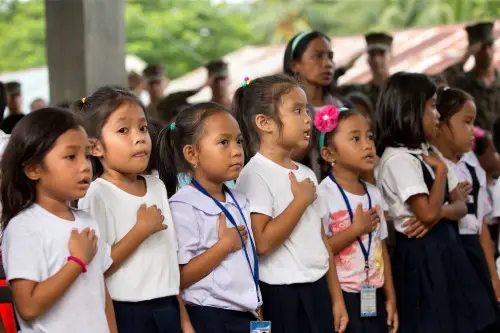
American students often grow up in very different educational environments. School funding varies widely based on local property taxes. Private schools, charter schools, and homeschooling add more separation. Students graduate with unequal resources and perspectives.
These differences shape worldviews long before adulthood. Education influences civic knowledge, social networks, and economic opportunity. When people are educated in separate systems, shared reference points disappear. Fragmentation begins early and compounds over time.
7. Religion Is Declining, but Not Uniformly
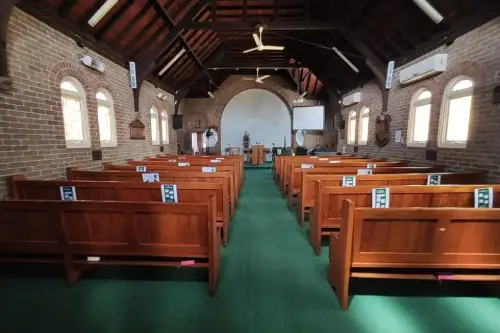
Religious affiliation has declined overall, but the trend is uneven. Some regions and communities remain deeply religious, while others are largely secular. The rise of the religiously unaffiliated has changed public norms. Faith no longer serves as a common social anchor.
This matters because religious institutions historically provided shared rituals and moral language. As participation drops, fewer spaces exist for cross-generational interaction. Differences in belief increasingly map onto political and cultural divides. Fragmentation grows as moral frameworks diverge.
8. Entertainment Is No Longer a Shared Experience

There was a time when most Americans watched the same shows at the same time. Streaming platforms have replaced mass audiences with personalized queues. Even major cultural moments now reach segmented groups. Watercooler conversations are rarer.
Shared entertainment once created low-stakes cultural unity. It gave people common references regardless of background. Without it, casual social bonding becomes harder. Fragmentation shows up in everyday small talk.
9. Trust in Institutions Has Eroded Across the Board
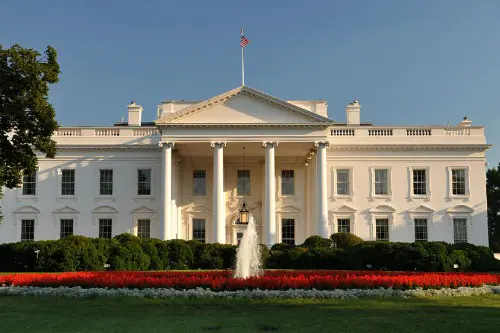
Public trust in government, media, corporations, and universities has declined for decades. Scandals, polarization, and economic disruptions all contribute. People increasingly believe institutions serve someone else’s interests. Skepticism has become the default.
This fuels fragmentation because institutions traditionally mediate conflict. When people reject referees, disputes become personal and endless. Distrust pushes people toward alternative authorities and echo chambers. Shared legitimacy is hard to rebuild once lost.
10. Geographic Sorting Is Intensifying Cultural Divides

Americans are increasingly choosing where to live based on values and lifestyle. Urban, suburban, and rural areas now differ sharply in politics and culture. Migration patterns reinforce ideological clustering. Regions become more internally similar and externally different.
This matters because physical separation reduces everyday exposure to difference. People form opinions about others without interacting with them. Stereotypes flourish when contact declines. Fragmentation becomes geographically embedded.
11. Even Language Is Becoming Politicized
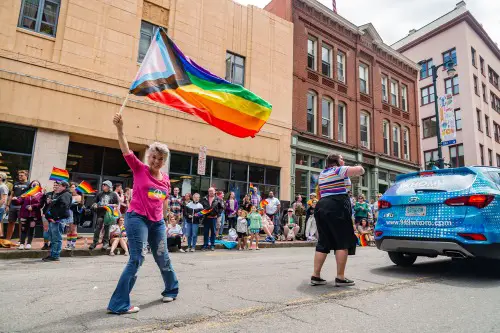
Words that once seemed neutral now signal group affiliation. Terms related to race, gender, health, and democracy carry political weight. People choose language carefully to avoid backlash. Communication becomes cautious or combative.
This contributes to fragmentation by making conversation feel dangerous. Misunderstandings escalate quickly when language is contested. People retreat into spaces where their vocabulary is accepted. Dialogue shrinks as linguistic lines harden.
This post Signs American Life Is Becoming More Fragmented was first published on American Charm.