
1. Columbus, Ohio

Columbus stands out for its consistent job growth and diversified economy anchored by government, education, and logistics. Large semiconductor investments announced earlier in the decade continue to shape long-term expectations. The metro area has attracted new residents, especially younger workers, at a steady pace. Optimism is grounded in planning rather than hype.
The caution comes from infrastructure strain and housing supply challenges. Rapid growth has exposed gaps in transit and affordability that the region is still working to address. Local leaders are focused on zoning reform and workforce development to keep momentum sustainable. Residents sense opportunity, but they also see the growing pains.
2. Detroit, Michigan
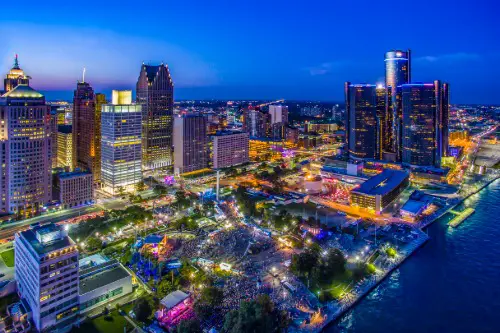
Detroit enters 2026 with cautious optimism because its long-running recovery has shifted from emergency stabilization to steady, if uneven, growth. The city continues to benefit from major auto investments in electric vehicles and batteries, which are anchoring jobs even as the industry changes. Downtown and several neighborhood corridors are seeing consistent redevelopment rather than one-off projects. Residents are hopeful but realistic, knowing population loss has slowed without fully reversing.
At the same time, Detroit’s leaders are grappling with aging infrastructure and persistent neighborhood inequality. Federal infrastructure funding has helped address roads, water systems, and public transit, but progress is gradual. Community groups are more involved in planning decisions than a decade ago, which has built trust. That mix of hard-earned lessons and visible momentum explains the cautious tone.
3. Pittsburgh, Pennsylvania
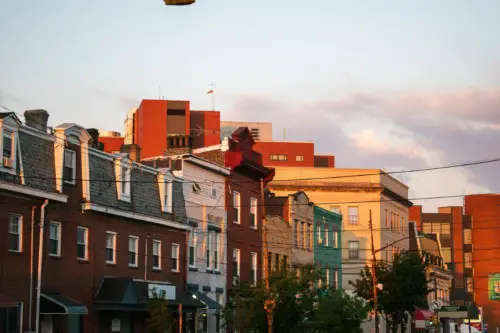
Pittsburgh’s optimism comes from its successful pivot away from a steel-only economy toward healthcare, robotics, and higher education. Major employers tied to universities and medical centers continue to expand, providing relative stability. The city has also invested in riverfront redevelopment and public spaces that improve quality of life. People feel the city is on the right path, even if growth is modest.
Caution remains because Pittsburgh still faces population decline and an aging demographic. Housing stock is old, and affordability pressures are rising in certain neighborhoods. Local officials are balancing tech-driven growth with efforts to retain long-term residents. That careful balancing act defines the city’s outlook heading into 2026.
4. Chattanooga, Tennessee
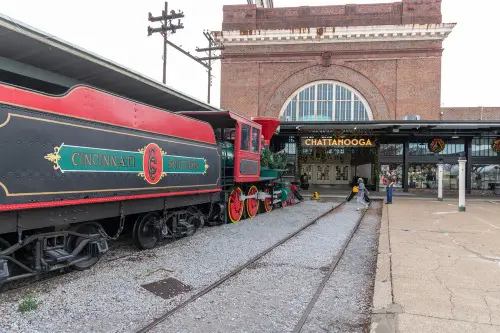
Chattanooga’s reputation as a mid-sized innovation hub continues to fuel confidence. The city’s early investment in high-speed municipal broadband helped attract startups and remote workers. Outdoor tourism and logistics remain reliable economic pillars. That diversity makes the community feel resilient.
Still, Chattanooga is entering 2026 aware of widening income gaps and housing pressures. Rapid in-migration has pushed rents upward faster than wages in some sectors. City officials are experimenting with affordable housing incentives and transit improvements. The optimism is real, but it’s tempered by equity concerns.
5. Madison, Wisconsin
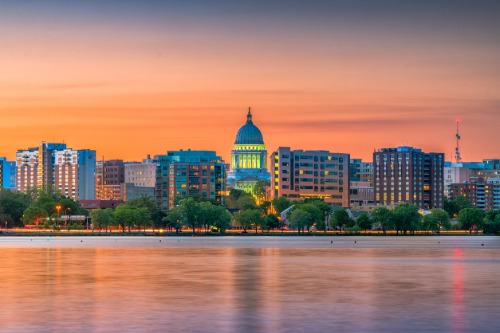
Madison benefits from the stabilizing presence of state government and a major research university. The city continues to attract biotech and health-related firms connected to university research. Its unemployment rates have historically stayed low during national slowdowns. Residents generally feel insulated from extreme economic swings.
However, Madison faces sharp housing shortages and rising costs that worry longtime residents. Growth has outpaced new construction, especially near job centers. Local debates over density and development remain intense. That tension keeps optimism measured rather than exuberant.
6. El Paso, Texas
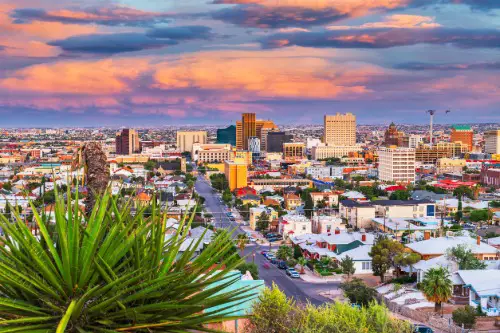
El Paso’s cautious optimism is tied to its growing role in cross-border trade and logistics. The city benefits from its proximity to major manufacturing and distribution networks serving both the U.S. and Mexico. Military spending at Fort Bliss provides a steady economic anchor. These factors give the local economy a sense of durability.
At the same time, El Paso remains sensitive to national immigration and trade policies. Wages remain lower than in other Texas metros, limiting household flexibility. City leaders are focused on workforce training and infrastructure upgrades. Residents feel hopeful but aware of external risks.
7. Fresno, California
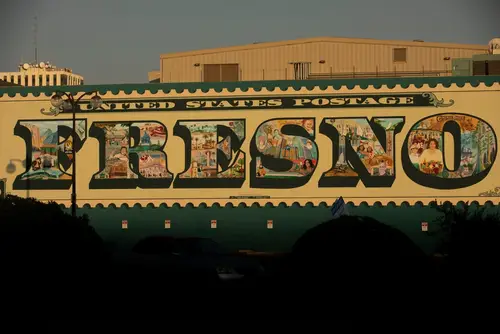
Fresno is entering 2026 with optimism driven by major transportation and downtown revitalization projects. High-speed rail construction has brought jobs and long-term connectivity prospects. The region’s agricultural base remains strong, with growing investment in food processing and logistics. These developments have shifted local expectations.
Caution persists due to water scarcity and affordability pressures. Climate variability continues to challenge farmers and city planners alike. Fresno also faces persistent poverty rates that growth alone has not erased. The community sees progress, but it understands the stakes are high.
8. San Antonio, Texas
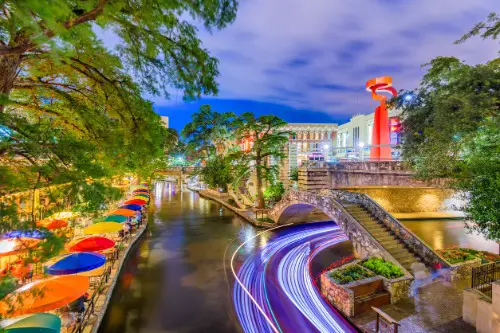
San Antonio’s outlook is buoyed by steady population growth and a diversified economy. Military installations, healthcare systems, and tourism provide multiple layers of stability. The city has invested heavily in workforce development and downtown revitalization. These efforts support a broadly positive mood.
Still, San Antonio is careful about managing sprawl and infrastructure costs. Transportation and water planning are long-term concerns as the metro expands. Income inequality remains a pressing issue in certain neighborhoods. Optimism is paired with deliberate planning.
9. Boise, Idaho
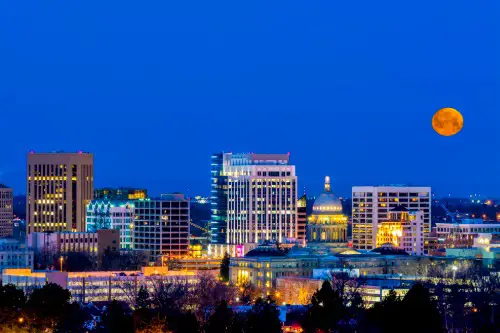
Boise continues to attract new residents drawn by quality of life and a growing tech presence. The region’s economy has diversified beyond agriculture into manufacturing and services. Job growth has remained relatively strong compared to national averages. This has sustained confidence heading toward 2026.
The caution lies in housing affordability and infrastructure capacity. Rapid growth has strained roads, schools, and utilities. Longtime residents worry about being priced out of their own city. Boise’s leadership is focused on slowing problems before they harden.
10. Asheville, North Carolina
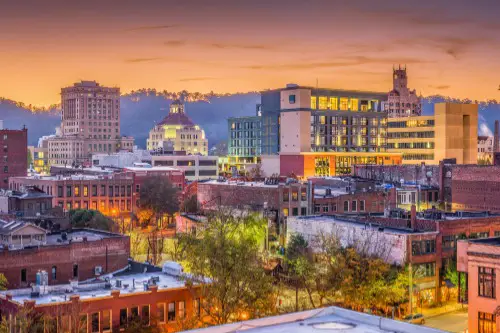
Asheville’s optimism comes from its resilient tourism economy and strong small-business culture. The city has leaned into arts, food, and outdoor recreation as economic drivers. Healthcare and remote work have added stability beyond seasonal tourism. Many locals feel the economy is more balanced than before.
However, Asheville remains wary of overdependence on tourism and rising living costs. Housing shortages have become one of the city’s most pressing challenges. Infrastructure in mountainous terrain is costly to maintain. The mood is hopeful but guarded.
11. Duluth, Minnesota
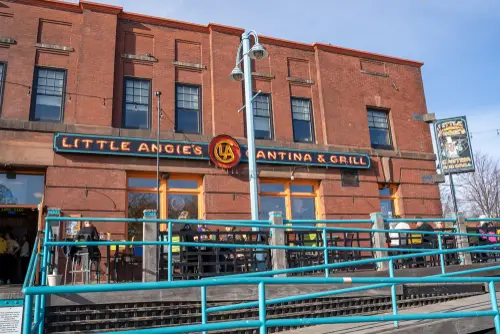
Duluth is seeing renewed confidence tied to climate resilience and infrastructure investment. Its location on Lake Superior positions it as a freshwater-rich community in a warming climate. Port activity and outdoor recreation continue to support the local economy. These factors have sparked new interest in the region.
Caution remains due to an aging population and limited job diversity. Workforce retention is a persistent challenge for local employers. City leaders are focused on attracting younger residents through quality-of-life improvements. Optimism is rooted in long-term positioning rather than quick wins.
12. Roanoke, Virginia
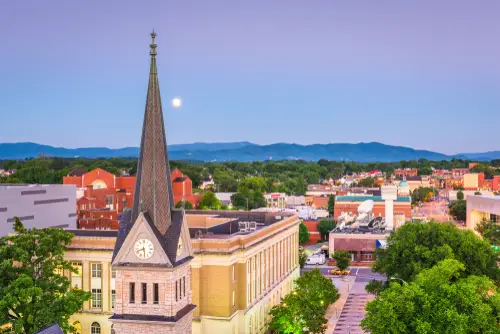
Roanoke’s cautious optimism is driven by healthcare expansion and downtown redevelopment. The city has capitalized on its regional medical centers as major employers. Outdoor recreation and tourism have also grown steadily. These trends have stabilized the local economy.
At the same time, Roanoke remains mindful of its rural surroundings and limited transit connections. Workforce shortages and wage growth are ongoing concerns. Local officials are investing in education and regional partnerships. The community feels hopeful, but grounded in realism.
This post U.S. Communities Entering 2026 With Cautious Optimism was first published on American Charm.

