
1. Healthcare Services

Healthcare looks steady because demand never really drops, especially as the U.S. population continues to age. Hospitals, outpatient centers, and physician groups are still seeing full waiting rooms and long appointment backlogs. Insurance coverage levels have remained relatively stable, which keeps revenue flowing. From the outside, it feels like a sector that can weather almost any economic cycle.
Inside, though, the tension is constant and very real. Labor shortages among nurses and specialists are pushing wages up faster than reimbursement rates. Providers are also juggling higher costs for supplies, cybersecurity risks, and administrative complexity. Many systems are financially stable on paper but exhausted operationally.
2. Electric Utilities
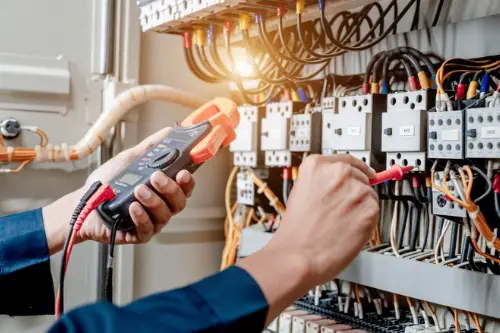
Electric utilities look calm because people keep paying their power bills no matter what the economy does. Regulated pricing structures provide predictable cash flow and limit sudden shocks. Long-term infrastructure investments give the industry a sense of permanence. To investors and consumers, utilities still feel like a safe bet.
Behind the scenes, utilities are under pressure from multiple directions. Grid modernization, wildfire liability, and extreme weather events are forcing expensive upgrades. At the same time, regulators want cleaner energy without allowing rates to rise too fast. The industry feels pulled between reliability, affordability, and political scrutiny.
3. Defense and Aerospace Manufacturing

Defense contractors appear stable thanks to long-term government contracts and sustained geopolitical uncertainty. U.S. defense spending remains high, and multi-year programs create reliable revenue pipelines. Aerospace firms also benefit from commercial aviation’s continued recovery. From the outside, the order books look reassuringly full.
Internally, execution is stressful and complicated. Supply chain disruptions and skilled labor shortages are slowing production schedules. Cost overruns can quickly turn fixed-price contracts into financial headaches. The industry feels stable in demand but strained in delivery.
4. Consumer Staples
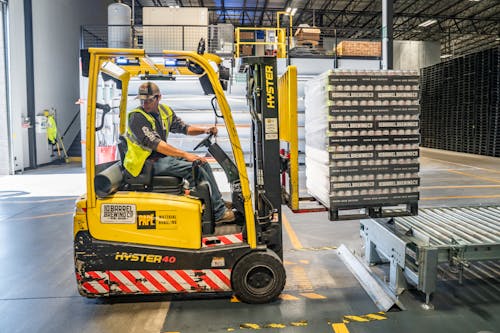
Consumer staples companies benefit from selling everyday necessities like food, beverages, and household goods. Shoppers may trade down, but they rarely stop buying entirely. Brand loyalty provides a buffer during uncertain economic periods. This makes the sector feel unusually calm compared to discretionary retail.
Inside these companies, pricing pressure is relentless. Input costs fluctuate, while consumers are increasingly sensitive to price hikes. Retailers push back harder on margins, squeezing manufacturers. Stability in demand does not mean comfort in profitability.
5. Property and Casualty Insurance

Insurance looks stable because policies renew annually and risks are diversified across millions of customers. Premiums have been rising, helping offset past losses. Regulatory frameworks add predictability to operations. On paper, it’s a business built for long-term resilience.
The tension comes from climate-related losses and legal uncertainty. Severe weather events are becoming more frequent and more expensive. Reinsurance costs are climbing, which narrows margins. Many insurers feel like they are constantly recalibrating risk models that no longer age well.
6. Banking and Credit Services

Large U.S. banks appear stable due to strong capital requirements and regulatory oversight. Deposits remain sticky, and core financial services are always in demand. Stress tests and liquidity rules have made the system more resilient than in past cycles. From the outside, the sector looks tightly managed and controlled.
Internally, banks are uneasy about credit quality and interest rate volatility. Loan growth can slow quickly if economic confidence dips. Technology spending and cybersecurity threats add constant pressure. The industry feels safe structurally but anxious tactically.
7. Semiconductor Manufacturing

Semiconductors are essential to everything from cars to data centers, which gives the industry a stable long-term outlook. Government incentives and domestic manufacturing investments reinforce that stability. Demand for chips tied to AI and cloud computing remains strong. Strategically, the sector feels indispensable.
Operationally, it is anything but relaxed. Capital expenditures are enormous and unforgiving if demand forecasts miss. Global competition and geopolitical risk add layers of uncertainty. Even strong companies feel tense about timing and scale.
8. Cloud Computing and Data Centers

Cloud services feel stable because businesses are deeply dependent on them. Once companies migrate workloads, they rarely move back. Long-term contracts and recurring revenue support predictable growth. The infrastructure feels like a modern utility.
Inside, costs and complexity are rising fast. Power consumption, land use, and cooling challenges are becoming major constraints. Customers are also pushing harder for efficiency and lower spending growth. The industry is growing steadily but sweating the details.
9. Oil and Gas Production
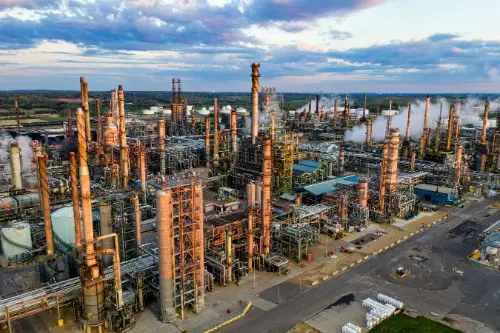
Oil and gas remain stable because energy demand doesn’t disappear overnight. U.S. producers have become more disciplined about spending and output. Cash flow remains strong at moderate price levels. To outsiders, the industry looks battle-tested and durable.
Internally, uncertainty dominates planning discussions. Price volatility makes long-term investment decisions risky. Regulatory pressure and investor expectations for lower emissions complicate strategy. Stability in today’s cash doesn’t erase anxiety about tomorrow’s role.
10. Renewable Energy Development
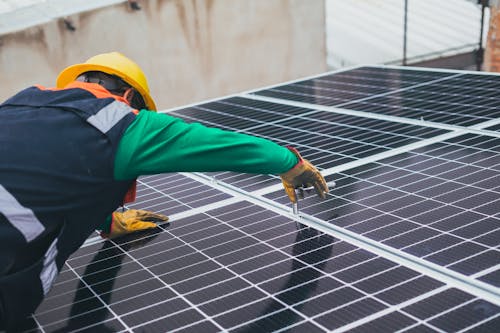
Renewables appear stable due to long-term policy support and growing demand for clean energy. Power purchase agreements lock in predictable revenue streams. Utilities and corporations continue committing to decarbonization goals. Structurally, the sector looks well supported.
The tension lies in execution and financing. Project costs have risen due to higher interest rates and supply constraints. Interconnection delays and permitting hurdles slow deployment. Developers often feel like momentum exists, but progress is fragile.
11. Railroads and Freight Logistics
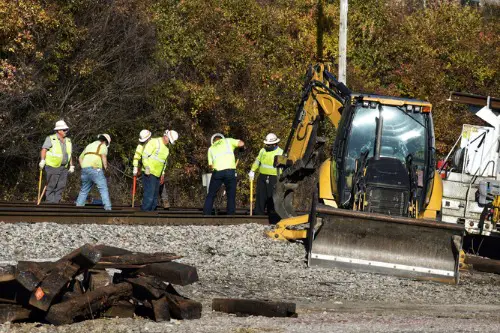
Railroads benefit from entrenched infrastructure and limited competition. They play a critical role in moving bulk goods across the country. Long-term contracts and pricing power provide financial stability. The industry often looks boring in a reassuring way.
Inside, labor relations and service expectations are constant stressors. Precision scheduling has improved margins but reduced flexibility. Customers expect reliability while regulators scrutinize operations. The rails keep running, but the pressure never fully lifts.
12. Food and Agriculture

Food production is fundamentally stable because people always need to eat. Large agribusinesses and processors have diversified revenue streams. Advances in technology help manage yields and logistics. From a distance, the system looks resilient.
Internally, volatility is the norm. Weather extremes, input costs, and global trade disruptions create constant uncertainty. Farmers and processors operate on thin margins despite steady demand. Stability in consumption does not mean peace of mind in production.
13. Waste Management and Recycling

Waste services feel stable because municipalities and businesses can’t opt out. Long-term contracts provide predictable revenue. Barriers to entry are high due to infrastructure and regulation. It’s one of the quietest defensive industries around.
The tension comes from changing environmental expectations. Recycling economics are fragile and often unprofitable. Landfill regulations and community opposition complicate expansion. Even steady businesses feel pressure to reinvent themselves.
14. Telecommunications

Telecom companies benefit from recurring subscription revenue and essential connectivity services. Wireless and broadband access are no longer optional for most households. Network investments support long asset lifecycles. On the surface, the industry looks locked in.
Behind the scenes, competition is intense and capital-intensive. Network upgrades like 5G and fiber are expensive and ongoing. Customer churn and pricing pressure never fully ease. Telecom feels stable in necessity but tense in execution.
This post 14 U.S. Industries That Look Stable Going Into 2026—but Feel Tense Inside was first published on American Charm.

