
1. San Juan Islands, Washington
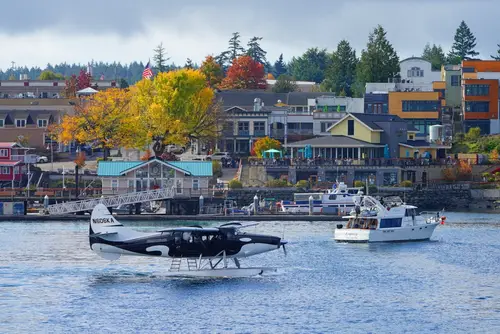
The San Juan Islands reward travelers who slow down and accept ferry schedules instead of fighting them. Life here is shaped by tides, weather, and inter-island connections, not tourism calendars. Orcas, eagles, and working harbors are part of daily life rather than special attractions. Even the busiest towns like Friday Harbor still feel grounded in local routines.
There’s a strong culture of stewardship that shows up in marine conservation, local farms, and community events. You’ll eat salmon caught nearby and see handwritten signs for honor-system farm stands. Cell service can be spotty, which encourages actual conversations with people you meet. It’s authentic because it asks you to adapt to island life instead of reshaping itself around you.
2. Marfa, Texas
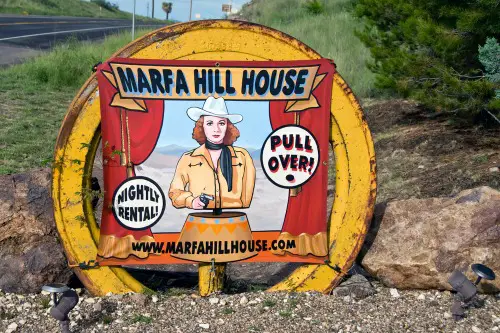
Marfa still feels like a real town first and an art destination second, which is exactly why it works. You’ll see locals at the grocery store alongside gallery-hoppers, and neither group seems bothered by the other. The town’s small size keeps everything walkable and personal, from coffee shops to converted warehouse galleries. It’s authenticity comes from the fact that people actually live here year-round, not just during festival weekends.
The landscape plays a big role in the experience, with the Chihuahuan Desert stretching endlessly in every direction. Nights are quiet enough that the Marfa Lights viewing area still feels eerie instead of gimmicky. Art spaces like the Chinati Foundation are serious, not splashy, and reward slow looking. You leave feeling like you visited someone’s home turf, not a branded destination.
3. The Driftless Area, Wisconsin
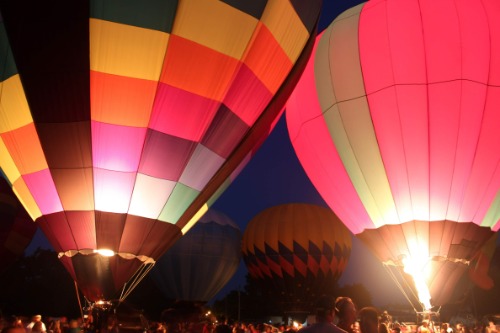
The Driftless Area feels untouched because, geologically speaking, it mostly is. This region avoided the last glaciers, leaving rolling hills, limestone bluffs, and deep river valleys that don’t look like the rest of the Midwest. Small towns are still anchored by cafes, feed stores, and Friday night fish fries. Tourism exists, but it doesn’t overwhelm the rhythms of everyday life.
You can paddle quiet stretches of the Kickapoo River or drive back roads that pass more barns than billboards. Many family farms here have been operating for generations, and that continuity shows. Local festivals feel like community gatherings rather than performances for visitors. It’s authentic because the landscape and culture evolved together, without being overly polished.
4. Natchez, Mississippi

Natchez carries its history openly, without sanding down the complicated parts. Antebellum homes, river commerce, and civil rights stories all coexist in the same walkable downtown. Locals are often eager to talk about where they’re from and how the town has changed. The Mississippi River still shapes the pace and personality of the place.
What makes Natchez feel real is that it’s not trying to reinvent itself for travelers. Neighborhoods remain residential, and churches and schools anchor daily life. Food traditions like tamales and hot tamales reflect layered cultural influences specific to the region. Visiting feels like stepping into an ongoing story rather than a preserved exhibit.
5. Taos, New Mexico
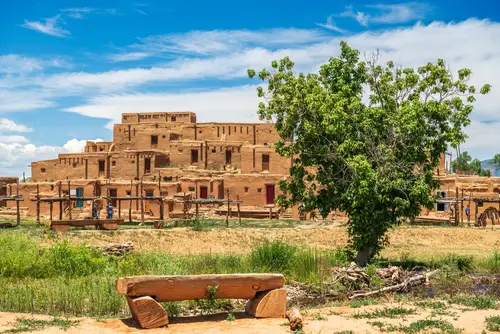
Taos feels authentic because it has never stopped being itself. The town blends Pueblo, Hispanic, and Anglo influences in ways that are visible in architecture, food, and daily life. Taos Pueblo is one of the oldest continuously inhabited communities in the United States, and it’s still a living place. That continuity gives the area a gravity you can feel.
Artists and spiritual seekers have come here for generations, but they haven’t erased what was already present. The surrounding landscape of mesas and mountains keeps development in check. Local markets and galleries often showcase people who actually live nearby. It feels less like a destination and more like a crossroads that people genuinely belong to.
6. The Black Hills, South Dakota
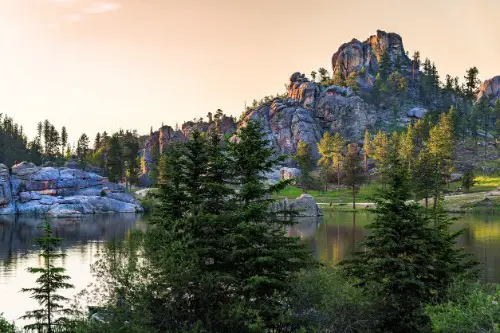
The Black Hills are layered with meaning that goes far beyond roadside attractions. This region is sacred to the Lakota people and still central to their cultural life today. Small towns like Custer and Hill City function as real communities, not just tourist bases. You can feel the tension between history, memory, and modern life in an honest way.
Nature here isn’t manicured, and many trails feel quietly used rather than heavily promoted. Conversations about land, history, and preservation are ongoing and visible. Local museums and cultural centers don’t shy away from complexity. The Hills feel authentic because they ask visitors to listen as much as they explore.
7. Minnesota’s North Shore
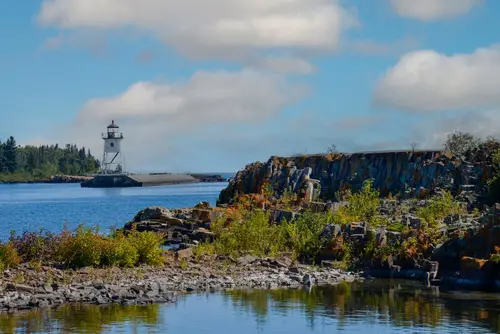
The North Shore of Lake Superior feels rugged and sincere, shaped by weather more than trends. Towns like Grand Marais operate on a mix of fishing, shipping history, and modern outdoor culture. The lake dominates everything, from the economy to the mood. You quickly understand why locals respect it rather than romanticize it.
Seasonality matters here, and businesses adapt instead of pretending otherwise. Winter isn’t hidden, it’s embraced with snowshoes and quiet cafes. Artists, outdoorspeople, and families share the same spaces. It feels authentic because the region doesn’t soften itself to meet expectations.
8. Sapelo Island, Georgia
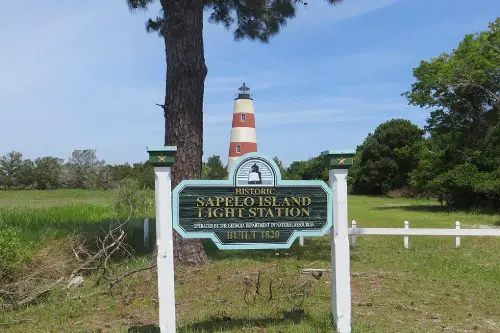
Sapelo Island offers a rare look into Gullah Geechee culture that is still actively lived, not reconstructed. Access is limited by a state-run ferry, which naturally controls crowds. The Hogg Hummock community remains a residential area, not an open-air museum. Visitors are guests here, and that distinction matters.
Local guides often share personal and ancestral connections to the land. The island’s beauty is understated, with marshes and beaches that feel untouched. There are no resorts, and services are minimal by design. Authenticity comes from the fact that daily life continues whether you’re there or not.
9. Canyon de Chelly, Arizona
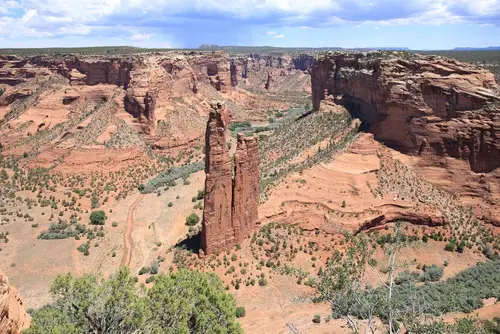
Canyon de Chelly is both a national monument and a living Navajo homeland. Families still farm and herd sheep on the canyon floor, maintaining traditions tied directly to the land. Guided tours are often led by Navajo residents who share personal histories. That perspective changes how you experience the place.
The canyon’s scale is impressive, but it’s the human presence that makes it memorable. You’ll see evidence of ancient dwellings alongside modern life. Access rules prioritize respect over convenience. It feels authentic because the land isn’t separated from the people who belong to it.
10. Chautauqua Institution, New York
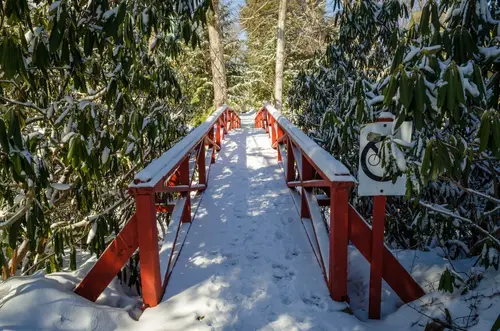
Chautauqua Institution operates on ideas rather than attractions. The summer season revolves around lectures, music, and quiet routines like walking or biking. Many families return year after year, creating a sense of continuity. It feels more like a small town with a shared purpose than a resort.
There’s a deliberate absence of commercial clutter. Architecture and traditions are preserved because people still use them, not just admire them. Conversations with strangers are common and often thoughtful. Authenticity here comes from the emphasis on community and curiosity over consumption.
11. Ozark National Scenic Riverways, Missouri
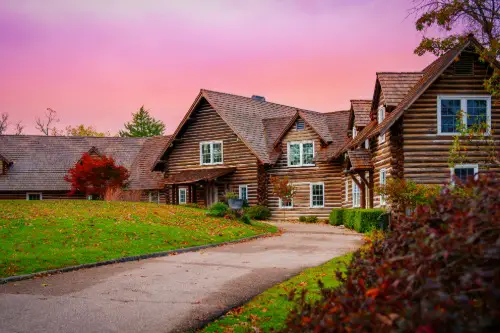
The Ozarks feel genuine because they resist easy categorization. Rivers like the Current and Jacks Fork run through landscapes that are still actively used by locals. Fishing, floating, and swimming are part of everyday summer life. The area hasn’t been overly packaged for outsiders.
Small towns nearby reflect a strong sense of place and independence. You’ll hear regional accents and stories that haven’t been filtered for visitors. The pace is unhurried, even during peak season. It feels authentic because recreation and residence coexist naturally.
12. Homer, Alaska
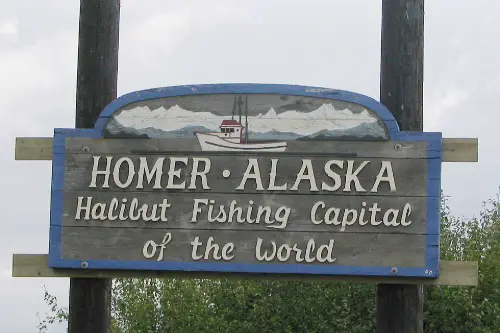
Homer feels like the end of the road because it literally is. Fishing boats, artists, and long-time residents share the same small-town infrastructure. The Spit is working waterfront first, scenic overlook second. Daily life here depends on weather, tides, and the sea.
There’s a strong do-it-yourself ethic that shows in homes, businesses, and community events. Locals are used to visitors but not shaped by them. Nature isn’t staged, and distances are real. Authenticity comes from the fact that Homer exists on its own terms, far from the mainland rush.
This post The Few Places Left Where American Travel Still Feels Authentic was first published on American Charm.

