
1. Lower everyday costs
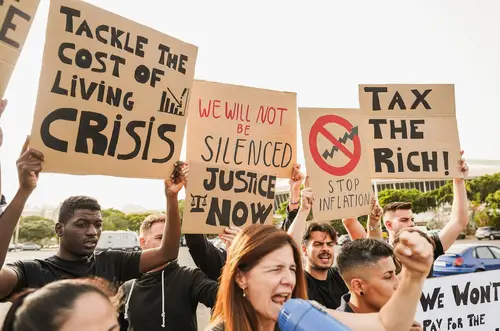
People say it quietly at the grocery store and loudly in group chats: things just cost too much. Rent, insurance, utilities, and food have stayed stubbornly high even as inflation has cooled from its peak. Many Americans feel like their paychecks haven’t caught up to the basics. The hope is simple, not flashy, and deeply practical.
This makes the list because cost-of-living pressure shows up in nearly every consumer survey and election cycle. When everyday prices ease, stress drops fast and confidence rises. Lower costs also change behavior, letting people save, move, or start families. It’s the kind of change that touches almost every household at once.
2. More affordable healthcare
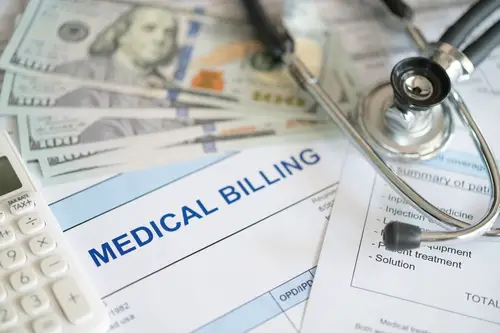
Healthcare is one of those topics people avoid until they can’t. Surprise bills, high deductibles, and prescription prices still catch families off guard. Even insured Americans often delay care because of cost. The quiet wish is fewer financial landmines tied to staying healthy.
This belongs here because healthcare costs remain a top concern across age and income groups. When care is affordable, people seek help earlier and outcomes improve. That reduces long-term costs for families and the system as a whole. It’s not about perfection, just predictability and fairness.
3. A real break in housing costs
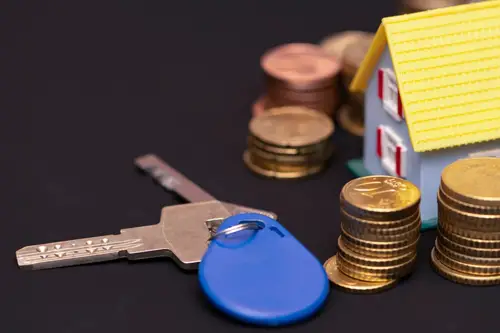
Buying or renting a home has started to feel out of reach in many places. High interest rates, low inventory, and rising rents have collided at once. Young adults are delaying moves, marriages, and kids as a result. Many older Americans worry about downsizing options that no longer pencil out.
This makes the list because housing costs affect mobility and economic growth. When people can’t move, job matching suffers and communities stagnate. A modest cooling in prices or rents would change real decisions fast. Housing doesn’t need to be cheap, just attainable again.
4. Less political hostility in daily life
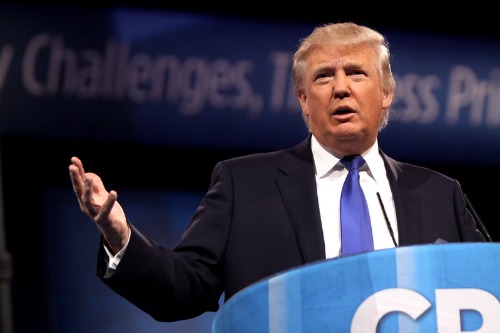
Politics has a way of sneaking into everything from family dinners to school board meetings. Many Americans feel exhausted by constant conflict and suspicion. Even people with strong views often say they miss normal disagreement. The hope is fewer fights and more breathing room.
This belongs here because social trust has measurable effects on mental health and civic participation. When political temperature drops, people engage locally instead of checking out. Workplaces and communities function better with less tension. It’s a quality-of-life issue as much as a political one.
5. More control over work and time

Work has changed fast, and many people want stability instead of whiplash. Remote and hybrid arrangements expanded, then pulled back unevenly. Commutes, childcare logistics, and burnout are part of the daily math. Americans quietly hope for clearer expectations and more flexibility.
This makes the list because work structure affects productivity and health. Studies consistently link autonomy at work to lower stress and higher retention. Clear, fair policies help both employers and employees plan. It’s less about working less and more about working smarter.
6. Clearer answers on student loan debt
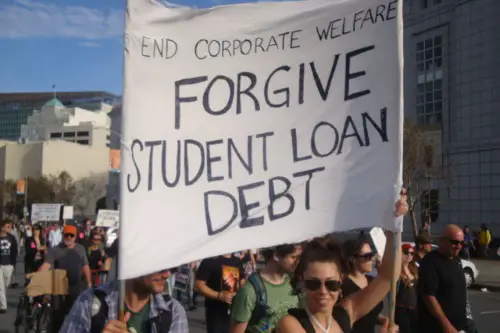
Student loans hang over millions of households like unfinished business. Payment pauses ended, rules shifted, and court decisions created confusion. Borrowers often don’t know what applies to them until a bill arrives. The hope is clarity, not miracles.
This belongs here because uncertainty makes financial planning nearly impossible. When people know their obligations, they can budget, save, or invest with confidence. Clear rules also reduce errors and servicing problems. Even modest predictability would ease a lot of anxiety.
7. Fewer mass shootings and everyday gun violence
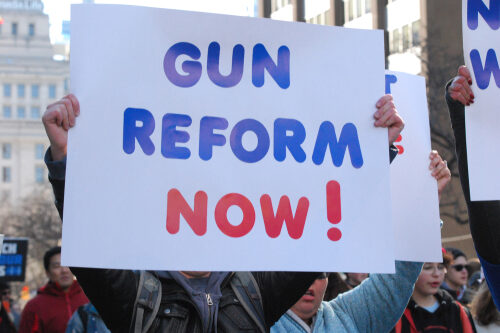
News alerts about shootings have become grimly routine. Many Americans worry about safety in schools, stores, and public events. Even gun owners often say they want fewer tragedies. The shared hope is a noticeable decline in violence.
This makes the list because gun violence is a persistent public safety issue with clear human costs. Reductions show up in hospital data, community stability, and school attendance. Progress doesn’t require consensus on everything to matter. Fewer incidents would change how safe people feel day to day.
8. Infrastructure that works without drama
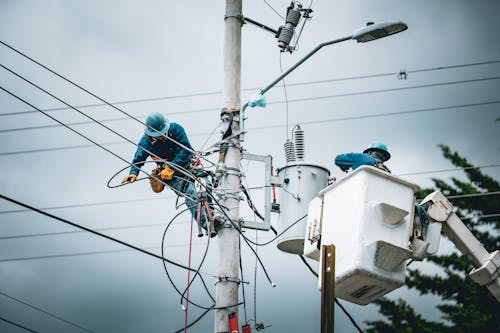
People notice infrastructure most when it fails. Power outages, water issues, bridge closures, and transit delays disrupt normal life. Extreme weather has exposed weak points more often. Americans hope boring reliability makes a comeback.
This belongs here because infrastructure underpins economic activity and safety. Reliable systems reduce emergency costs and lost work time. Investments take years to show results, but benefits compound. When things work quietly, trust in public systems grows.
9. Childcare that families can actually afford

Childcare costs rival rent in many regions. Parents juggle waitlists, patchwork care, and work compromises. The stress hits mothers especially hard. Many families quietly hope for relief that sticks.
This makes the list because childcare availability affects labor force participation. When care is affordable, parents can work consistently and plan careers. Children benefit from stable, high-quality environments. The ripple effects extend far beyond individual families.
10. Better preparation for extreme weather
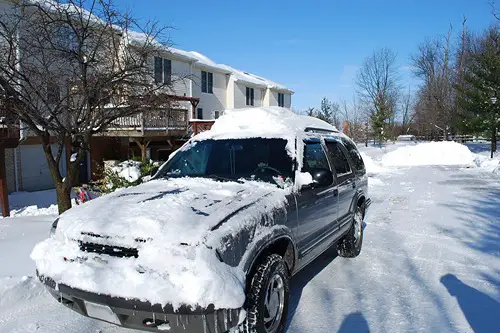
Floods, fires, heat waves, and storms have touched more communities. Even people who disagree on climate policy feel the impacts. Insurance costs and evacuations make risks personal. The hope is smarter preparation and faster recovery.
This belongs here because resilience saves lives and money. Prepared communities recover faster and lose less. Practical steps like hardening grids and improving alerts make a difference. It’s about readiness, not ideology.
11. More trust and transparency from institutions
Many Americans feel skeptical of big systems, from government to tech platforms. Rapid changes, especially around artificial intelligence, add to the unease. People want to know how decisions are made and who benefits. The hope is fewer black boxes.
This makes the list because trust affects compliance and cooperation. Transparent rules and explanations reduce misinformation and fear. Clear guardrails help innovation feel less threatening. Confidence grows when accountability is visible.
This post What Americans Secretly Hope Will Change in the New Year was first published on American Charm.

