
1. Camden, New Jersey
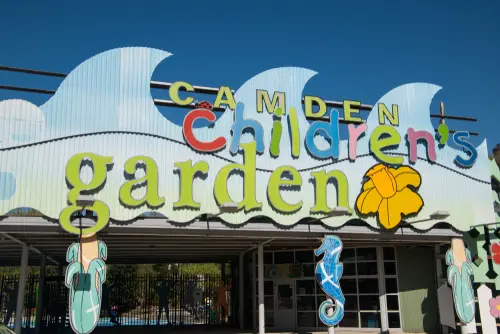
Camden’s decline followed the loss of manufacturing jobs and suburban flight after World War II. Crime, poverty, and underfunded schools became persistent challenges by the late 20th century. Major redevelopment efforts did not begin in earnest until the 2000s. By then, the city’s reputation was deeply entrenched.
Tax incentives eventually attracted employers like Subaru and Holtec to the waterfront. These investments brought jobs but didn’t immediately translate into broad-based improvement for residents. Much of the redevelopment was geographically concentrated, leaving many neighborhoods behind. Camden’s reinvention came after decades of erosion that proved difficult to reverse quickly.
2. Atlantic City, New Jersey
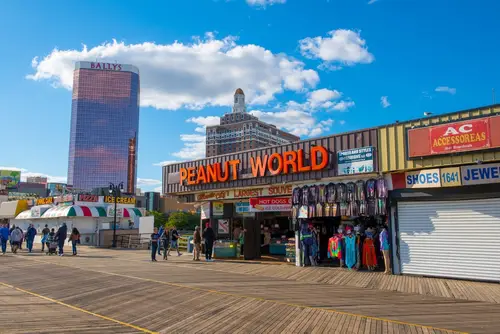
Atlantic City bet almost entirely on casino gambling after its legalization in 1978. For a while, it worked, but the city failed to diversify its economy while competitors in nearby states caught up. By the time Atlantic City tried to pivot to family-friendly tourism and entertainment, casino revenues were already collapsing. Several casinos closed in the 2010s, leaving large gaps in employment and tax revenue.
The city later attempted to rebrand with concerts, beach improvements, and non-gaming attractions. These changes were meaningful but arrived after years of declining infrastructure and public trust. The loss of consistent visitors made reinvention harder to sustain. Atlantic City’s reliance on a single industry proved difficult to reverse once the decline set in.
3. Gary, Indiana
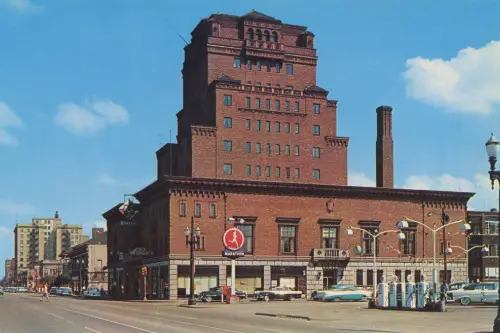
Gary was built around U.S. Steel and thrived when the mills were booming in the mid-20th century. When steel employment collapsed in the 1970s and 1980s, the city lost both jobs and population at a staggering rate. Attempts to attract new industries came after much of the tax base had already vanished. Abandoned homes and buildings became defining features of the city.
Later efforts focused on casino development and proximity to Chicago as selling points. While those strategies brought some revenue, they couldn’t replace the scale of industrial employment that was lost. By the time redevelopment gained traction, Gary’s population had dropped by more than half from its peak. The city’s reinvention faced limits imposed by how long decline had gone unaddressed.
4. Youngstown, Ohio
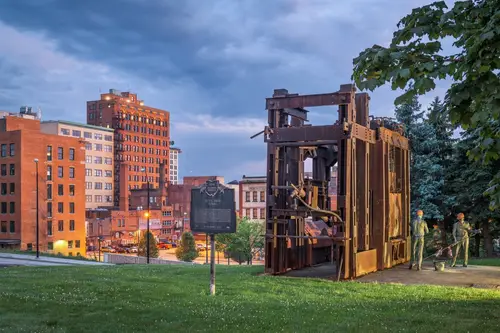
Youngstown was once a steel powerhouse, famously devastated by mill closures in the late 1970s. The sudden loss of tens of thousands of jobs triggered long-term economic and population decline. For decades, recovery plans struggled to gain traction amid shrinking resources. The city became known nationally as a symbol of Rust Belt collapse.
In the 2000s, Youngstown adopted a “right-sizing” strategy, accepting a smaller future instead of chasing unrealistic growth. This pragmatic shift was thoughtful but arrived after generations had already moved away. Redevelopment focused on education and healthcare, particularly around Youngstown State University. The ideas were solid, but the timing limited how much could be regained.
5. Detroit, Michigan
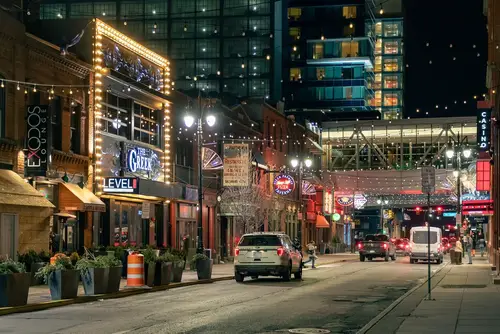
Detroit’s decline is inseparable from the collapse of the U.S. auto industry and decades of population loss after the 1950s. By the time large-scale downtown redevelopment and corporate reinvestment began in the 2000s, much of the middle class had already left. Massive swaths of the city were hollowed out, making recovery far more complex than simply attracting new businesses. The 2013 bankruptcy underscored how late many structural reforms came.
Efforts like revitalizing downtown, restoring historic buildings, and attracting tech firms did create visible progress. However, those changes arrived after decades of disinvestment in neighborhoods and public services. Many residents felt left out of the rebound, which limited broader momentum. Detroit’s reinvention was real, but it came after damage that couldn’t be quickly undone.
6. St. Louis, Missouri
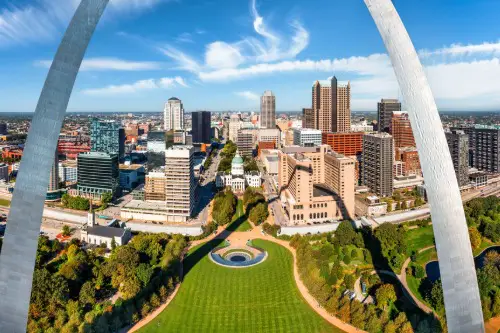
St. Louis suffered from population loss as residents moved to suburbs and surrounding counties. The city’s fragmented regional governance made coordinated solutions difficult. Urban renewal efforts in the mid-20th century, such as the Pruitt-Igoe housing project, failed dramatically. By the time revitalization focused on downtown living and tourism, the city had already shrunk significantly.
Recent investments in parks, cultural institutions, and tech startups have improved parts of the city. However, deep racial and economic divides remain. Many neighborhoods never benefited from the rebound. Reinvention came after long-term structural issues had already reshaped the city’s trajectory.
7. Flint, Michigan
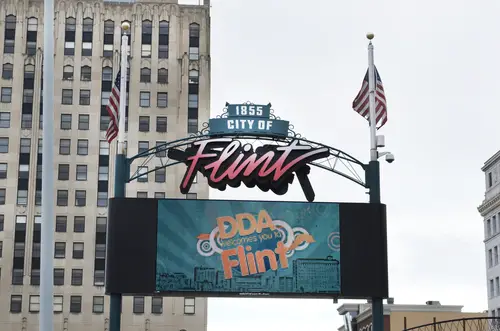
Flint’s fate was closely tied to General Motors, which drastically reduced its local workforce starting in the 1980s. Population loss and declining services followed quickly. Efforts to diversify the economy lagged behind the pace of job losses. The city struggled to maintain basic infrastructure as revenues fell.
The water crisis that began in 2014 further damaged Flint’s prospects and trust in leadership. Redevelopment initiatives gained attention only after national scrutiny. While investment and philanthropy increased, the crisis highlighted how late intervention had come. Flint’s challenges were compounded by years of delayed action.
8. Cleveland, Ohio
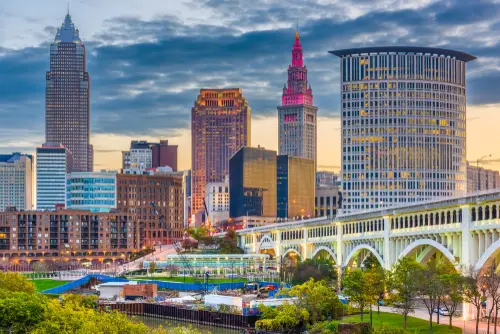
Cleveland faced industrial decline and population loss throughout the late 20th century. The city even defaulted on its loans in 1978, an early warning sign of deeper problems. Attempts to reinvent Cleveland as a service and cultural hub took decades to materialize. By then, much of the middle class had relocated to suburbs.
Projects like the Rock & Roll Hall of Fame and downtown redevelopment boosted tourism. These efforts improved the city’s image but didn’t fully offset job losses. Neighborhood inequality persisted alongside shiny new developments. Cleveland’s turnaround came after long-term decline had already reshaped its economic base.
9. New Orleans, Louisiana
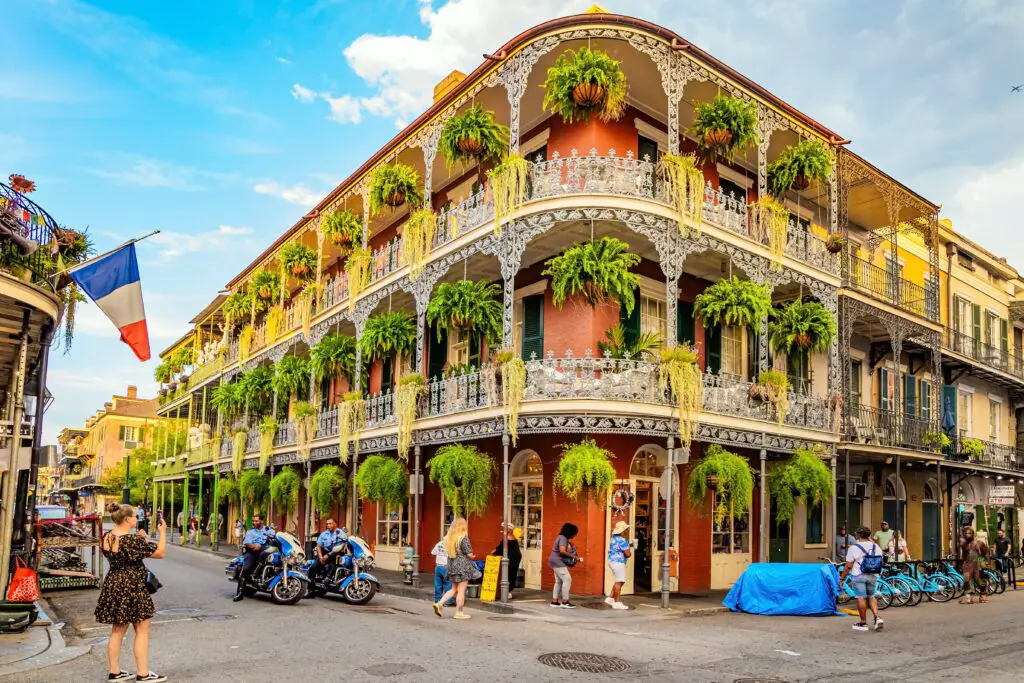
New Orleans struggled with poverty, crime, and infrastructure issues long before Hurricane Katrina. The storm in 2005 accelerated population loss and exposed deep governance failures. Post-Katrina rebuilding sparked conversations about reinvention, but much of the damage was already done. Entire neighborhoods were permanently altered or depopulated.
Tourism rebounded faster than local services and affordable housing. Economic recovery was uneven, favoring certain areas and industries. While the city regained cultural visibility, many residents never returned. Reinvention efforts came after a crisis that fundamentally changed the city.
10. Scranton, Pennsylvania
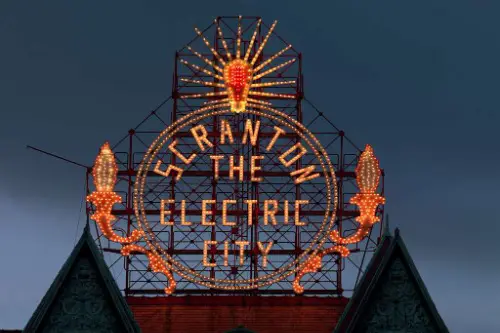
Scranton thrived during the coal mining boom and declined rapidly when the industry collapsed. By the mid-20th century, jobs and residents were already leaving. Redevelopment efforts didn’t meaningfully begin until decades later. The city struggled to define a new economic identity.
Attempts to lean into heritage tourism and small-scale development brought limited success. Scranton’s location and infrastructure posed challenges for attracting large employers. By the time reinvention was attempted, regional decline was already entrenched. The city’s recovery options were narrower as a result.
11. East St. Louis, Illinois
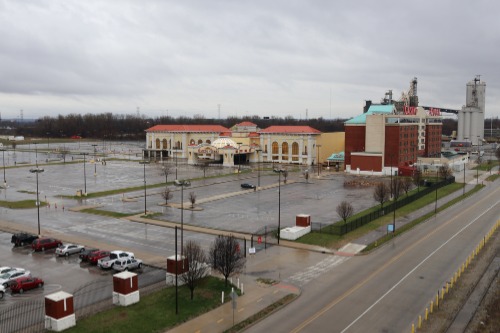
East St. Louis declined after losing industrial jobs and investment during the mid-20th century. White flight and disinvestment hollowed out the tax base. Government corruption and underfunded services worsened conditions over time. Efforts to reverse course were sporadic and under-resourced.
Later initiatives focused on redevelopment near the riverfront and regional partnerships. These projects struggled to overcome decades of neglect. Population loss had already reduced political and economic influence. Reinvention faced steep obstacles due to how late sustained investment arrived.
12. Baltimore, Maryland
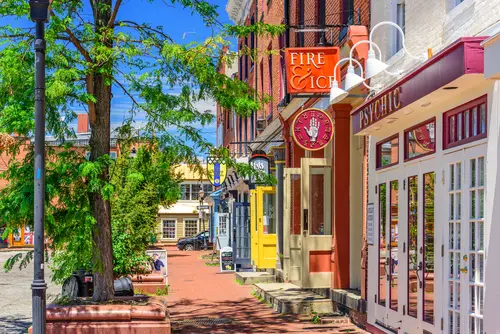
Baltimore lost manufacturing jobs and residents as suburbs expanded. While the Inner Harbor redevelopment in the 1980s became a national model, it didn’t benefit much of the city. Many neighborhoods continued to decline despite tourist-focused investment. Structural inequality remained largely unaddressed.
Later efforts targeted education, healthcare, and tech sectors. These moves came after population loss and infrastructure challenges had already intensified. High-profile unrest in 2015 further highlighted unresolved issues. Baltimore’s reinvention was partial and late relative to the scale of its problems.
13. Ponce, Puerto Rico
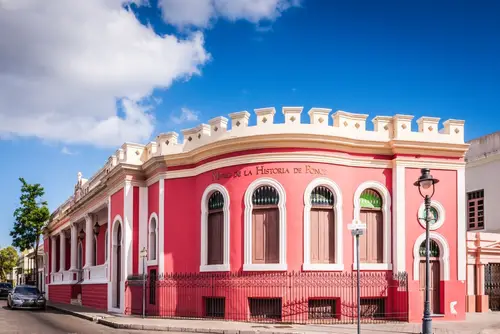
Ponce was once a major economic and cultural center of Puerto Rico. Industrial decline and government centralization in San Juan reduced its influence over time. Economic diversification efforts lagged behind outmigration and job losses. By the time revitalization plans gained momentum, resources were limited.
Hurricanes and fiscal crises further complicated recovery. Tourism and cultural branding helped somewhat but couldn’t reverse population decline. Many young residents had already left for the mainland U.S. Reinvention efforts struggled against long-standing economic shifts.
14. Route 66 Towns Across the Midwest
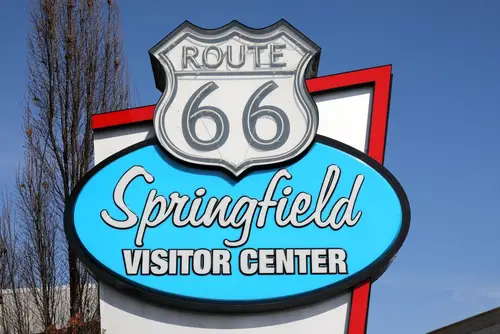
Many small towns along Route 66 thrived on cross-country automobile travel. The construction of the Interstate Highway System bypassed them almost overnight. Businesses closed as traffic disappeared, leaving empty main streets. Efforts to revive these towns often came decades later.
Heritage tourism and nostalgia-driven branding arrived after populations had already shrunk. While some towns found modest success, many lacked the resources to fully recover. The timing limited how much economic activity could return. Reinvention came after the original lifeline was long gone.
This post 14 Places That Tried to Reinvent Themselves Too Late was first published on American Charm.

