
1. San Francisco, CA
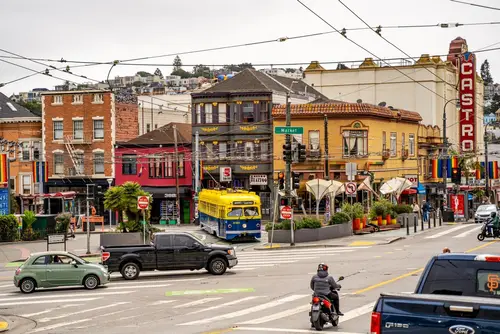
San Francisco still projects enormous wealth through its tech campuses, venture capital scene, and sky-high home values. You can feel the money in the restaurants, the office towers, and the global reach of companies based there. High salaries in technology and biotech create the impression that opportunity is everywhere. From the outside, it looks like one of the richest urban economies in the world.
At the same time, the city feels fragile because housing costs have pushed much of the middle class out. Remote work has left downtown with visible vacancies that affect daily life and tax revenue. Public safety concerns and street-level disorder make prosperity feel unevenly distributed. Add earthquake risk and ongoing political gridlock, and stability feels uncertain.
2. Austin, TX
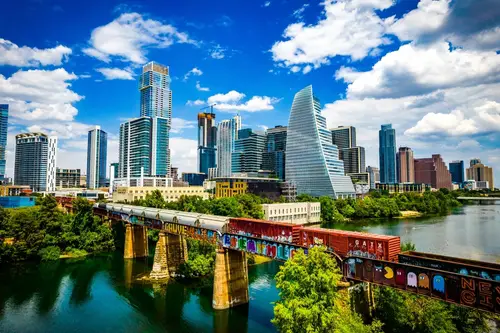
Austin feels prosperous thanks to its booming tech sector, corporate relocations, and nonstop construction. New apartment towers, offices, and entertainment districts signal rapid economic growth. The city attracts young professionals with high incomes and a strong job market. On paper, Austin looks like a modern success story.
That growth has come so fast that infrastructure struggles to keep up. Housing prices and property taxes have surged, straining longtime residents. Traffic congestion and water concerns raise questions about sustainability. The local economy’s heavy dependence on tech also leaves it exposed to downturns.
3. Miami, FL
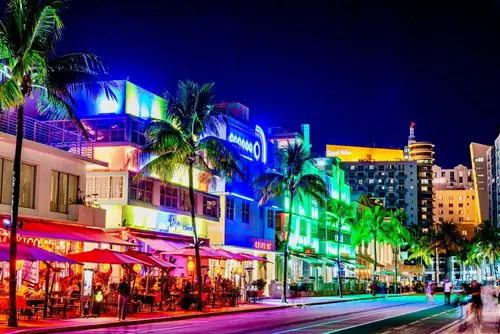
Miami radiates wealth through luxury condos, flashy nightlife, and international finance. The city benefits from foreign investment, tourism, and an influx of high-net-worth residents. Its skyline keeps growing, reinforcing a sense of prosperity. Miami often feels like a global city on the rise.
Beneath that shine, climate risk looms large with flooding and sea-level rise. Insurance costs and infrastructure challenges are already affecting residents. The economy relies heavily on tourism and real estate cycles. That combination makes the city feel vulnerable to shocks.
4. Seattle, WA
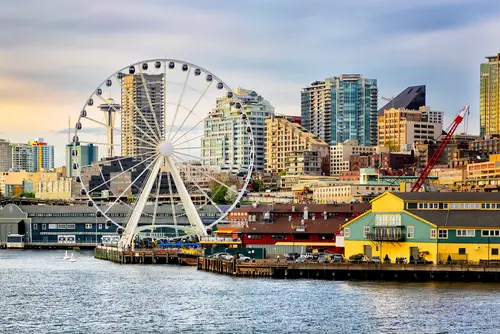
Seattle’s prosperity is closely tied to major employers like Amazon and Microsoft. High salaries, thriving neighborhoods, and constant development signal economic strength. The city feels innovative and globally connected. Many people move there expecting long-term opportunity.
The downside is a housing market that has become painfully expensive. Homelessness and public safety concerns are highly visible. Dependence on a few major employers creates economic risk. Earthquake potential and infrastructure strain add to the sense of instability.
5. Denver, CO
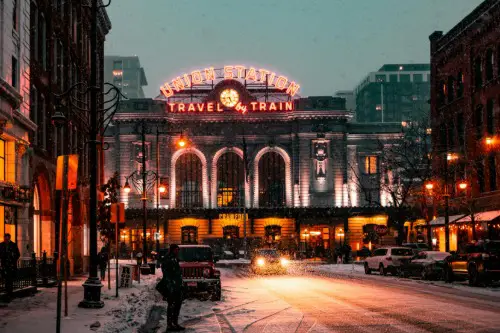
Denver feels wealthy thanks to professional jobs, outdoor lifestyle appeal, and steady in-migration. Downtown and surrounding neighborhoods show clear signs of investment. The city attracts educated workers and corporate offices. On the surface, it looks balanced and thriving.
Rapid growth has driven up housing costs faster than wages for many residents. Water scarcity tied to the Colorado River raises long-term concerns. Transportation and infrastructure lag behind population growth. These pressures make Denver’s future feel less secure than its image suggests.
6. Phoenix, AZ
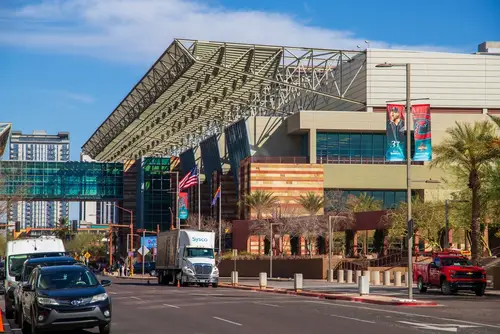
Phoenix projects prosperity with massive suburban expansion and job growth. Corporate offices, logistics hubs, and manufacturing plants keep arriving. The cost of living used to reinforce its appeal. It feels like a city built for continued growth.
Extreme heat and long-term water shortages threaten that momentum. Infrastructure is stretched across a vast metro area. Housing costs have risen sharply in a short time. Climate stress makes stability a constant question.
7. Las Vegas, NV
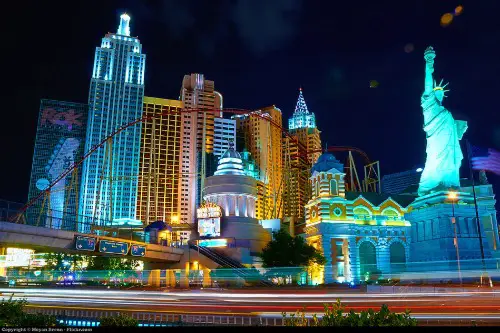
Las Vegas feels prosperous when tourism is strong and casinos are full. Massive resorts and entertainment investments dominate the skyline. Visitor spending fuels jobs and tax revenue. The city often looks like it’s booming.
That prosperity is highly cyclical and dependent on travel. Economic downturns hit Las Vegas faster than many cities. Water scarcity in the region is a growing concern. The lack of diversification adds to the sense of fragility.
8. Los Angeles, CA
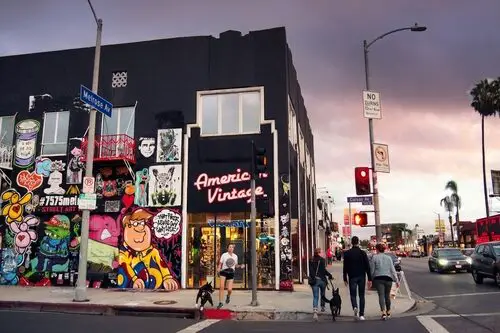
Los Angeles showcases wealth through entertainment, tech, and international trade. Luxury real estate and high-end retail sit alongside global media influence. The regional economy is enormous and diverse. It feels like a place where money flows constantly.
At the same time, inequality is impossible to ignore. Housing affordability is a chronic crisis for working residents. Earthquake and wildfire risks add constant background anxiety. Infrastructure and governance struggles undermine long-term confidence.
9. New York City, NY
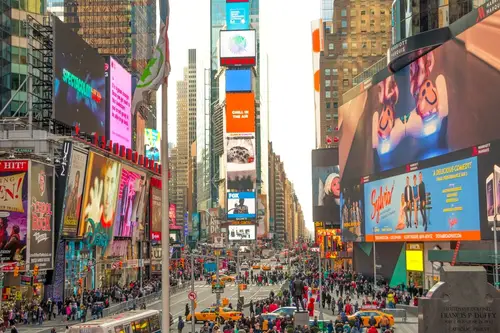
New York feels prosperous through finance, real estate, and cultural dominance. High incomes and global investment keep money circulating. The city remains a magnet for talent and capital. Its influence makes it feel indispensable.
The cost of living has become punishing for many residents. Aging infrastructure requires massive investment. Public safety perceptions fluctuate and affect quality of life. Economic reliance on finance and real estate adds volatility.
10. Boston, MA

Boston’s wealth comes from education, healthcare, and biotech. World-class universities and hospitals anchor the local economy. High-skilled jobs create an affluent feel. The city often feels recession-resistant.
Housing costs have climbed far faster than incomes. Infrastructure like transit struggles with reliability issues. Severe weather and coastal exposure pose risks. That combination tempers the sense of security.
11. Nashville, TN
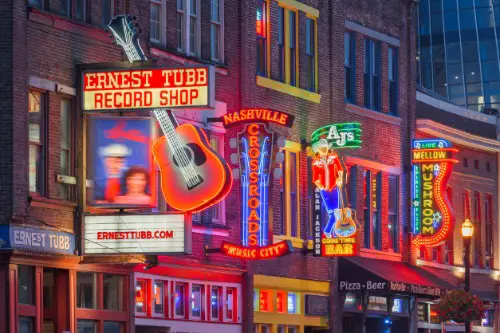
Nashville feels prosperous with its growing healthcare sector and entertainment economy. New developments and tourism dollars are everywhere. The city attracts businesses and new residents at a steady pace. It feels like a Southern success story.
Rapid growth has stressed roads, schools, and housing. Rising rents are pushing residents farther out. The economy leans heavily on tourism and healthcare. That concentration raises concerns about resilience.
12. Atlanta, GA
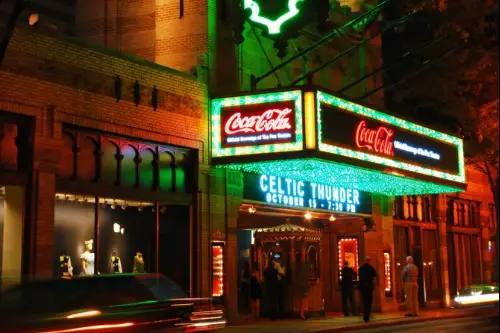
Atlanta projects wealth through corporate headquarters and a busy airport hub. Film, logistics, and tech contribute to its growth. Many neighborhoods show clear signs of investment. The metro area feels economically powerful.
Traffic congestion and infrastructure gaps persist. Income inequality remains pronounced across the region. Housing affordability is tightening quickly. Those pressures make growth feel unstable.
13. New Orleans, LA
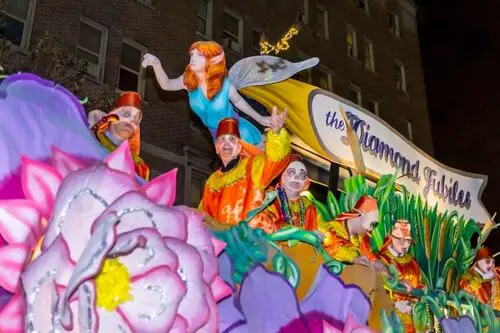
New Orleans feels prosperous during festival seasons and strong tourism years. The city’s culture drives significant economic activity. Hospitality and entertainment generate visible wealth. It often feels lively and financially buoyant.
Climate risk is an ever-present threat with hurricanes and flooding. Infrastructure weaknesses are well known. The economy is not highly diversified. Recovery from disruptions can be slow and uneven.
14. San Diego, CA
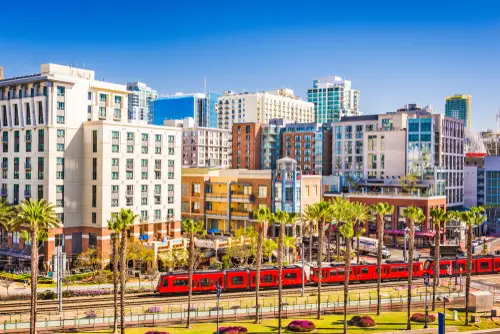
San Diego’s prosperity shows in biotech, defense, and coastal real estate. The city feels affluent and well-employed. Its quality of life attracts high earners. On the surface, it seems stable and comfortable.
Housing costs are among the highest in the country. Water supply and wildfire risks remain concerns. Military and biotech spending can fluctuate. That creates an undercurrent of uncertainty.
15. San Jose, CA
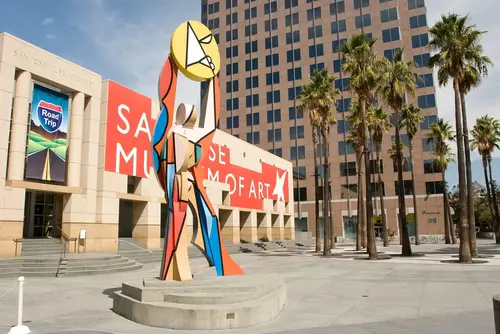
San Jose sits at the heart of Silicon Valley wealth. Tech salaries and corporate campuses define the city’s image. The local economy generates enormous value. It feels like a cornerstone of modern innovation.
Housing affordability is a severe challenge for non-tech workers. Economic dependence on the tech cycle is intense. Commute and infrastructure pressures are constant. A downturn in technology would be felt quickly.
This post 15 Cities That Feel Prosperous but Don’t Feel Stable was first published on American Charm.

