
1. Fur Coats
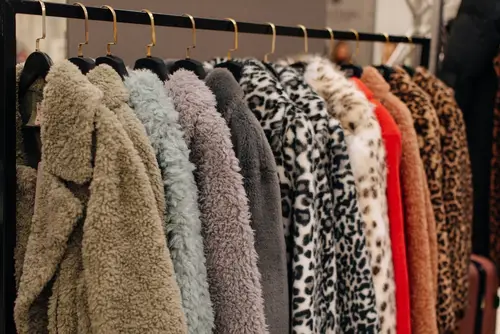
There was a time when a full-length mink coat was shorthand for having truly “made it” in America. In the mid-20th century, fur symbolized wealth because it was expensive, difficult to source, and heavily associated with elite social circles. Over time, animal rights activism and shifting fashion values made fur controversial rather than aspirational. Today, wearing real fur often signals tone-deafness instead of status, which is why many luxury houses and department stores have phased it out entirely.
The prestige collapse wasn’t about price alone, but about social meaning. What once implied refinement now implies disregard for ethical concerns. Faux fur filled the aesthetic niche at a fraction of the cost and with less stigma. As a result, real fur lost its cultural cachet even among people who could easily afford it.
2. Fine China Dinnerware Sets
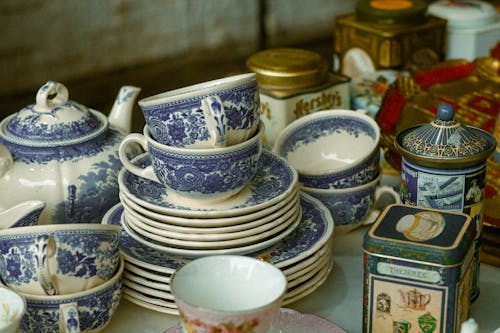
Owning a full matching china set used to be a milestone purchase for middle- and upper-class American households. Brands like Lenox and Wedgwood were wedding registry staples meant to be passed down for generations. The formality of hosting dinner parties where china mattered has largely faded. Everyday dishwashers, casual dining, and minimalist design made ornate place settings feel impractical.
The loss of prestige is tied to lifestyle changes rather than quality decline. People still admire craftsmanship, but few want dishes that can’t go in the microwave. Younger generations prioritize flexibility over ceremony. As a result, china cabinets are more often inherited clutter than symbols of elegance.
3. Cable Television Subscriptions

In the 1980s and 1990s, having cable TV was a subtle flex. Premium channels like HBO or Showtime signaled disposable income and access to exclusive content unavailable on broadcast networks. Cable bills were high, equipment was clunky, and installation felt like an upgrade to modern living. For a while, “premium cable” truly meant premium.
Streaming completely flattened that hierarchy. Now, cable is often seen as overpriced and outdated compared to cheaper, on-demand alternatives. What once felt indulgent now feels like a bad deal. Prestige shifted from access to content to control and convenience.
4. Diamond Engagement Rings

Diamond engagement rings became a luxury standard largely due to 20th-century marketing rather than inherent rarity. For decades, a large diamond symbolized financial stability and romantic seriousness. The price, mystique, and cultural pressure reinforced the prestige. Buying anything less was often framed as settling.
That status has eroded as consumers learned more about diamond supply chains and pricing. Lab-grown diamonds are visually identical and far more affordable, undercutting exclusivity. Many couples now prioritize ethical sourcing or alternative stones. Diamonds didn’t disappear, but the automatic prestige certainly did.
5. Large Flat-Screen Televisions

When plasma and early flat-screen TVs hit the market, they were eye-wateringly expensive. Owning a wall-mounted screen in the early 2000s instantly marked a home as upscale and tech-forward. Electronics stores showcased them like art pieces. Size itself was a luxury feature.
Mass production and rapid tech cycles changed that fast. Today, massive 4K TVs are sold at warehouse clubs for relatively low prices. What was once a showpiece is now a default appliance. Prestige gave way to expectation.
6. Cruise Vacations
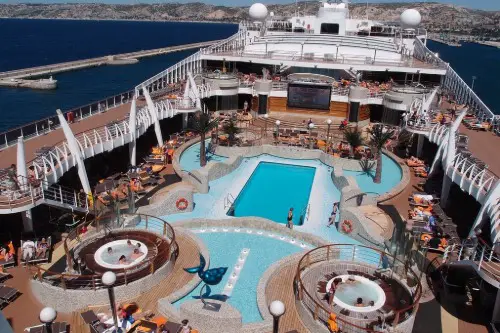
Cruising was once associated with old-world glamour and exclusivity. Early cruise ships catered to wealthy travelers who wanted refined dining, formal wear, and leisurely ocean travel. The experience was expensive and intentionally slow. That slowness was part of the luxury.
Modern cruising shifted to volume and affordability. Mega-ships, drink packages, and budget pricing broadened the audience dramatically. While luxury cruises still exist, mainstream cruising lost its elite image. For many Americans now, cruises feel mass-market rather than aspirational.
7. Leather Living Room Furniture
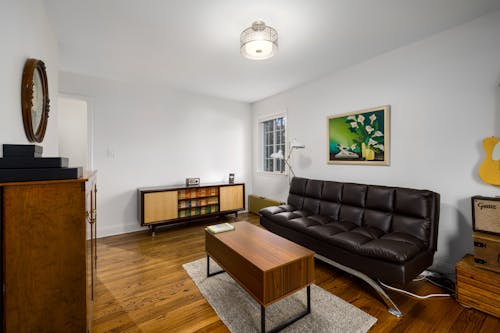
A matching leather sofa and loveseat used to be shorthand for an upscale living room. Leather implied durability, cost, and a grown-up sense of style. Furniture stores marketed it as an upgrade from fabric. It was often the most expensive set on the floor.
Global manufacturing and synthetic alternatives diluted that perception. Leather furniture is now widely available at all price points. In some cases, it’s associated with dated taste rather than luxury. Prestige shifted toward design and sustainability instead of material alone.
8. Imported Bottled Water
Imported bottled water once carried serious cachet in the U.S. Ordering Evian or Perrier at a restaurant signaled worldliness and wealth. The idea of paying for water at all felt indulgent. Foreign branding amplified the sense of sophistication.
As bottled water became ubiquitous, the mystique evaporated. Environmental concerns and reusable bottles further undercut the appeal. What once felt glamorous now feels unnecessary or even wasteful. Prestige turned into parody.
9. Home Intercom and Alarm Systems

In the late 20th century, built-in home intercoms and wired security systems were high-end features. They suggested a large home and the ability to invest in custom installations. Builders marketed them as luxury upgrades. Having buttons in every room felt futuristic.
Smartphones and wireless tech made them obsolete. Today, inexpensive DIY security systems outperform old hardwired setups. What once felt advanced now feels clunky and dated. Prestige gave way to convenience and portability.
10. Stretch Limousines
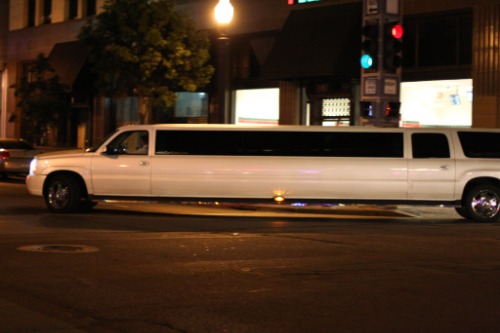
Arriving in a stretch limo used to be the ultimate status move. They were associated with celebrities, executives, and once-in-a-lifetime events. The cost and exclusivity reinforced their luxury image. A limo meant you were important enough not to drive yourself.
Over time, limos became staples of proms and party rentals. Ride-sharing and luxury SUVs replaced them for serious prestige travel. Now, limos often feel theatrical rather than elite. The symbolism flipped from power to novelty.
11. Built-In Wine Coolers

Built-in wine refrigerators once signaled a serious commitment to upscale entertaining. They were expensive, space-consuming, and marketed to discerning hosts. Having one suggested refined taste and disposable income. They were aspirational kitchen upgrades.
As prices dropped, they spread into standard home renovations. Many homeowners realized they didn’t actually need one. The feature became more about aesthetics than function. Prestige faded as practicality took center stage.
12. Avocados
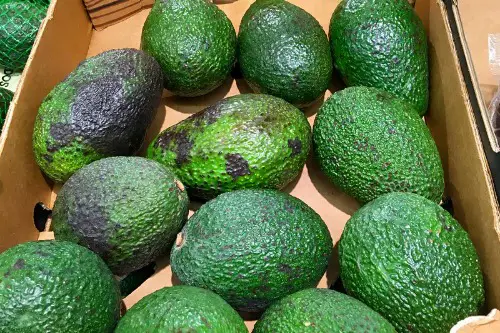
For much of early American history, avocados were rare and expensive imports. They were considered exotic and were served in upscale restaurants or specialty markets. Their unfamiliarity made them feel luxurious. Even cookbooks treated them as special-occasion ingredients.
Globalized agriculture and changing tastes made avocados everyday staples. They’re now cheap, widely available, and expected on casual menus. While still popular, they no longer signal refinement. What once felt indulgent is now just breakfast.
This post 12 Formerly “Luxury” Items That Lost All Prestige in America was first published on American Charm.

