
1. Atlantic City, New Jersey
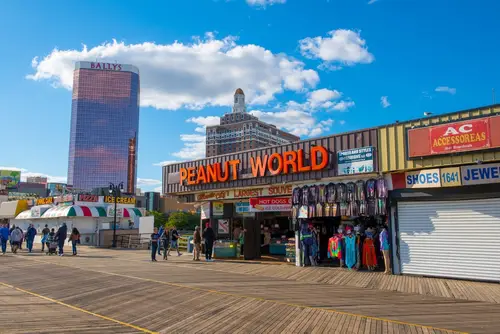
For decades, Atlantic City was cast as the East Coast’s comeback kid, especially after casino gambling was legalized in the late 1970s. The promise was that casinos would revive the local economy, stabilize employment, and lift surrounding neighborhoods. While gambling did create jobs, the city became overly dependent on a single industry that later faced competition from neighboring states. When several major casinos closed in the 2010s, the limits of that revival became painfully clear.
Today, Atlantic City still sees bursts of optimism tied to new resorts or entertainment venues. But outside the Boardwalk, poverty rates remain high and population has steadily declined since its mid-century peak. Tourism is strong on weekends, yet it hasn’t translated into broad-based economic health. The city keeps getting “next big comeback” headlines, but the fundamentals never quite catch up.
2. Detroit, Michigan
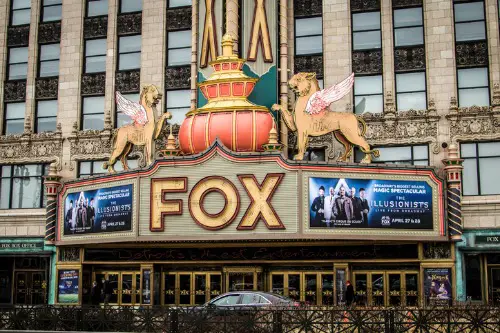
Detroit’s resurgence has been proclaimed so many times that it’s practically a genre of journalism. Downtown and Midtown have seen real investment, with new offices, sports venues, and a growing restaurant scene. The auto industry stabilized after the Great Recession, feeding hopes that the city as a whole would rebound. Those gains, however, were geographically narrow.
Large parts of Detroit still struggle with vacant housing, limited services, and population loss. The city peaked at nearly 1.9 million residents in 1950 and is now under 700,000. While certain neighborhoods feel vibrant again, many others were untouched by the revival narrative. Detroit improved, but it never became the broadly resurgent metropolis many predicted.
3. Gary, Indiana
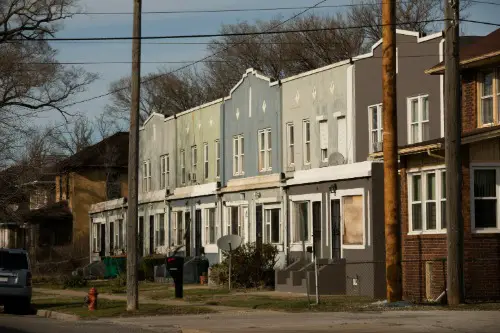
Gary was once promoted as a potential Chicago alternative, thanks to its location and strong industrial base. U.S. Steel made the city boom in the early and mid-20th century, and planners believed it could anchor a stable middle-class future. When steel employment collapsed in the 1970s and 1980s, the city lost its economic engine. The decline was swift and severe.
Over the years, various redevelopment plans promised a turnaround tied to rail access, casinos, or lakefront development. None managed to reverse long-term population loss or disinvestment. Gary’s population has fallen by more than half since its 1960 peak. Proximity to Chicago turned out not to be enough on its own.
4. Youngstown, Ohio
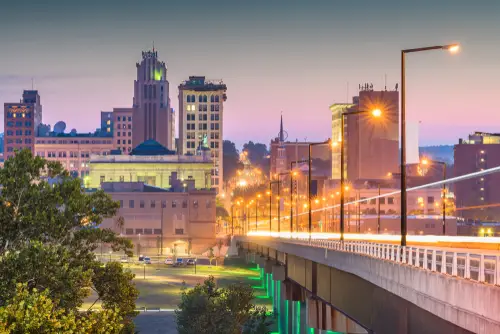
Youngstown was long framed as a symbol of post-industrial reinvention done right. After the steel mills shut down in the late 1970s, local leaders leaned into education, healthcare, and entrepreneurship. The “Youngstown 2010” plan gained national attention for its honesty about being a smaller city. For a moment, it seemed like a realistic model for Rust Belt recovery.
The problem was scale and momentum. While the city stabilized in some areas, it didn’t generate enough new jobs to retain or attract residents. Population decline slowed but never truly reversed. Youngstown became respected as a case study, but not the thriving comeback it was sometimes portrayed to be.
5. Camden, New Jersey
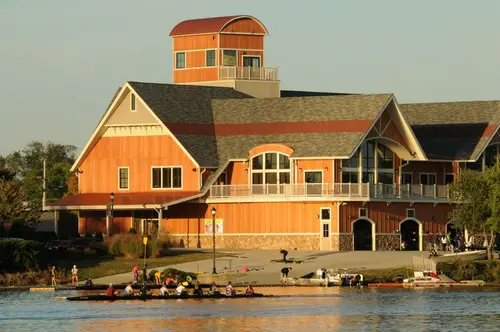
Camden was frequently labeled “up-and-coming” after New Jersey poured state incentives into waterfront development. New offices, a minor league baseball stadium, and corporate relocations suggested a turning point. The skyline along the Delaware River genuinely changed. Optimists predicted the benefits would spill into surrounding neighborhoods.
Those spillovers were limited. Camden remains one of the poorest cities in the country, with high crime rates and deep educational challenges. Many new jobs went to commuters rather than residents. The city looks revitalized from across the river, but daily life inside Camden is still difficult.
6. Flint, Michigan
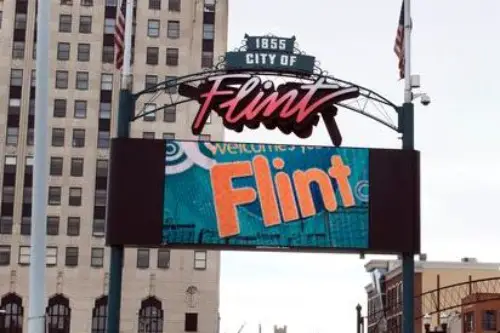
Before the water crisis, Flint was often discussed as a city on the cusp of reinvention. Community groups, artists, and small businesses were working to redefine the city after General Motors downsized. Affordable housing and strong civic pride fueled cautious optimism. Then, in 2014, everything changed.
The water crisis devastated trust, public health, and Flint’s national image. Population loss accelerated, and investment stalled. Even as infrastructure repairs continue, the damage to confidence lingers. Flint’s revival didn’t just stall; it was knocked backward by a preventable disaster.
7. Stockton, California
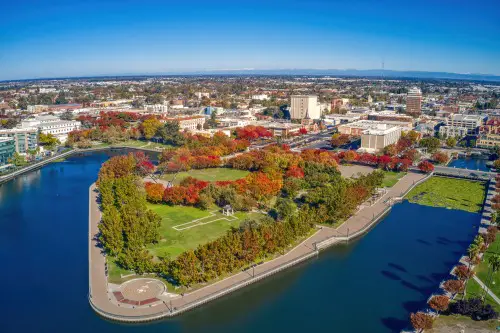
Stockton was once touted as a beneficiary of California’s inland growth. During the housing boom of the early 2000s, it grew rapidly and attracted families priced out of coastal cities. New subdivisions and retail followed, reinforcing the sense of momentum. The city looked like a textbook growth story.
Then the housing market collapsed. Stockton became one of the largest U.S. cities to declare bankruptcy in 2012. While it has recovered fiscally, wages and job growth lag behind housing costs. The early promise of sustainable prosperity never fully materialized.
8. Albuquerque, New Mexico
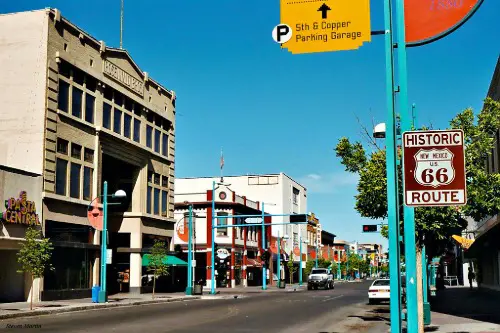
Albuquerque has repeatedly been described as a sleeper hit, especially with the growth of film and television production. Shows like “Breaking Bad” and later Netflix investments boosted its profile. The city also benefits from federal labs and a strong cultural identity. On paper, it checks many boxes for growth.
In practice, job creation hasn’t kept pace with expectations. Poverty rates remain high, and many young residents still leave for better-paying markets. The film industry provides visibility, but not enough stable employment. Albuquerque feels perpetually promising, yet perpetually stuck.
9. Newark, New Jersey
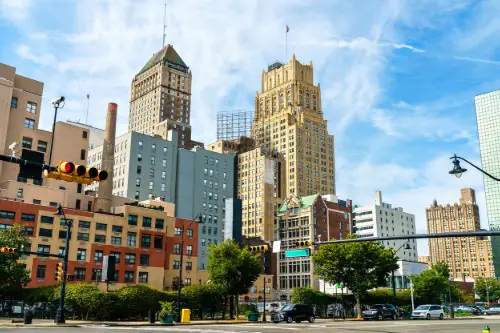
Newark’s comeback narrative leaned heavily on its transit access and proximity to Manhattan. New apartments, a revitalized downtown, and a growing arts scene fed the idea that it was Brooklyn’s next chapter. Major institutions like Prudential and Rutgers helped anchor redevelopment. Headlines followed.
But Newark’s revival proved uneven. Many residents faced rising rents without seeing equivalent income gains. Longstanding issues with schools and public safety persisted in several neighborhoods. Newark improved, but it didn’t become the breakout city many investors anticipated.
10. Bridgeport, Connecticut
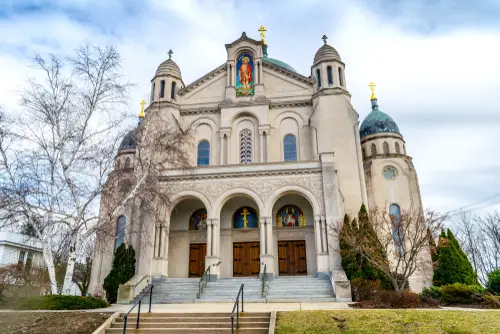
Bridgeport has long been called a city with “good bones” and bad luck. Its coastal location and rail access to New York City made it a perennial up-and-comer in regional planning discussions. Redevelopment plans for the waterfront and downtown generated periodic excitement. Each cycle promised a turning point.
Financial troubles repeatedly interrupted that progress. Bridgeport flirted with bankruptcy in the 1990s and struggled with fiscal stability for years after. Development came in fits and starts, never reaching critical mass. The city kept waiting for momentum that didn’t stick.
11. Rockford, Illinois
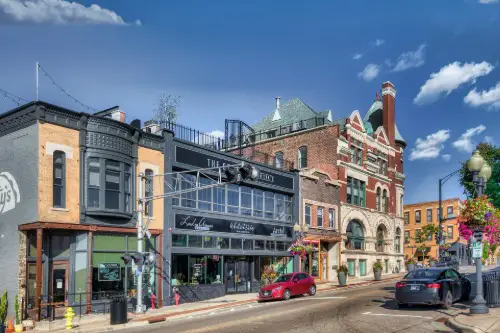
Rockford was once one of the Midwest’s manufacturing powerhouses. As factories closed, local leaders pitched diversification into healthcare, logistics, and aerospace. The city gained attention for trying to pivot early compared to peers. Optimism followed those efforts.
Population loss and crime concerns undercut that narrative. While some industries remained, they didn’t replace manufacturing jobs at the same scale. Downtown improvements helped cosmetically, but broader economic indicators lagged. Rockford stabilized, but it didn’t soar.
12. Fresno, California
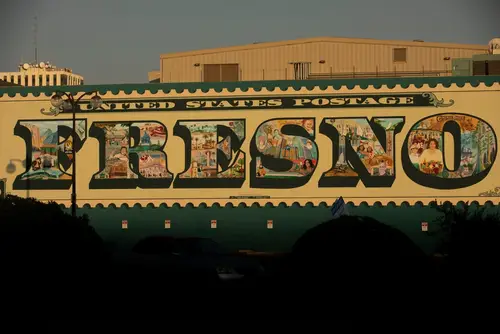
Fresno was often highlighted as California’s affordable alternative to the coast. Its agricultural base, growing population, and central location suggested upside. The arrival of high-speed rail plans briefly amplified those hopes. Many expected Fresno to become a major inland hub.
Economic reality proved harsher. Wages stayed low, and poverty rates remained among the highest in the state. High-speed rail faced delays and uncertainty, muting its impact. Fresno grew, but not into the opportunity-rich city many imagined.
13. St. Louis, Missouri
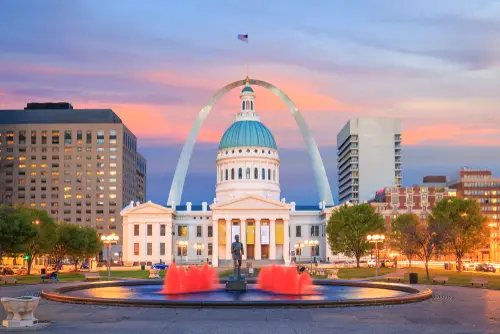
St. Louis has been “on the verge” of a comeback for decades. Anchored by major employers, respected universities, and historic neighborhoods, it seemed well positioned. Revitalization in areas like the Central West End fueled optimism. The ingredients were there.
The problem was fragmentation and population loss. The city-county divide complicated regional growth, and suburban flight continued. While some neighborhoods thrived, the city overall kept shrinking. St. Louis improved in pockets, but never fully arrived as a reborn metro.
This post America’s “Up-and-Coming” Cities That Never Quite Arrived was first published on American Charm.

