1. Fax Machines
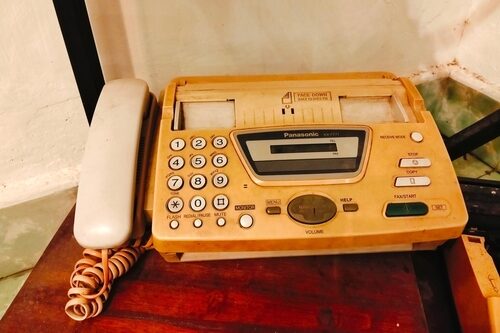
Fax machines sound ancient, but they’re still used in specific American industries. Healthcare, legal offices, and government agencies continue to rely on fax for document transmission. People keep fax machines because certain offices still ask for them. When that request comes, there’s no easy substitute.
Home-based professionals are especially likely to hang on to them. Switching fully to digital systems can be costly or complicated. Faxing is also viewed as more secure in some regulated environments. As long as those rules exist, the machines stay.
2. DVD Players
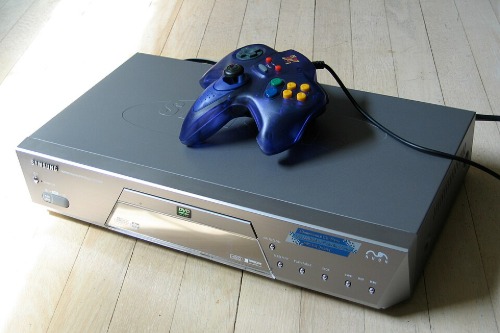
DVD players remain tucked under TVs long after streaming becomes the main attraction. Many Americans built large DVD collections over decades, and those discs don’t disappear when Netflix drops a title. Keeping the player means access to movies that aren’t always available online. It also avoids paying rental or subscription fees to rewatch favorites.
Another reason is reliability. DVDs don’t buffer, require passwords, or vanish due to licensing changes. Parents often keep players for kids’ movies during travel or bad internet days. The device may be old, but it still does exactly what it was designed to do.
3. VCRs
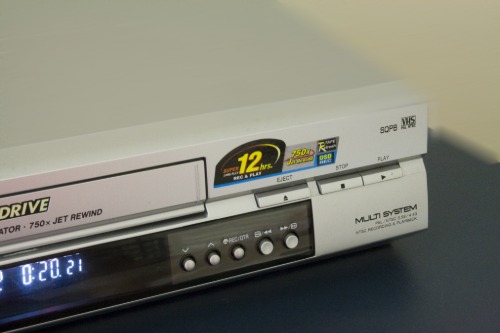
VCRs are technically obsolete, yet they still live in basements and entertainment centers. Families keep them to watch home videos recorded on VHS tapes that were never digitized. Those tapes often hold weddings, birthdays, or relatives who are no longer alive. Without a VCR, those memories are effectively locked away.
There’s also a preservation angle. Digitizing VHS requires the machine itself, so people hang onto it “just in case.” Replacement VCRs are no longer manufactured, making working ones oddly valuable. Even unused, the device feels too important to throw out.
4. Alarm Clocks
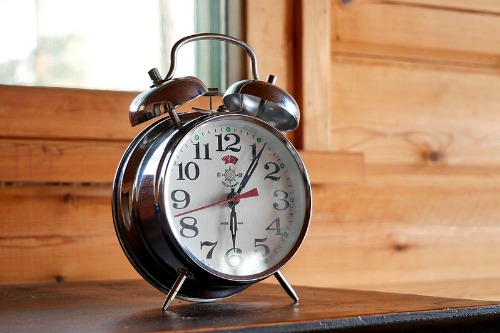
Dedicated alarm clocks stick around even though phones can do the same job. Many people prefer not to sleep with their phone within arm’s reach. An alarm clock keeps notifications, emails, and doom-scrolling out of the bedroom. It creates a clear boundary between rest and the rest of life.
There’s also trust involved. Alarm clocks don’t run out of battery overnight or update themselves at 3 a.m. For heavy sleepers, louder physical alarms can be more effective. Once someone finds one that works, they’re reluctant to let it go.
5. Wired Headphones

Wired headphones still end up in drawers and backpacks despite the rise of wireless earbuds. They don’t need charging, pairing, or firmware updates. When the battery on wireless headphones dies, wired ones instantly save the day. That dependability makes them hard to part with.
Sound quality is another reason. Some people prefer the consistent audio and lack of compression from wired connections. They’re also often required for airplanes, older devices, or office equipment. Even as backups, they earn their keep.
6. Point-and-Shoot Digital Cameras
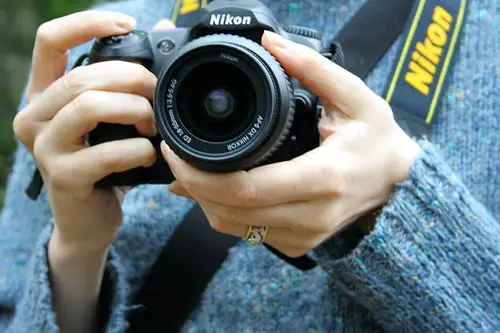
Many Americans keep old digital cameras long after their phones outperform them. These cameras often contain photos that were never fully transferred or organized. Keeping the device means keeping easy access to those memories. It also serves as a reminder of trips, kids, or life stages.
Some people still like using them intentionally. A dedicated camera feels simpler and less distracting than a phone. Parents may hand them to kids without worrying about apps or internet access. Even unused, they feel too personal to toss.
7. Inkjet Printers
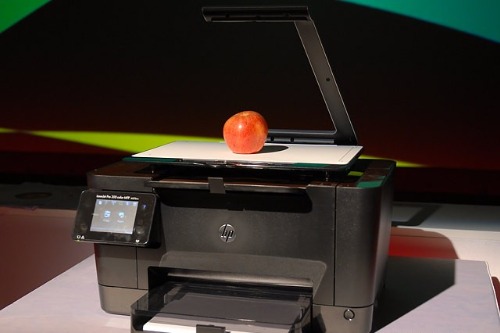
Printers are notorious for being frustrating, yet people keep them even when they rarely print. Schools, employers, and government offices still occasionally require physical documents. Having a printer avoids last-minute trips to a copy shop. That convenience outweighs the annoyance.
There’s also a “just in case” mindset. Shipping labels, tax forms, and legal paperwork still pop up. Even infrequent use justifies keeping the machine plugged in. Once bought, it feels wasteful to get rid of it.
8. Landline Telephones
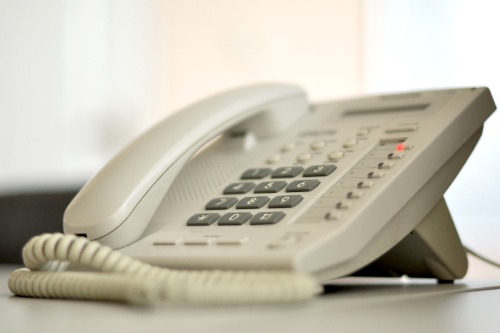
Many American households still have a landline phone even if it barely rings anymore. It often sits quietly on a kitchen counter or mounted on a wall, untouched for weeks. People keep it because it feels reliable in a way smartphones don’t. During power outages or emergencies, traditional landlines can still work when cell service doesn’t.
There’s also a practical paperwork reason for holding on. Banks, medical offices, and government forms may still have the landline number on file. Canceling it means updating a surprising number of accounts. For older family members, it can also be easier to use than a touchscreen.
9. External Hard Drives
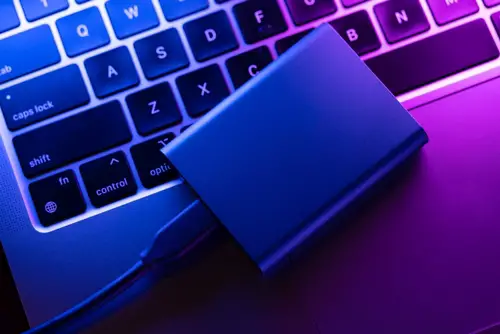
Older external hard drives often linger in desk drawers. They usually contain backups of photos, documents, or work files from previous computers. Even if cloud storage replaces them, deleting or tossing the drive feels risky. People worry about losing something important forever.
There’s also privacy involved. Keeping a physical drive means sensitive files aren’t floating online. Older drives may be slower, but they still function. As long as they spin up, they feel worth keeping.
10. iPods and MP3 Players
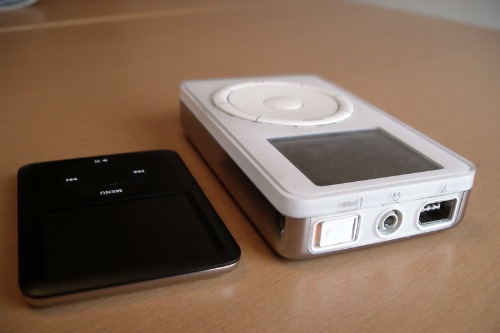
Dedicated music players remain sentimental objects for many Americans. They often hold carefully curated playlists from a specific time in life. Unlike phones, they exist purely for music, with no interruptions. That simplicity still appeals.
Some people keep them for workouts or travel. Using an old iPod preserves phone battery life. Others just can’t part with a device tied to memories of long commutes or college years. Even unused, it feels like a personal time capsule.
11. Typewriters
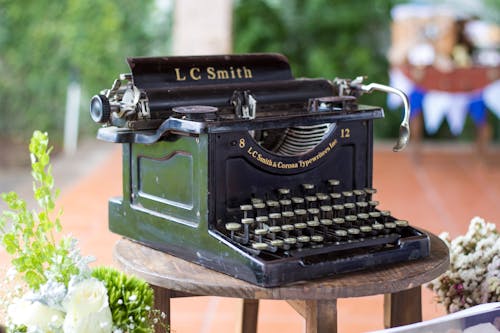
Typewriters still occupy shelves despite being functionally outdated. Writers and artists keep them for distraction-free work. There’s no internet, no notifications, and no autocorrect. That limitation is exactly the point.
They’re also durable in a way modern tech isn’t. A mechanical typewriter can work for decades with basic maintenance. Some people keep them as creative tools, others as décor with history. Either way, they represent a slower, more deliberate way of working.
This post Objects Americans Keep Even After They Stop Working was first published on American Charm.