
1. Gas Prices Turned Spontaneity Into a Math Problem
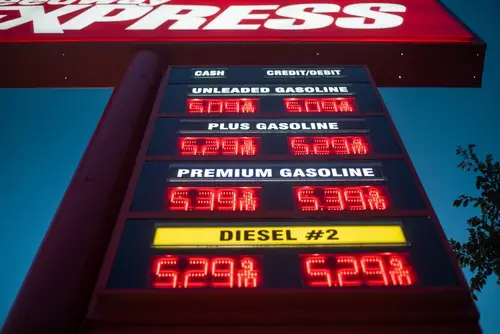
Fuel used to be a relatively minor consideration when planning a drive across states. Today, gas prices fluctuate widely by region and can spike without much warning. That makes every detour or scenic route feel like a financial decision rather than a carefree choice. You find yourself watching the gauge instead of the landscape.
This matters because freedom depends on flexibility. When drivers feel compelled to map out every fill-up in advance, something emotional gets lost. The road trip becomes optimized instead of improvised. That shift didn’t happen by accident, and it’s one reason the experience feels tighter and more constrained.
2. Traffic Became the Default, Not the Exception
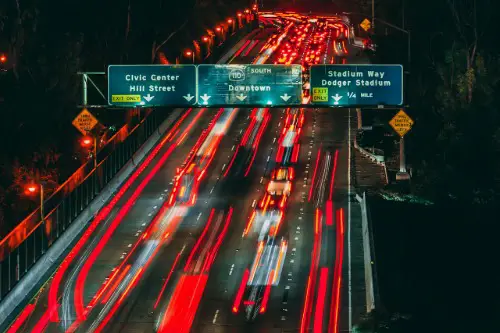
Road trips used to mean long, open stretches of highway where you could set the cruise control and let your mind wander. Now, congestion is baked into most major corridors, especially around metro areas that have sprawled outward for decades. Even rural interstates can clog up thanks to freight traffic and population growth. It’s hard to feel free when you’re budgeting extra hours just to sit in stop-and-go traffic.
There’s a reason this made the list: traffic directly attacks the core promise of road trips, which was unstructured time. Highways were designed for speed and flow, not constant braking and merging. As cities expanded without equivalent transit investment, roads absorbed the pressure. What used to feel like escape now often feels like endurance.
3. Roads Filled Up With Surveillance
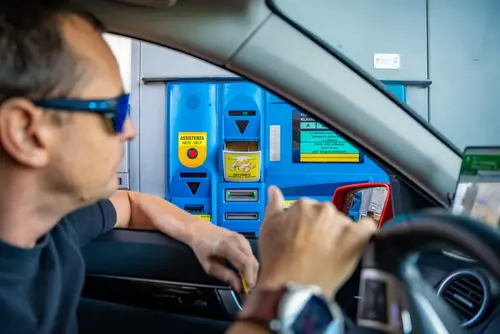
Modern highways are lined with cameras, license plate readers, and electronic toll systems. While many of these tools serve real safety or infrastructure purposes, they also change how it feels to move through space. You’re aware that your car, location, and timing are constantly being logged. That awareness quietly replaces the old sense of anonymity.
This is included because freedom isn’t just physical movement, it’s psychological. Earlier road trips felt unobserved in a meaningful way. Today’s drivers are conscious of data trails and enforcement technologies. That shift subtly but powerfully alters the emotional tone of travel.
4. Policing and Enforcement Feel More Aggressive
Speed traps, roadside drug interdiction units, and minor equipment stops are far more common than they used to be. For many drivers, especially those from marginalized communities, the possibility of being pulled over adds real anxiety. A road trip shouldn’t involve rehearsing how to keep your hands visible. Yet that’s now part of the mental checklist.
This belongs on the list because freedom requires a baseline sense of safety. When law enforcement presence feels unpredictable or punitive, relaxation disappears. The road stops being neutral territory. Instead of exploration, the dominant feeling becomes vigilance.
5. Flying Got Cheaper While Driving Got Pricier
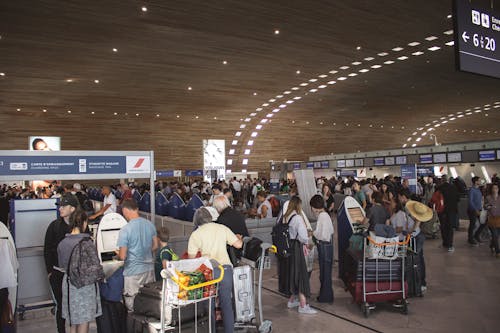
Over the last few decades, budget airlines and fare comparison tools have made flying more affordable for many routes. At the same time, the costs of driving rose through fuel, maintenance, lodging, and food. For long distances, driving is no longer the obvious economic choice. That changes how people value the trip itself.
This is relevant because road trips were once justified by both romance and practicality. When flying saves time and money, driving feels like a luxury rather than a right. The journey becomes something you have to defend, not default to. That psychological reframe matters.
6. Lodging Became Standardized and Expensive
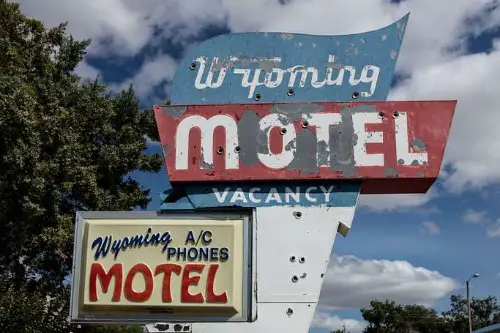
Motels once dotted highways with affordable, quirky options that welcomed drop-in travelers. Today, many of those have disappeared or been replaced by chains with higher prices and stricter policies. Walk-in availability is less reliable, especially during peak seasons. That forces travelers to plan stops far in advance.
This made the list because spontaneity is central to road trip culture. When you can’t just pull over and find a place to sleep, the road feels less open. Planning replaces wandering. The experience shifts from discovery to logistics management.
7. Freight Traffic Took Over the Interstates
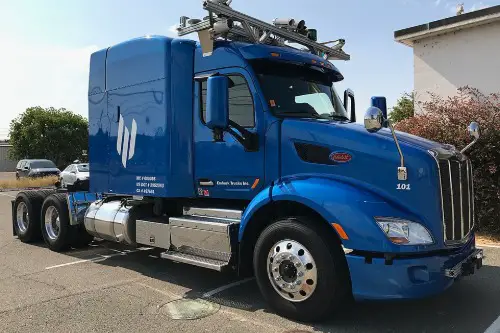
Trucking has become even more essential to the U.S. economy, and it shows on the roads. Massive trucks dominate interstates, especially on major cross-country routes. They reduce maneuverability and increase driver fatigue. Sharing the road with constant heavy freight changes the driving experience.
This matters because road trips once felt like personal journeys through shared space. Now, they often feel like navigating industrial corridors. The scale and volume of freight traffic make the road feel less human. That industrial feeling erodes the sense of freedom.
8. Time Off Became Harder to Use Well

Many Americans have limited vacation time and less flexibility in their work schedules. Road trips require days, not hours, to feel worthwhile. When every day off is precious, spending it driving can feel stressful. You’re always aware of the clock ticking down.
This belongs here because freedom requires time as much as space. Without enough unstructured days, the road becomes rushed. Instead of wandering, you’re racing. That pressure undermines the emotional payoff of the trip.
9. The Roads Themselves Are Aging
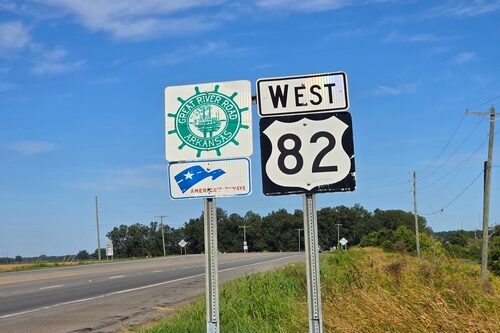
Much of the U.S. highway system was built decades ago and hasn’t been fully modernized. Potholes, construction zones, and uneven surfaces are common. Long stretches of repairs slow travel and increase vehicle wear. You’re reminded constantly that the system is strained.
This is important because physical comfort affects emotional experience. Driving on deteriorating infrastructure demands more attention and patience. It’s harder to relax when the road feels unreliable. Freedom fades when every mile feels provisional.
10. Digital Connectivity Killed the Feeling of Being Lost
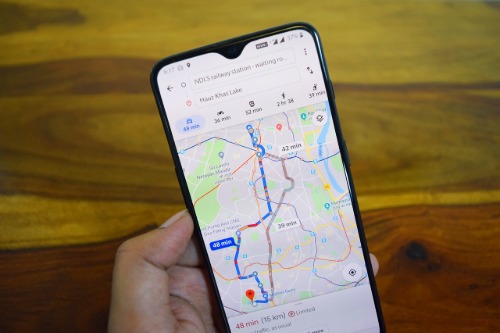
GPS, smartphones, and constant connectivity mean you’re never truly off the grid. While this improves safety and efficiency, it also removes a certain magic. Getting lost used to be part of the adventure. Now, rerouting happens automatically.
This made the list because being lost was once a feature, not a bug. It created stories, discoveries, and detours. With everything optimized, the journey feels pre-scripted. Freedom gave way to efficiency.
11. The Cultural Meaning of the Road Changed
Road trips once symbolized rebellion, self-discovery, and escape in American culture. Today, they’re often framed as stressful, inefficient, or nostalgic. Media and economics both reinforce that shift. The road no longer represents the future.
This is included because perception shapes experience. When a culture stops celebrating something, it loses emotional fuel. Road trips didn’t just change materially, they changed symbolically. And when the symbol fades, so does the feeling of freedom.
This post Why Road Trips Stopped Feeling Like Freedom in the U.S. was first published on American Charm.

