
1. San Francisco, California
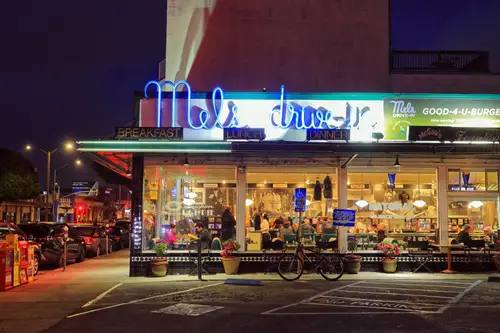
San Francisco felt the shift almost immediately because so much of its economy was already built around tech jobs that could go remote overnight. When offices emptied, downtown foot traffic dropped fast, especially around the Financial District and SoMa. Restaurants that relied on weekday workers struggled, and the city suddenly had a very visible office vacancy problem. It was one of the clearest examples of how remote work could change the daily rhythm of a city.
At the same time, neighborhoods became more residential than ever, with people actually around during the workday. Some residents left for cheaper metros, which briefly softened rents and home prices. The city began rethinking how to reuse office buildings, including housing conversions. San Francisco became a case study in what happens when an office-centric city loses its commuters.
2. New York City, New York
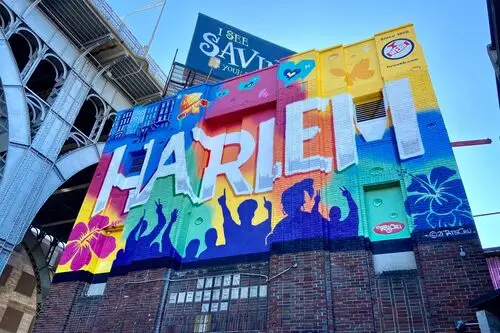
New York didn’t empty out completely, but remote work reshaped it in subtler ways. Manhattan’s business districts, especially Midtown, saw far fewer daily commuters than before. Coffee shops, delis, and transit systems all felt the loss of five-day-a-week office traffic. Even a small percentage shift mattered because the city’s workforce is so large.
Meanwhile, outer boroughs and nearby suburbs became more important as people worked from home. Apartments suddenly needed office space, not just bedrooms. Some residents moved away temporarily, while others doubled down on neighborhood life. New York proved that even massive cities aren’t immune to remote work’s ripple effects.
3. Austin, Texas
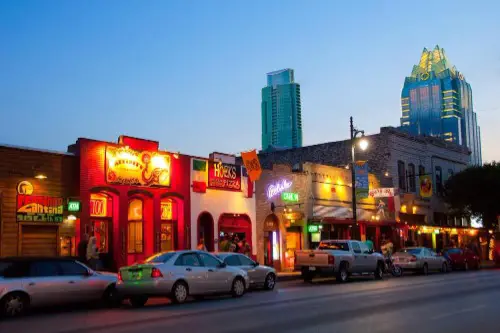
Austin became a magnet for remote workers who wanted tech-adjacent jobs without coastal prices. People arrived quickly, bringing big-city salaries into a smaller housing market. That surge helped drive up home prices and rents almost overnight. The city’s population growth accelerated at a pace locals could clearly feel.
Remote work also reinforced Austin’s reputation as a flexible, lifestyle-oriented city. Coffee shops and co-working spaces boomed as alternatives to traditional offices. Traffic patterns changed, with less daily commuting but more midday movement. Austin’s growth showed how remote work could supercharge an already-hot city.
4. Miami, Florida
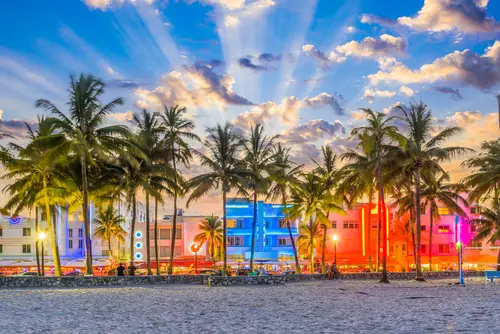
Miami leaned hard into the remote work moment and marketed itself aggressively. Tech founders, finance professionals, and remote employees relocated, often from New York and California. Warm weather, no state income tax, and a strong airport made the move appealing. The influx was fast enough to reshape neighborhoods and housing demand.
Downtown and Brickell saw an increase in residents even as traditional offices struggled. The city’s culture shifted toward a more year-round, work-from-anywhere crowd. Local governments openly courted remote workers and companies. Miami became a symbol of how cities could actively compete for remote talent.
5. Boise, Idaho
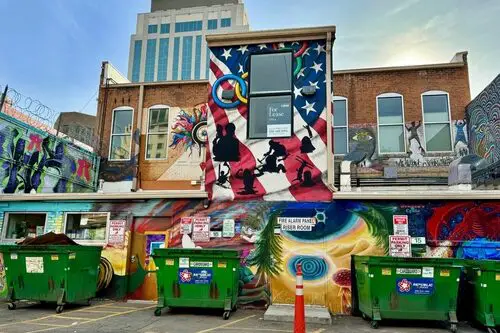
Boise surprised many people by becoming a remote work hotspot. Workers from expensive West Coast cities realized they could keep their jobs and move somewhere smaller. Housing demand jumped quickly, and prices rose far faster than long-time residents expected. The city felt different within a very short window.
Remote workers brought new expectations around internet infrastructure and amenities. Local businesses gained customers who were home all day instead of commuting. At the same time, growth sparked debates about affordability and development. Boise showed how remote work could dramatically impact smaller cities.
6. Denver, Colorado
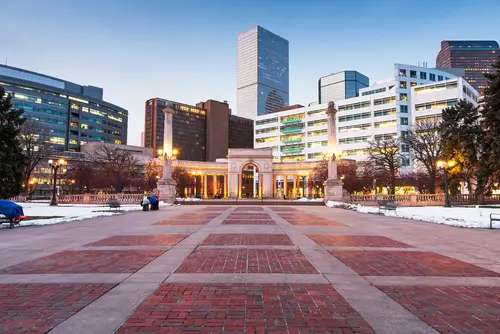
Denver benefited from remote work thanks to its balance of urban life and outdoor access. Workers who no longer needed to live near an office chose the city for lifestyle reasons. Neighborhoods saw more daytime activity as people worked from home. The city’s growth trend sped up rather than slowing down.
Office demand softened downtown, but residential demand stayed strong. People prioritized space, light, and proximity to parks. Denver also saw growth in flexible workspaces rather than traditional offices. Remote work reinforced Denver’s appeal as a live-work-play city.
7. Seattle, Washington
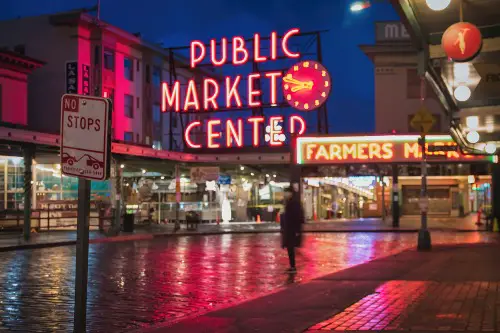
Seattle’s economy is dominated by tech, so the shift to remote work hit fast. Major employers went remote or hybrid, reducing daily office attendance. Downtown areas near office towers felt quieter than before. The change was noticeable even to casual visitors.
At the same time, many workers stayed in the region but moved farther from the city center. Suburbs and nearby towns gained residents who no longer needed to commute daily. Housing patterns shifted outward rather than collapsing entirely. Seattle illustrated how remote work can reshape a metro area without emptying it.
8. Boston, Massachusetts
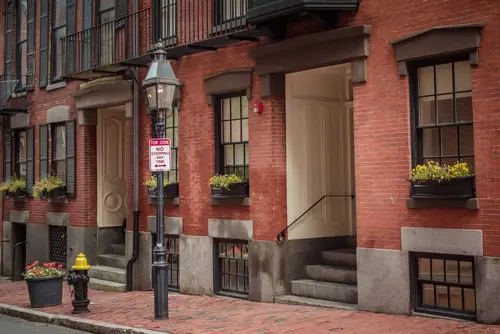
Boston’s dense office core was deeply affected by remote work. Financial services, consulting, and tech firms embraced hybrid schedules. Downtown streets that once buzzed during weekdays became calmer. The city had to rethink how space was being used.
Residential neighborhoods became more active throughout the day. Young professionals reassessed whether they needed to live close to the office at all. Some moved farther out along commuter rail lines. Boston showed how remote work could change both urban density and regional living patterns.
9. Washington, D.C.

Washington, D.C. saw a unique shift because so many jobs could go remote quickly. Federal agencies and contractors embraced telework at scale. Downtown areas built around government offices felt the drop in daily workers. The change altered everything from lunch spots to transit usage.
At the same time, neighborhoods became more central to daily life. People stayed in the region but worked from home more often. Demand grew for larger apartments and home offices. D.C. demonstrated how policy-heavy cities weren’t immune to remote work trends.
10. Los Angeles, California
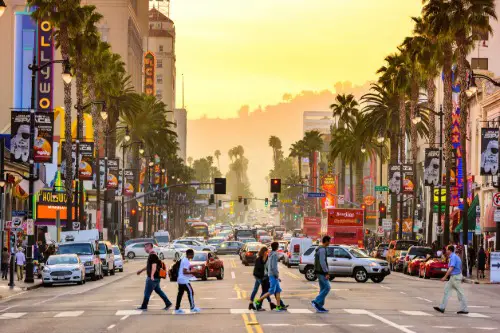
Los Angeles experienced a different kind of reshaping because commuting was already so difficult. Remote work removed daily freeway battles for many workers. People suddenly had more time and flexibility, which changed how they used the city. Neighborhoods became more self-contained during the workweek.
Some residents moved farther from job centers without worrying about traffic. Office hubs like Downtown L.A. and Century City felt the impact. Creative and tech workers leaned into hybrid schedules. Remote work amplified L.A.’s decentralized nature rather than reversing it.
11. Nashville, Tennessee
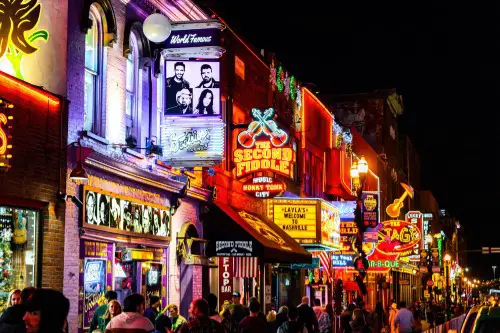
Nashville attracted remote workers looking for culture without coastal prices. Music, food, and nightlife made it appealing beyond pure economics. The population influx was fast enough to reshape housing demand. Longtime residents noticed the change almost immediately.
Remote workers helped fuel neighborhood growth outside the traditional downtown core. Coffee shops and local businesses benefited from weekday customers. At the same time, affordability became a growing concern. Nashville showed how lifestyle cities could quickly transform with remote work.
12. Tulsa, Oklahoma
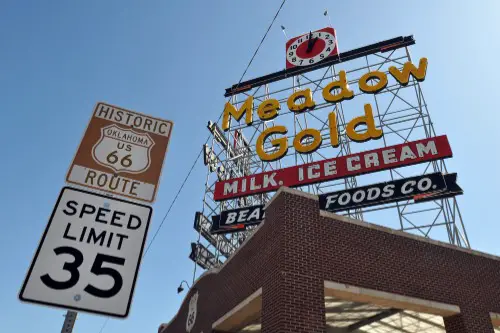
Tulsa became famous for actively recruiting remote workers. Incentive programs offered cash grants and community perks to people willing to move. That strategy brought in new residents who kept jobs elsewhere. The impact was outsized for a mid-sized city.
Newcomers boosted demand for housing and downtown amenities. Remote workers integrated into local neighborhoods rather than office parks. The city gained national attention for its approach. Tulsa proved that remote work could be used as an intentional economic development tool.
This post How Remote Work Reshaped Certain American Cities Overnight was first published on American Charm.

