1. Eastport, Maine
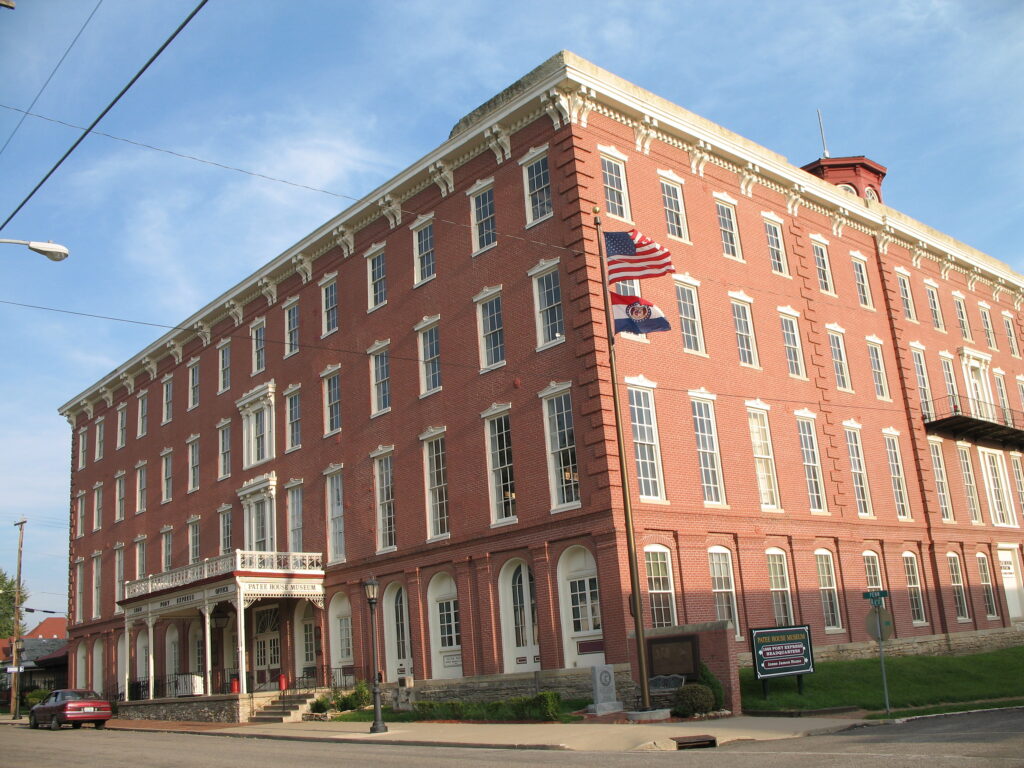
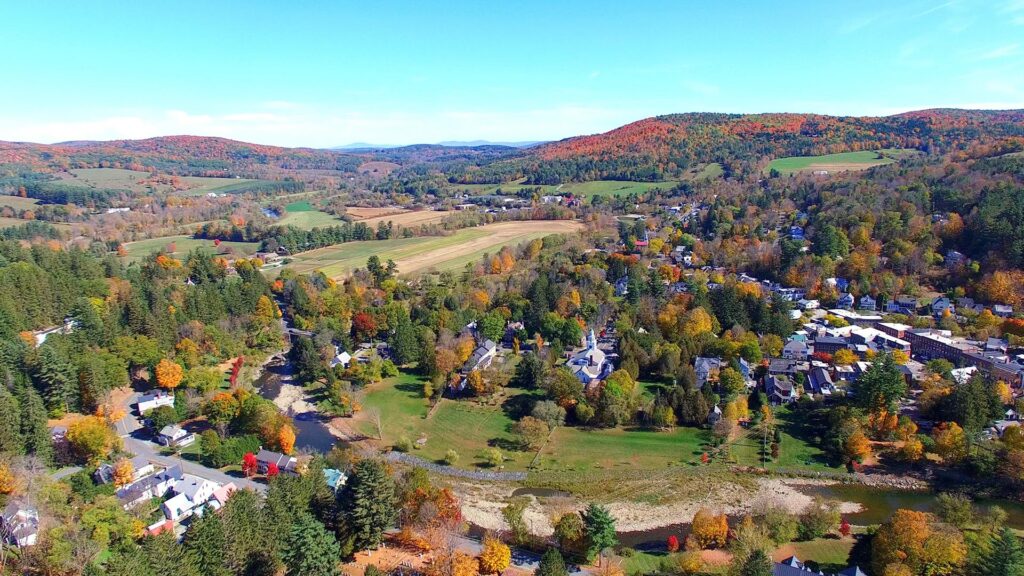
Eastport is one of the easternmost towns in the United States and one of Maine’s smallest cities. Like much of rural Maine, it has a high median age. Young people often leave for education and do not return. The local economy offers limited career paths.
An aging population changes how the town plans for the future. Healthcare access becomes more important than schools or childcare. Seasonal tourism fills some gaps but not all. Eastport reflects the broader demographic challenge facing rural New England.
2. Centralia, Pennsylvania
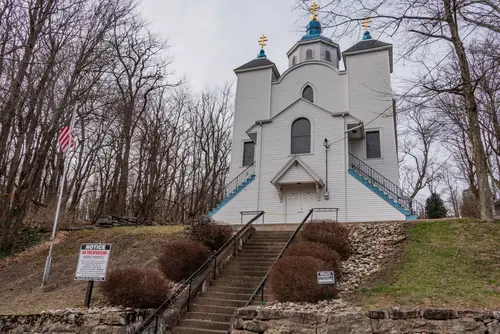
Centralia emptied out after an underground mine fire began burning in 1962. As families relocated, younger residents were the first to go. Over time, births stopped and schools shut down. Today only a handful of older residents remain.
The absence of young people means there is no reason to invest in long-term infrastructure. Streets have been removed, addresses erased, and services withdrawn. With no next generation, the town exists in a kind of legal and emotional limbo. Centralia demonstrates how environmental disaster accelerates demographic collapse.
3. Sun City, Arizona

Sun City was designed from the start as an age-restricted retirement community. By rule, children cannot live there full time. That means schools, playgrounds, and youth sports were never part of the plan. The town runs almost entirely on the needs and rhythms of older adults.
Life in Sun City works because surrounding towns supply workers and families. Inside the community, healthcare, recreation, and social life dominate the economy. Without young people, innovation happens slowly and change is cautious. It’s a controlled experiment in what a youth-free town looks like.
4. The Villages, Florida

The Villages is one of the fastest-growing metro areas in the country, yet it has almost no young people. It is largely age-restricted and built for retirees. Schools are unnecessary, but golf courses and medical offices are everywhere. The population skews so old that the median age is well above the national norm.
This imbalance reshapes everything from politics to public services. Labor shortages are filled by commuters who cannot afford or are not allowed to live there. Cultural life centers on nostalgia rather than novelty. The town thrives economically while outsourcing its future.
5. Sun City Center, Florida
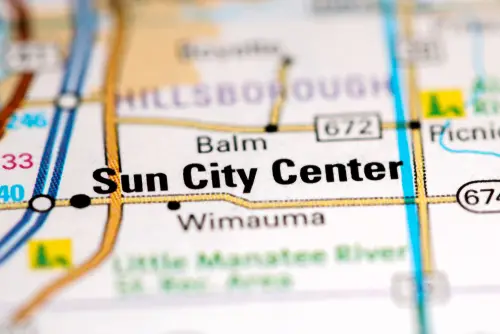
Sun City Center is another Florida community built specifically for older adults. Most residents are retired, and age restrictions limit younger families from settling there. As a result, there are no public schools within the town. Daily life is structured around clubs, healthcare, and volunteer work.
The lack of young people creates a quiet, stable environment. At the same time, it limits economic diversity and long-term resilience. Businesses cater to fixed incomes and predictable tastes. The town depends on nearby communities to provide workers and caregivers.
6. Welch, West Virginia
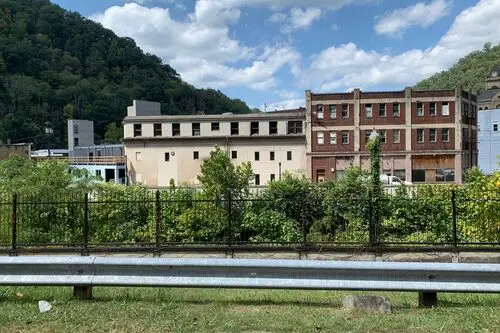
Welch was once a booming coal town filled with young families. As coal jobs disappeared, younger residents moved away in search of work. The population shrank and aged rapidly. Schools consolidated or closed as enrollment dropped.
An older population means fewer local entrepreneurs and less tax revenue. Basic services struggle to stay funded, and healthcare needs rise. Abandoned buildings outnumber new construction. Welch shows how economic decline and youth loss feed into each other.
7. Harlan, Kentucky
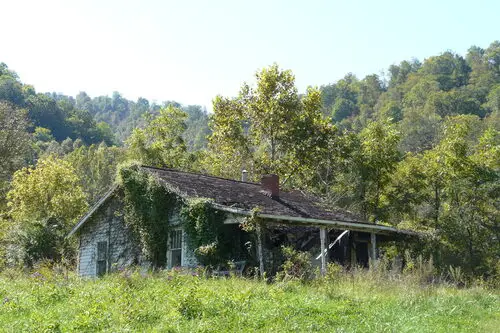
Harlan’s identity was long tied to coal mining and the jobs it provided. When those jobs declined, younger residents left for cities and other states. The remaining population grew older, with fewer children each year. Local schools saw steady enrollment declines.
With fewer young families, community institutions weaken. Churches merge, sports leagues disappear, and main streets empty out. Older residents hold deep ties to the land but limited economic options. The town faces the challenge of honoring its past without a clear future workforce.
8. Gary, Indiana
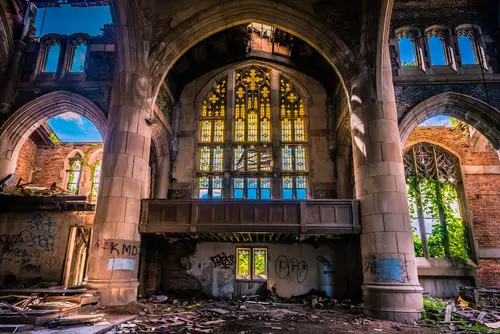
Gary lost much of its young population after the collapse of the steel industry. Families moved away as jobs vanished, leaving behind an older and poorer population. School closures became common as enrollment fell. Entire neighborhoods hollowed out.
An aging population struggles to maintain a city built for many more people. Infrastructure deteriorates faster than it can be repaired. Efforts at revitalization face the challenge of attracting young workers back. Gary illustrates how industrial decline reshapes demographics for generations.
9. Youngstown, Ohio
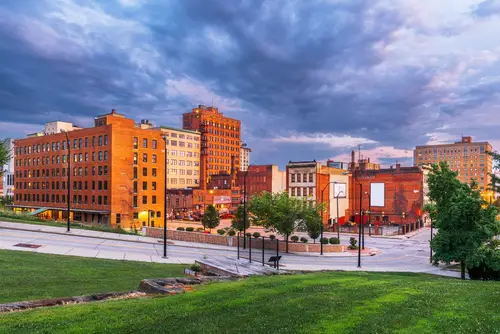
Youngstown’s population peaked in the mid-20th century during the steel boom. When mills closed, young workers left in large numbers. Birth rates fell, and the median age climbed. The city now has far fewer children than it once did.
Fewer young people mean fewer startups and slower cultural turnover. City services must adapt to a shrinking tax base and aging residents. Some neighborhoods have been deliberately decommissioned. Youngstown shows how cities learn to manage decline rather than growth.
10. Monowi, Nebraska
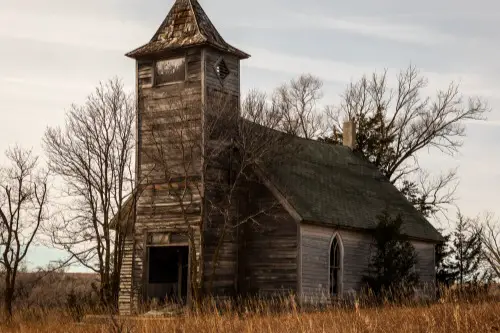
Monowi is often cited because it famously has had a population of one for years. Elsie Eiler, the town’s sole resident, also serves as the mayor, librarian, and bartender. There are no children, no teenagers, and no working-age adults left. It’s the purest example of what happens when young people leave and never come back.
Without young residents, institutions simply disappear. The school closed long ago, followed by the church and most businesses. What remains is memory, routine, and stubborn attachment to place. Monowi shows how a town can technically survive while losing its future.
11. Calumet, Michigan
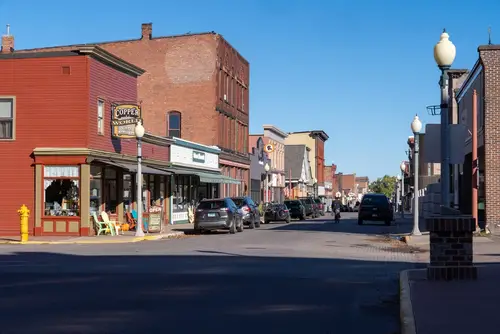
Calumet thrived during the copper mining boom of the early 1900s. When mining declined, younger generations moved away for work. The population steadily aged, and schools closed or merged. Many historic buildings remain, but fewer families live in them.
Older residents often serve as caretakers of local history. Economic redevelopment is slow without a large working-age population. Winters are hard, especially for seniors living alone. Calumet shows how legacy towns struggle to reinvent themselves demographically.
12. Bisbee, Arizona

Bisbee transitioned from a mining town to a retirement and arts destination. Many newcomers are older adults drawn by the climate and culture. Younger residents are present but outnumbered. The median age is significantly higher than the national average.
This age mix shapes the town’s priorities and politics. Businesses cater to tourists and retirees rather than families. Schools remain small and sometimes fragile. Bisbee highlights how reinvention can still skew older.
13. Matador, Texas
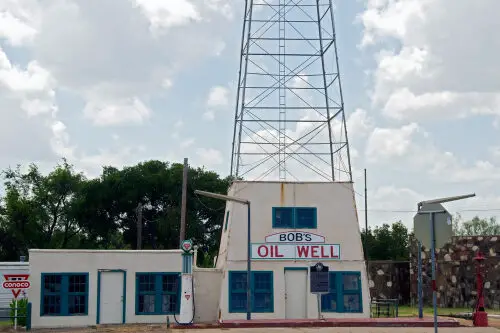
Matador is a small West Texas town that has steadily lost population for decades. Younger residents often leave for college or work and do not return. The remaining population is older, with few children. School enrollment has been a recurring concern.
With fewer young people, leadership roles fall to the same small group. Economic activity is limited, and services are stretched thin. Community events rely heavily on volunteers. Matador shows how rural towns quietly age in place.
This post What Happens When a Town Runs Out of Young People was first published on American Charm.