
1. San Jose, California
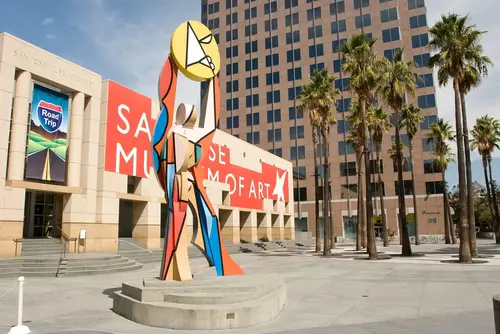
San Jose pulls people directly into the heart of Silicon Valley. Engineers and product managers move there for access to top-tier tech companies. The job density is unmatched for certain roles. It feels like the epicenter of innovation.
People leave due to extreme housing costs and suburban monotony. Many realize they don’t need to live there once they’ve established themselves. Remote work has accelerated this exit. San Jose becomes a launchpad, not a home.
2. San Francisco, California
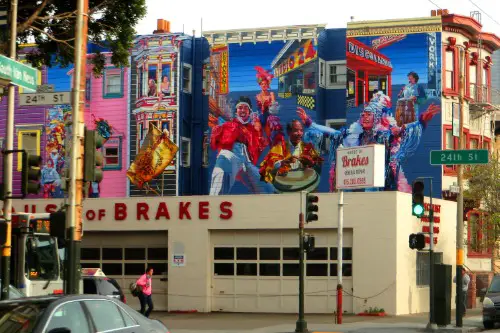
San Francisco remains one of the most powerful magnets for career opportunity in the U.S., especially in tech, venture capital, and startups. Young professionals move there to level up their résumés, make connections, and work at globally influential companies. The density of talent and money still offers unmatched professional exposure. It’s a place people go to prove themselves.
Many leave once they’ve gotten what they came for. Housing costs, long commutes, and quality-of-life concerns wear people down over time. Others realize they can now command San Francisco–level salaries elsewhere, often remotely. The city ends up functioning as a career accelerator, not a long-term base.
3. Los Angeles, California

Los Angeles attracts people chasing opportunity in entertainment, media, fashion, and increasingly tech. The sheer size of the economy means there are many entry points, from production assistants to junior marketers. Newcomers are often drawn by the idea that hard work and proximity can turn into a break. The city sells possibility better than almost anywhere else.
People leave when the grind becomes unsustainable. Long commutes, high housing costs, and freelance instability push many to reassess. The entertainment industry’s feast-or-famine cycles can make long-term planning difficult. For many, LA is a chapter, not the whole story.
4. New York City, New York
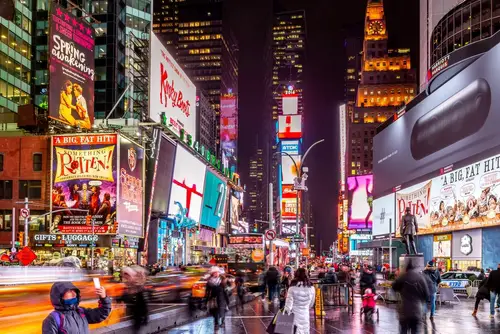
New York is a classic destination for ambition, offering opportunities across finance, media, fashion, tech, and the arts. People move there to test themselves in a highly competitive environment. The city’s density creates constant chances to network, switch jobs, and climb quickly. It feels like the center of everything when you arrive.
Many leave after burnout sets in. Rent, taxes, and the pace of life can become exhausting over time. Others cash in their New York experience and move to cheaper cities with better work-life balance. The city often serves as a proving ground rather than a forever home.
5. Denver, Colorado
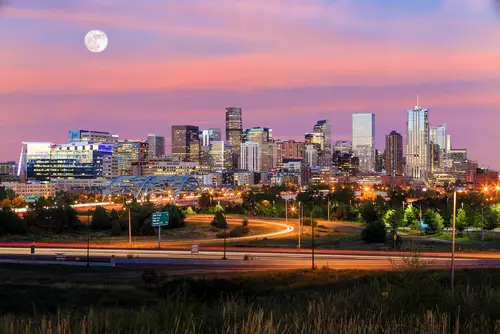
Denver attracts people looking for a mix of career opportunity and outdoor lifestyle. It has growing tech, energy, and healthcare sectors that pull in educated workers. Many arrive believing they can have both professional growth and easy access to nature. The city’s reputation feels balanced and healthy.
People leave when costs rise faster than expected. Housing prices have climbed significantly, and wages haven’t always kept pace. Some find the job market thinner than coastal hubs once they want to advance further. Denver becomes a launching pad, not a destination.
6. Seattle, Washington

Seattle draws workers with major employers like Amazon and Microsoft, plus a deep tech ecosystem. People move there for high-paying roles and clear career ladders. The city offers strong professional credibility on a résumé. For many, it feels like a smart strategic move.
People often leave due to lifestyle mismatch. Gray weather, social isolation, and high housing costs take a toll. Others move on after a few years with a major employer, leveraging experience elsewhere. Seattle frequently functions as a career waypoint.
7. Miami, Florida
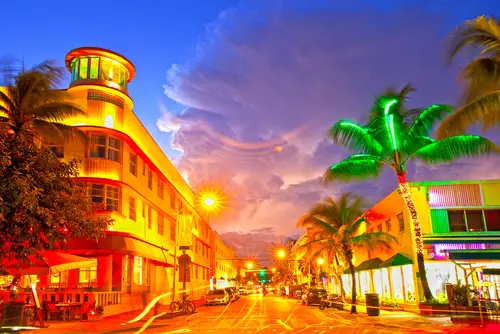
Miami has surged as a destination for finance, tech, and crypto-adjacent workers, especially during the pandemic era. People move there for perceived opportunity combined with low taxes and warm weather. The city markets itself as a global hub on the rise. It feels exciting and new to many arrivals.
People leave when the reality sets in. Salaries often lag behind cost of living, especially outside finance and tech leadership. Hurricanes, insurance costs, and transient social scenes wear on newcomers. Miami ends up being a short-term experiment for many.
8. Las Vegas, Nevada
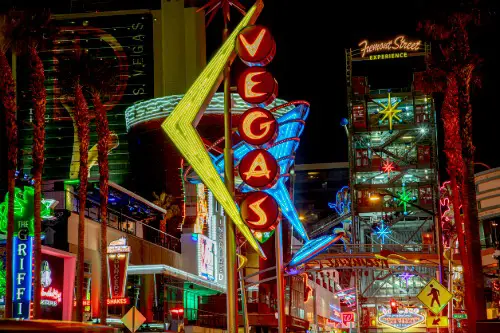
Las Vegas attracts people with hospitality, construction, and service-sector opportunities, plus no state income tax. Some move there to break into entertainment or management roles quickly. The city offers relatively easy entry into certain industries. It can feel like a place where you can reset your life.
People leave due to limited upward mobility outside specific sectors. The economy is heavily tourism-dependent, which creates instability during downturns. Long-term career diversification can be difficult. Many treat Las Vegas as a temporary stop.
9. Phoenix, Arizona
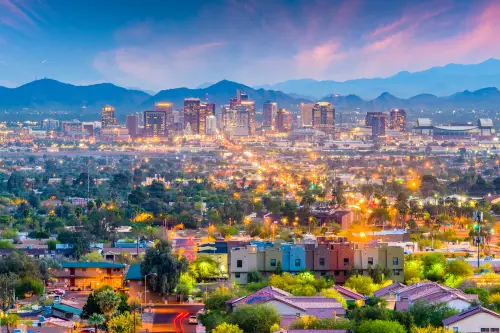
Phoenix draws people with affordable housing, rapid growth, and expanding white-collar job opportunities. People move there for call centers, healthcare, logistics, and regional corporate offices. The city feels accessible and easy to enter professionally. It’s often seen as a practical move.
People leave when the heat and sprawl become overwhelming. Summers are intense, and car dependence surprises some newcomers. Others outgrow the job market and move to cities with more specialized roles. Phoenix often serves as a transitional city.
10. Atlanta, Georgia
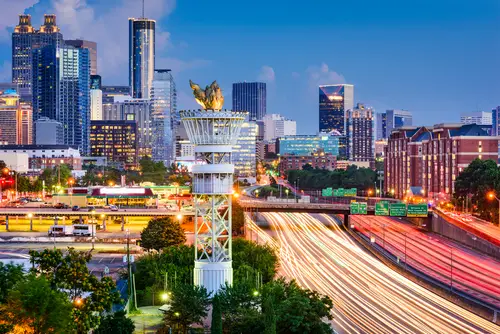
Atlanta attracts people with its strong Black middle class, corporate headquarters, and entertainment industry. Many move there for marketing, logistics, film, or tech-adjacent roles. The city offers real opportunity without coastal-level costs. It feels like a place where careers can scale.
People leave when traffic and sprawl wear them down. Some find advancement slower than expected without specific connections. Others move on after building experience to higher-paying markets. Atlanta frequently acts as a career builder.
11. Nashville, Tennessee
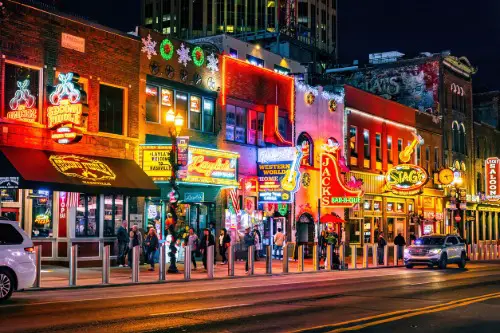
Nashville draws people with music, healthcare administration, and tourism-driven growth. Many arrive hoping to break into creative industries or corporate healthcare roles. The city’s cultural branding makes opportunity feel personal and attainable. It has a strong sense of momentum.
People leave as housing costs rise sharply. The music industry supports relatively few full-time careers, leading to disappointment. Infrastructure struggles to keep up with growth. For many, Nashville is a chapter, not the end goal.
12. Dallas, Texas
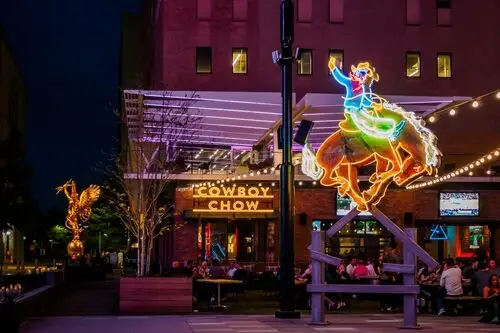
Dallas attracts people with corporate relocations, finance, and professional services jobs. Many move there for stable employment and a business-friendly environment. The metro area offers scale and opportunity across industries. It feels like a safe bet.
People leave when the lifestyle doesn’t match expectations. Car dependence, heat, and limited urban culture turn some off. Others use Dallas experience to move into more specialized markets. It often functions as a career midpoint.
13. Austin, Texas
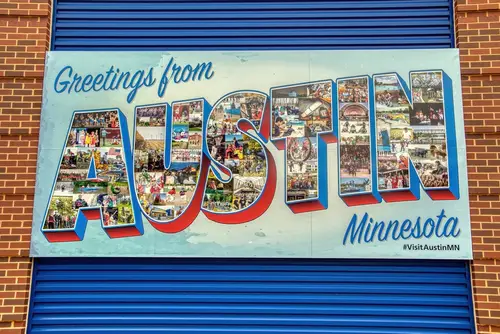
Austin draws people in with tech jobs, a creative reputation, and no state income tax, which makes it feel like a fast track to upward mobility. Many arrivals come for mid-level tech roles, startups, or remote work hubs tied loosely to Silicon Hills. The city also benefits from the University of Texas pipeline, which feeds both talent and ambition. On paper, it looks like a place where careers can accelerate quickly.
People often leave when the cost of living catches up to the hype. Housing prices and rents rose much faster than wages for many roles, especially outside big tech. Traffic congestion and strained infrastructure surprise newcomers who expected a smaller, easier city. For some, Austin becomes a stepping stone rather than a permanent home.
14. Boston, Massachusetts
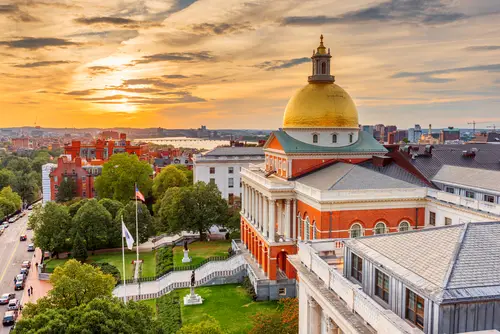
Boston attracts people with opportunities in education, biotech, healthcare, and finance. Many move there for elite institutions and early-career roles. The city offers intellectual credibility and strong networks. It’s a serious place for serious careers.
People leave when costs and limited housing options become frustrating. The city can feel small once you’ve tapped its networks. Winters and density also push people away. Boston often serves as a résumé city.
15. San Diego, California
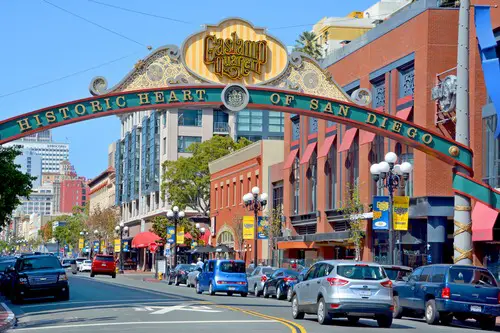
San Diego draws people with defense, biotech, and lifestyle-driven opportunity. Many arrive expecting a balance of career growth and coastal living. The city feels relaxed yet professionally respectable. It has strong appeal on arrival.
People leave when wages don’t keep up with housing costs. The job market can feel narrow outside specific sectors. Others relocate after gaining experience to cheaper coastal or inland cities. San Diego often becomes a temporary ideal.
16. Raleigh-Durham, North Carolina
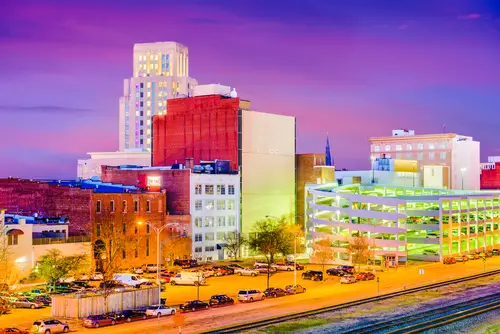
Raleigh-Durham attracts people with its Research Triangle reputation and concentration of universities, biotech firms, and tech employers. Many move there for early- to mid-career roles tied to research, data, and life sciences. The area feels like a smart, forward-looking place to build credentials. It promises growth without the intensity of larger metros.
People leave once they hit a ceiling. Advancement can slow without relocating to larger markets or corporate hubs. Some find the social and cultural scene limited after a few years. Raleigh-Durham often serves as a professional springboard rather than a final destination.
17. Houston, Texas
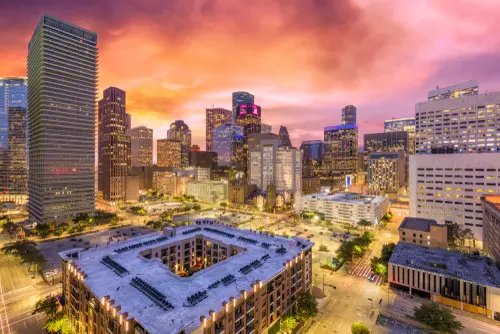
Houston draws people with its massive energy sector, medical institutions, and relatively low cost of living. Many move there for engineering, healthcare, or corporate operations roles that are easier to land than in coastal cities. The city’s size creates opportunity across many skill levels. It feels like a place where you can get established quickly.
People leave when lifestyle tradeoffs become clear. Heat, sprawl, and car dependence wear on long-term residents. Others exit as energy cycles shift or when they want more diversified career options. Houston frequently functions as a growth stop, not a settling point.
18. Chicago, Illinois

Chicago attracts ambitious workers in finance, consulting, marketing, and tech who want big-city opportunity without coastal prices. Many move there to gain experience at major firms and recognizable brands. The city offers strong professional credibility and dense networks. It feels like a serious place to build momentum.
People leave after burnout or weather fatigue sets in. Winters, taxes, and rising costs push many to reevaluate. Others leverage Chicago experience to move into smaller markets with similar roles. The city often becomes a résumé enhancer rather than a forever home.
19. Minneapolis–St. Paul, Minnesota
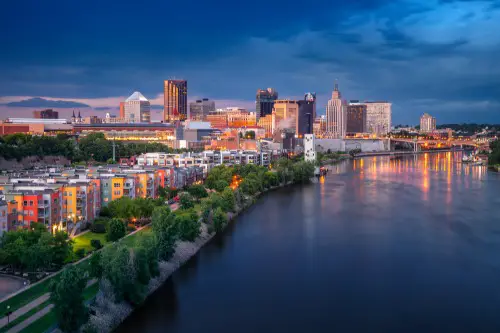
The Twin Cities draw people with corporate headquarters, healthcare systems, and stable white-collar jobs. Many arrive for structured career paths and strong benefits at large employers. The market rewards reliability and credentials. It feels like a place built for professional adulthood.
People leave when cultural fit becomes an issue. Winters are long, and social circles can feel closed to newcomers. Some find advancement limited without deep internal networks. Minneapolis–St. Paul often acts as a solid but temporary base.
20. Salt Lake City, Utah
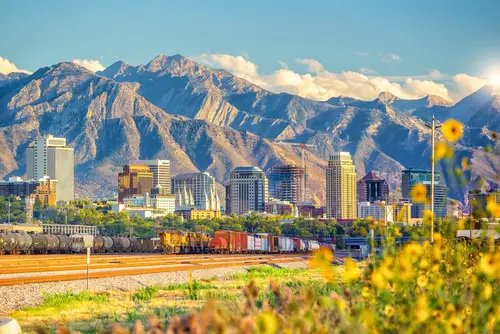
Salt Lake City attracts people with its growing tech scene, logistics roles, and proximity to outdoor recreation. Many move there for early-stage startups or operational roles that offer fast responsibility. The city feels efficient and opportunity-rich on arrival. It promises career growth without major-city chaos.
People leave when the market feels too small. Cultural and social mismatches push some newcomers out. Others find advancement requires relocating to larger hubs. Salt Lake City often functions as an early-career accelerator.
21. Columbus, Ohio
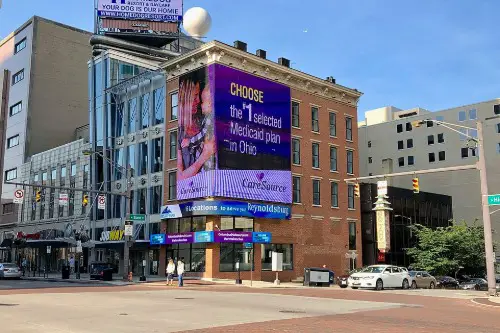
Columbus draws people with insurance, education, logistics, and corporate back-office roles. Many move there for stable employment and easier entry into professional jobs. The city feels accessible and low-pressure. It’s often seen as a practical career move.
People leave when ambition outpaces opportunity. Specialized or senior roles can be limited without relocating. Some find the cultural and economic ceiling lower than expected. Columbus frequently serves as a stepping stone city.
22. Tampa, Florida
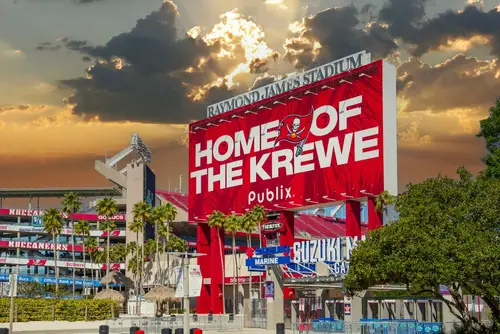
Tampa attracts people with finance operations, healthcare administration, and relocation-driven corporate roles. Many move there for tax advantages and perceived lifestyle upgrades. The city markets itself as a rising professional hub. It feels like a smart arbitrage play.
People leave when wages lag behind rising costs. Career growth can stall outside a few key sectors. Hurricanes and insurance volatility add stress. Tampa often ends up being a short-term bet.
23. Portland, Oregon
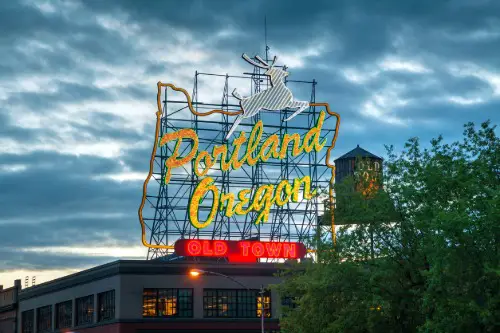
Portland draws people with creative, tech-adjacent, and sustainability-focused opportunities. Many move there for mid-level roles tied to design, software, or outdoor brands. The city’s identity makes work feel values-driven. It offers a distinct professional niche.
People leave when the job market tightens. Housing costs and limited large employers restrict advancement. Some grow frustrated with civic challenges and stagnation. Portland often becomes a temporary alignment rather than a permanent home.
24. Kansas City, Missouri
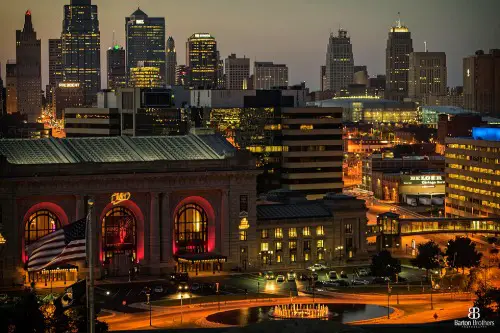
Kansas City attracts people with marketing, advertising, logistics, and corporate services roles. Many move there for easier entry into professional jobs and lower housing costs. The city offers room to build experience without intense competition. It feels manageable and welcoming at first.
People leave when they want broader exposure. National mobility often requires relocating to larger markets. Some find industry depth limited over time. Kansas City frequently functions as an early-career launchpad.
25. Washington, D.C.
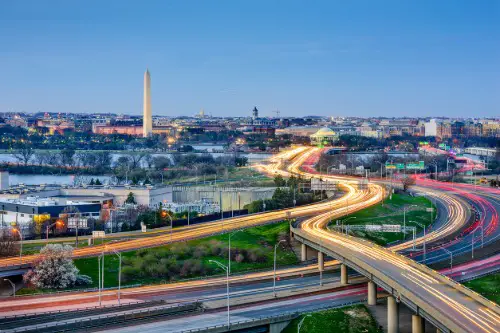
Washington draws people with government, policy, consulting, and nonprofit opportunities. Many move there to gain proximity to power and build specialized credentials. The city offers unmatched access in certain fields. It feels like the center of influence when you arrive.
People leave once networks are established. High housing costs and political burnout take their toll. Others transition to private-sector roles elsewhere using D.C. experience. The city often serves as a career credential factory rather than a long-term home.
This post The Cities Americans Move to for Opportunity—Then Immediately Leave was first published on American Charm.

