
1. Using a Payphone
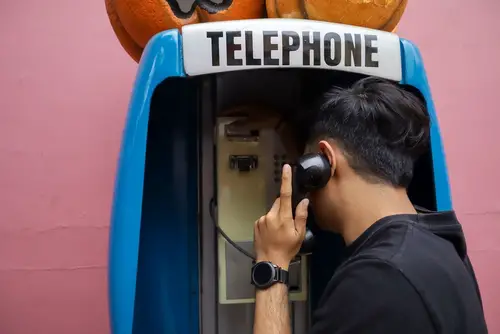
For decades, payphones were scattered through malls, street corners, and gas stations. If you were out and needed help, you carried change or made a collect call. Memorizing a few key phone numbers was normal because you couldn’t rely on a contact list. The slow disappearance of payphones accelerated in the 2000s as mobile phones became widespread.
Younger generations mostly know payphones as movie props or urban relics. Today, nearly everyone carries a personal phone with unlimited contacts and messaging. That shift changed how people plan meetups and handle emergencies. Payphones mattered because they were a public safety net, not just a convenience.
2. Writing and Mailing Handwritten Letters

Writing letters used to be a routine way to stay in touch with friends and relatives. People chose stationery, addressed envelopes by hand, and waited days or weeks for replies. Long-distance phone calls were expensive, so letters carried emotional weight. The ritual made communication slower but often more thoughtful.
Email and texting made instant communication the default. Younger people may write notes, but ongoing letter exchanges are rare. The decline matters because letters created physical records of relationships. Old boxes of correspondence now feel like artifacts from another era.
3. Waiting for Photos to Be Developed

Taking photos once meant finishing a roll of film before seeing any results. You dropped film off at a drugstore or photo lab and waited days. Mistakes like bad lighting or fingers in the frame were permanent surprises. Each photo cost money, which encouraged restraint.
Smartphones let people review, delete, and share photos instantly. Younger generations often take hundreds of images without thinking about cost. The older process mattered because it shaped how people documented life. Photos felt more deliberate and sometimes more precious.
4. Appointment Television Viewing
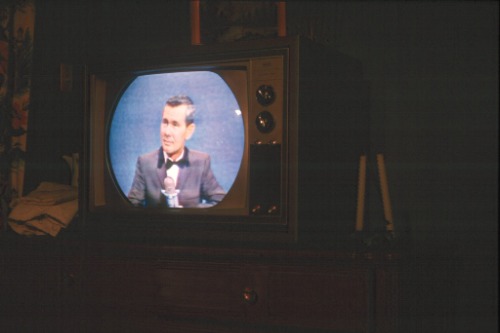
Television schedules once dictated when you watched a show. Missing an episode often meant waiting months for a rerun. Families planned evenings around broadcast times, especially for big events. There was a shared sense of national viewing moments.
Streaming removed the need to be home at a specific hour. Younger viewers expect on-demand access and full seasons at once. The older system mattered because it synchronized cultural conversations. Everyone talked about the same episode the next day.
5. Navigating With Paper Maps
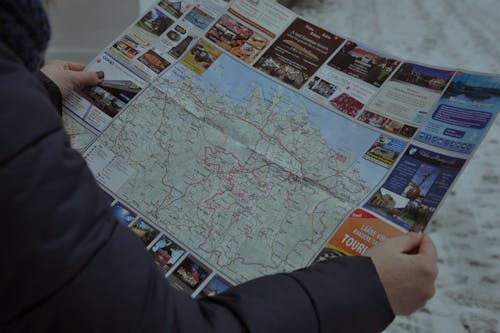
Road trips relied on folding maps pulled from glove compartments. Drivers planned routes in advance and memorized key turns. Getting lost was common, and asking strangers for directions was normal. Navigation required spatial awareness and patience.
GPS apps now provide turn-by-turn directions in real time. Younger drivers may never unfold a map or trace a route manually. Paper maps mattered because they taught geography in a hands-on way. You understood where you were, not just where to turn.
6. Living in a Mostly Cash-Only World

Many businesses once accepted only cash, especially small shops and restaurants. People carried wallets with bills and coins for everyday purchases. Balancing a checkbook or visiting an ATM was routine. Digital payment options were nonexistent or rare.
Cards and mobile payments dominate transactions today. Younger generations may rarely handle physical cash. Cash mattered because it made spending more tangible. You could literally see money leaving your hands.
7. Using Encyclopedias for School Research

Home encyclopedias were a primary reference source for schoolwork. Kids flipped through heavy volumes to find information. Facts were fixed until the next edition came out. Research required time and persistence.
Online search engines provide instant, constantly updated information. Younger students rarely consult printed reference books. Encyclopedias mattered because they taught structured research habits. You learned to browse, cross-reference, and read deeply.
8. Regular Door-to-Door Sales Visits
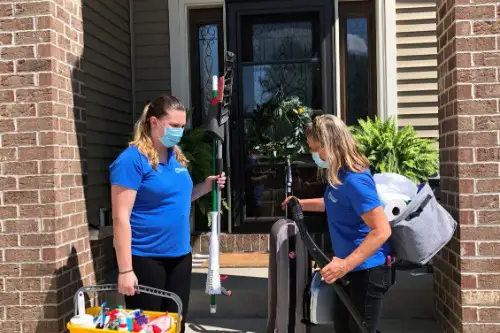
Salespeople once regularly knocked on doors to sell products or subscriptions. Encyclopedias, vacuum cleaners, and newspaper subscriptions were common pitches. These visits were socially expected, if sometimes unwelcome. They reflected a more local, face-to-face economy.
Online shopping replaced most door-to-door sales. Younger generations may find unannounced visits intrusive or suspicious. The practice mattered because it relied on personal persuasion. Trust was built in person, not through reviews.
9. Calling Someone Without Warning

Phone calls were often made without prior notice. If someone answered, you talked, and if they didn’t, you tried again later. Voicemail messages were brief and practical. Calling was a default, not an interruption.
Texting allows people to schedule conversations implicitly. Younger people often see unexpected calls as stressful. Spontaneous calling mattered because it normalized real-time conversation. It reduced the pressure to craft perfect responses.
10. Repairing Everyday Electronics
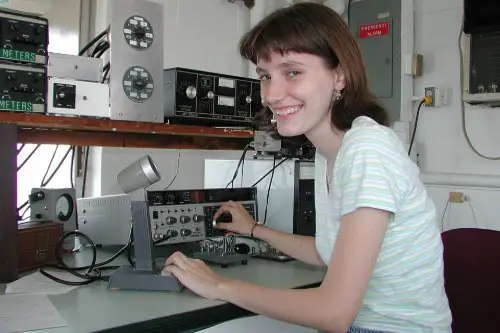
Broken appliances and electronics were commonly repaired. Local repair shops handled TVs, radios, and small appliances. Parts were replaceable, and devices were built to be opened. Fixing things was economical.
Many modern products are cheaper to replace than repair. Younger generations encounter sealed devices and limited repair options. Repair culture mattered because it encouraged mechanical literacy. It also reduced waste.
11. Sharing One Family Computer
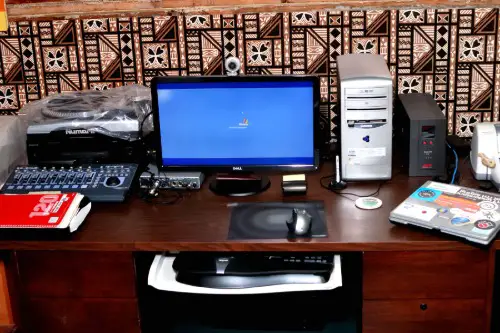
Many households had a single computer used by everyone. It was often placed in a common area like a living room. Time online was shared and sometimes scheduled. Privacy was limited by design.
Personal laptops and smartphones are now the norm. Younger people grow up with individual screens from an early age. The shared computer mattered because it shaped early internet habits. Online activity was more visible and supervised.
This post Once-Common American Experiences Younger Generations Rarely Have was first published on American Charm.

